
Israel’s ‘ring of fire’ trial: I didn’t set any fires near Netanyahu’s home
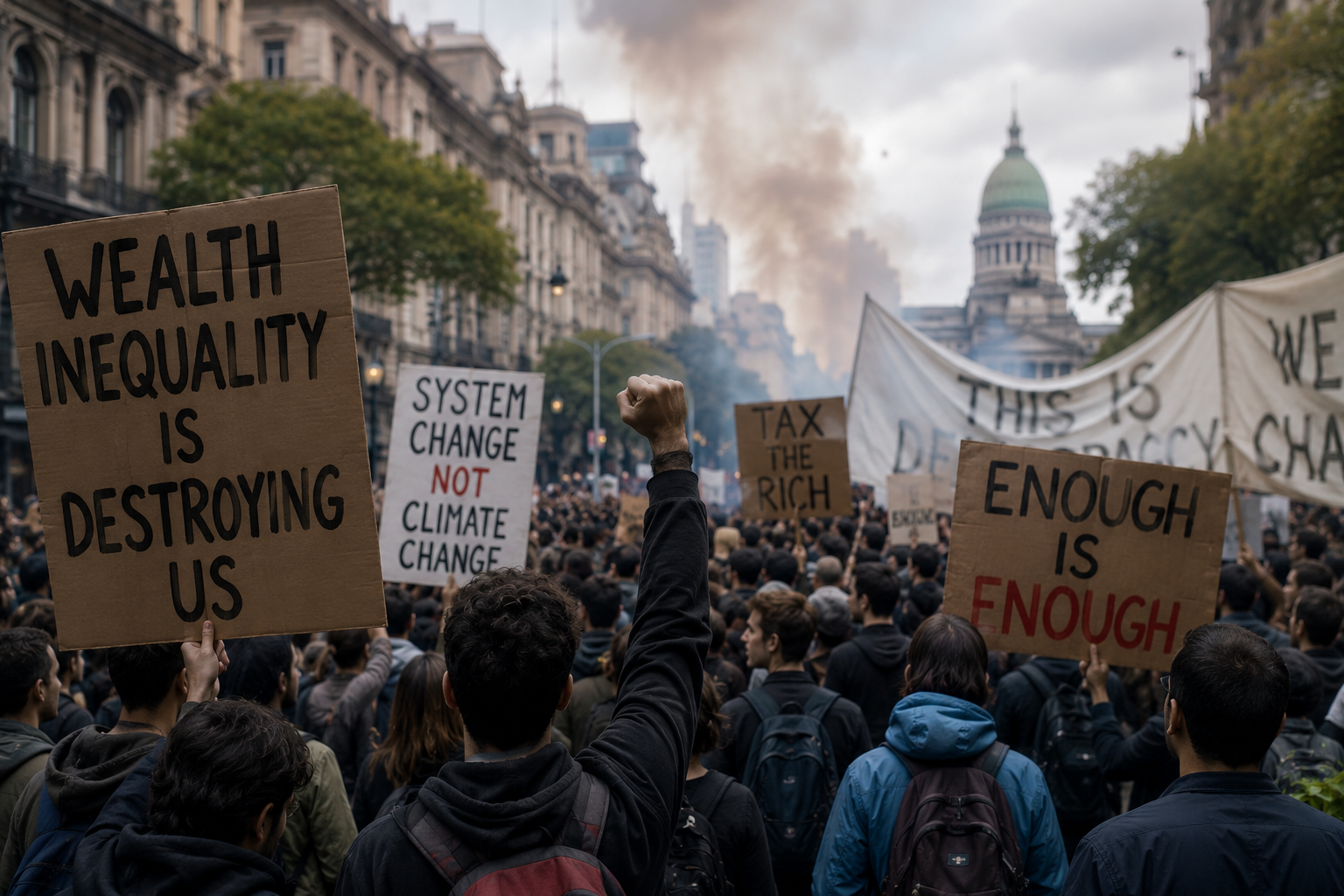
When the war in Gaza reached its 700th day last year, demonstrators across Israel took to the streets to demand that the government secure the return of hostages and end the war. But when protesters set a ‘ring of fire’ near Benjamin Netanyahu’s home, the prime minister went on the offensive. Now, with just weeks before elections that threaten Netanyahu’s coalition government, five suspects accused of arson in the politically charged case are on trial. One of the accused, who even the court acknowledges didn’t set any fires, explains how the future of Israel’s democracy is at stake.

- 3 weeks ago
 September 16, 2026


 The aftermath of the “ring of fire” near Netanyahu’s home, including the destruction of a vehicle owned by an IDF reservist. (credit: Israel Police)
I have fought all my life. I am Jewish, and a soldier who served Israel in combat for 530 days. I am trained to protect my country, and to confront an enemy when necessary. But most importantly I am willing to fight for what is right.
I am among the Israelis who participated in nationwide antigovernment protests that took place last year on the 700th day of the war in Gaza. I joined the protests because I believed that the government was purposely allowing the war to continue for domestic political reasons, and that it wasn’t doing enough to bring the hostages from the October 7 attack that started the war back home. We wanted the hostages to be returned, and the war to end.
Several actions were carried out during the demonstration in Jerusalem that day, including the burning of garbage bins. One of my friends and I were there, but we did not set fire to the garbage bins.

ALSO READ: Israeli teacher opens up two years after his arrest over Facebook posts about Gaza
A police investigation showed that we didn’t start any fires. But the prosecution, a government authority, decided to pursue charges against us anyway. We were taken into custody even though the authorities knew we had not carried out the act we were being accused of.
I was put in jail for seven days. After that, I was placed under house arrest for about eight months. I have had plenty of time to think about what happened to me, but it isn’t about me – it’s about Israel upholding moral values. In the end, I am an Israeli patriot.
Even when you fight, you have to protect civilians
The massacre on October 7 [led by Hamas militants who crossed the border from Gaza] was horrible and it is unforgivable. But fighting an enemy doesn’t mean you stop being humane. When you fight, you still have to protect civilians. You have to know the line between protecting yourself and hurting innocent people. It’s a moral and legal obligation under the rules of war.
ALSO READ: Surgeon serves in Gaza amid Israeli airstrikes
Israel had a right to defend itself. We had to fight because our country was attacked and they were trying to destroy Israel. But it doesn’t mean that you have to kill innocent people, which the Israeli government was doing very freely. And moral values also mean that you have to get your people, the hostages, back immediately.
We were also protesting for the innocent Palestinian civilians living in Gaza. They are also human beings. They deserve to live peacefully. But the Israeli government is not accepting that what the protesters were saying was right.
Prison changed my view of society
There is a lot of stress on your family when you go to jail, but they knew it would be a piece of cake for me. I was trained for that as a soldier, so I was mentally prepared. But it is not good to be in a situation of humiliation when you have done nothing wrong.
I was handcuffed and jail is horrible – I felt pity for the others who were there. They are broken people and there is no chance for rehabilitation, the government puts them in jail and makes them criminals. But in a way it was an enlightening experience. It made me question Western society, the number of prisoners in the United States, how we put people in jail so easily.
ALSO READ: What it was like to be part of the flotilla detained by Israel
It was unsettling while in jail because I had no way to act. But now that my house arrest has ended I will do whatever I can to protest against this horrible government. My case is still going on, so who knows what could happen. But the only thing I am afraid of is the possibility that my grandchildren will have to live in a society that doesn’t function properly – in a society that starts unnecessary fights, that makes unnecessary wars, that puts people in jail for no reason.
In the time I have left I want to use my power to act. My main aim in life is to help remedy society, so people can start being kind and compassionate to each other.


FAQs