
Heroes of Flight 1073: Indian pilot and an Israeli passenger help avert Flydubai disaster
A routine trip from Dubai to Tel Aviv turned into a terrifying mid-air emergency when the captain of Flydubai flight 1073 was stabbed by his copilot. The Boeing 737 carrying 180 people went into a death spiral, the attacker allegedly attempted to jam the controls, and passengers were tossed about as the plane descended thousands of meters in less than two minutes. But sure disaster was averted when true heroes – the gravely injured Indian captain, Israeli passengers, two reserve British pilots, and first responders in Saudi Arabia and Israel – all sprang into action.

- 7 days ago
 October 1, 2026


 Captain Smit Machchhar, the Indian pilot who was seriously injured during the emergency aboard Flydubai Flight 1073. Photo credit: Israel Foreign Ministry
There was no shortage of heroes to emerge from Flydubai 1073 – the flight from Dubai to Tel Aviv on September 30 that by all accounts should be making headlines for the loss of all 180 people aboard.
But as the captain piloting the plane was stabbed by his copilot, an amazing sequence of events played out to thwart disaster even as the Boeing 737 plunged into a 5,300 meter (17,400 foot) death spiral.
The gravely injured Indian captain, Israeli passengers, two British pilots who happened to be on board, and first responders in Saudi Arabia and Israel, all sprang into action in the heat of the moment. And combined, their efforts saved all 180 lives.
A routine flight turns into a death spiral
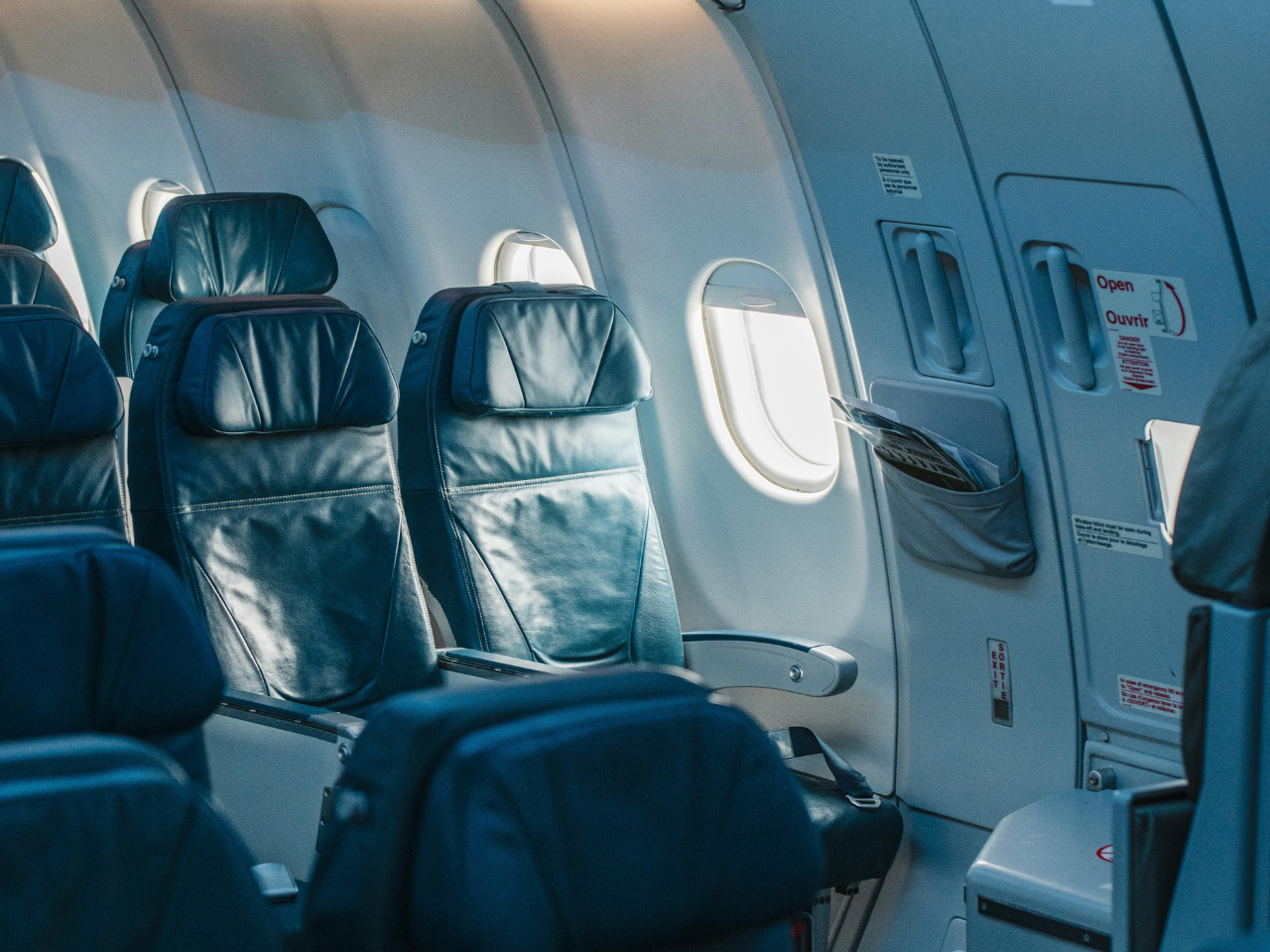
The aircraft’s 174 passengers – including about 150 Israelis and 27 children – were a little over two hours into their morning flight from Dubai to Tel Aviv when chaos erupted. With no warning, the plane suddenly descended into a death spiral high above the Jordan-Saudi Arabia border.
The passengers had no way of knowing, but their aircraft had entered a steep dive because of a violent struggle inside the cockpit. Their pilot – Indian Captain Smit Machchhar – had been stabbed or possibly struck with a weapon.
In the ensuing moments, as the alleged attacker reportedly tried to damage flight controls, Captain Machchhar somehow managed to open the cockpit door, allowing a passenger and two crewmembers outside the cockpit to rush in and subdue the attacker.
The pilot who fought back
Captain Machchhar has spent more than 13 years flying Boeing 737 aircraft, and joined Flydubai as a direct-entry captain. But the thousands of hours of experience he accumulated could not have prepared him for what unfolded on Flight 1073.
His quick thinking most certainly set the stage for a chain of life-saving acts. A day after the incident, as he recovered from his injuries, he was being hailed as a hero around the world.
“India is proud of Captain Machchhar,” Indian Prime Minister Narendra Modi posted on X. “In the face of the gravest danger and despite being seriously injured, he showed immense courage and an unwavering resolve to protect the lives of others.”
Israeli Prime Minister Benjamin Netanyahu, addressing his nation about the incident on September 30, described the chaotic and crucial minutes that followed the attack on the pilot. Citing his recorded discussion with the Israeli passenger who helped drag the attacker out of the cockpit, Netanyahu lauded all those “who displayed exceptional resourcefulness and courage” in saving lives.
The next day, Netanyahu took to social media to single out Captain Machchhar.
“My salute to the Indian pilot Captain Smit Machchhar for his extraordinary bravery,” Netanyahu wrote. “Despite being stabbed and seriously injured, he fought back, resisted, opened the cockpit door, and enabled passengers and crew to overpower the attacker — preventing a catastrophic mid-air disaster.”
Machchhar is reportedly being treated in a hospital and is in stable condition.
The passenger who ran toward danger
While Machchhar fought inside the cockpit, an Israeli passenger, Yaniv Hayoun, made a decision of his own. Recounting his experience face to face with Prime Minister Netanyahu after arriving at Ben Gurion Airport, Hayoun explained that when passengers were alerted to a threat he started heading toward the front of the plane.
Still wearing a bloodied t-shirt, Hayoun told the prime minister that when the plane suddenly went into a dive and sent him flying, he ended up just outside the cockpit. “The pilots were in their seats,” he said. “One had slumped down, the other was slumped over the controls.”
Hayoun said that he and another person entered the cockpit and that he “grabbed the threat, putting him in a chokehold … and dragged him out.”
Then Hayoun said, he grabbed the controls and started trying to pull the plane out of its dive.


The reserve pilots who landed the plane
Flydubai said in a statement on September 30 that Flight 1073 was “successfully secured by on-duty Flydubai crew travelling on the flight, who diverted and landed the aircraft safely at Tabuk Airport” in Saudi Arabia.
The names of the hero pilots were not revealed, but interviews with passengers of the flight provided some clues.
CNN quoted passenger Assaf Rajuan as saying that two pilots jumped in to land the plane.
There were “two other pilots on board, British pilots. We knew they were pilots. They were sitting in the row ahead of me – row six, and I was in row seven,” Rajuan told CNN. “They were the ones who stepped up to land the plane.”
Netanyahu, in his remarks on September 30, also said that “another air crew that was on the plane entered the cockpit and managed to stabilize the aircraft.”
The heroes waiting on the ground
Authorities were aware that something was wrong because a general emergency had been issued from the plane just prior to its rapid descent. A few minutes later, another warning reporting “unlawful interference”, code for hijacking was issued.
The situation sent rapid response crews – in both Saudi Arabia, where the plane was diverted for landing, and in its final destination Israel – scrambling to deal with injured and traumatized passengers.

Orato First-Person News spoke with Aryeh Myers, a paramedic for Israel’s national emergency service who was on the scene at Israel’s Ben Gurion airport when passengers finally arrived.
Myers said that as soon as the emergency service, known as Magen David Adom, became aware of the crisis, it began making preparations.

“We were prepared with a number of emergency vehicles and a number of responders,” Myers said. “We met the passengers off the plane, right on the tarmac, where we did an initial assessment as they came off the plane.”

Myers said the first-responders had no idea what they would encounter.
“People came off the flight, we met them literally off the stairs, and they were on the whole mostly relieved that they were now in Israel,” Myers said. “There were a few people who were visibly upset, but they were left in the care, obviously, of the mental health professionals.”
Several people had minor injuries. Three were treated, while a man in his 50s with a chest injury was taken to hospital.
FAQs