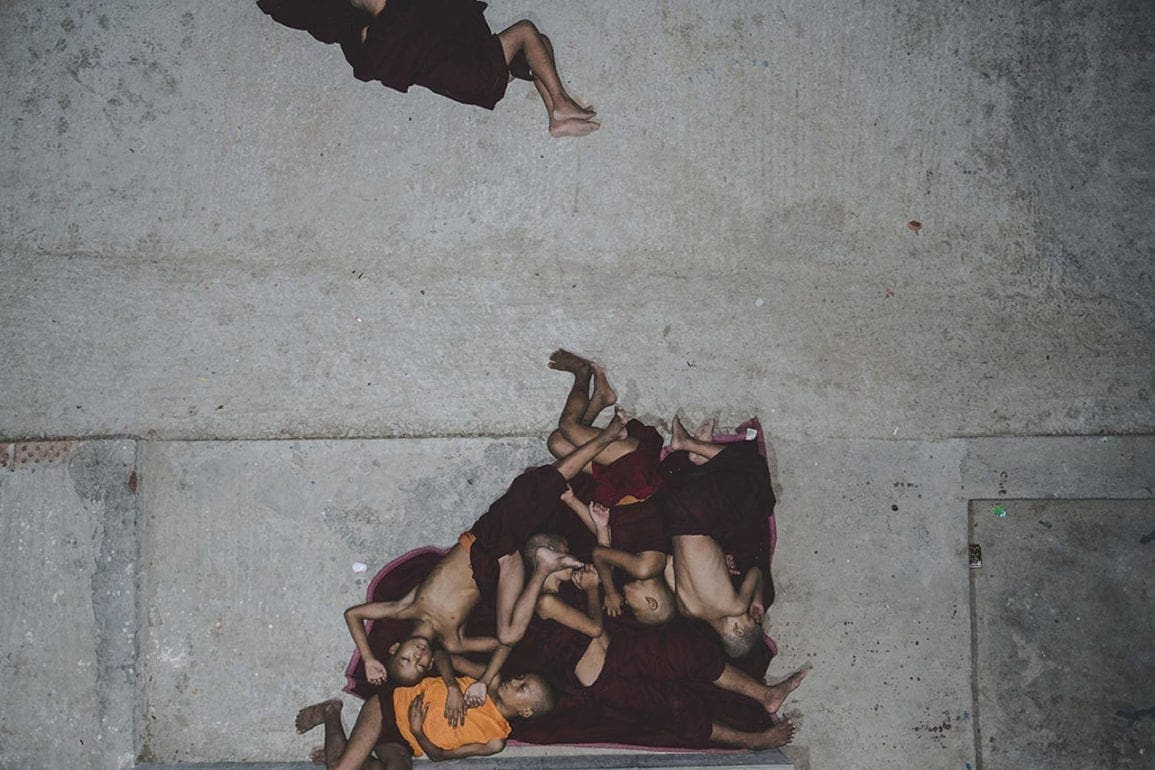
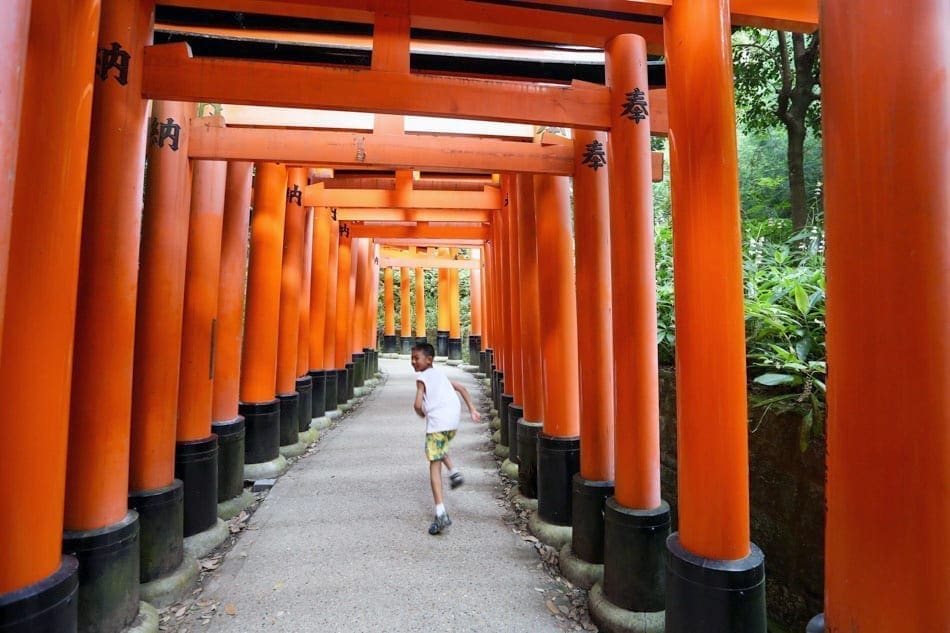
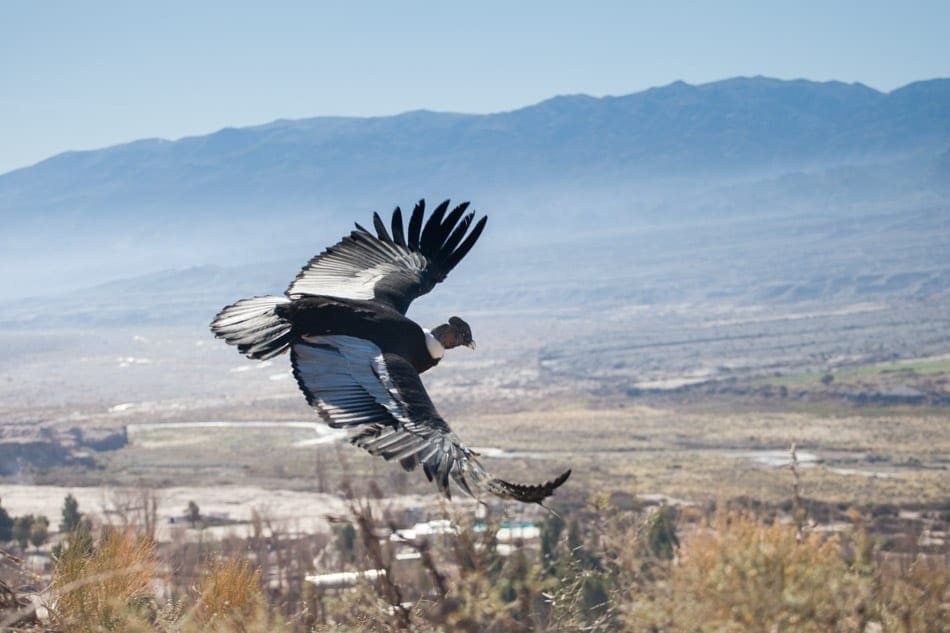
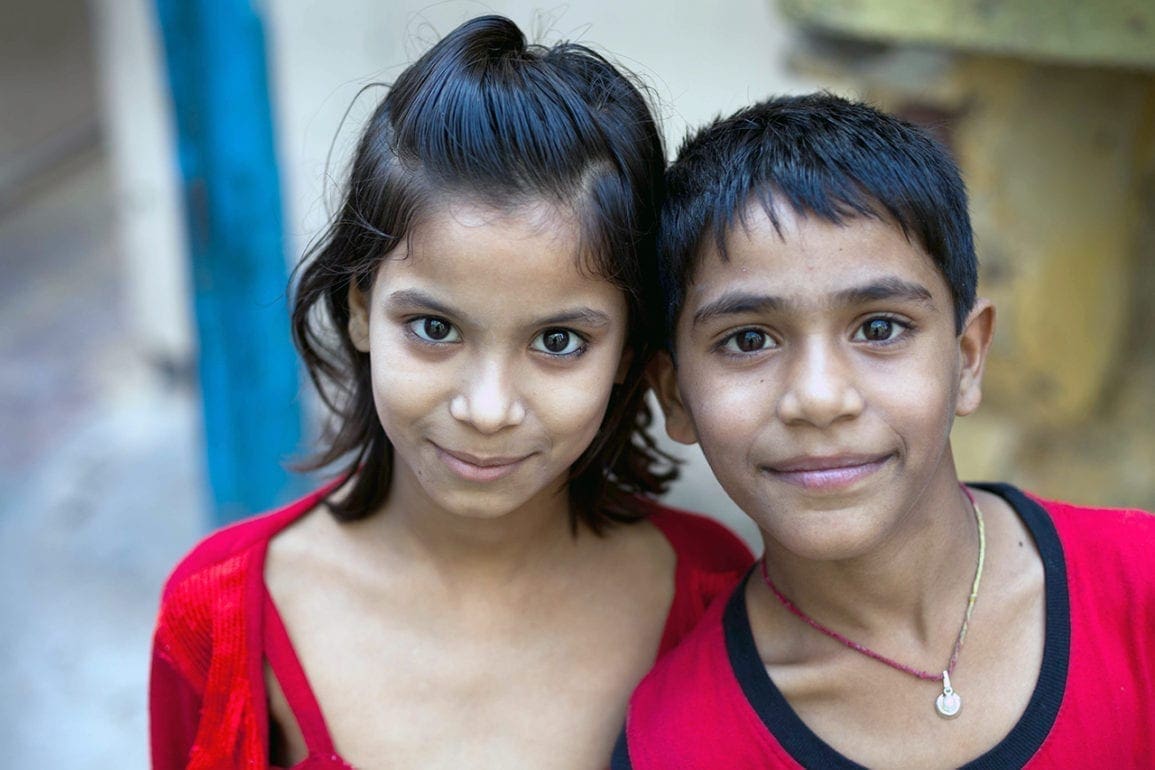
Photographs taken in the former imperial capital of Kyoto, Japan.
Historically, Kyoto was the largest city in Japan, later surpassed by Osaka and Edo (Tokyo) towards the end of the 16th century. In the pre-war years, Kyoto traded places with Kobe and Nagoya ranking as the 4th and 5th largest city.
In 1947, it went back to being 3rd. By 1960 it had fallen to 5th again, and by 1990 it had fallen to 7th, in 2015 it is now 9th.
The concentration of population to the capital city area is 55%, which is highest among the prefectures. The economic difference between the coastal area and inland area including Kyoto basin is significant. Encompassing ¥10.12 trillion, Kyoto MEA has the fourth-largest economy in the country in 2010.[11]
Bomb target
There was some consideration by the United States of targeting Kyoto with an atomic bomb at the end of World War II because, as an intellectual center of Japan, it had a population large enough to possibly persuade the emperor to surrender.[18]
In the end, at the insistence of Henry L. Stimson, Secretary of War in the Roosevelt and Truman administrations, the city was removed from the list of targets and replaced by Nagasaki.
The city was largely spared from conventional bombing as well, although small-scale air raids did result in casualties.[19]
As a result, Kyoto is one of the few Japanese cities that still have an abundance of prewar buildings, such as the traditional townhouses known as machiya.
However, modernization is continually breaking down the traditional Kyoto in favor of newer architecture, such as the Kyōto Station complex.
Kyoto became a city designated by government ordinance on September 1, 1956.
In 1997, Kyoto hosted a conference that resulted in the protocol on greenhouse gas emissions.(United Nations Framework Convention on Climate Change)