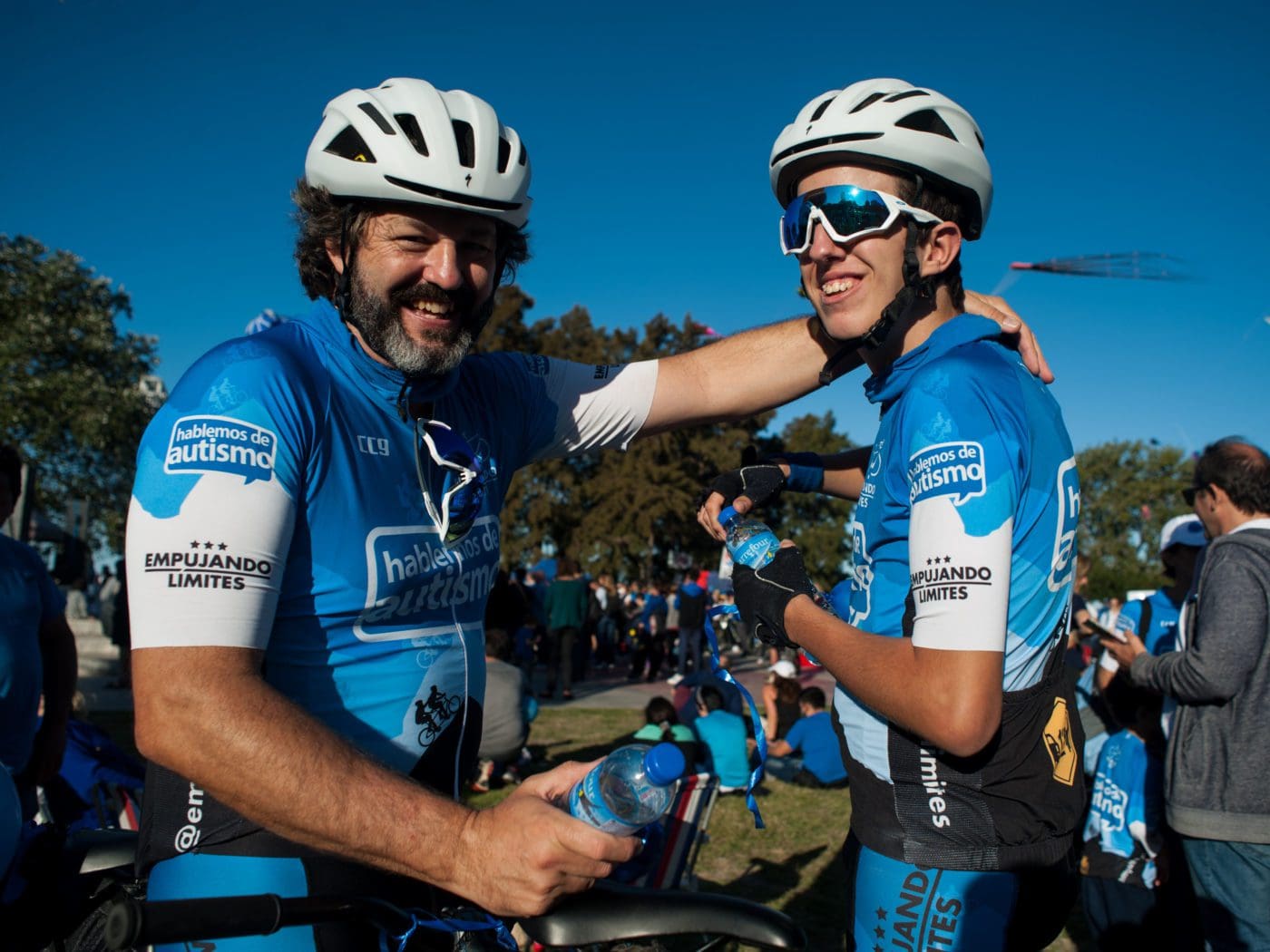
Father and son with autism find connection and freedom on top of a tandem bike

Juan Zemborian
Interview Subject
Juan Zemborian, architect and father of two, founded the non-profit Empujando Límites after realizing the benefits of using a tandem bicycle with his son, who has autism and other disabilities.
Background Information
Empujando Límites: The organization’s goal is to “promote the use of tandem bicycles and provide communities with this tool to improve the quality of life of people with disabilities.”

Empujando Límites hopes that through tandem cycling, “many people can be brought closer to leading a better life by doing sports, enjoying nature and using it as a connecting element to achieve inclusion, starting with the family and continuing with the rest of society.”

For more information, follow Empujando Límites on Instagram and Facebook.


World Autism Awareness Day: April 2 is World Autism Awareness Day, and different cultural, awareness and celebratory events occur throughout the world to mark the occasion.

Empujando Límites held a community bike ride that brought together people with autism, pervasive developmental disorders (PDD), and autism spectrum disorder (ASD), their families, and members of the community in general to raise awareness, comraderie, and support.


Autism: Learn more about autism and autism spectrum disorder at the following resources:
The Autism Society
Center for Disease Control and Prevention

BUENOS AIRES, Argentina—Becoming a father changes all your priorities. When my daughter Anita was born, I felt a happiness beyond anything I could have imagined; then Santiago arrived and ended up revolutionizing everything I thought I knew.

An autism diagnosis begins a new phase of life

We did not notice much of a difference between Santi and his sister at first, but when he was 10 months old, my psychologist sister alerted us that he was behaving differently than others his age. Diagnoses of developmental delay and hypothyroidism came next, followed by muscular hypotonia and finally, autism spectrum disorder (ASD). 

Being told that my son had ASD marked a distinct before and after. It was no longer a matter of treating Santi’s various condition with medication and/or therapies; we had to transform our attitude as a family to generate positive changes in his life and how he experiences the world.

My first priority was to connect to Santi’s world. I first tried to do this through “floor time,” a therapy where I would lay on the floor and look into his eyes for hours at a time. Then, my thoughts moved to exercise, hoping to find ways to connect and strengthen his body.

Discovering cycling as a link and method of improvement

Almost by chance, we found what unites us to this day and helps us push limits.

We played tennis at first—in our unique way, but we played. However, I noticed that he liked pedaling a bike much more. It generated a tremendous joy in him. I realized that I could spend much more time with him doing that activity, and that stoked a desire to do it in the best possible way. 

He first started with a tricycle, with me running after him. However, time passed, Santi grew, and eventually the wheels exploded from his weight.

We taught him to ride a bicycle alone, a challenging task. I didn’t know what to do or say to trigger his enthusiasm and desire to do it, until one day, when he was about 7 years old, I told him without really thinking, “Santi, you have to learn to ride a bicycle alone because when you turn 15 we are going to cross the Andes mountain range and reach the Pacific Ocean.”

I don’t know if he understood the magnitude of the challenge—in fact, I don’t even think I really understood—but it motivated us both.

The final piece to the puzzle: a tandem bicycle

At 12, Santi had largely mastered riding a bike. However, one small detail made riding and training difficult: he was not interested in using the brakes. He loved the feeling of the wind in his face and discovering the new places that awaited him ahead—his interests did not include braking and bringing all that to an end. 

We adapted though, and I fashioned a sort of hand brake attached to the back of his bike that I could operate. Although I was never very sporty, I accompanied him on rides daily to be able to bring him to a stop if needed.

One day, I met a local tour guide at a gathering of parents at my daughter’s school. I told him about my idea of ​​crossing the Andes with Santi and expressed my doubts that we could ever make it happen. He replied that he had crossed the Andes with a blind person.

I felt astonished—understanding that such a trip was possible for others with disabilities opened up a whole new world of expectations for me. That’s how I learned of tandem or double bicycles, which allow two riders to cycle together on the same bike.

Overcoming unexpected challenges

Excited about our new discovery, we hit another barrier; in Argentina, tandem bikes were difficult to find, as well as expensive and heavy.

However, the coastal area of ​​Miramar is known for unique bikes. We went there and rented a tandem whenever we could, pedaling that heavy and unfriendly bike up and down the coast.

I realized how good it was for him. Yes, it helped his muscular development, but much more importantly it finally connected with his inner world.

We fundraised and finally managed to buy a double bike, adapting it for our future journey. With much effort and training—logging 80 kilometers (50 miles) every weekend—we eventually met our goal and achieved our challenge.

Empujando Límites is Born

While an amazing physical accomplishment, seeing my son gain confidence during our miles of pedaling meant much more to me. The experience taught me something crucial: fears do not go away, but we can learn to tolerate and challenge them.

I knew I couldn’t keep this discovery to myself—I wanted to spread the word about what we had found on our tandem bicycle. I wanted to share our newfound connection, my son’s confidence, this inclusive sport that welcomed all, regardless of disability. Thus, Empujando Límites (Pushing Limits Civil Association) was born, for the inclusion in cycling of people with disabilities and their families.

All photos by Jaime Andrés Olivos
The key to cultivating loroco? According to one family of growers, it’s a woman’s touch

Guillermo Marroquín
Interview Subject
Guillermo Marroquín, leader of the San Pedro Masahuat Loroqueros Agricultural Association in the Department of La Paz, El Salvador.
Background Information
Loroco is a perennial plant native to Central America. The flowers are a key component to Salvadoran cuisine; specifically, it is often an ingredient in pupusas, a corn-based dish popular in El Salvador.

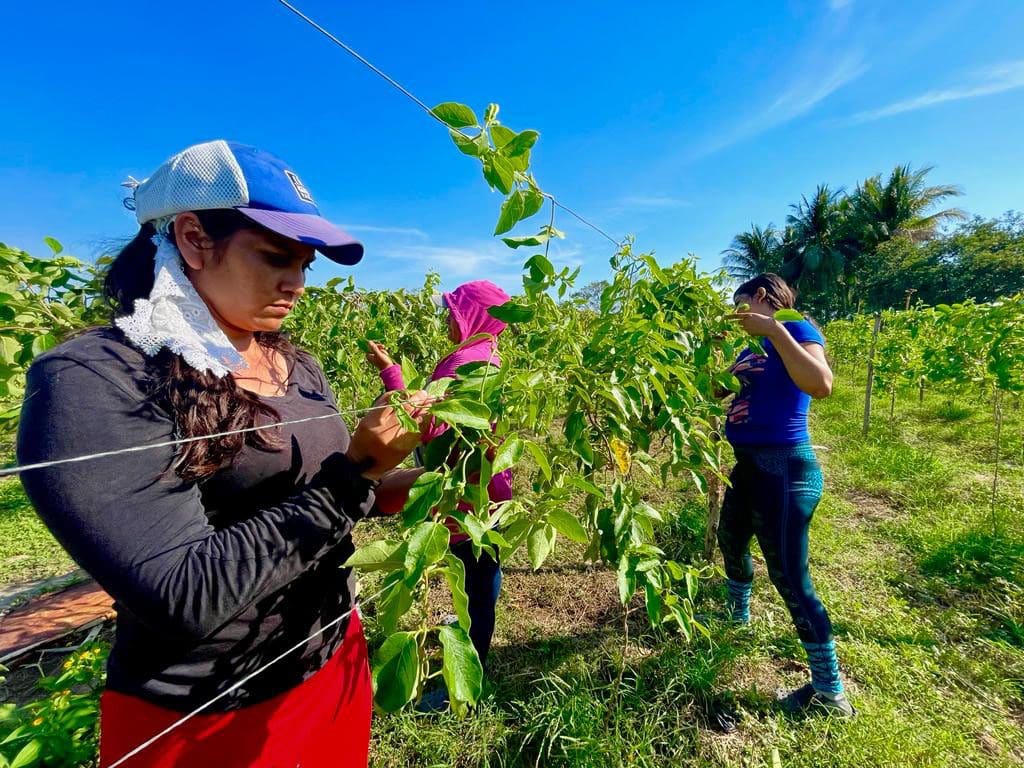
EL ACHIOTAL, El Salvador Under an intense sun, the extended Marroquin-Gavidida family—mothers, daughters, aunts, wives, and nieces—work the fields together. They dedicate their efforts to growing loroco cuttings in a special nursery built for their production, part of an effort to foster rural development and eradicate hunger locally.

Guillermo Marroquín compares the loroco with a rose; it flourishes with a woman’s light touch versus that of a man. He says the hands of the women in his family have a special touch to make the plant bigger and more robust, ensuring that its leaves are greener and that it develops faster.

About 32 people total work on the farm. The men carry out the heaviest labor-intensive tasks, while the women handle the production of cuttings and the care of the plants. They do most of their work at night, filling the days with cooking and family time.  

All photos by Beatriz Rivas

Displaced indigenous community living in Bogotá park demand basic rights, security

Ángel Queragama
Interview Subject
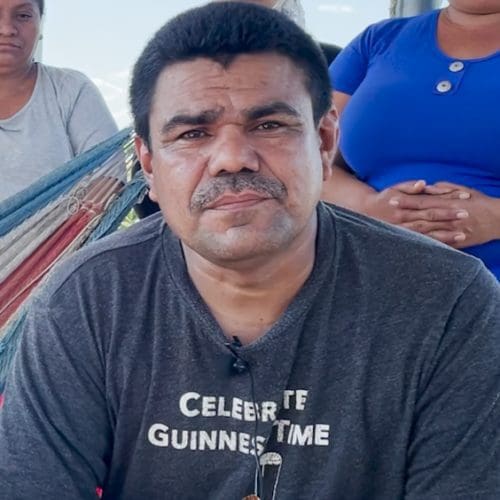
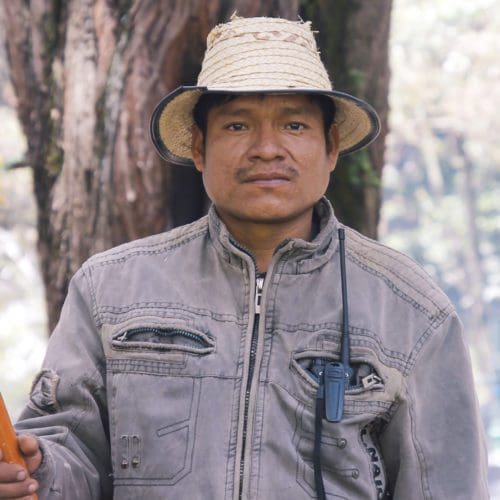
Ángel Queragama is a member of the indigenous Embera Katío community, one of the most affected by the Colombia’s years of armed conflict between the government and guerilla groups. He lives in the Bogotá National Park with his wife, four children, mother-in-law, sister-in-law, and nephews.

Ángel left his territory in the municipality of Pueblo Rico, in Risaralda (located in the center-west of Colombia) in 2016 due to the presence of armed militants who threatened the community in general and the indigenous population in particular.
Background Information
According to Colombia’s 2018 population census, the country’s indigenous population is 1.9 million people, 4.4% of the total population. There are 115 indigenous populations in the country, of which 68 are at risk of physical and cultural extermination due to causes associated with Colombia’s long-term internal armed conflict.

These causes include “dispossession of land, terrorist acts, threats, crimes against sexual integrity, forced disappearance, displacement, homicides, landmines, loss of movable and immovable property, kidnapping, torture and involvement of children and adolescents in the armed conflict.”

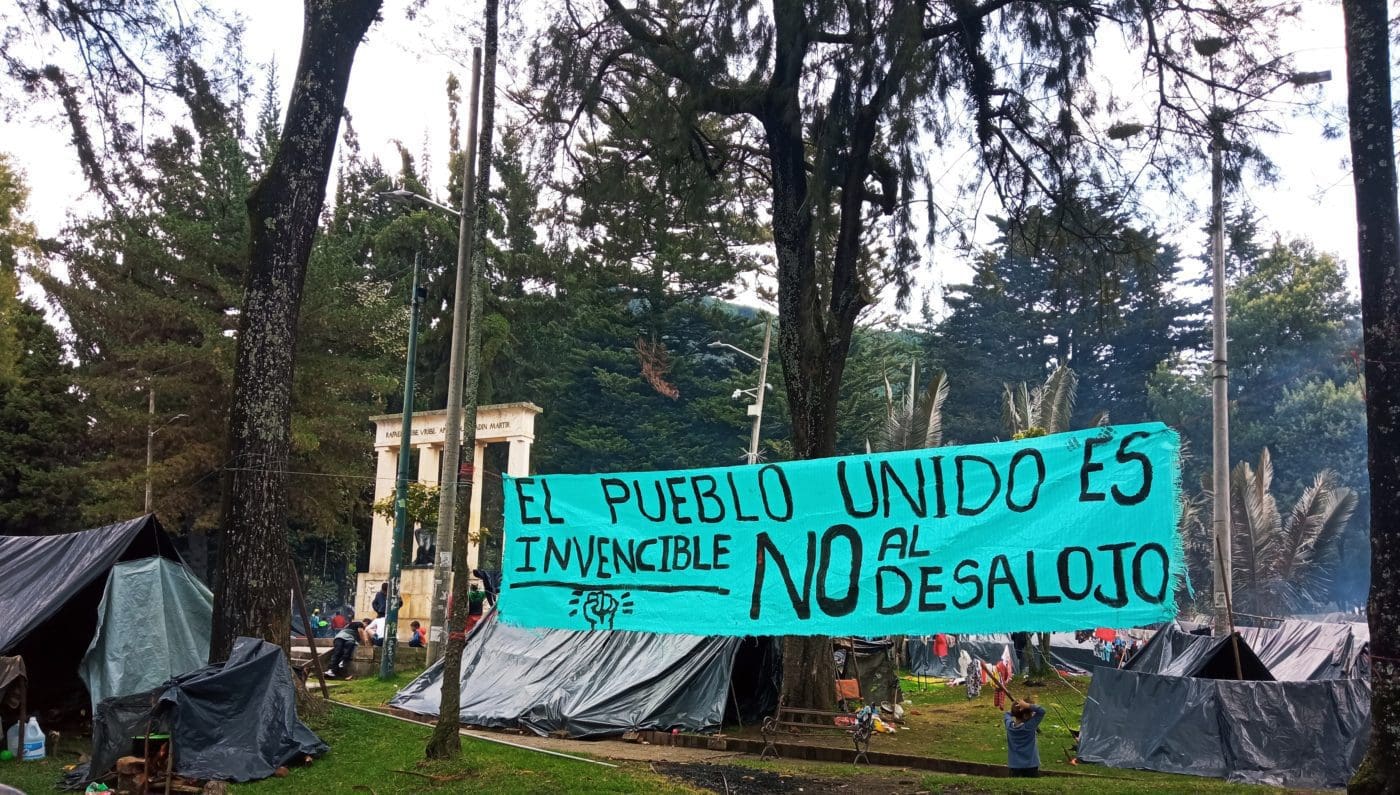
More than 1,300 fellow indigenous people from 13 different communities all over the country—mostly women, children and elders—have been living at Bogotá National Park in make-shift shelters since September 2021, after food and housing subsidies ran out. They are demanding for their basic rights to be met and a guarantee of safety before returning to their territories, waiting for someone in government to resolve this humanitarian emergency.  

Despite an extension of the Victims and Land Restitution law and a recent guardianship stating that the Bogotá mayor’s office is obliged to guarantee the displaced basic health, food, and access to drinking water, park residents have seen little progress.

BOGOTÁ, Colombia—I left my land six years ago, threatened by the armed groups there. I cannot return—they will kill me. There are no safety guarantees, even after all these years. Now, my family and I live in makeshift shelters in Bogotá National Park, waiting for the government to provide the protections we need to return to our homes.

We left our territories due to armed conflict and violence between the government and guerrillas and paramilitary groups and will not withdraw from this park until the national government fulfills its promises of security, housing, employment, education, and health. We are not going to vacate until they guarantee us decent living conditions.

The national government and the mayor of Bogotá have to understand that the danger still persists. We have nowhere else to go until we can return and live secure lives where we came from.

One more displaced person in a country of displaced people

Prior to moving into the park in September 2021, I lived in the Santa Fé neighborhood, one of the most dangerous in Bogotá. We lived in a room in what is known as pagadiarios: old, abandoned mansions that are in crumbling and unsanitary conditions. However, I sometimes couldn’t raise the money to pay for the room, and that’s why we came to the park.

More than 1,300 of us live in the park; about half are children. We live in informal tent-like shelters, or cambuches, in the park, and some do not even have that for protection.

It is so cold here, with temperatures that dip below freezing in the mornings, and it rains a lot—we struggle to protect our families from the elements. The climate is harsh and hard to endure as an adult, and even harder for children and babies. Some of them have been hospitalized due to the harsh weather conditions.

Those of us who belonging to a permanent minga, or a group collectively advocating for their communities and indigenous rights, belong to 13 indigenous peoples, with 13 different languages. Most of them do not speak Spanish and none of them have anywhere else to go, nor the money to obtain more permanent or healthier housing.

Without food, housing, and decent conditions

We have endured many days with only lentils and rice to eat, and many others with rice alone. Adults and children are losing weight. Some passers-by and neighbors give us clothes and food, but it’s not enough. The government gives us nothing.

Too many days, we can’t find a market for our handicrafts or opportunities to work, and that’s when we have to beg on the street.

Each family cooks in their cambuche and collects firewood and water. To evade the cold, we sleep piled up, like pigs, under plastic. The children often wake up crying.

The Colombian Family Welfare Institute comes almost daily to weigh the children and give those who are underweight flour as a food supplement. Sometimes the Ministry of Health arrives with ambulances. That’s the only institutional support we receive.

Seeking a dignified life

The government discriminates against us, a prejudice we have experienced since colonial times when the Spanish came to loot us. Nothing has changed since then; we are second-class citizens. They have killed us, stolen our gold, and taken our land. We even feel discriminated against by other indigenous people and indigenous organizations.

We are going to continue pressing the government until it fulfills our right to a dignified life.

Our group has requested several times for the mayor of Bogotá, Claudia López, to give us an audience, but she has not shown her face—instead, she sends us to uninformed delegates who cannot establish commitments or the Mobile Anti-Riot Squad (ESMAD). We have not received anything from the district administration, only pressure to return to our reservations.

However, we do not want more massacres, more violence, more discrimination. We cannot return until our safety and ability to provide for ourselves is guaranteed. 

Students, activists protest oil pipeline construction near Canadian high school

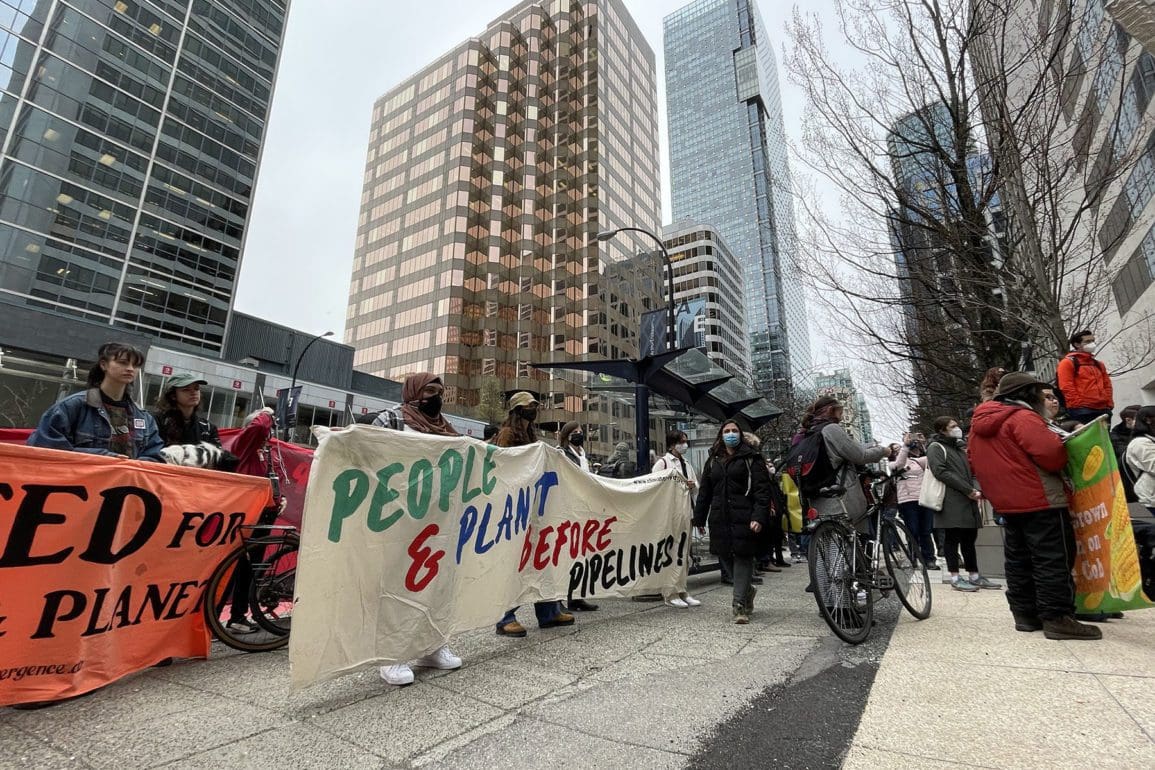
BURNABY, British Columbia—Around 100 activists, students and community members gathered outside Vancouver City Hall on Friday, March 25 to protest the construction of an oil pipeline within 100 meters (328 feet, or roughly the size of an American football field) of Burnaby Mountain Secondary School.

The project is an expansion of the Trans Mountain Pipeline, operated by Trans Mountain Corporation. It will increase the pipeline’s capacity from approximately 300,000 barrels per day to 890,000 barrels per day and has an estimated completion date of summer 2023.

Protests of the expansion have been occurring regularly for the last month, both in front of city hall and at the construction site itself.

All photos by Kevin Eugenio Tovar Aguilera

Supporters show up for International Women’s Day in Colombia

PEREIRA, Colombia—Members of feminist organizations and social groups in several cities in Colombia—including Bogotá, Cali, Medellín, Armenia, and Manizales—went out to march on March 8, in commemoration of International Women’s Day.

In Pereira, the Risaralda Women’s Meeting, through cultural and artistic events, gathered together women to demonstrate against gender-based violence and the violations of fundamental rights faced by women in Colombia. Reports of sexual abuse and rape more than doubled in Colombia in the 20-year period from 1999-2019.

They also made a call to demand justice and claim themselves as essential agents for the transformation of society. 

All photos by Margarita Rosa Rojas Torres

‘Causa Justa’ at last: Colombia decriminalizes abortion up to 24 weeks

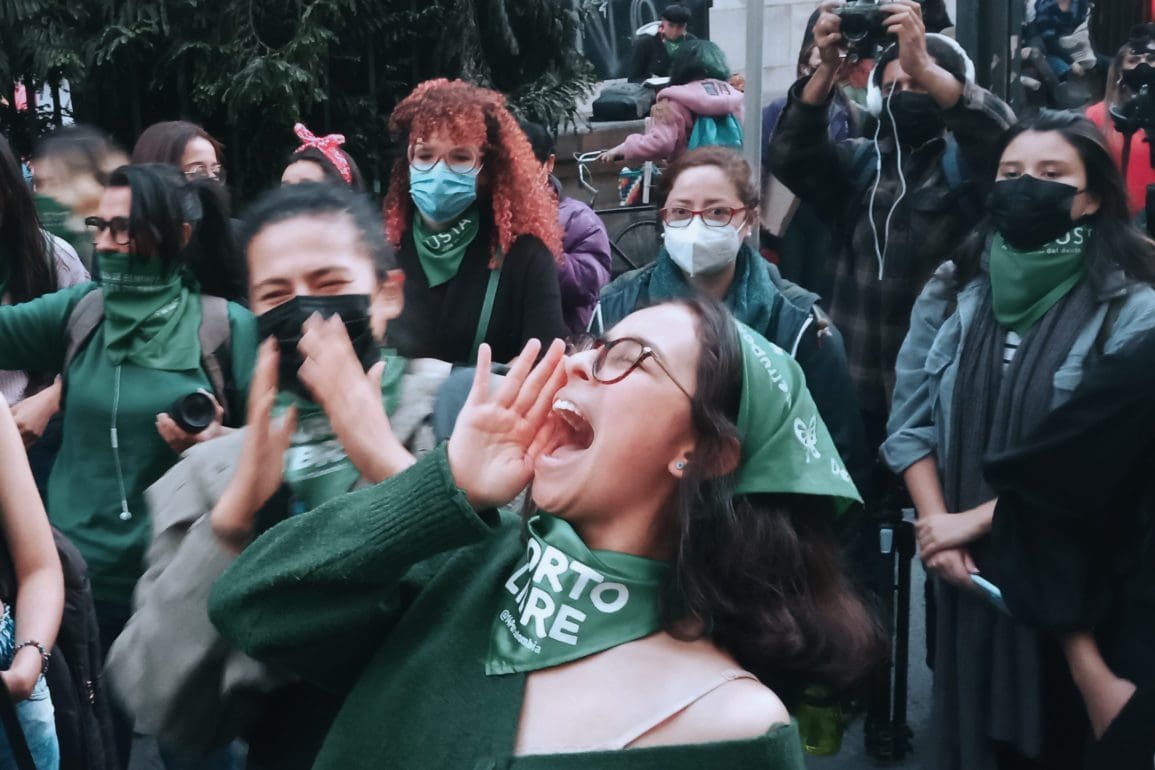
BOGOTÁ, Colombia—Demonstrators and activists for the decriminalization of abortion filled the street in front of the courthouse in Bogotá in celebration on Feb. 22, 2022, one day after the Colombian Constitutional Court legalized abortion up to the 24th week of pregnancy.

In Colombia, abortion has been legal in cases of rape or incest, unviability of the fetus, and risk to the mother’s life or health since 2006.

However, the country’s Penal Code continued to classify abortion as a crime with a penalty of up to 54 months in prison, without adjusting to the 2006 ruling. Stigma and this ambiguity created barriers to access even when a case met the legal requirements.

Advocacy organization Causa Justa has led this movement to decriminalize abortion in Colombia for the last several years. More than 500 days passed from their lawsuit filing and the court’s decision on Feb. 22.

All photos by Mariana Delgado Barón

Discovering an ecotourism passion deep in the Amazon

Nicolás Latorre Rodríguez
Interview Subject
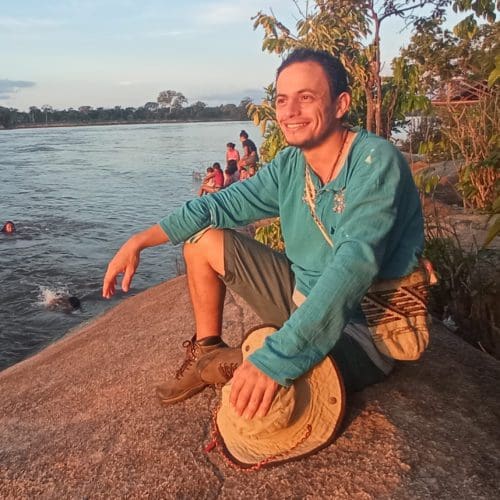
Nicolás Latorre Rodríguez, 29, is a native of Bogotá. For more than nine years he has lived in Inírida, the capital of the department of Guainía, and since 2018 he has led an ecotourism project in this region: Nofako.

He is a lover of orchids and considers plants to be his great advisers or teachers; when he has a problem he wonders how they solve their deficiencies and how they adapt. Nicolás continues to explore new routes in this region of Colombia in order to welcome those who feel the call of “the land of many waters.”
Background Information
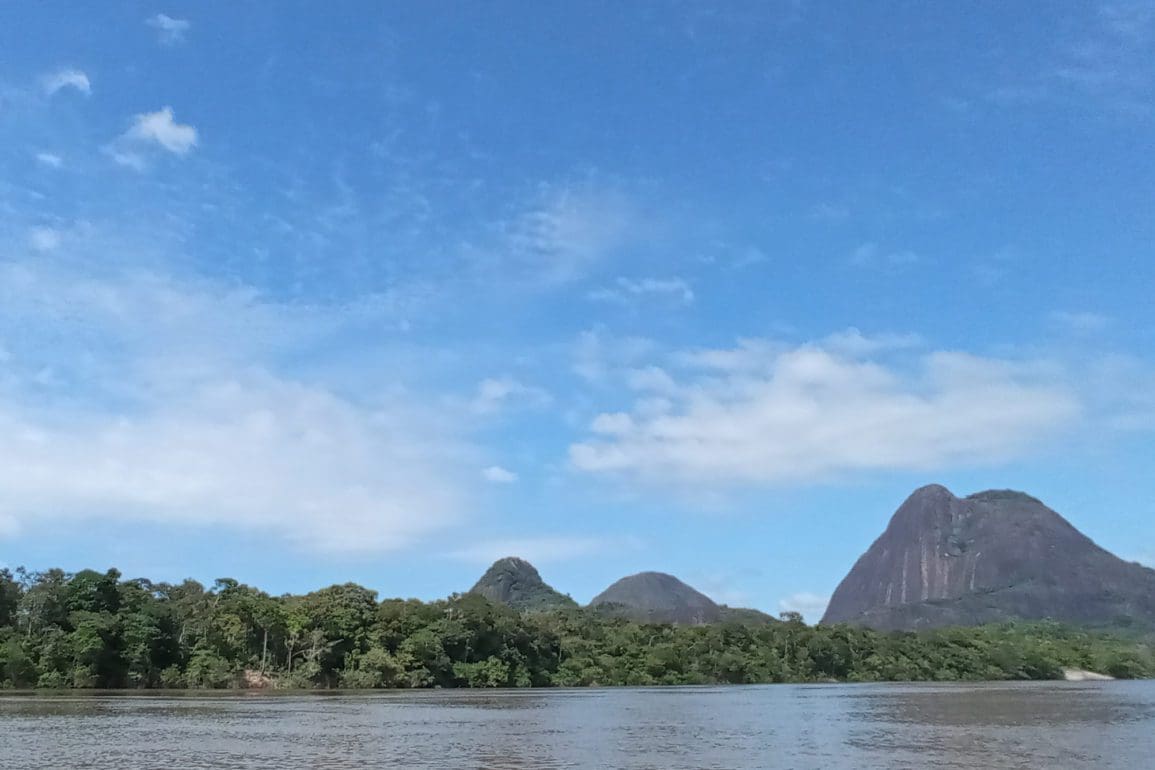
Guainía is a department of Colombia, rich in biodiversity, home to the famous Hills of Mavicure and inhabited almost solely by indigenous communities, including the Curripacos, Puinaves, and Cubeo.

In the indigenous language, Guainía translates “land of many waters.” The best example of this definition is the Inírida Fluvial Star (sometimes called the Humboldt Fluvial Star), whose epicenter is made up of the network of water bodies of the Atabapo, Guaviare and Inírida rivers. These come together to form the Orinoquía and Amazon basin ecosystems.

INÍRIDA, Colombia—At 19 years old, I was searching for my next step.

I grew up in Bogotá and had studied music at a university there, but I had to leave because of finances. I decided to backpack through Colombia after that, resulting in the theft of most of my belongings. With just the clothes on my back, I returned to Bogotá, but not for long.

My parents gave me the air ticket to come to the Guainía region for the first time, and there began my process of leaving behind many things, things that did not fill me, that did not allow me to be happy.

I ended up in Guainía because of a great uncle who was a vaccinator in the hospital. He traveled alone through isolated communities to vaccinate people. They still remember him. There are even remote places in this territory that I have come to and when they ask me who I am, I answer that I am Misael Mora’s nephew and that has opened many doors for me.

Though my uncle got sick and had to go live in Meta in eastern Colombia, he also lived in Vichada, in the middle of the neighboring Orinoquía region. These lands have that power and that magic to trap people.

Discovering paradise

When I arrived in Inírida for the first time, residents often told me I was going to stay. The truth was, I was looking for independence; I already had left my parents’ house and the place I grew up, and I did not want to stay in this city either. However, when I found this place, it seemed to me that I was living a dream, it was a kind of déjà vu.

Here, they use a term that is associated with being in love, with feeling marveled and attracted: “push.” It’s probably a word in some indigenous language, I don’t know, but what I do know is that this place “pushed” me. I was attracted by the essence of the Amazon, by the history of the ancient peoples who have inhabited this place, by the incredible aromas from the multitude of flowers and plants.

Sometimes I miss the Andes mountains of my hometown, but I never ceased to be amazed by this place that I now consider my home. Getting to know this jungle, all this immensity, has been the trip of my life.

What struck me the most the first time I came was that I found places that I had dreamed of. At that time I drew a lot, especially abstract things, and I wondered about the limit of what nature could create. She herself showed me just what was possible.

‘Nofako’ is born, but stalls due to funding

Before starting this project, I felt that my passion was music, the arts—certainly not tourism. I even worked as a musician and also doing workshops with local communities for the Ministry of Education. That allowed me to get to know many places in Guainía, as well as their social and environmental contexts. When I was not working as an instructor, I was a craftsman, making dream catchers that paid me months of rent.

I started exploring various places with friends, I organized everything for them: transportation, food, logistics. Then, I did it without charge, for the pleasure of walking and traveling.

In 2012, I made the first trip to the hills of Mavicure; I’ve made that trip more than 30 times since. It is a magical and powerful place.

My ecotourism proposal, Nofako, which means “I am a river of dark waters,” was born in 2018 with the initial idea of ​​setting up a hostel. With a friend, we presented the proposal and won some entrepreneurship courses and some funding from the Ministry of Science and Technology of Colombia.

We already had everything ready to start the hostel venture, but the governor at that time stole that money and ended up in jail while we ended up with no resources to get the project going. They did teach me how to build out the proposal, though, and the project and ideas were ready to go.

Building an ecotourism dream from butterflies and flowers

I no longer had the resources for the hostel, but I did have a friend who wanted to set up a butterfly farm. I suggested that we do it together and also include the theme of orchids. We adapted a small lot I owned and started holding environmental education workshops. However, in March 2020 the COVID-19 pandemic arrived in Colombia, and we had to suspend everything.

All was not lost. That year, we worked and improved our land. We also began to rescue orchids and bromeliads from deforested areas, and this ex-situ conservation led us to consider the idea of ​​expanding our venture. Due to the lot’s small size, we began exploring new paths and different routes, which led us to travel forgotten ancestral paths. We want to retake them within the proposals of the ecotourism routes that I promote through Nofako.

Our dream is to be able to bring development to the local communities through tourism—that they are the main beneficiaries. It has not been easy, and other significant problems—deforestation for the benefit of livestock, as well as logging and burning—also threaten the area.

A lot of jungle has fallen in the ancestral territory, and surrounding Inírida, many lots with cattle exist that were previously mountains, jungle, forest. Knowing this is also part of the experience of visiting this region.

Before starting this Nofako project, operating a eco-tourism business never crossed my mind. But when I made the decision to stay on this land, I did so with the conviction that it would only be with the mission and purpose of being a bridge between travelers and the indigenous communities of this territory.

Fight for Abortion Decriminalization Continues in Colombia

BOGOTÁ, Colombia— The day was Sept. 28: International Safe Abortion Day. The streets of Bogotá filled with crowds protesting for the decriminalization of abortion in their country.

The protest had an increased urgency, as that very issue is due to be settled in Colombian Constitutional Court in the coming months. A Nov. 19 deadline has passed with a postponement of a lower-level matter that will further extend the timeline for the debate.

In Colombia, abortion has been legal in cases of rape or incest, unviability of the fetus, and risk to the mother’s life or health since 2006.

However, article 122 of the Penal Code continues to classify abortion as a crime with a penalty of up to 54 months in prison, without adjusting to the 2006 ruling. Stigma and the current ambiguity surrounding abortion creates barriers to access even when a case meets the legal requirements.

Bogotá gripped by protests as seen through two photographers

Interview Subject
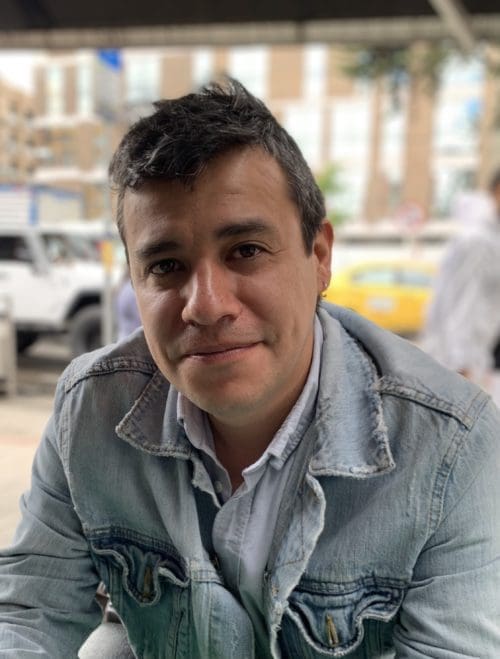
Alvaro Piedrahita is a 34-year-old architect living in Bogota, Colombia. He worked for various construction firms and managed his own architectural businesses, but the Colombian economy was not favorable. After leaving the country, he returned in the hopes of helping create positive change.

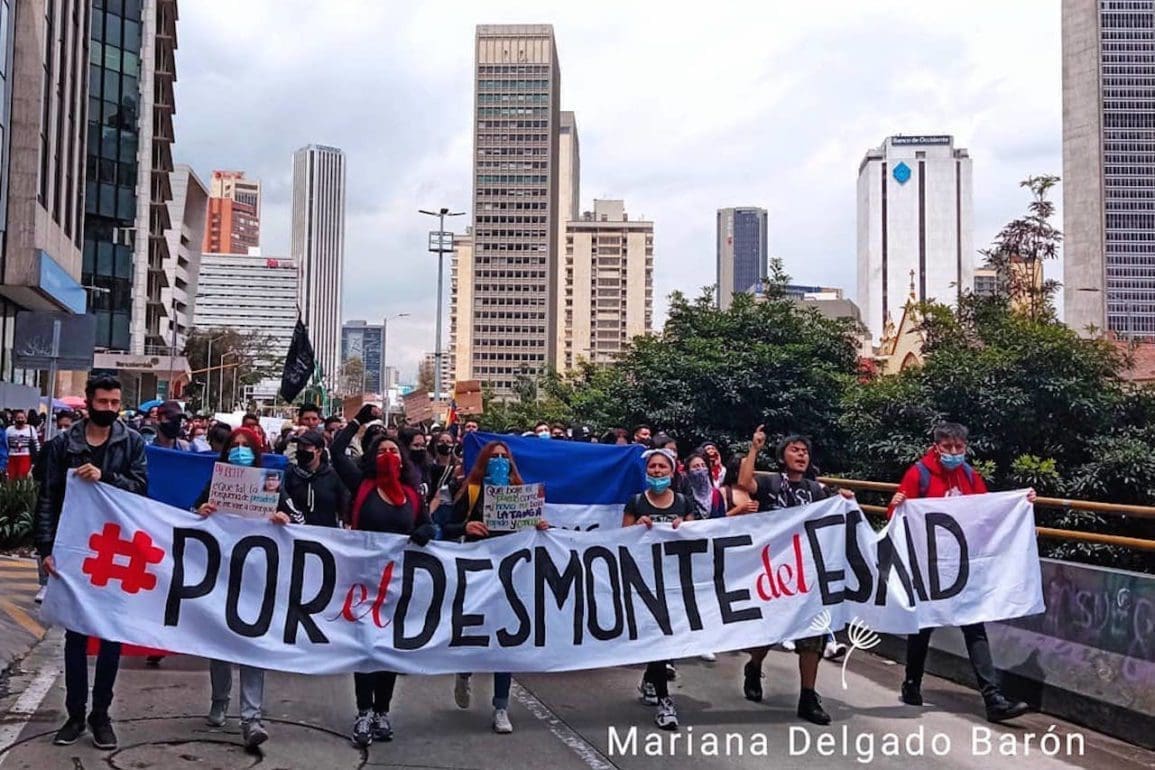
A firm believer in nonviolence, Alvaro participated in the Colombian National Strike and was a first-person eye witness to the brutal police response.
Background
On April 28, 2021, mass protests erupted in Colombia as a response to a fiscal reform presented to congress by the president. These protests came after a year that saw drastically reduced income on middle and lower class households in a country where poverty rates reach 42%.

Massive protests had already been held during November 2019 in response to the ongoing persecution and assassination of community leaders and guerrilla ex-combatants, environmental and economic policies, and the national government’s lack of progress in the establishment and compliance of the peace accords signed with the FARC guerrillas. These protests left at least 3 fatalities and hundreds wounded after a violent crackdown by police forces.

Protests erupted again between Sept. 9 and 21, 2020 in response to the beating and killing of the civilian Javier Ordoñez by the hands of the police. On this occasion, 13 civilians were killed and 54 were injured by gunshot wounds. More than 200 were injured by blunt weapons.

Lockdowns implemented during the COVID-19 pandemic put a stop to the protests in the streets but the discontent was never addressed. The presentation of fiscal reform was the trigger that unleashed the most recent wave of violence in the main cities of the country. As a result of the 2021 protests, President Ivan Duque withdrew the tax proposal, and Finance Minister Alberto Carrasquilla resigned.

BOGOTA, Colombia – On April 28, 2021, I took to the streets to exercise my God-given right to protest peacefully. Together with other citizens, we demanded change.

My government answered our demands with tear gas and flashbangs, but they cannot extinguish my voice or my hope for the future of my country.

I immigrated back to Colombia in January to contribute to a better and more equal society. I never imagined these efforts would become life-threatening.

Despite a strained economy, Colombian architect came home to create change

For years, I worked as an architect in Colombia’s construction industry. On three occasions, I opened my own business and on three occasions, I had to close them down. High tax burdens and an unstable economy constantly pushed me back to square one. Eventually, I left Colombia for more stable opportunities.

My desire to contribute to my country through my work as an architect remained unchanged; I always wanted to broaden my experiences and return home to practice.

When I finally returned to Colombia in January 2021, the country’s general situation had worsened. After a year of lockdowns due to COVID-19 and little relief from the government, I felt tension in the streets.

Unemployment and poverty reached uncontrollable levels and there was a general feeling of desolation. People experienced a complete lack of empathy from the establishment.

By April, a tax reform proposed by the executive branch had people talking. The reform would place further tax burdens primarily on lower and middle-class families already choked by poor employment. When the reform went to congress, all hell broke loose.

On April 28, the general strike in Colombia began, met almost immediately by strong and violent repression from the national police forces. 

28 million Colombians engage 31 days of protests

By May 28, citizens persevered through a full month of uninterrupted protests. Sadly, the number of casualties mounted, and the whole world saw it. Excess force and police brutality were on display through live social media transmissions.

I believe in the power of peaceful protests, so I joined the demonstrations that day, expecting nothing more than a show of discontent.

Protesters planned several assembly points throughout the city. Massive gatherings included music and cultural displays. I would join friends at the Monumento a Los Héroes [Monument of Heroes] on the north side of Bogota. A crowd gathered to hear the bands play.

I arrived at the transit station around Noon to meet my friends. Thousands of protesters filled the streets leading to the monument and a huge Colombian flag hung from a pedestrian bridge. The sheer volume of people – and the hundreds more arriving by the minute from every direction – was unbelievable.

Never in my lifetime had I seen a demonstration of this scale. The youth represented a major portion of those present, but something felt out of place. As I walked around, I realized there were no police forces to be seen. I anticipated an afternoon of music and calls for change.

My expectations quickly changed when I walked just a few blocks east for lunch. Sheltered behind a long building flanking the Monumento a Los Héroes, at least 100 police officers stood waiting. In full riot gear, with some on motorcycles and in armored vehicles, they stood ready to storm the Monument. 

Despite a peaceful people, police violence erupts in Colombia; protesters still missing

Despite their lingering presence, the afternoon moved forward with a major disruption. The image of the police, however, remained burned in my mind.

By 11:00 p.m., most of the bands played and protesters headed home. The first police squadrons appeared from either side of the building they stood behind throughout the day. The intimidating sight of the riot squad provoked anger and animosity among the protesters still present.

Objects started flying. I cannot say who or how it started, but the objects thrown back and forth led to loud bangs, smoke, tear gas, screams, and people scattering as they became desperate for shelter.

The police forces advanced in a pincer movement [a military maneuver where forces attack both sides of an enemy formation]. The method trapped groups of protesters in a small plaza between the Los Heroes transit station and the monument itself.

As the burning sensation from the tear gas took over, I ran west hoping to escape. In doing so, I lost my friends. A general feeling of confusion and anger swept through me.

I do not know how many people became trapped whereas I escaped. I cannot tell you how many were detained that night, or remain detained today – held without charges in temporary detainment facilities.

Reports of missing protestors increase daily. Through luck, I am not a name on a list. Still, questions remain. Why did the police attack a gathering that was ending willfully and peacefully? Who ordered them to proceed? Is this response from the government an appropriate answer to the justified pleas of the people?

In the past, when I watched events like this unfold on the news, I doubted the establishment or police force could be so crude and insolent. Today, I see they need no provocation to confront protesters with violence.

They only need an order from above.

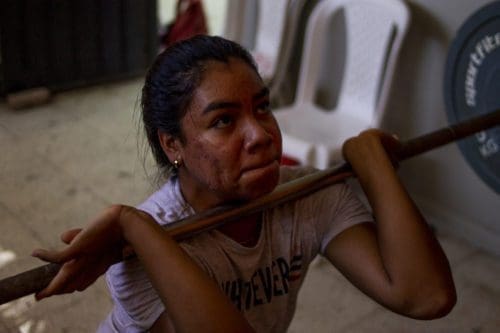
Becoming the best youth cyclist in Colombia (Photo Gallery)

Interview Subject
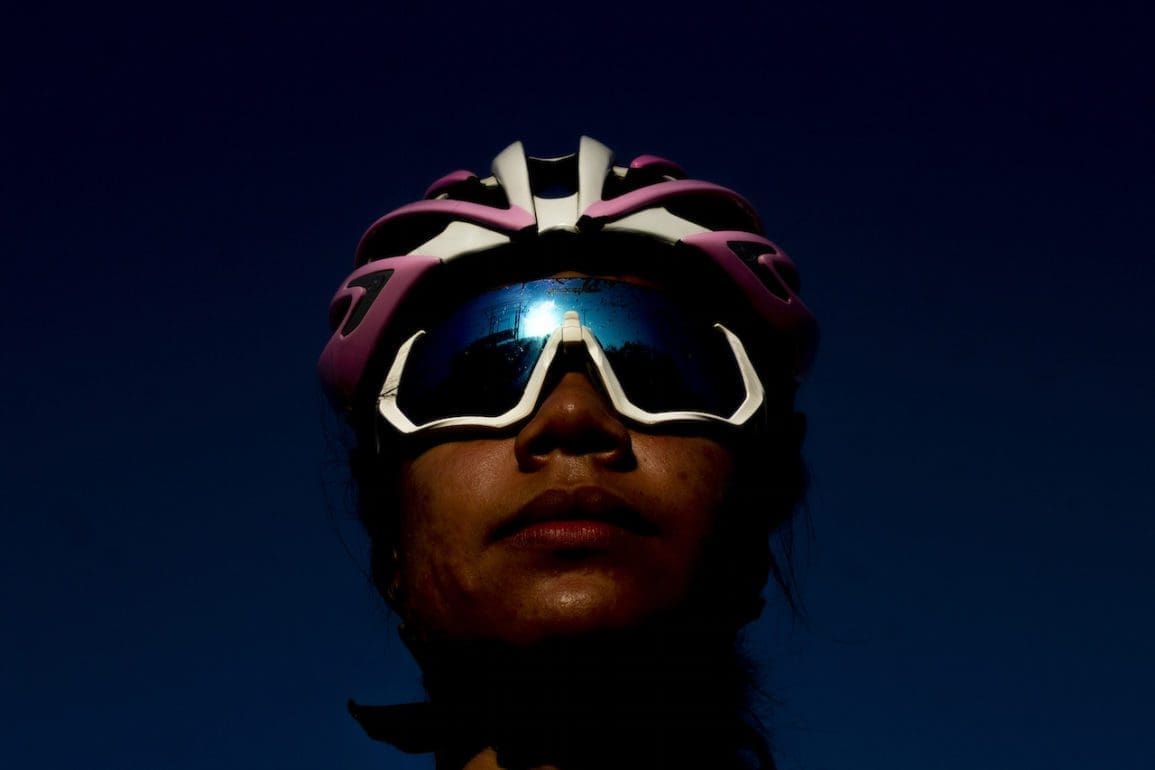
Marianis Salazar Sánchez is the 2019 Pan American Junior Track Cycling Champion.

She lives in Barranquilla, Colombia, a city where track cycling is known for its speed talent. The cyclists, who are mostly men, train at the velodrome. She is one of a small number of successful female competitors.
Background
Marianis Salazar Sánchez belongs to the generation of cyclists born in the 21st century in Barranquilla, Colombia. A city with more than 1.2 million inhabitants, according to data from the 2018 census. This city has only one velodrome, inaugurated in 1992, and a recent history of male champions trained in this one setting.

Colombia’s Atlantic region track cycling had pioneers José Caballero in the 70s and 80s, the first to compete in track events without even having a velodrome in the city. Then, with the inauguration of the velodrome, national champions such as Rodrigo Barros and Jhonatan Marín came on the scene. They helped make up the Colombian team, and medalists in the 2006 Central American and Caribbean Games.

Marianis Salazar’s appearance, and her results in the Pan American Games, made her the woman with the best representation and podium performance in this modality of cycling.

From 2018, when she debuted in a national cycling event, and until halfway through 2021, she has won 17 individual finals (four in Pan American Games) and three team finals in eight championships. In her debut in an Elite Pan American Championship and competing above her age group, she won a bronze medal in Peru.
 
In June 2019, a year after her appearance, Salazar Sánchez set a Colombian record for youth in the 500 meters in Medellín with a stopped start: 35 seconds and 186 hundredths. Being a junior, the Barranquilla cyclist beat the record of Martha Bayona from 2003 and was established in the Junior Pan-American Games, according to the Colombian Cycling Federation.
Since that day, Marianis Salazar and her coach Ricardo Moreno aim to set a world record in the youth 500 meters.

Colombia has been developing a program called PAD Pista since November 2020. It is a program for advanced talent in track cycling, which has allowed it to have 1,8,500 young people under 20 years old training and competing. Only five women and 22 men reached the phase of the project that will choose a selection for the Pan American Cycling 2021.

Colombia has had three women with world track titles: María Luisa Calle (2006) in seniors, and youth Jessica Parra (2013) and Camila Valbuena (2014), but all three in semi-fund events; that is, athletes born at more than 1,000 meters above sea level and for their specialized training in long-breath tests.

Marianis Salazar wants to be the first sprinter at the top of the world with the Colombian flag. She trains at sea level, and her talent is giving symptoms that she will try.

With more than 46 million inhabitants, Colombia has only 11 departments (32 has the country) with cycling leagues. This number was the one that participated in the Nacional Juvenil de Cali 2021.

Only seven cities in the 11 leagues have a velodrome, and six of those venues are more than 900 meters above sea level. Colombia is a country of road cyclists trained to climb mountains, significant climbs, and medium distance events.
The Atlantic Cycling League with Marianis Salazar is an exception to that rule for older riders.

The Atlantic Cycling League has 15 affiliated clubs, of which only two train in the track mode, and 354 athletes are affiliated. The track, BMX, road, and freestyle modalities are the modalities that these clubs train.

BARRANQUILLA, Colombia — Not everyone can be an Olympian in Latin America.

At 18-years-old, I am a 2019 Pan-American junior track cycling champion. My next goal is to be on the podium of a junior world championship.

I have overcome injuries, a pandemic, and financial challenges to chase my dream.

Sidelined after my 2019 win

After being the fastest cyclist in the 2019 Junior Pan American Championship, I had great expectations. I graduated from high school in 2020 and hoped to go to my first World Cup.

Then, the pandemic put my dreams on hold.

With no competitions, and with training limitations due to quarantine, I gained weight and my body began to change.

[As competitions re-opened], I experienced my first serious injury. During a race, I was staring at my front wheel, watching who was in the front.

Suddenly, my bicycle stopped, and I saw everything upside down, like in a movie. When I woke up, I felt the total weight of my body on my right shoulder.

I fractured my right clavicle.

As the minutes passed, the pain grew. Tears were falling from my eyes. After several hours and multiple hospitals, doctors said they could operate, but not for 21 days. The pain was unbearable.

Thanks to the insistence of my dad’s friend, we obtained an appointment two days later and I had surgery.

Getting back to competition proved difficult

Just when I was ready to go back to the track, my dad began experiencing tremendous pain in his arm and on the left side of his chest. When he arrived at the emergency clinic, they admitted him for heart disease.

My dad works as a driver and earns his income through the amount of work he completes. My mom sells beauty products. After being hospitalized he had to cut back on his work schedule.

My brother [from whom I inherited my love of track cycling] had gone on to be a foreign trade professional, and he helped to replace our primary source of income. With no insurance, my family’s savings was expended, covering my accident and injuries.  

We received some government support, but my sport requires a lot of support from my family. We have to buy implements, wheels, tools, helmets, shoes, glasses, ties, belts, tubes, food to maintain my ideal weight of 70 kilos (154 pounds), physical therapy, and a psychologist – all to remain competitive.

I do not have a sponsor.

Defeating highly trained athletes in Peru

Once my health and financial problems were solved, I wanted to stay at home to take care of my family’s needs. My brother helped me.

Then, with no warning, a few days before the new year, he tested positive for Covid, forcing us to quarantine. Once again, I was locked up and unable to train.

My coach Ricardo Moreno ensured I went back to training with weights so I could return to the ring.

After our negative streak, everything began to improve. I hadn’t competed in 23 months, then I went to my first Elite Pan American Championship in Peru. I won a bronze medal in the 500 meters.

Being on an Elite podium as a youth was a huge achievement. I beat the Guatemalan Johan Rodríguez, a cyclist who trains at the High-Performance Center of the International Cycling Union in Switzerland.

Although I was able to beat an opponent with more experience, I knew I had to keep learning and training hard.

Months later, my teammates and I managed to win seven finals in the Junior National Championship. A number of Colombians – including me – have shown to be the best in speed tests.

Woman’s Everest speed-climb record came after near-death attempt

Ada Hung
First-person source
Originally from Hong Kong and now living in Mainland China, Ada Hung runs a global management training company that mostly employs young people. 

Her dream is to start an international women’s climbing team comprised of mostly women from developing countries and to raise money for Nepalese infrastructure near Mount Everest. 

Ada Hung, also known as Tsang Yin Hung, became the first woman from Hong Kong to scale Mount Everest in 2017. She enjoys every type of sport including biking, kayaking, and trail running. 
Background
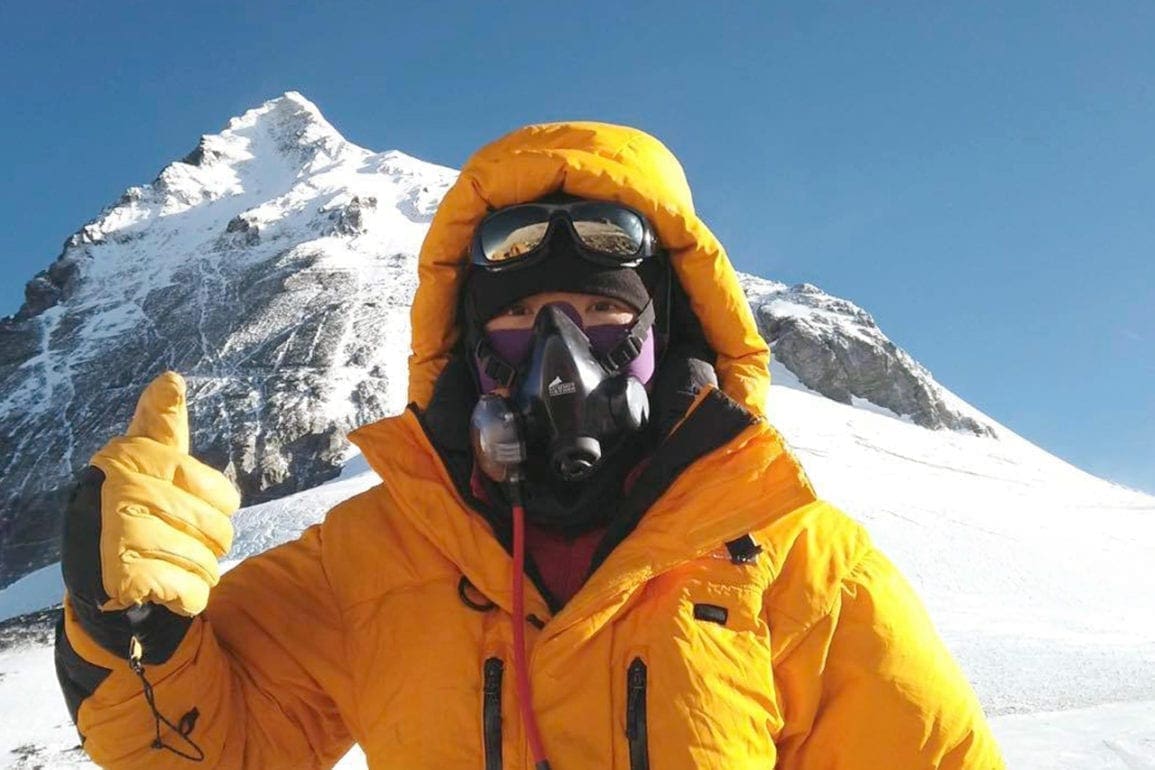
Ada Hung, 45, became the fastest woman to climb Mount Everest on May 30, 2021, when she scaled Earth’s highest peak in 25 hours and 50 minutes. 
She beat the previous record, set by Phunjo Jhangmu Lama, by more than 13 hours. 

Nearly 800 people attempt to climb Mount Everest every year, but there have only been 4,000 people, to successfully ascend the mountain in all of recorded history.

Since 1922, there have been more than 300 deaths in the pursuit of summiting Mount Everest.

ARKHALE, Nepal — Everyone wants me to talk about how I climbed Mount Everest in 25 hours and 50 minutes, faster than any other woman in history.

The truth is, I stared down death less than three weeks before my famous summit.

On May 11, 2021, I set out from Base Camp to climb Mount Everest for the third time. It would be my first speed climb attempt.

The weather forecast called for clear conditions and set the scene for a perfect ascent.

Everest was devoid of climbers that day apart from myself and the four Sherpas assisting my journey.

The air was still and quiet, perhaps too perfect.

I reached 8,500 meters above sea level to what’s known as the Balcony without issue.

A perfect storm

That’s when the weather transformed into a perfect storm.

Wind and snow suddenly began to blow at 65 km/h, completely taking us off guard.

The Sherpas and I were just 349 meters from the summit of Earth’s highest peak, but the situation was rapidly changing.

No one could rescue the Sherpas and me from that kind of altitude. Helicopters and planes can’t access the side of a mountain like Everest at the height of the Balcony.

We decided to tough it out, thinking the storm would dissipate because the forecast called for calm weather.

The snow became thick, and our goggles were coated with ice.

Taking them off would freeze our eyeballs and leave us permanently blind.

We’d reached the 8,750-meter mark after two grueling hours in the storm, taking our place at the South Summit.

So close

The top of Mount Everest was just 100 meters before us when the Sherpa behind me tapped me on the shoulder.

Time to turn back, he told me, and I agreed.

The danger was too great, and Mount Everest wasn’t going anywhere.

We descended back down the mountain to Camp 4, at 7,924 meters above sea level, in about an hour and a half.

The other two Sherpas who were waiting there for us thought we had died, or at best, gotten frostbite.

When I came into the tent, the Sherpas quickly took off my gloves and felt my hands.
Shocked, they asked, “Ada, why aren’t your hands cold?”

Knowing your body and its limitations is the key to mastering Mount Everest.

I packed three types of gloves, extra oxygen masks, and I climbed 5,000-meter mountains multiple times per day ahead of this year’s journey.

Speed-climbing a different beast

Training for a speed climb of Mount Everest is entirely different than a regular climb.

I rode my bike from China’s Sichuan province to Tibet, from Tibet to Guangxi province, crossing more than 5,000 kilometers in the snowy mountains.

Many people approach climbing Mount Everest with too much confidence.

They may be solid at low altitudes, they may have experienced climbing other mountains 8,000 meters above sea level, but the altitude on Mount Everest is just different.

Many experienced climbers become weak somewhere between Camp 2 (6,400 meters) and Camp 4 (7,924 meters).

My first two attempts to climb Mount Everest were monumentally disastrous.

When I arrived for my first climb in 2014, an avalanche killed 16 Sherpas, and the Nepalese government closed the mountain to tourists.

Earthquake devastates

Undeterred, I returned the following year when a severe earthquake shook the entire country.

Fifteen people were killed at Base Camp, including five of my team members.

I was severely injured and evacuated by helicopter and then by private plane back to Hong Kong for treatment.

I didn’t return until 2017 when I reached the summit of Everest in four days, becoming the first woman from Hong Kong to scale the mountain, and repeated the feat over the same time frame in 2019.

By the time May 29, 2021, rolled around, I had seen a lot of what Mount Everest could do to a person.

Even more importantly than that, however, I knew my body better than ever before.

Focused training

I became proactive in the training and actual scaling of the mountain, unlike in previous attempts when I had deferred to the Sherpas’ wisdom.

One of the four Sherpas who joined me, Pemba Dorje, is the fastest man ever scaled Mount Everest, reaching the summit in just eight hours.

However, most male Sherpas don’t know a woman’s body, and I kept that in mind throughout my journey.

Two Sherpas would guide me from Base Camp (5,600 meters) to Camp 4, where two other Sherpas were waiting more than 2,300 meters up the mountain.

We left in the afternoon. The sun’s reflection off the snow at Base Camp was so intense that sweat-soaked my socks and clothing.

As I climbed in altitude, the temperature progressively dropped from 20 degrees Celsius to negative 30 degrees.

Changing out of my damp clothing was a matter of survival, but I was also racing against the clock.

No choice but to camp

We were scheduled to change at Camp 2, but I told the Sherpas that wasn’t an option, and we had to set up a tent right where we were.

I went into the tent to change out of my damp clothes and drink hot water while one of the Sherpas retrieved oxygen tanks from nearby Camp 2.

We reached Camp 4 and slept there for the night when a storm found us once more.

The wind ripped into the tent and woke everyone, except for me, leaving the whole team red-eyed.

The Sherpas were mystified by why I could sleep through the frozen night and such a height, but sleeping on Everest has never proven challenging for me.

On May 30, we reached the summit. Other climbers began screaming with excitement, people took out their phones, and exuberance gripped the peak of Mount Everest.

I told my Sherpa, “take a photo and let’s go back down,” I wasn’t there to look around and celebrate.

Descent most dangerous

More than three-quarters of deaths and injuries happen on the descent of Mount Everest. You haven’t survived until you’ve come back down to Base Camp.

I knew the danger of becoming excited, so focus consumed me throughout the entire time I was on the mountain.

The infamous Hilary Step didn’t scare me, and I didn’t look around because I wasn’t thinking about anything except my training.

Everyone loves talking about my 25 hours and 50 minutes to the peak of Mount Everest, but it took many near-death experiences and took control of my climb to get there.

‘Historic day for Argentine women’: Abortion legalized

BUENOS AIRES, Argentina — I still struggle with the ghosts of my traumatic past. 

Memories of a non-consensual sexual relationship haunt me. I was very young and alone. 

I had an abortion in secret because, at the time, it was illegal in Argentina. It was the most painful thing I ever experienced.

It’s a fate I wouldn’t wish upon anyone.

That’s why, on Dec. 30, 2020, I couldn’t miss the celebration for the legalization of abortion in our National Congress. 

This is our fight: that of brave women, those of us who dare to unite to go out to the streets to fight for our rights.

In addition to the legalization of abortion, we fight against patriarchy and unequal power.

It was a historic day for Argentine women.

My reason

I am Andrea López, and I am 30 years old. 

With my three-month-old baby in hand and two friends by my side, I marched towards congress to support the senate in approving the abortion law. My son was happy in my arms without understanding everything that was happening around him.

At times, I want to go back to his age.

The way to the Congress

Goosebumps covered my skin as I saw so many excited women before congress fighting for our shared purpose. 

The people were clad in green—the color that represents our struggle—and violet—the color of feminism. The colors were shown on our scarves, headbands, T-shirts, makeup, and flares. 

As a party invaded the center of Buenos Aires, we were all celebrating what would be the approval of the abortion law in Argentina.

People of all ages gathered in one voice, without violence, and full of love. At the heart of the tide were young women between 15 and 45-years-old.

The air was awash with sensation: a mixture of anxiety, contained joy, uncertainty. And, at the same time, a halo of hope shone in our faces. 

Many were sitting. Most were talking to each other or singing. 

Some people danced to the rhythm of cumbia, rock, or electronic music. We had a long day ahead of us.

This movement, made up of colleagues from across the country, was the result of many years. 

We say that legal abortion is life—the life of those women who died during a clandestine abortion. They are the emblem of our struggle.

The anticipated ending

As the night wore on, the temperature dropped and I could feel an icy breeze.

Some girls walked so as not to freeze. Others improvised bonfires that attracted more people into the heart of the debate. The smell of smoke filled the air.

It was already dawn, and people began to grow weary. 

But, deep down, we all felt that the law would finally become official.

Some lay on the asphalt waiting for the final decision. Others listened attentively to the speeches broadcast live. Those most prepared had brought chairs.

The uncertainty, anxiety, and hope prevailed until the final moment.

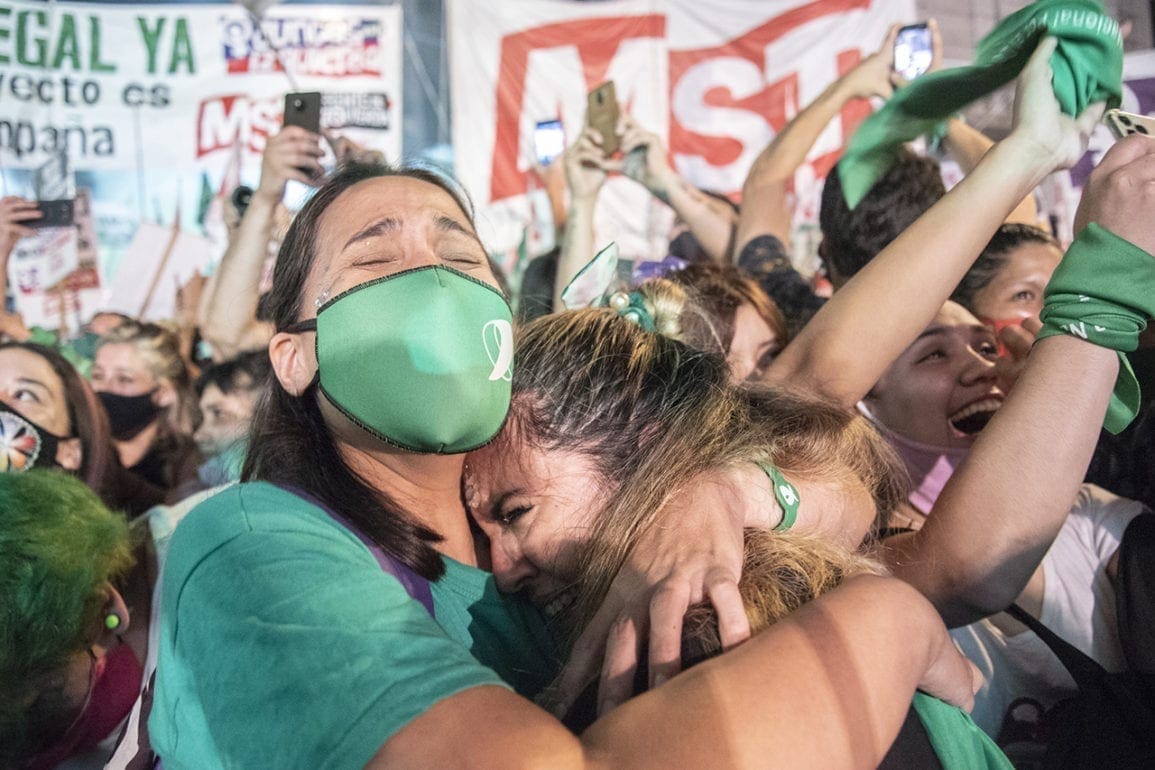
Suddenly, the green tide rose like a tornado of joy. The dome of congress disappeared behind a sea of green smoke. It was all green. Everything was green.

We cried; we hugged, and we sang.

For more than 30 years, women fought for their rights. On the streets, they dared to be the protagonists of change and to sign this new page in history.

I, for one, fight so that no one has to go through the hell that I went through.

It was 4 a.m. when the senate had passed the law. We had won—women had won. 

Argentina had won.

The IVE (Voluntary Interruption of Pregnancy) project was sent to the National Congress by the President Alberto Fernández on Nov. 17, 2020 and obtained the half-sanction of the Chamber of Deputies at dawn on Dec. 11.

To make IVE law, it was discussed in the Senate on Dec. 30. It was the ninth time that abortion laws were debated at the National Congress.

According to Human Rights Watch, an estimated 500,000 abortions occur in Argentina every year.