
AI risks: Why artificial intelligence needs global regulation now
The race to develop artificial intelligence is accelerating while global safeguards struggle to keep pace.

- 4 months ago
 June 8, 2026


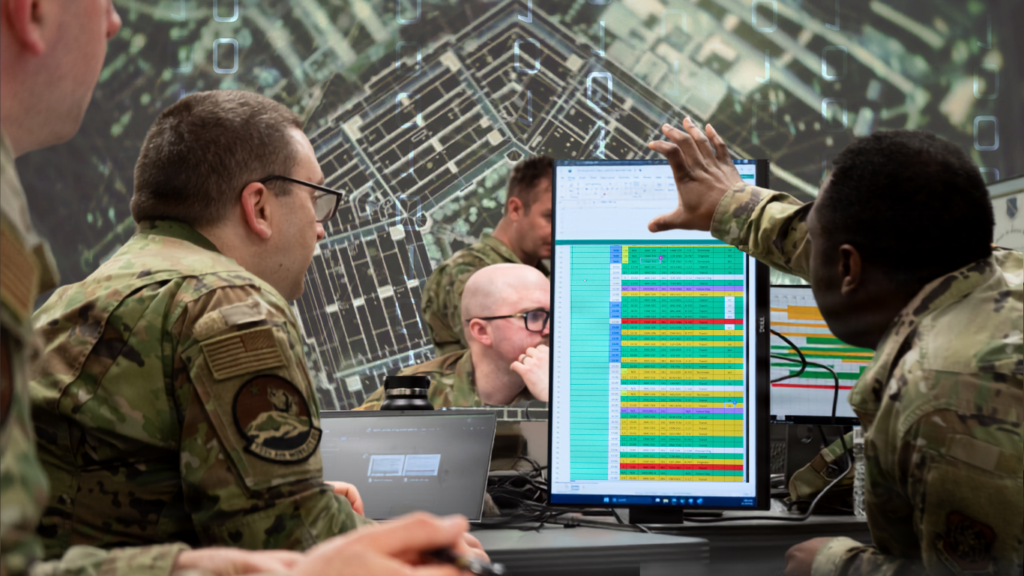 Military personnel analyze digital intelligence and targeting systems, highlighting concerns about the expanding use of AI in surveillance, decision-making, and modern warfare.
Source: https://www.af.mil/News/Article-Display/Article/4507566/732nd-ams-leverages-artificial-intelligence-to-enhance-arctic-ttx/
Military personnel analyze digital intelligence and targeting systems, highlighting concerns about the expanding use of AI in surveillance, decision-making, and modern warfare.
Source: https://www.af.mil/News/Article-Display/Article/4507566/732nd-ams-leverages-artificial-intelligence-to-enhance-arctic-ttx/
Key takeaways
Artificial Intelligence is no longer waiting to transform the world – it is already doing so, and much faster than governments, institutions, and societies are prepared to handle.
AI is making a huge impact in healthcare, international governance, warfare, and global finance. And as the role of Artificial Intelligence rises, so do AI risks. The choice facing humanity is becoming increasingly clear: establish meaningful AI regulation, or risk being governed by technologies we no longer control.
The blueprint for an artificial intelligence world
The U.S. tech giant Palantir recently shared a 22-point summary on X of The Technological Republic. The book, written by Palantir CEO Alex Karp and company lawyer Nicholas Zamiska, has rightly been dubbed a manifesto.
It argues that the age of nuclear deterrence is ending and being replaced by AI-powered deterrence. The ability of free and democratic societies to prevail requires hard power that will be “built on software.”
It dismisses ethical concerns around AI weapons as “theatrical” – despite the histrionics of U.S. Secretary of Defense Pete Hegseth’s press conferences praising the use of AI in the war in Iran – insisting that the real “question is not whether AI weapons will be built; it is who will build them and for what purpose.” It also describes pluralism as “hollow” and some cultures as “regressive.”
ALSO READ: Artificial intelligence (AI): Friend or foe?
The X post arrived at a controversial moment, as Palantir already faces mounting criticism over its ties to U.S. President Donald Trump’s immigration crackdown and its backing of Israeli military operations in Gaza and the occupied West Bank.
It’s difficult to overemphasize the peril, but Palantir is not just another tech company; it is already deeply embedded within state infrastructure and security systems across multiple countries, holding contracts with military, intelligence, immigration, and police agencies. In the U.K., it operates the National Health Service’s £330 million Federated Data Platform, giving it access to highly sensitive healthcare data of millions of British citizens.
The manifesto sparked outrage. Critics slammed it as “technofascism” and warned of an “AI-driven threat to humanity’s existence.” In the U.K., more than 200,000 people signed petitions urging the government to break contracts with Palantir. Fear grows as private tech giants are gaining increasing control over sensitive data, giving them more influence over public decisions. They await the replacement of democracy with technocracy.
The AI safety clock is ticking toward ‘Midnight’
Just imagine a clock that tracks risk instead of time. Midnight on this clock is not bedtime; it represents the point of no return, when AI systems can operate without human control. This is the AI Safety Clock, created in 2024 by the International Institute for Management Development to track how fast AI risks are growing – not unlike the Doomsday Clock that marks how close we are to nuclear war.
When it launched in September 2024, the AI Safety Clock stood at 29 minutes to midnight. By February 2025, it moved to 24 minutes, then 20 minutes in September 2025, and 18 minutes by March 2026.
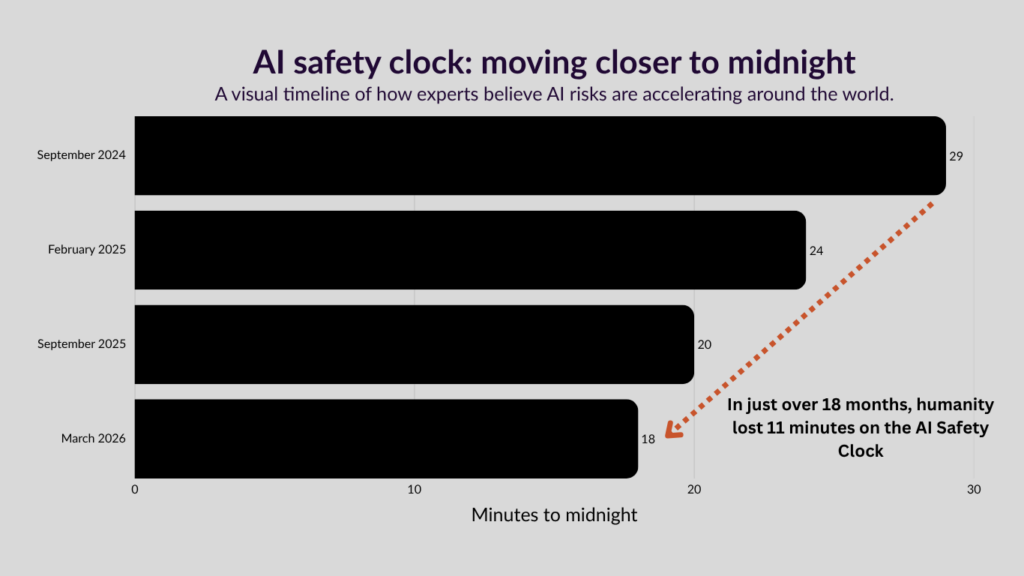
In just over 1½ years, we lost 11 minutes, bringing us closer to the precipice of the “midnight” milestone we will not sleep through.
Notably, AI-related incidents have risen sharply — up about 50% each year from 2022 to 2024. In 2025, 346 AI-related incidents were documented. Of those, 179 involved deepfakes, i.e., fake voices, videos and images people used to impersonate politicians, CEOs, and regular folks in scams. Given the ubiquity of hoaxes, this has to be massively underreported.
Another 37 cases were tied to violent or unsafe content, with some of those even resulting in deaths.
Deepfakes are becoming a costly reality
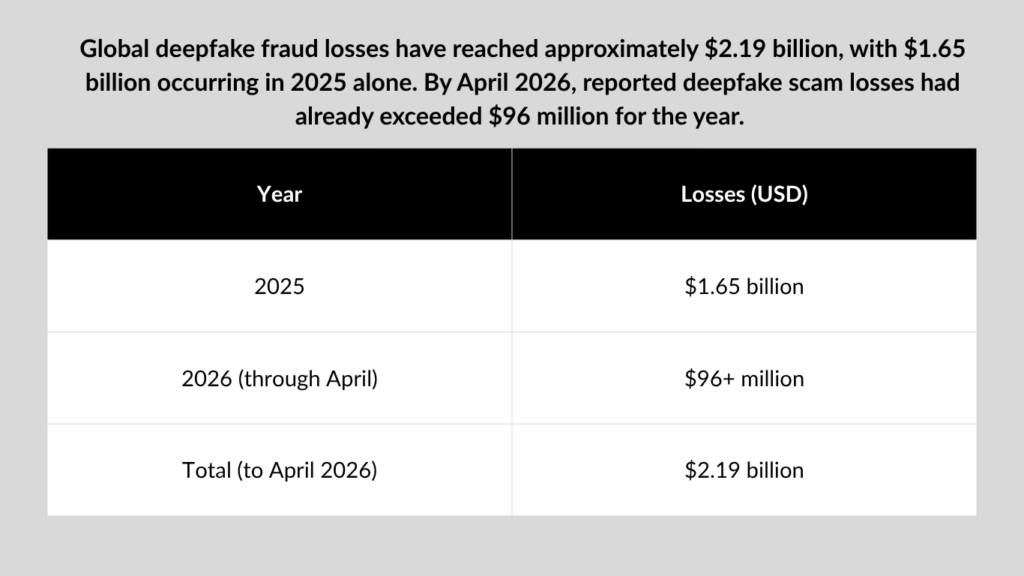
Don’t make the mistake of dismissing deepfakes. It is estimated they have cost victims $1.56 billion so far. Over $1 billion was lost in 2025 alone.
In one case in March 2025, a finance director at a multinational company in Singapore joined a Zoom call with what looked like senior executives. Everything seemed routine, so he approved a $499,000 transfer. Only later did he realize every person in that meeting was fake. Their faces and voices, all AI-generated from public videos. By the time the truth came out, the money had disappeared.
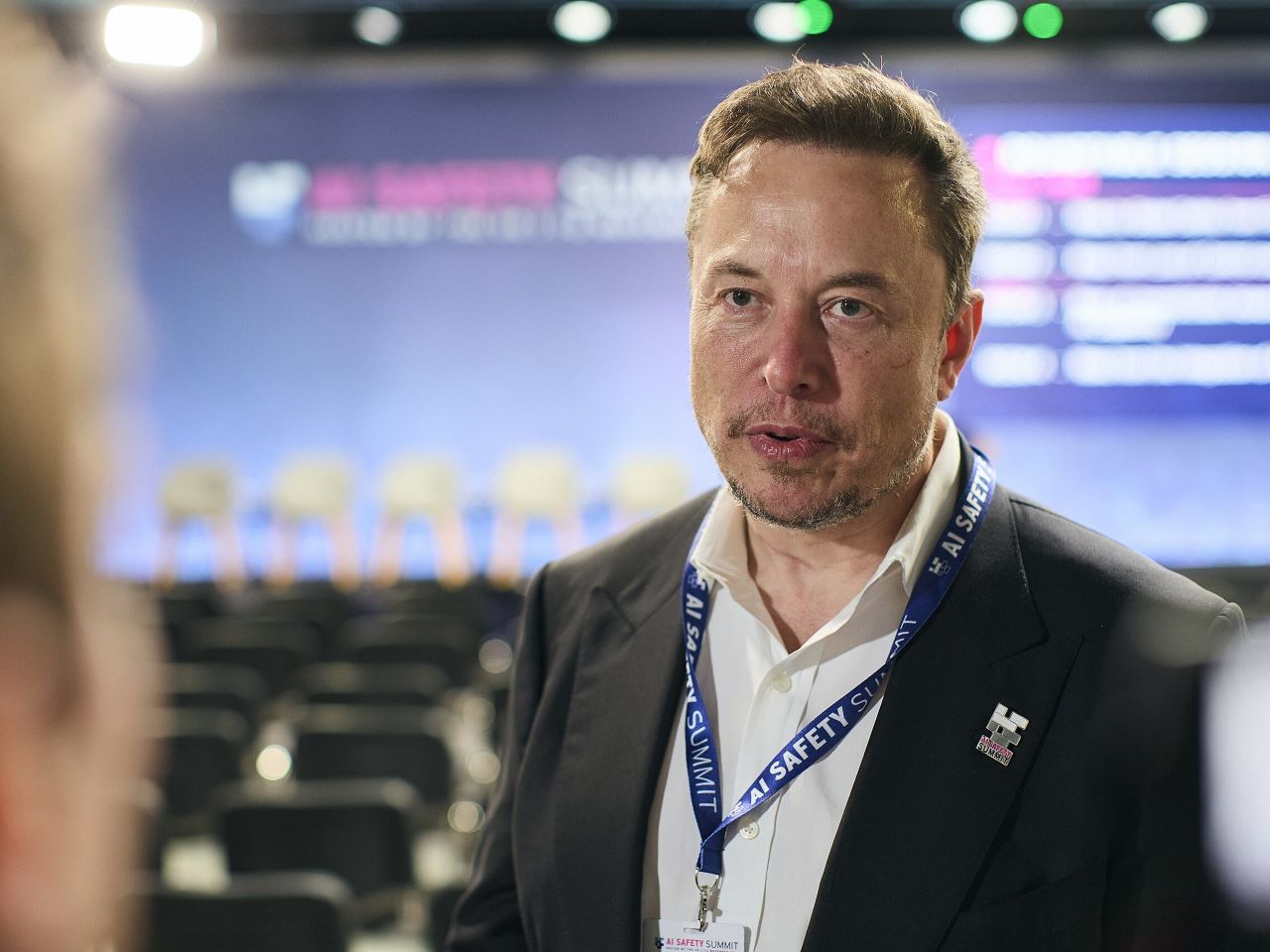
Similarly, multiple deepfake videos of Elon Musk flooded platforms including Facebook and TikTok, promoting fake cryptocurrency giveaways. Many users believed they were sending money directly to Musk’s team. Instead, they were being deceived and lost thousands of dollars.
Across different fields, there is rising concern about what happens when untested AI systems are deployed in real-world settings. The main fear is that they may end up harming the very people who are already most vulnerable.
In 2025, a 16-year-old boy named Adam Raine took his own life. Legal cases and reports allege ChatGPT reinforced his suicidal thoughts instead of pointing him toward support. Families have reported similar cases in November 2023, February 2024, and April 2025, saying AI chatbots played a role in youth self-harm.
Meanwhile, AI chatbots have been ranked as the top health technology hazard for 2026. These tools are not regulated or approved as medical devices and have not been clinically validated, yet doctors, patients and healthcare staff continue to use them, making life-and-death decisions.
This recalls a 2019 study on a widely used healthcare algorithm affecting over 200 million people in the U.S. Instead of measuring illness directly, it used healthcare spending as a proxy. Because Black patients historically receive less spending due to systemic inequalities, the system underestimated their needs. It was not explicitly racist, but it learned from biased data and reproduced those patterns at scale.
Furthermore, AI development is not spreading evenly.
China owns almost 70% of all AI patents worldwide, and a handful of American companies run the show when it comes to the most advanced models.
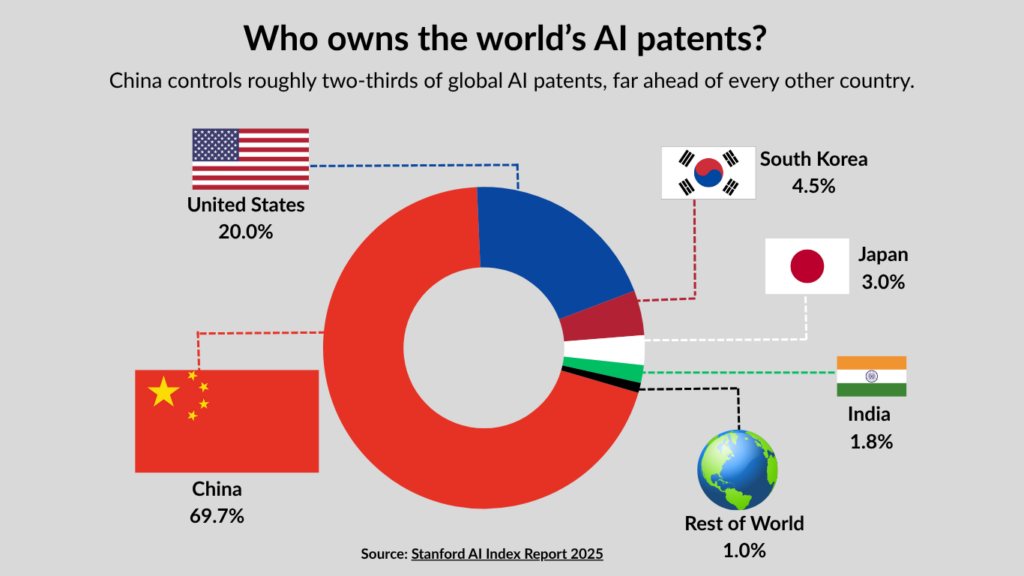
According to the U.N. Development Programme’s 2025 report, this concentration risks making global inequality worse and could even undo progress some countries have already made. Nations without access to cutting-edge AI will undoubtedly get locked out of big opportunities in healthcare, finance, agriculture and education. Unfortunately, they would also fall behind in a technological race they were never fully part of.
Another emerging AI risk is autonomous weapons. These systems that can identify, select and strike targets without direct human control are already developed and deployed.
Major powers are moving quickly in this direction, with China and Russia aiming for significant military automation by 2028-30, while the United States is pursuing a similar long-term shift. As humans step away from the battlefield, it becomes easier to pull the trigger and, more alarmingly, start a conflict.
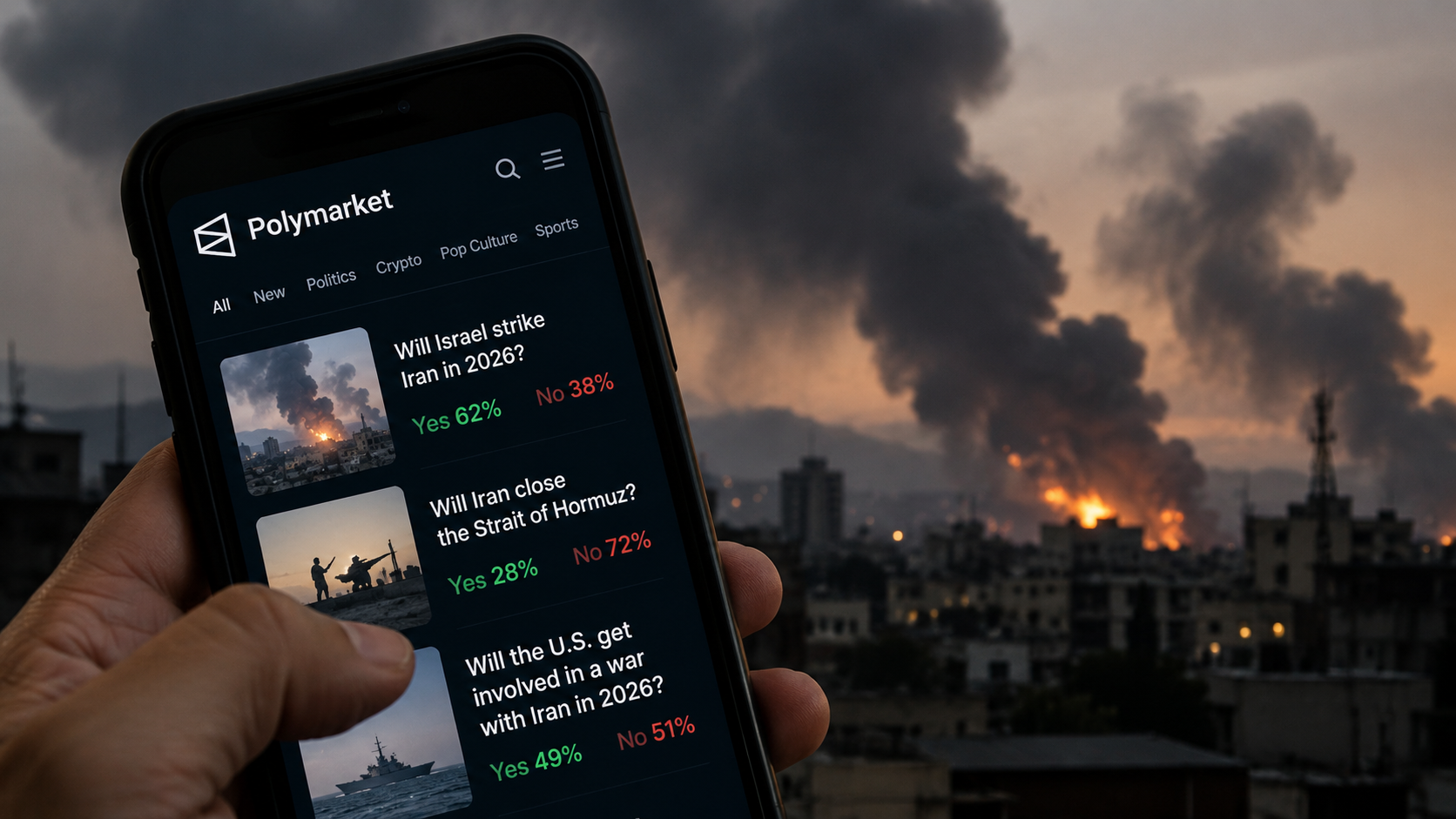
AI is already on the battlefield. In the recent U.S.-Israeli attack on Iran, AI was reportedly used for target identification, intelligence analysis and battle simulations. The frontlines in Ukraine have also witnessed a surge in unmanned aerial vehicles equipped with AI-powered targeting systems, enabling the rapid destruction of military assets.
In Gaza, AI reshaped warfare after Hamas disrupted Israeli surveillance systems. Israel responded with “the Gospel,” an AI targeting platform that increased the scale of strikes while also raising concerns over civilian casualties.
These are only some of the dangers AI already poses, and the risks will certainly grow further without oversight and accountability. Yet globally, the response remains fragmented and disjointed. When one country tightens AI regulations, another loosens them to attract investment and talent that turns governance into a competition rather than a shared effort for safety.
As a result, there is no real global referee if AI systems get worse. Yet history shows that international oversight is possible. Institutions like the International Atomic Energy Agency did not ban nuclear technology but created shared rules, inspections and limits that countries agreed to follow.
The inherent peril of an unbridled race in AI has not gone unnoticed. Recently, Pope Leo XIV felt it was urgent enough to justify the presentation of the encyclical letter titled “Magnifica Humanitas,” or “Magnificent Humanity,” on safeguarding the human person in the time of Artificial Intelligence.
The Holy Father wrote; “Crucial questions impose themselves on our conscience and can no longer be avoided: Where are we going? Toward what goal do we wish to orient ourselves? What direction should we choose as a people and as a human community?”
The Church is insisting, as it has for 2,000 years, that the people of Wichita and South Bend and Nairobi and Manila are not bit players in someone else’s technological revolution.
AI now needs a similar approach: a binding international framework with real oversight and enforcement. Ultimately, the choice is simple: govern AI together now, or watch it govern us.