
Three days at Ayatollah Khamenei’s funeral changed everything I thought I knew about Iran
When I arrived in Tehran to cover Ayatollah Ali Khamenei’s funeral, I expected to report on the death of a leader. Instead, conversations with mourners, critics and ordinary Iranians challenged everything I thought I knew about the country and revealed a far more complicated reality.

- 3 months ago
 July 14, 2026


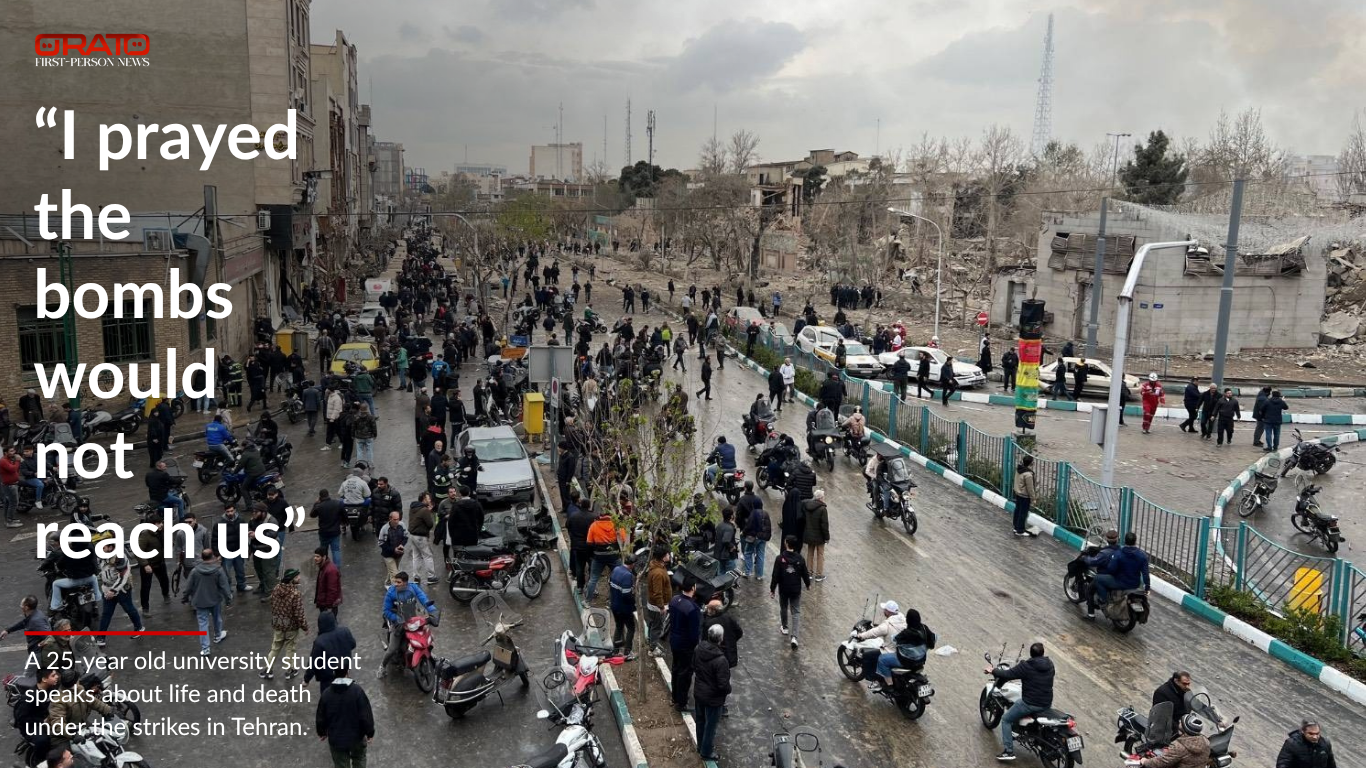
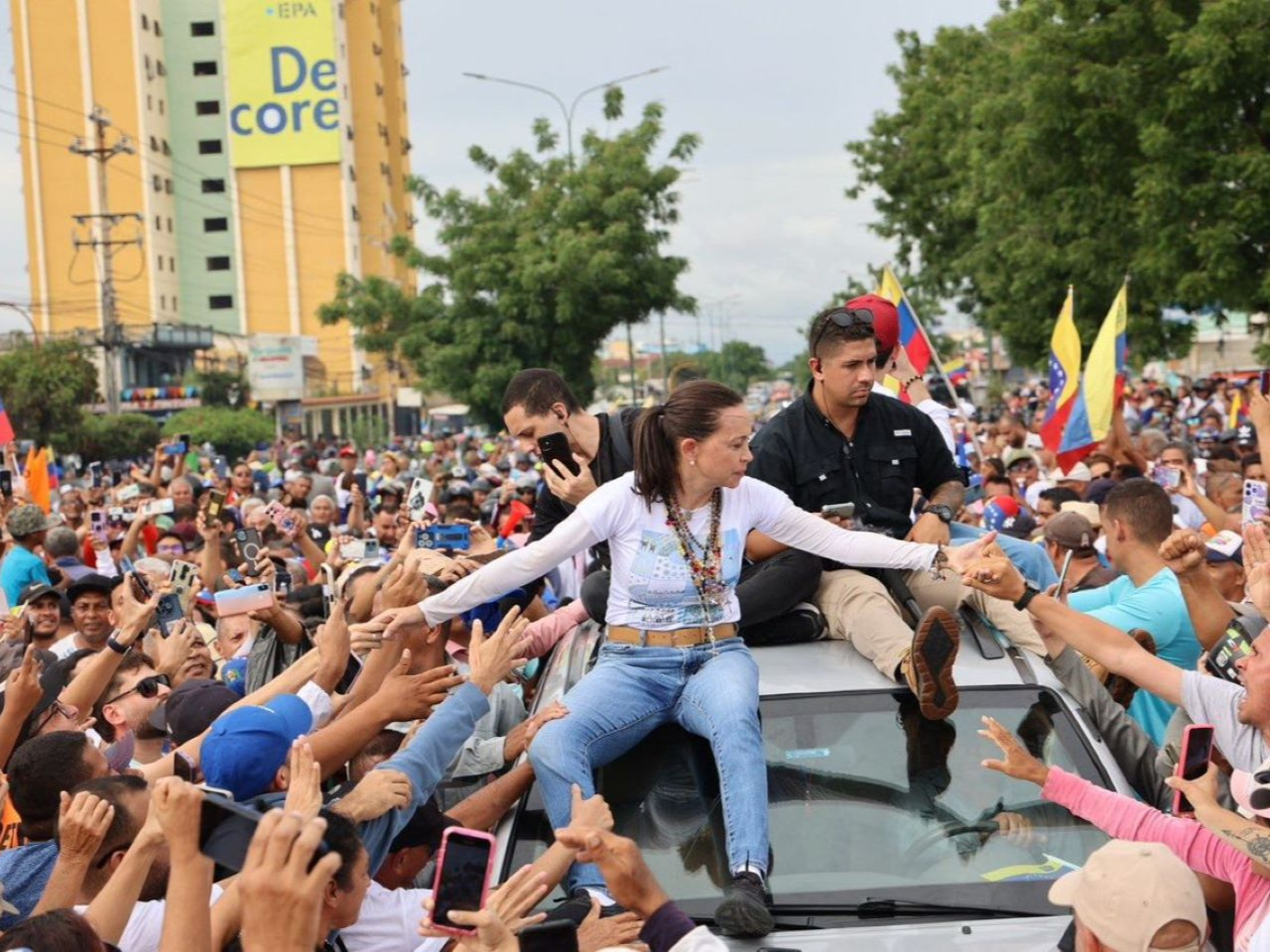
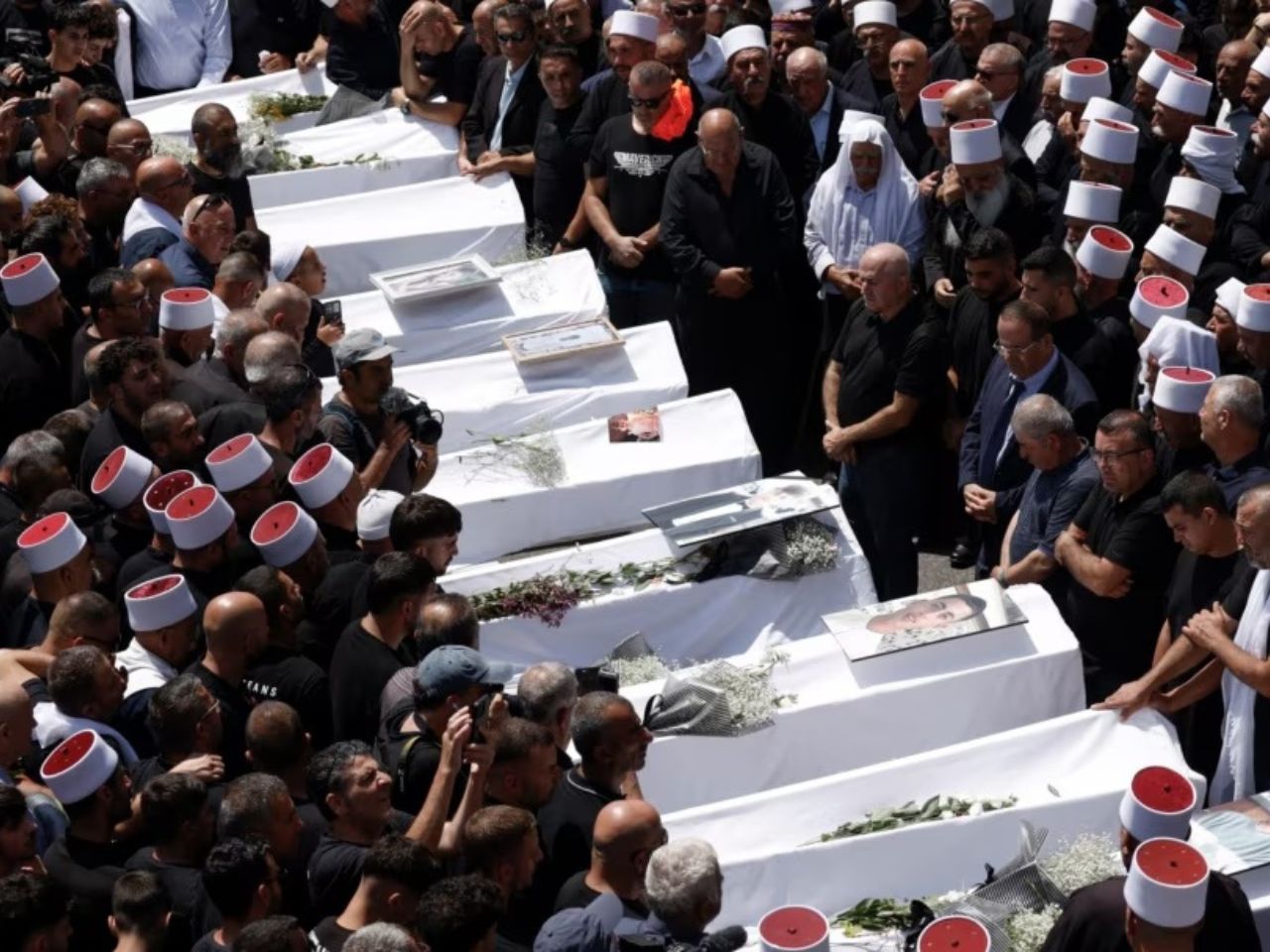
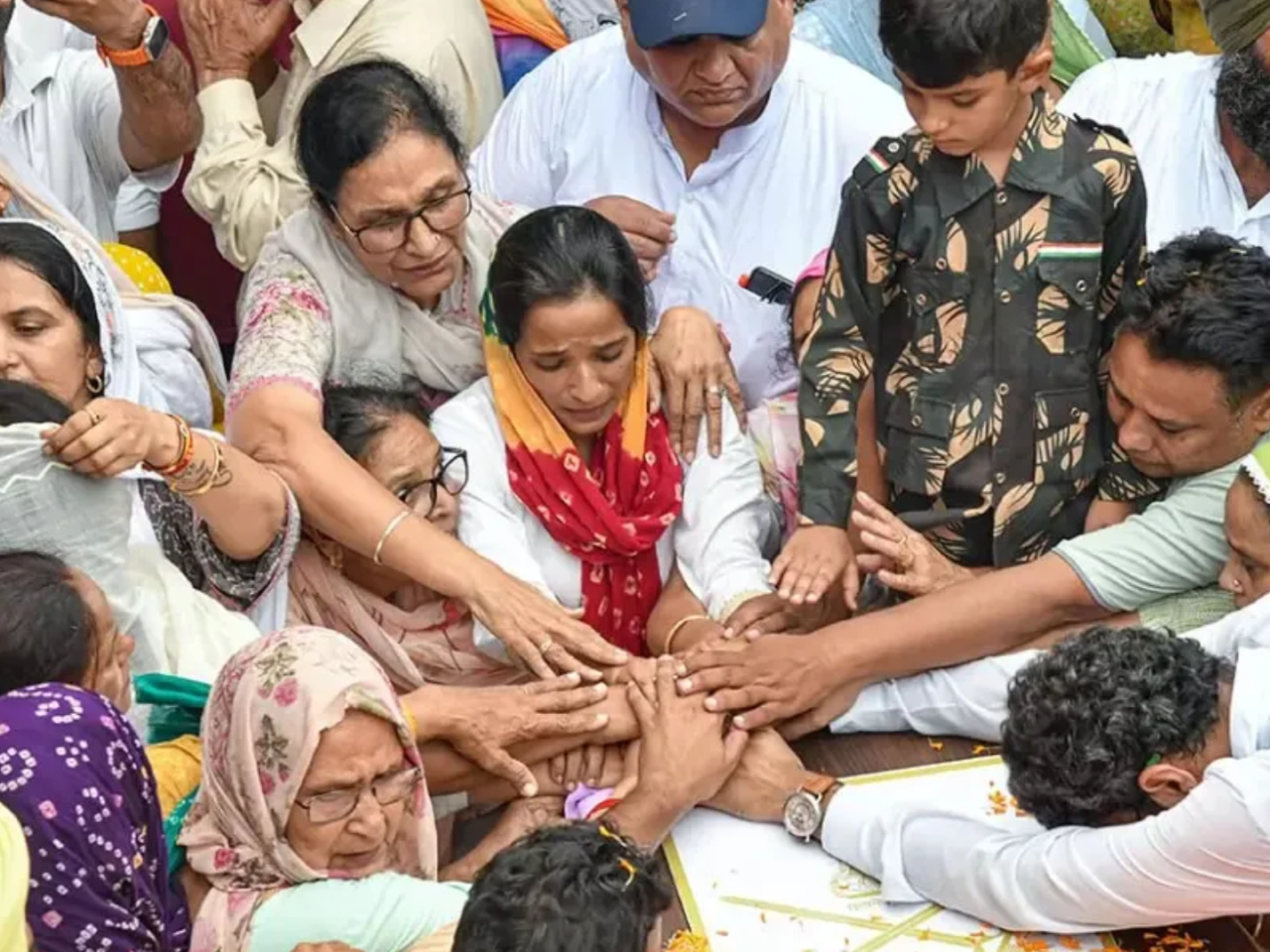
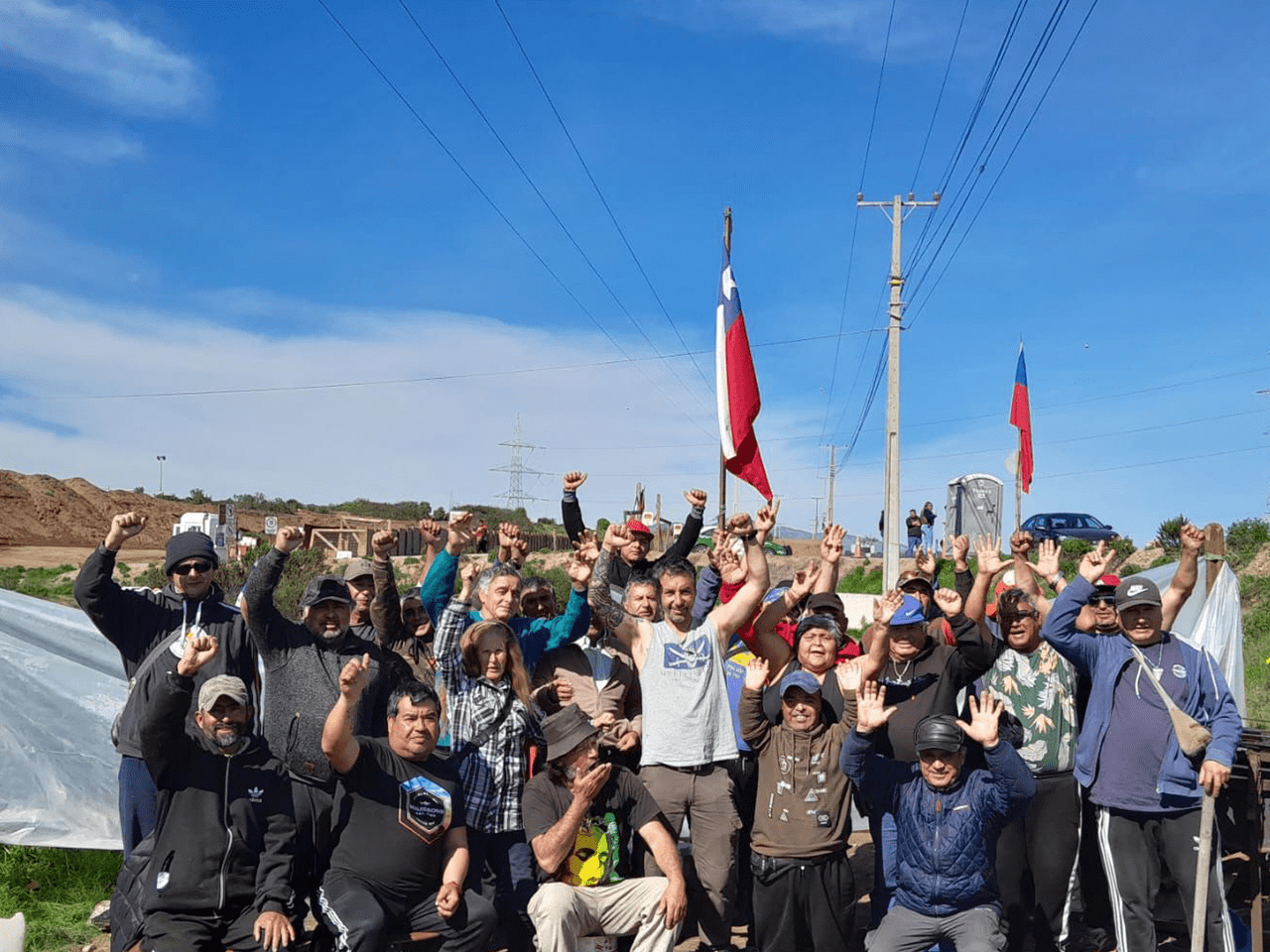
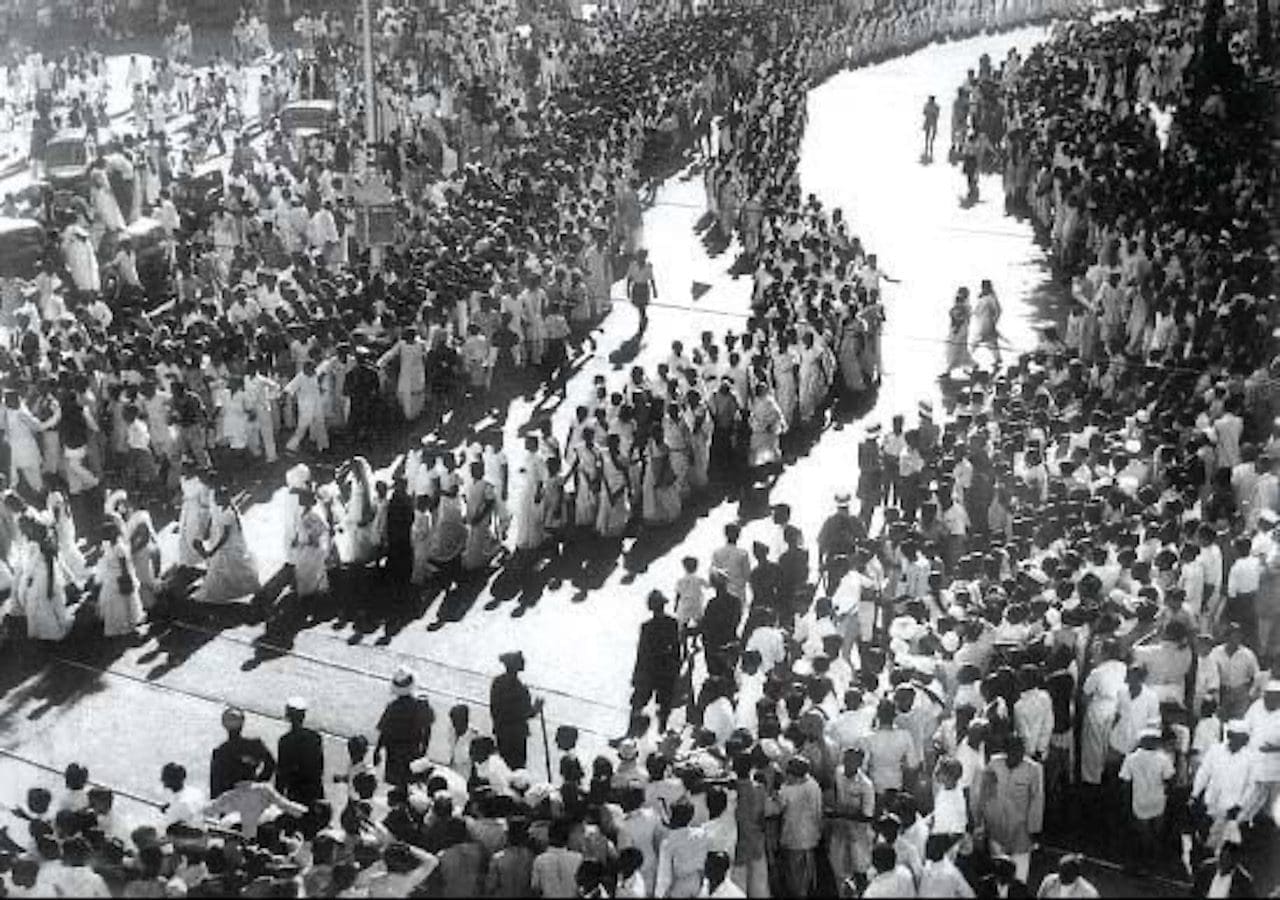
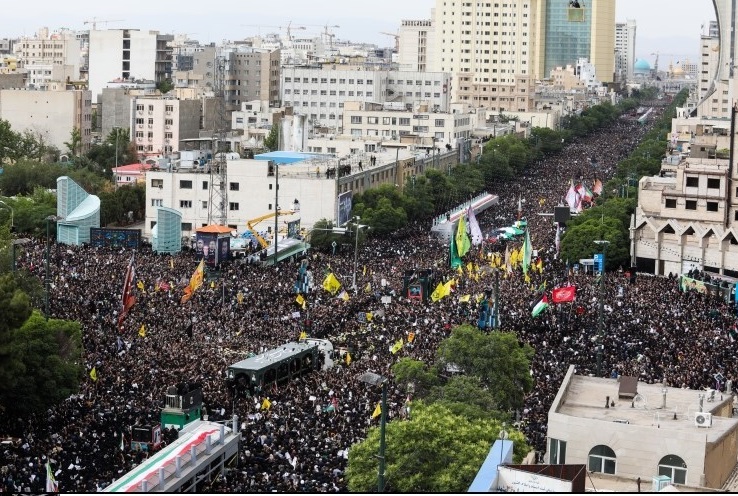
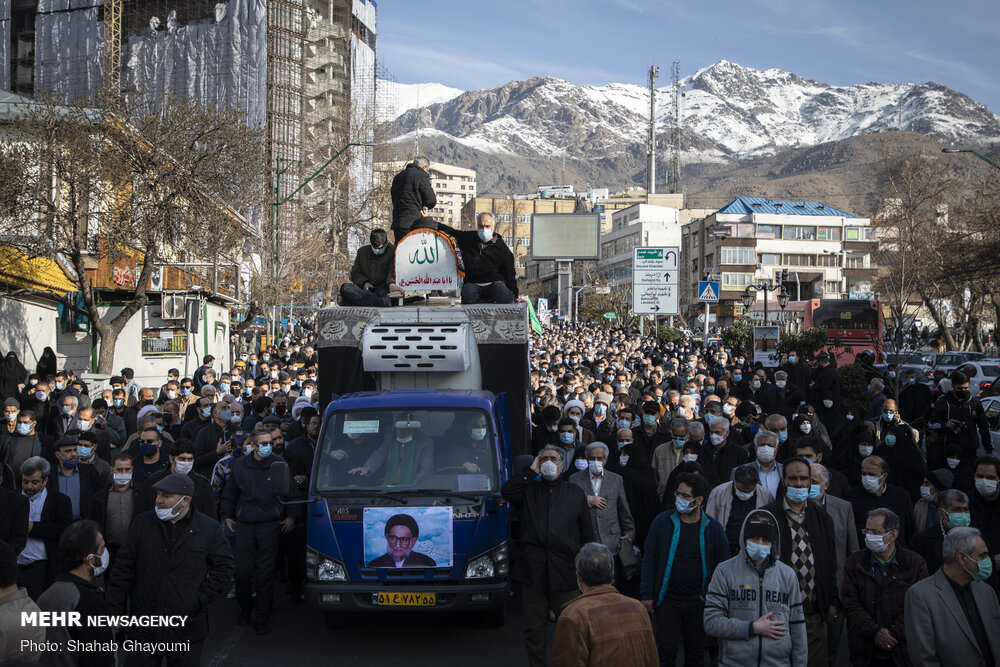 Thousands gather in Tehran during funeral ceremonies for Ayatollah Ali Khamenei. Iranian officials later said tens of millions participated nationwide, although independent estimates vary widely.
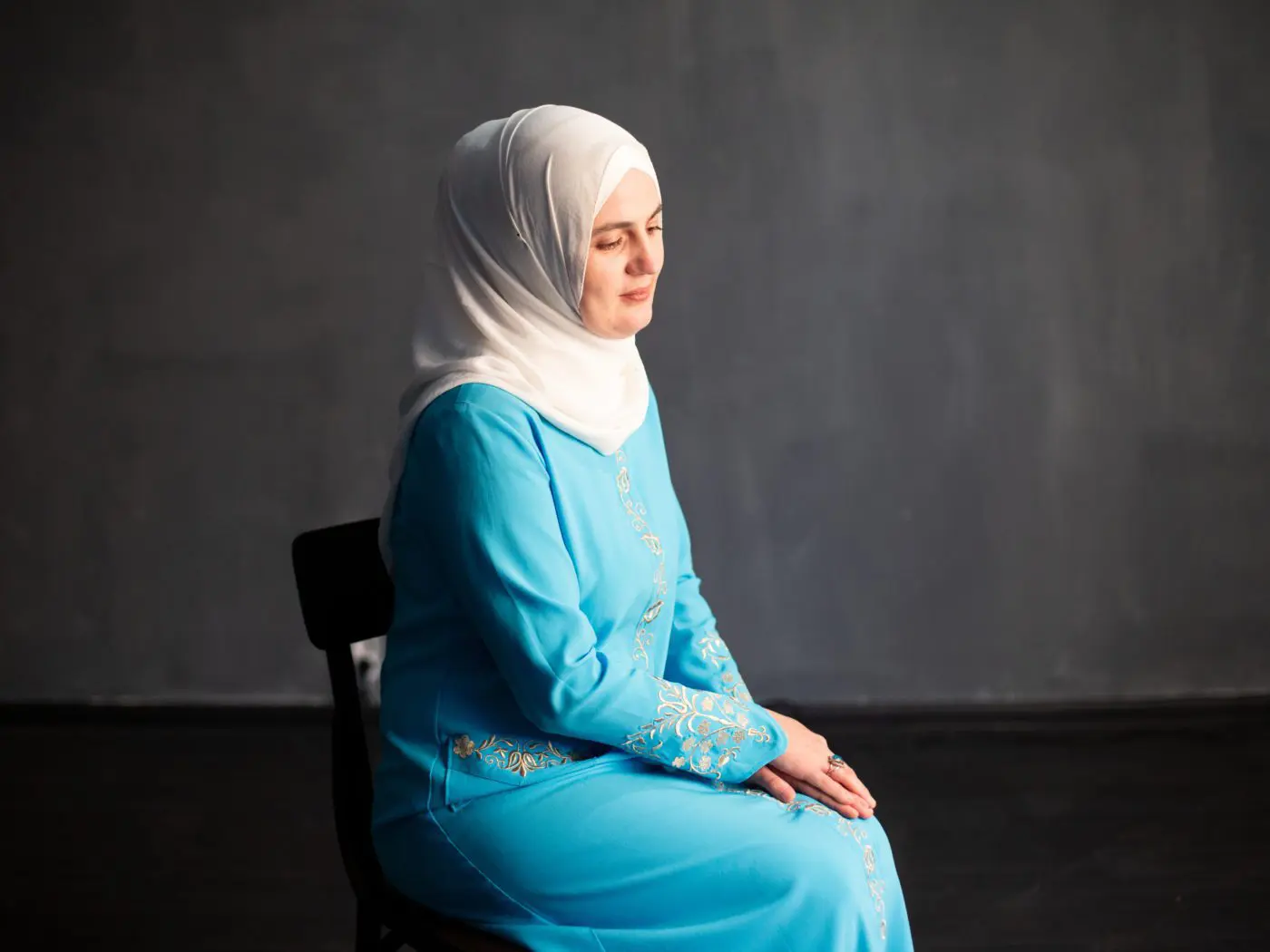
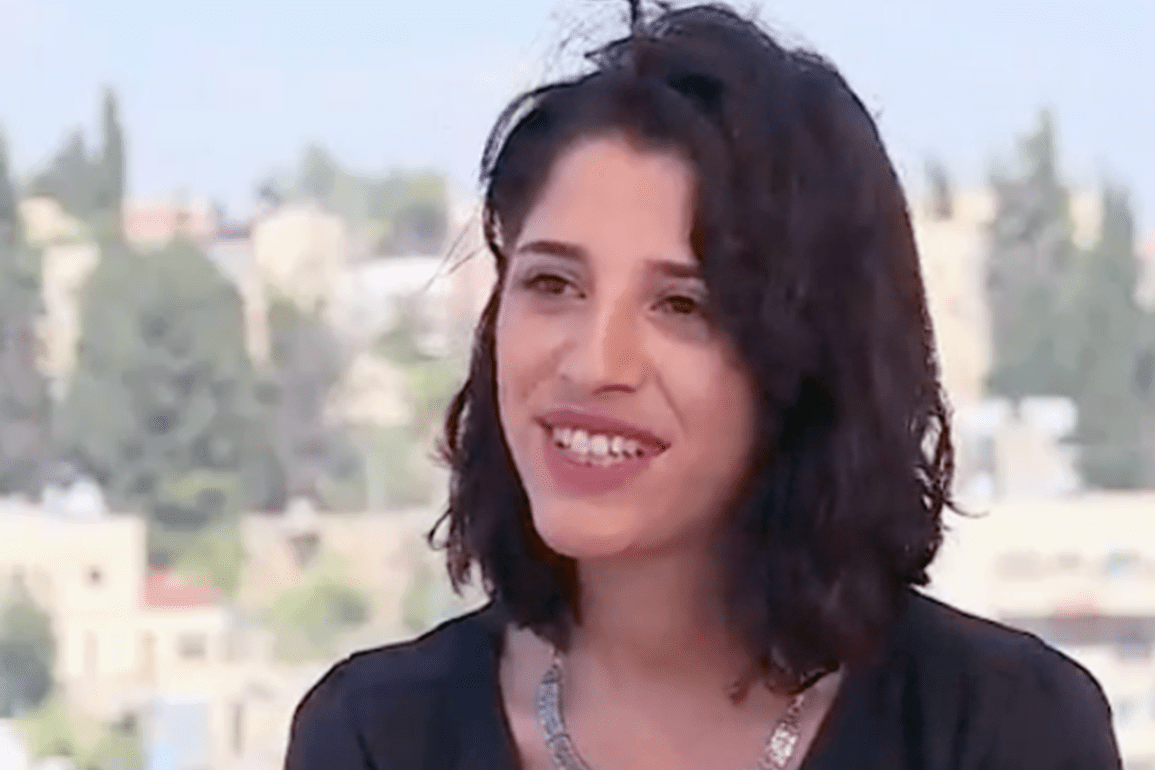
I met Simin on the third day of the funeral, standing on Damavand Street in Tehran as the procession moved past us.
She wasn’t chanting. She wasn’t carrying a flag. She wasn’t crying. She was just watching.
Her husband had been killed during the protests of January 2026. For a few months, she had believed Iranian security forces were responsible. She had been furious with the government, with the Supreme Leader, with everyone she believed had a hand in her husband’s death.
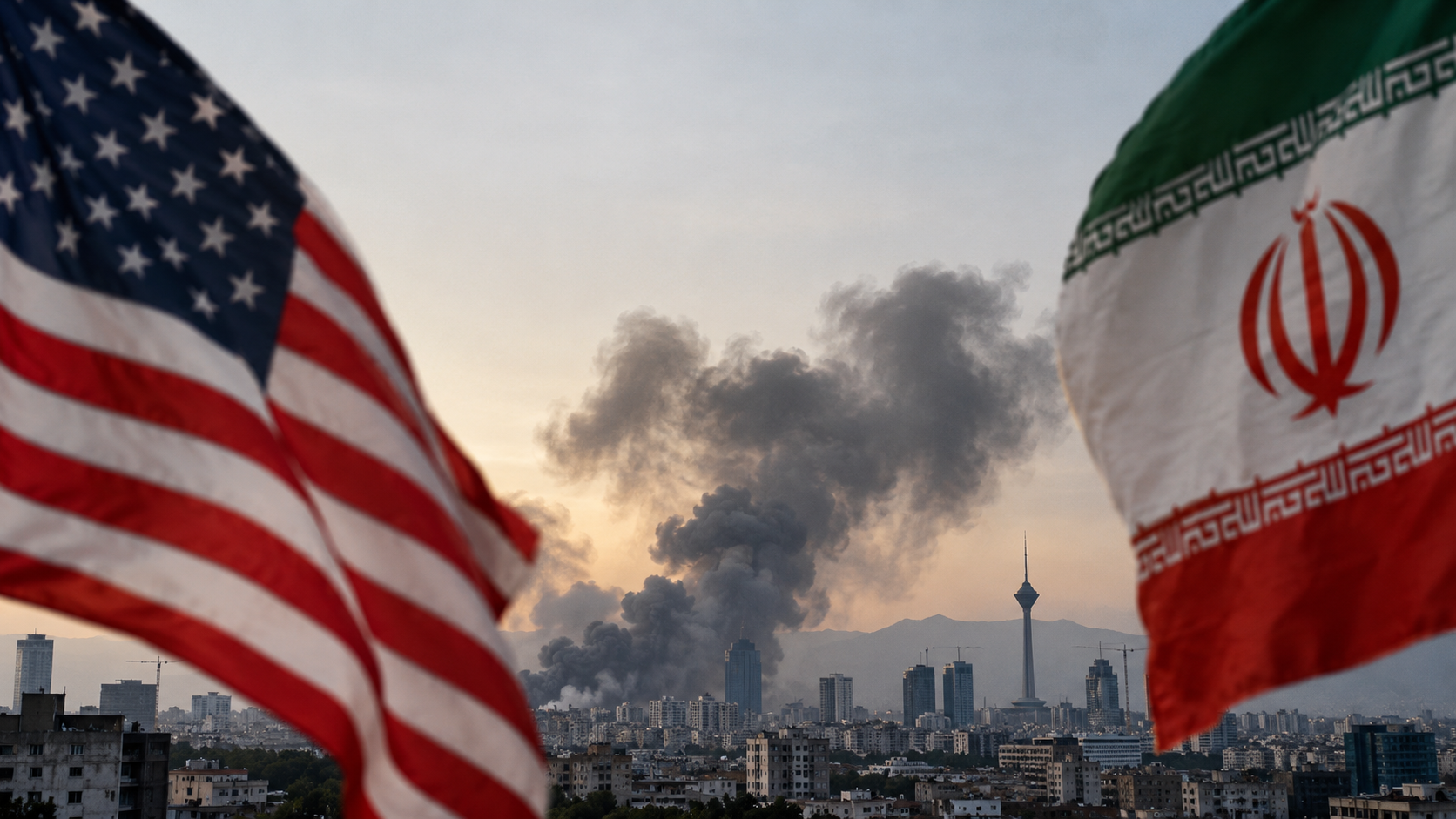
Then she saw the news that Ayatollah Ali Khamenei had been killed in his own home, alongside members of his family — his daughter, his daughter-in-law and his 14-month-old granddaughter — in a joint US-Israeli strike on Feb. 28.
“For months, we had been told he was hiding underground,” Simin told me. “We heard he had fled to Russia. But then he was killed in his own residence.”
She paused.
“That contradiction stayed with me. I started asking questions. I spoke to people. I tried to understand what had really happened.”
She stressed she wasn’t claiming to know the truth. She hadn’t forgotten her husband. She hadn’t stopped grieving.
“I’m saying I no longer know whether what I had believed about my husband’s death was true.”
When the funeral ceremonies began, she had no intention of attending. Then she watched the first images from Tehran on television. On Saturday, the crowds. On Sunday, larger. By Monday morning, she found herself putting on her coat and walking to Damavand Street.
“I don’t really know why I came,” she admitted. “I just felt that I needed to be here.”
We stood in silence for a moment, watching the sea of people move slowly past us.
“I can’t forget my husband. I never will.” She looked around at the crowd. “But standing here today, I feel something I can’t explain. I’m living with two completely different emotions. I still carry my grief. But at the same time, I feel that something happened to my country.”
I had come to the funeral expecting to report on the death of one man. Simin was the first person to make me realize I had come to report on something else entirely.
For years, Western media has told a familiar story about Iran: that the Islamic Republic is a system supported only by a small minority, and that ordinary Iranians would welcome the day it collapsed. That narrative sharpened after the protests of autumn 2022, when months of unrest gripped the country.
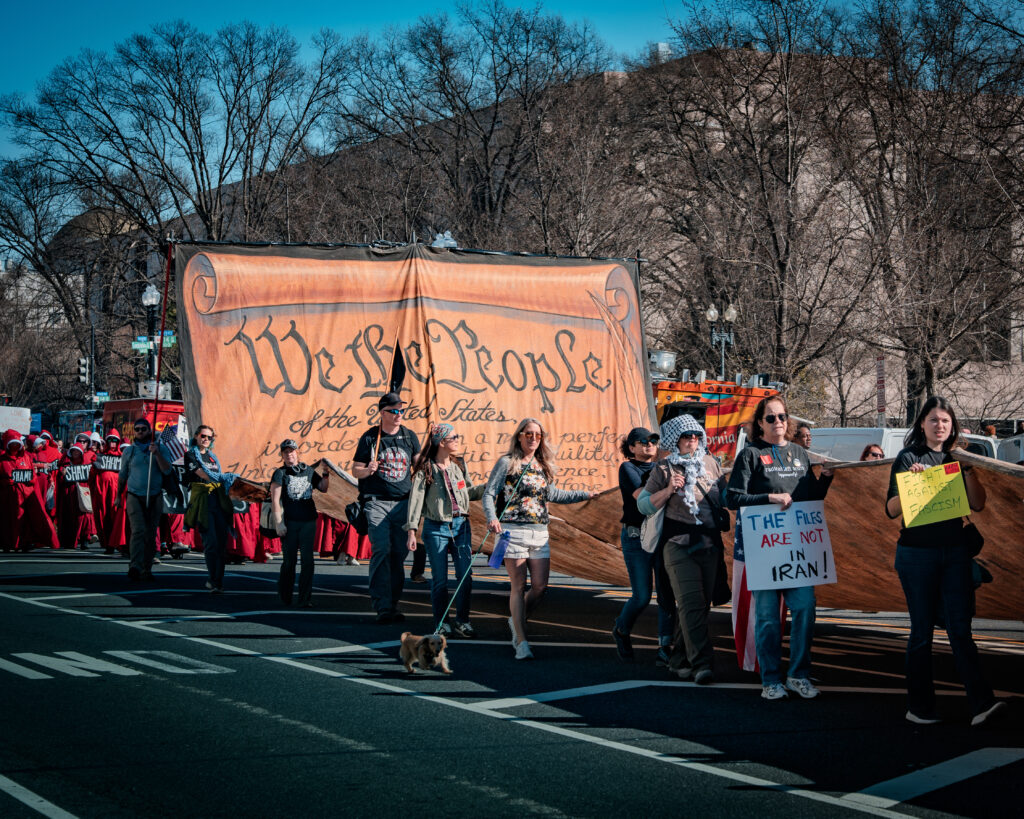
It sharpened again in early 2026, when international outlets reported that around 60,000 Iranians had been killed by the government — a figure the Iranian government itself disputed, putting the toll at around 3,000 and identifying roughly 80% as shohada, martyrs.
The word “martyr” carries specific meaning here. It refers to someone believed to have been unjustly killed, whose sacrifice is formally honored by the state, and whose family receives official recognition and support. It is not a casual word.
By the time the war began on Feb. 28, the dominant story outside Iran was that the Islamic Republic was on the verge of collapse. Reza Pahlavi, the exiled son of Iran’s last shah, was declaring the system’s imminent fall and claiming millions of supporters inside the country. Reports circulated that senior officials were fleeing, that Khamenei himself was hiding in a bunker or had already escaped abroad.
Then, in the war’s opening hours, Khamenei was killed, not in a bunker but his own home.
The photograph of his 14-month-old granddaughter, killed in the same strike, spread across Iran within hours. For many people I spoke to in the weeks that followed, that single image transformed the war into something intimate. It stopped being a story about a government and became a story about a family.
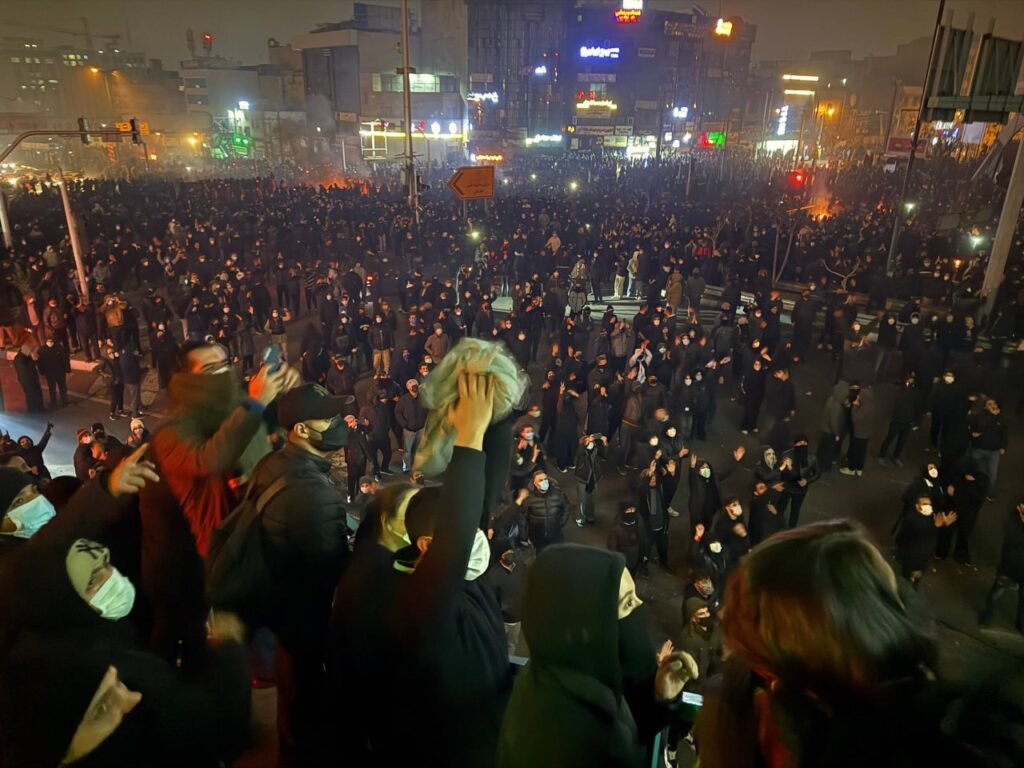
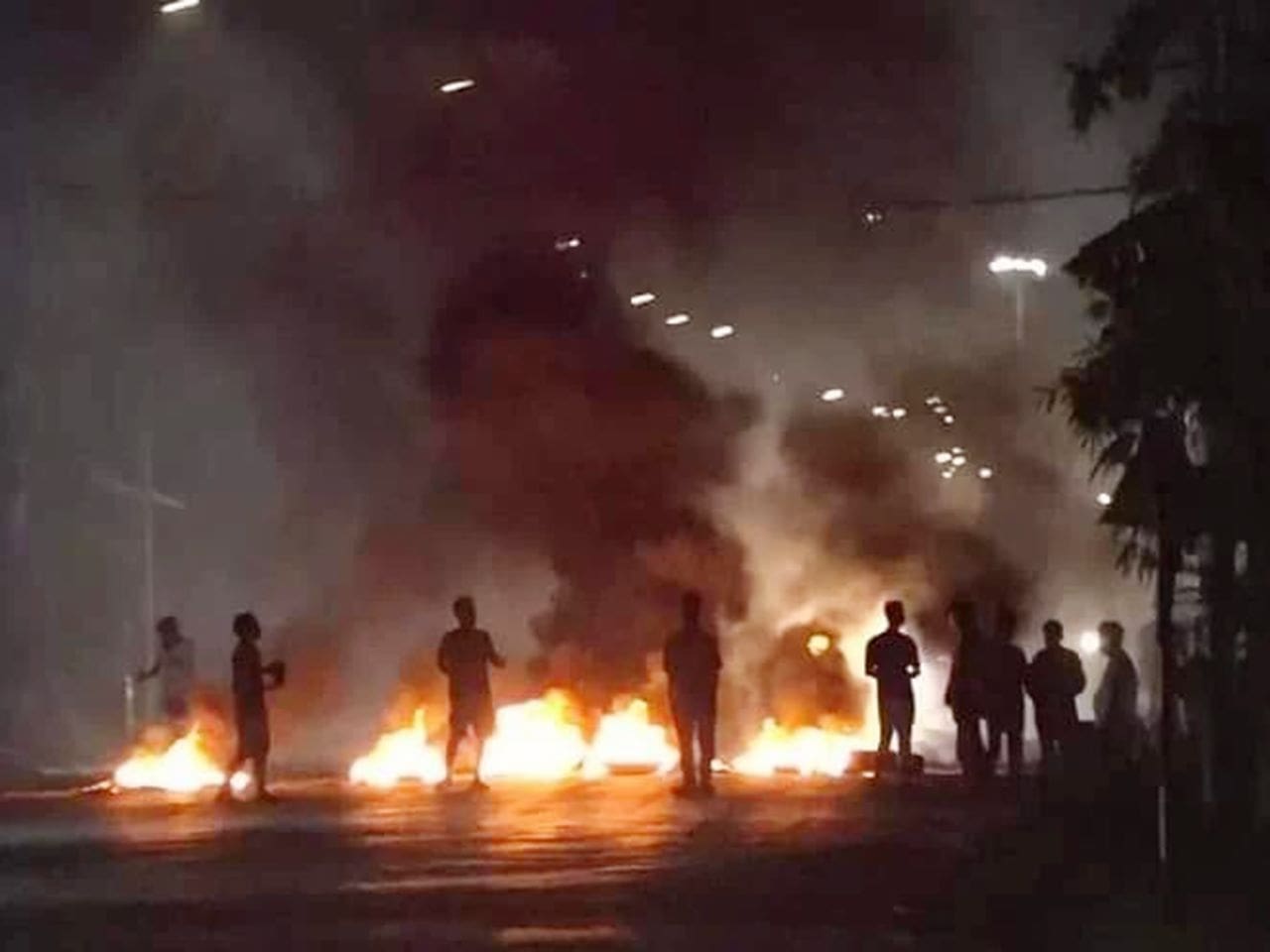
From the first night, people began gathering in the streets. As I write this, those gatherings have continued for more than 130 consecutive evenings. Every night, crowds assemble, chant in unison, and voice support for Iran’s military resistance against what they see as a foreign enemy.
It was a reaction that surprised many people — including many inside Iran.
Three months after the ceasefire, Iranian authorities announced the public funeral ceremonies would finally take place.
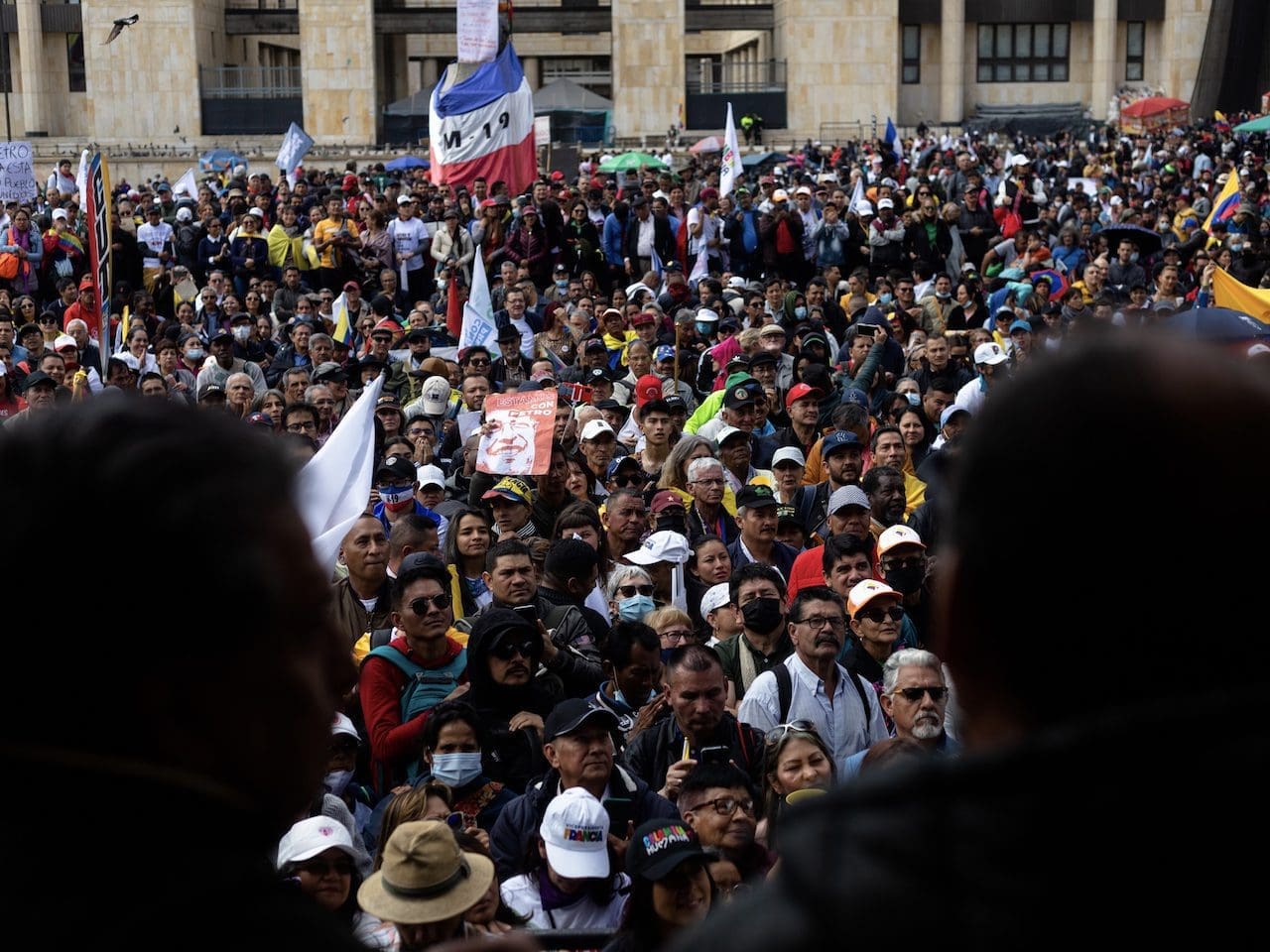
The processions began on Saturday in Tehran and continued through Monday. Probable millions (the estimates vary widely by news outlet) poured into the streets in what became one of the larger funeral gatherings in the country’s modern history.
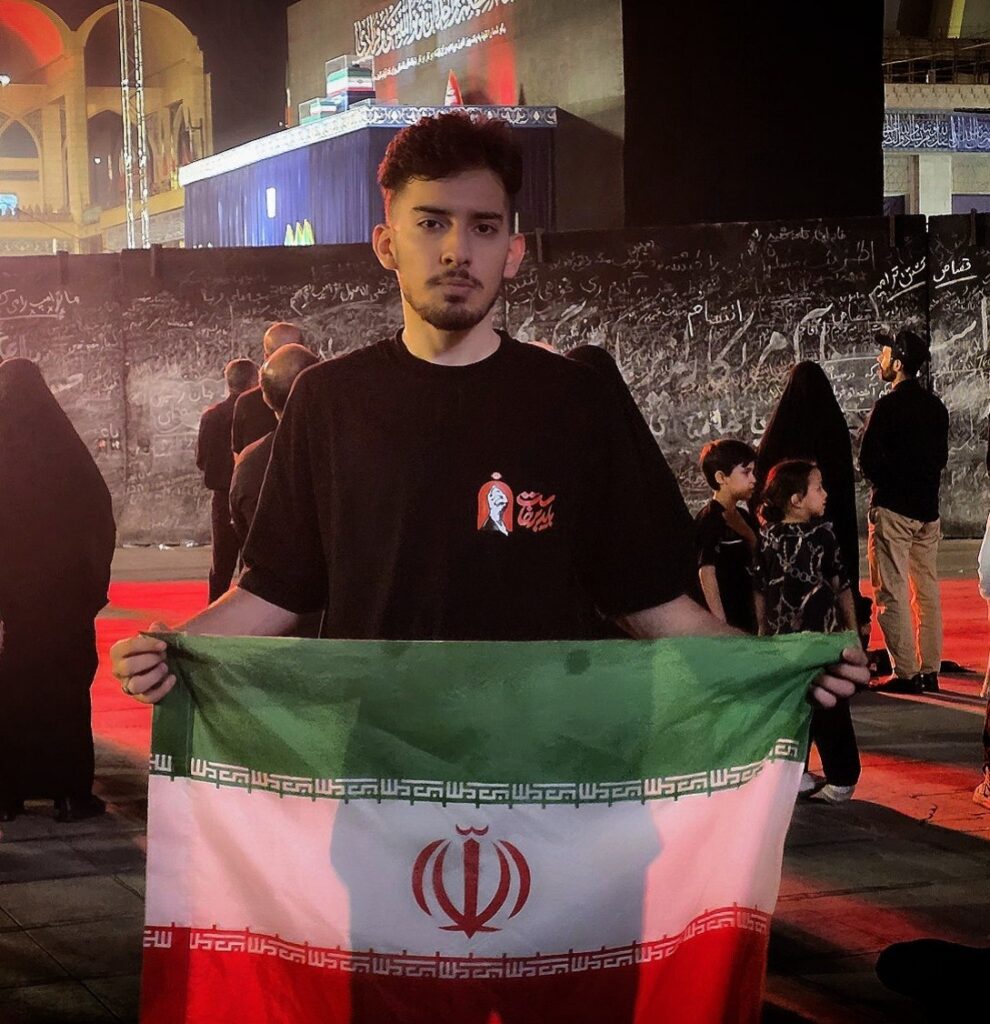
On Wednesday, Khamenei’s body was taken to the Iraqi shrine cities of Najaf and Karbala, and once again, millions gathered. The same in Qom, Iran’s most important religious city. The final stage took place on Thursday in Mashhad. There, too, millions, we were told, filled the streets.
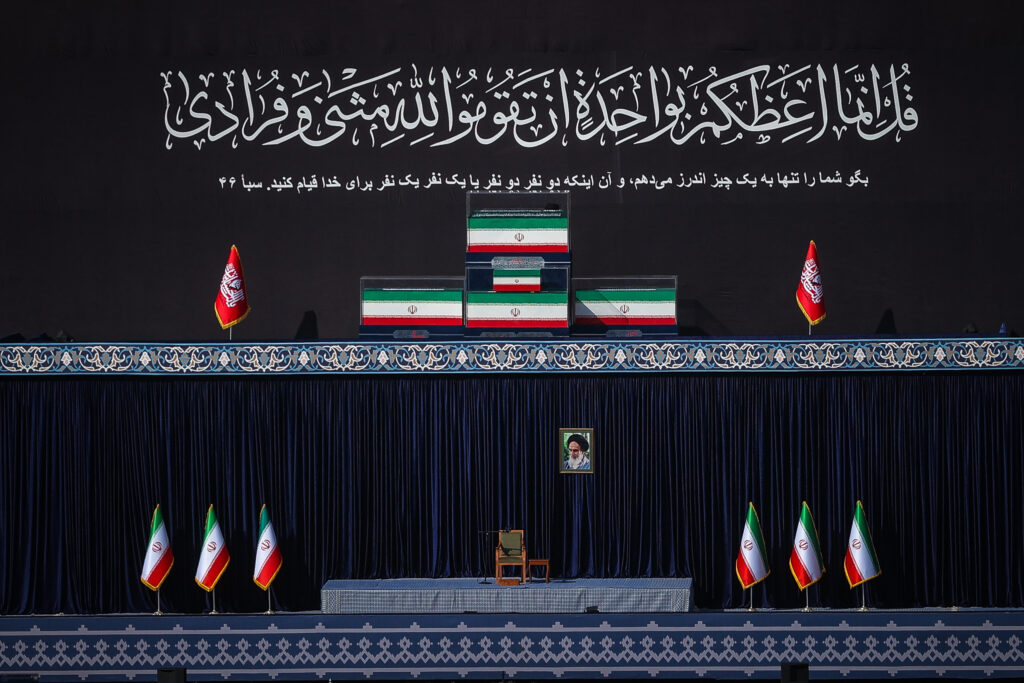
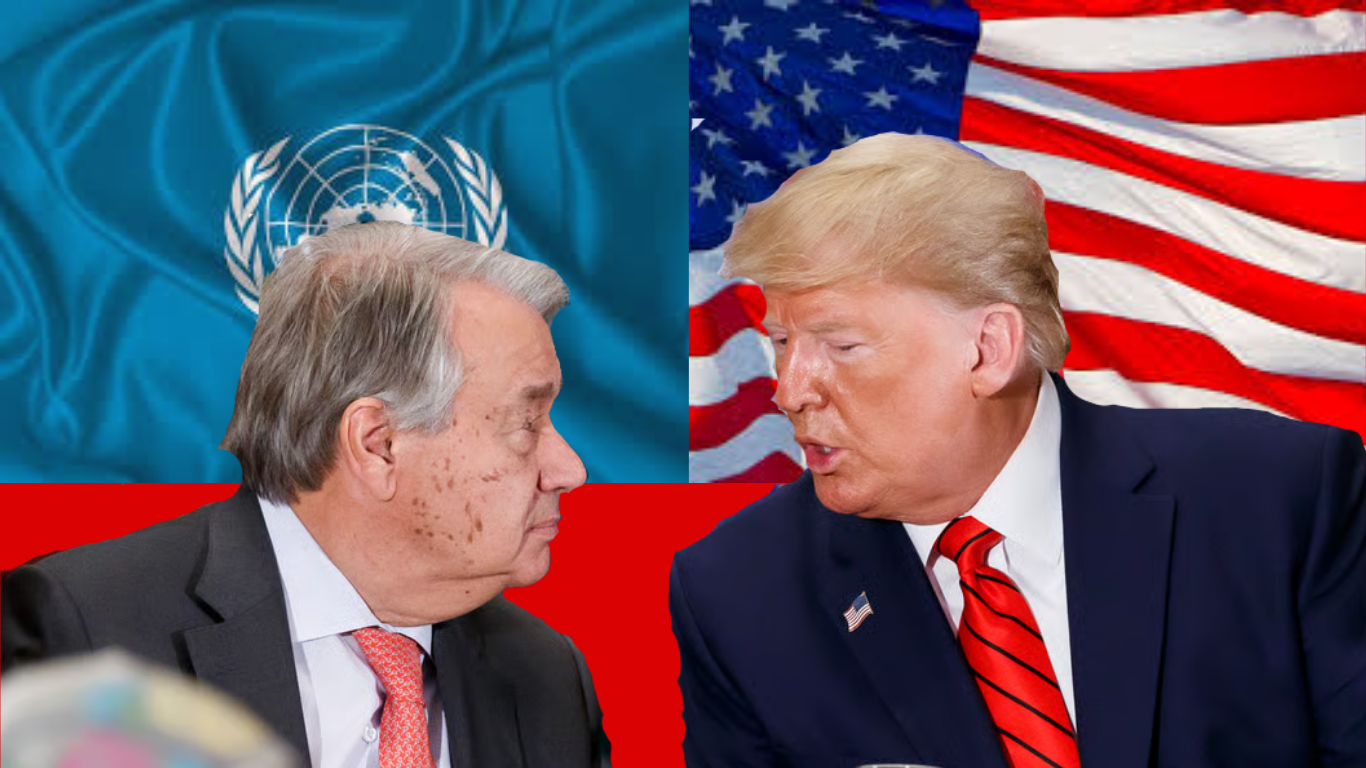
Even Donald Trump admitted to being surprised: “I thought the people of Iran hated their leader,” he said after seeing the footage. “When I saw them crying for him, I was shocked.”
One detail immediately stood out to me as I walked through the crowds. Most people were carrying red flags.
To a foreign observer, that might seem insignificant. Inside Iran, it isn’t. Black flags and black clothing symbolize mourning, worn after the death of a loved one. Red is different. It represents someone whose blood has not yet been avenged.
Its symbolism comes from the story of Karbala, where Imam Hussein, a central figure in Shia Islam, was killed in the seventh century. Within Shia tradition, the red flag stands for the demand for justice — and the belief that those responsible for innocent bloodshed will one day be held accountable.
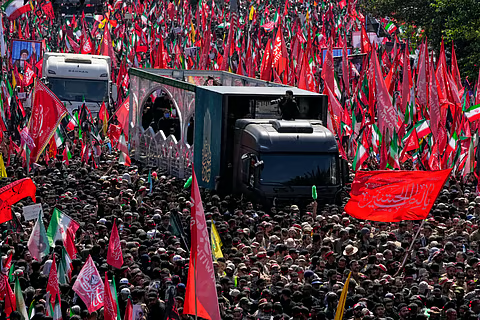
Iranian state-affiliated media later claimed that around 43 million people had participated in ceremonies across Iran, Iraq, and other locations where symbolic commemorations took place. That figure cannot be independently verified. But the scale I witnessed on the streets over three days was, by any measure, remarkable.
I spent those three days walking through the crowds in Tehran, talking with dozens of people. Beyond Simin, two conversations stayed with me.
The first was with a young woman I met not far from the procession. She was not wearing a headscarf, which surprised me. I had assumed that most people at the funeral would be government supporters or deeply religious. She quickly made it clear she was neither.
“I don’t agree with the Islamic Republic,” she told me. “I don’t agree with its ideology. I don’t agree with its religious worldview.”
Nothing in her tone suggested she was hiding those views. She spoke openly, calmly, without hesitation. Then she said something I hadn’t expected.
“Ayatollah Khamenei was the first Iranian leader in many years who, in my opinion, stood against the fragmentation of Iran.”
She asked me not to publish her name — she was a history teacher, and that, she said, was the only reason she was there that day. “He was killed alongside his family. I think that’s something every Iranian should think about. No matter how much we disagree with one another inside this country, we should never allow a foreign power to decide our future.”
She wasn’t telling me she had changed her politics. She wasn’t saying she now supported the government. She was drawing a line between internal disagreement and external interference, and she was telling me the second could never be used to settle the first.
The second conversation was with an elderly woman I had noticed hours earlier and encountered again as the afternoon wore on. She was still walking, leaning on a wooden cane, her back bent with age, her grandson holding her arm.
The heat was intense. Along the sidewalks, people had set up makeshift stations — offering water, fruit, cold drinks, and food to strangers passing by. It reminded me of the mawakeb, the volunteer stations that line the Arbaeen pilgrimage route from Najaf to Karbala, where nothing is asked in return.
Here in Tehran, the same spirit had emerged spontaneously. No one asked who supported the government. No one asked who had voted for whom.
I walked over to her.
“You’ve been here for hours,” I said. “Why was it so important for you to come?”
Her answer caught me off guard.”I’m here to defend my country,” she replied. “I saw that Trump wanted to rename the Strait of Hormuz. That’s why I’m here. Even if I’m only one person, I want my presence to say that the Strait of Hormuz belongs to Iran. Our nuclear program, our missiles — everything that belongs to Iran belongs to us. We won’t allow Trump or our enemies to take them away.”
I stood there for a moment, unsure what to say.
Listening to her, I felt as though I was speaking not to an elderly woman with little formal education, but to a scholar. She never once mentioned political parties. She never spoke about ideology. She spoke only about Iran.
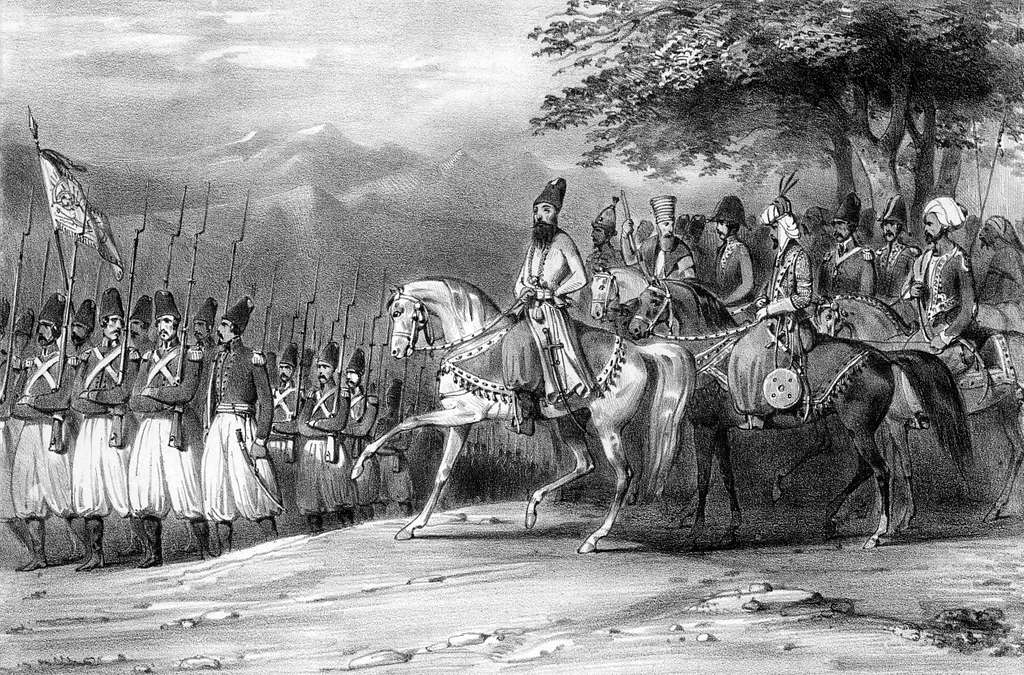
As I walked home that evening and began organizing my notes, a story I had studied years earlier came back to me. It was the story of Abbas Mirza.
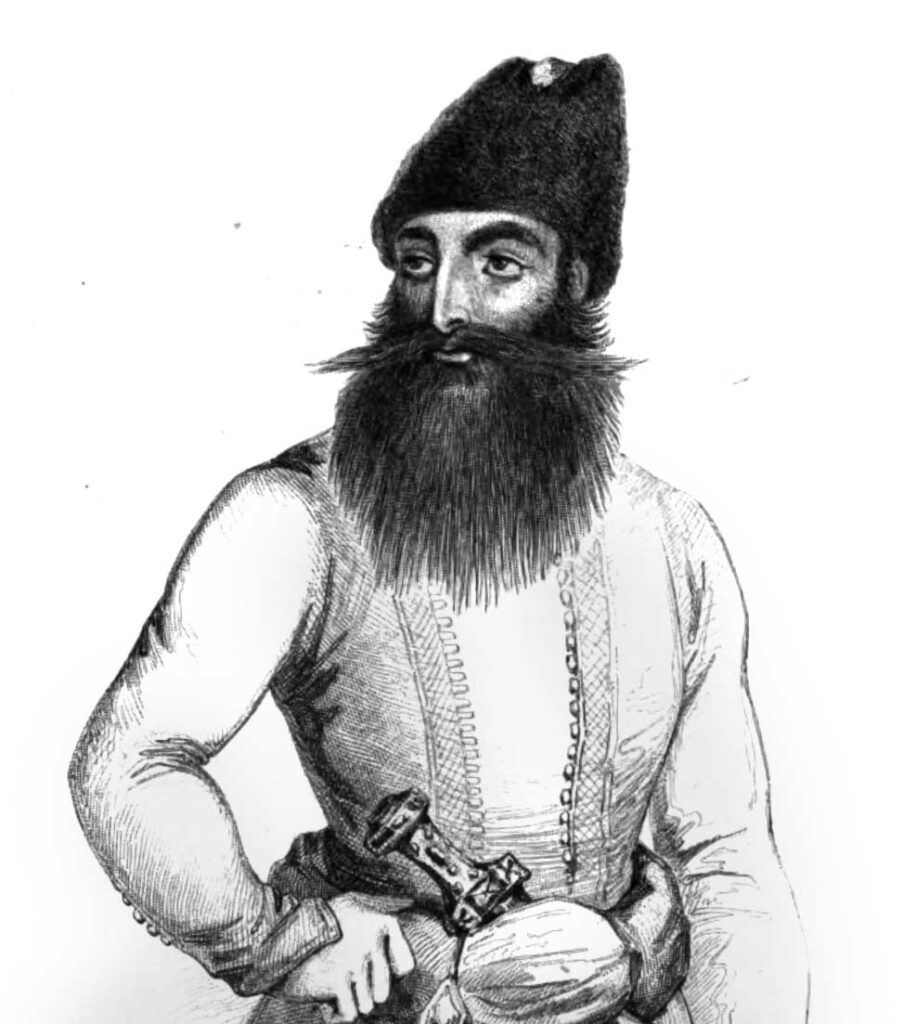
Abbas Mirza was a crown prince who could have remained safely behind the front lines. Instead, he chose to command Iran’s army himself. He appealed to tribes and communities across the country to defend Iran against the invading Russian forces.
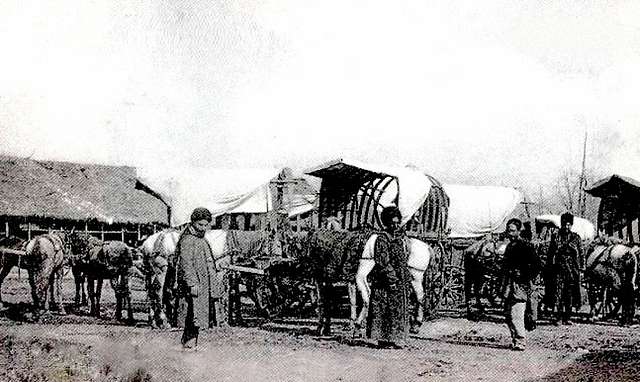
During the Qajar era (1789-1925), Iran fought two devastating wars against Imperial Russia. The Qajar state is remembered in Iranian history mostly for incompetence and for losing large parts of the country’s territory. Yet among the figures of that period, one name has continued to command respect across generations.
Iran lost the war. Its military was no match for the Russian Empire. But Abbas Mirza was not remembered for winning. He was remembered because he stayed. He fought. He shared the fate of his soldiers. More than a century later, he is still regarded by many Iranians as a patriot.
I thought about that story a lot in the days after the funeral.
Simin was still grieving her husband, still living with uncertainty. The history teacher openly disagreed with the Islamic Republic’s ideology. The elderly woman had come despite her age, simply because she believed she was defending her country.
They did not share the same politics. They did not speak with one voice. They did not even attend the funeral for the same reasons.
But they all drew the same line.
Whatever disagreements they carried with one another, they believed those disagreements belonged inside Iran — not in the hands of a foreign power.
I came to the funeral expecting to cover the death of one man. What I found instead was a country trying to make sense of itself.
Some of the people I met supported the government. Others opposed it. Some were deeply religious. Others were not. Some came to mourn. Some came to defend what they believed was their country’s sovereignty. Some carried grief. Others carried anger.
Many carried both.
None of them fit neatly into the categories through which Iran is so often described from the outside.
President Trump entered the war promising to “liberate” the Iranian people. The assumption was that pressure would turn Iranians against their own system. And many Iranians did oppose the decision to go to war.
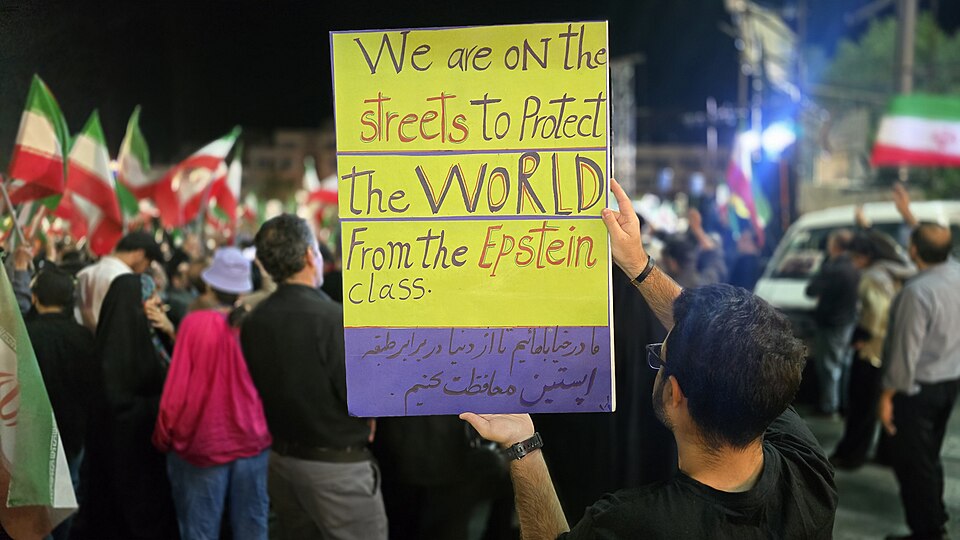
But the assumption behind it — that opposition to the war would translate into a turn against the state, and toward the outside powers acting on Iran — is not what I saw on the streets.
I don’t want to overstate this. Three days in Tehran cannot speak for every Iranian. But after those three days, one thing had become clear.
The story unfolding in front of me was far more complicated than the one I thought I had come to cover.