
Israeli teacher opens up two years after his arrest over Facebook posts about Gaza
Nearly two years after his arrest over Facebook posts about Gaza, an Israeli teacher reflects on losing his freedom, rebuilding his life and why he still refuses to stay silent.

- 1 month ago
 July 20, 2026
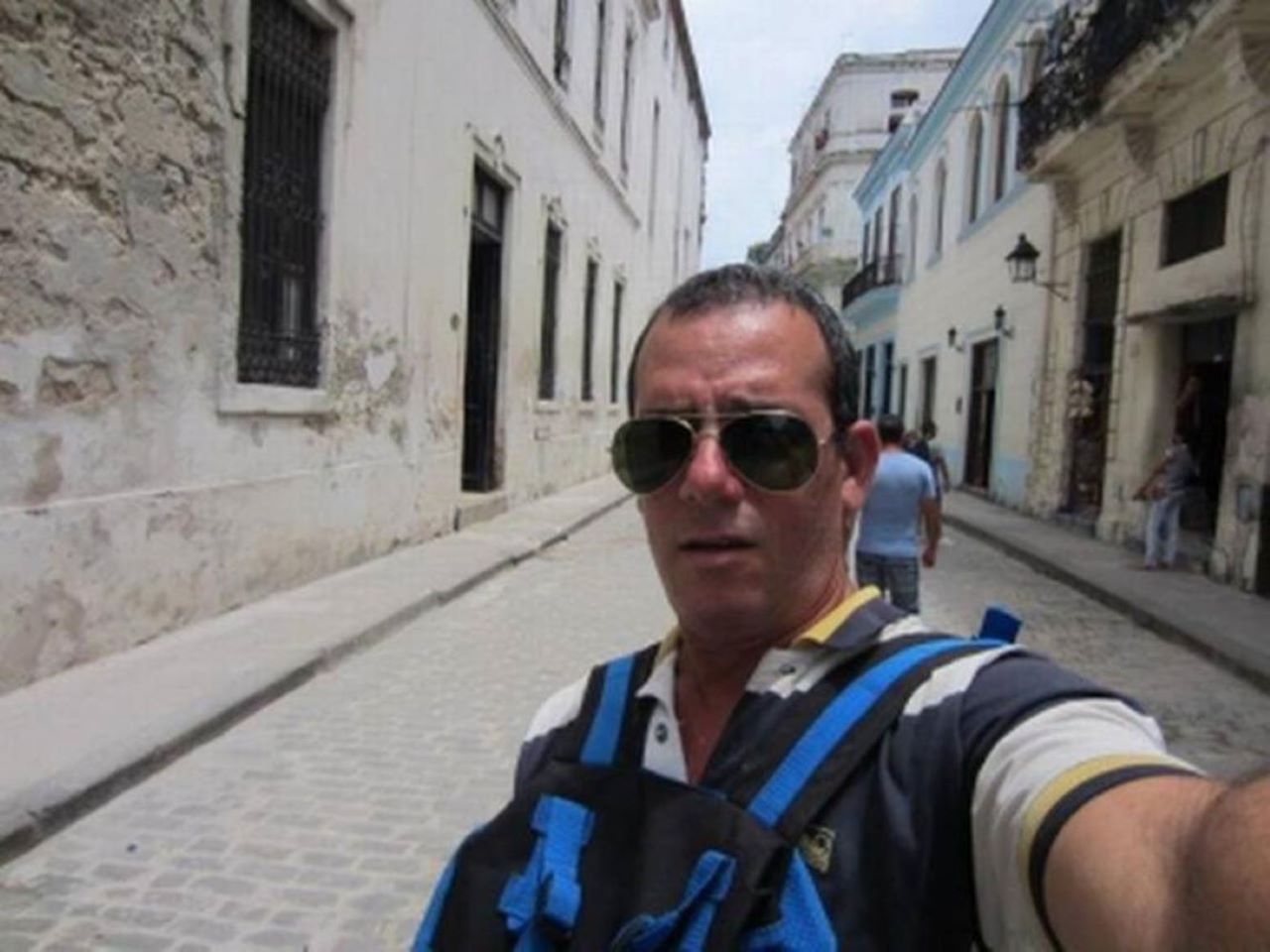
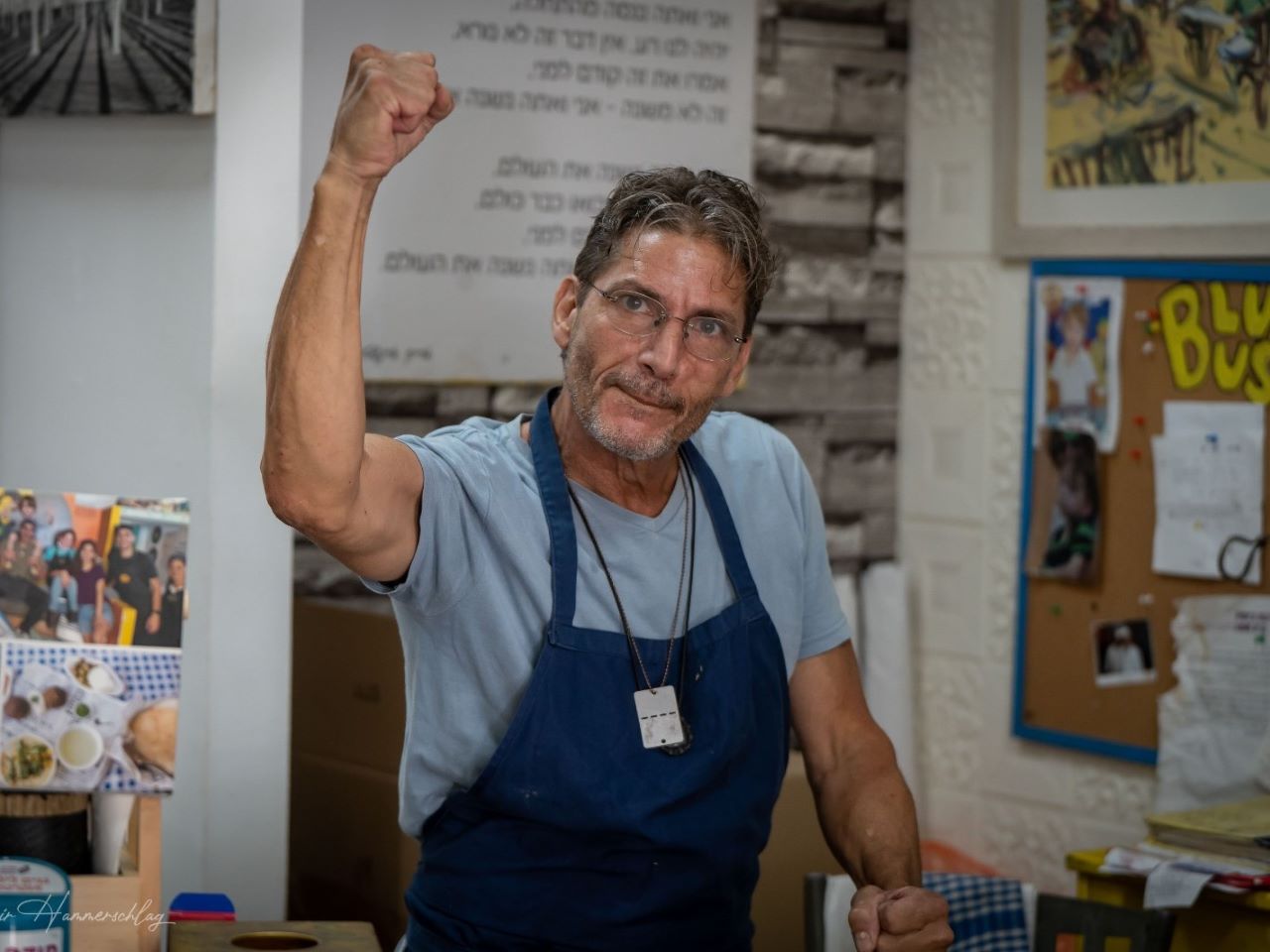
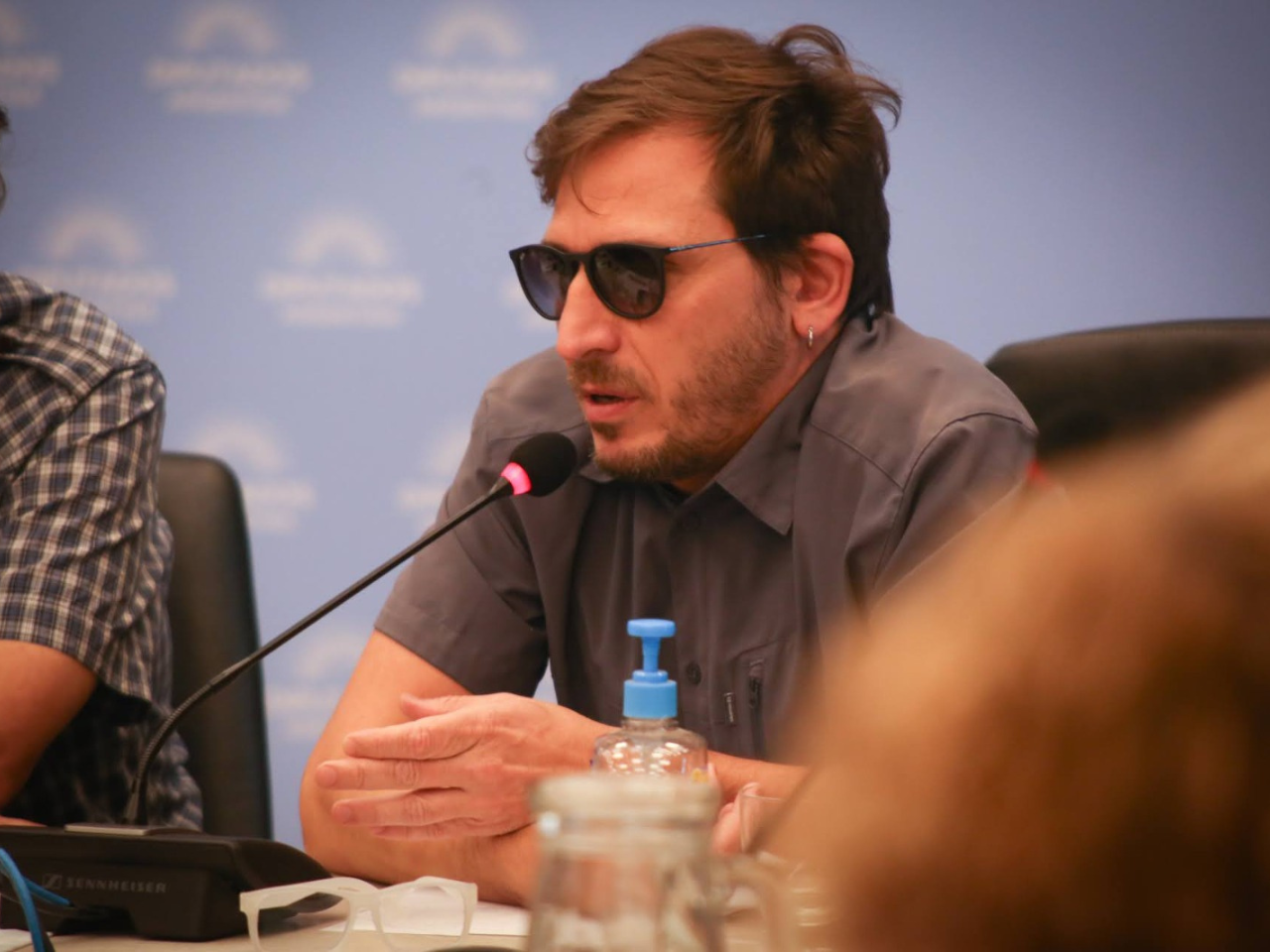
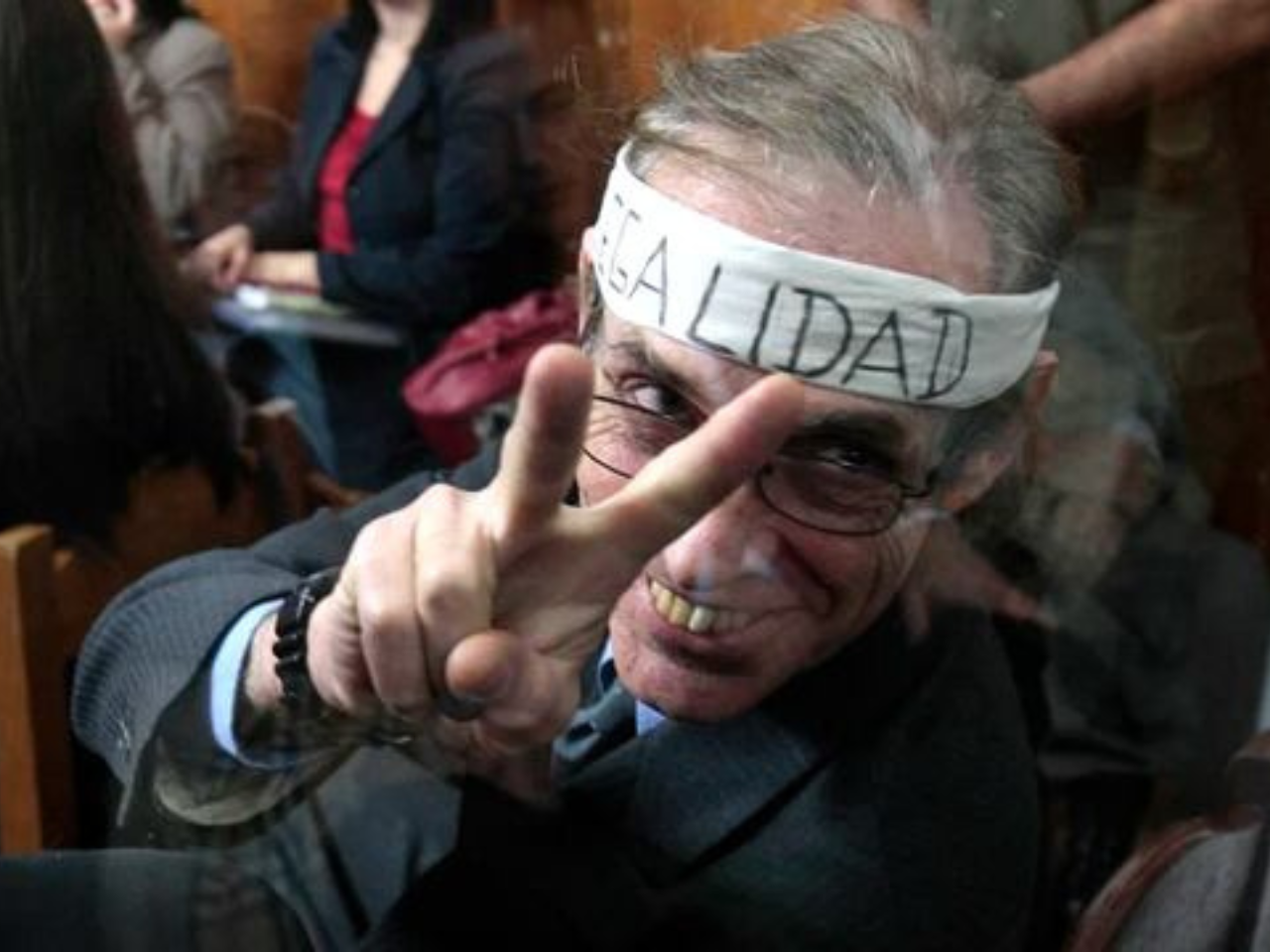
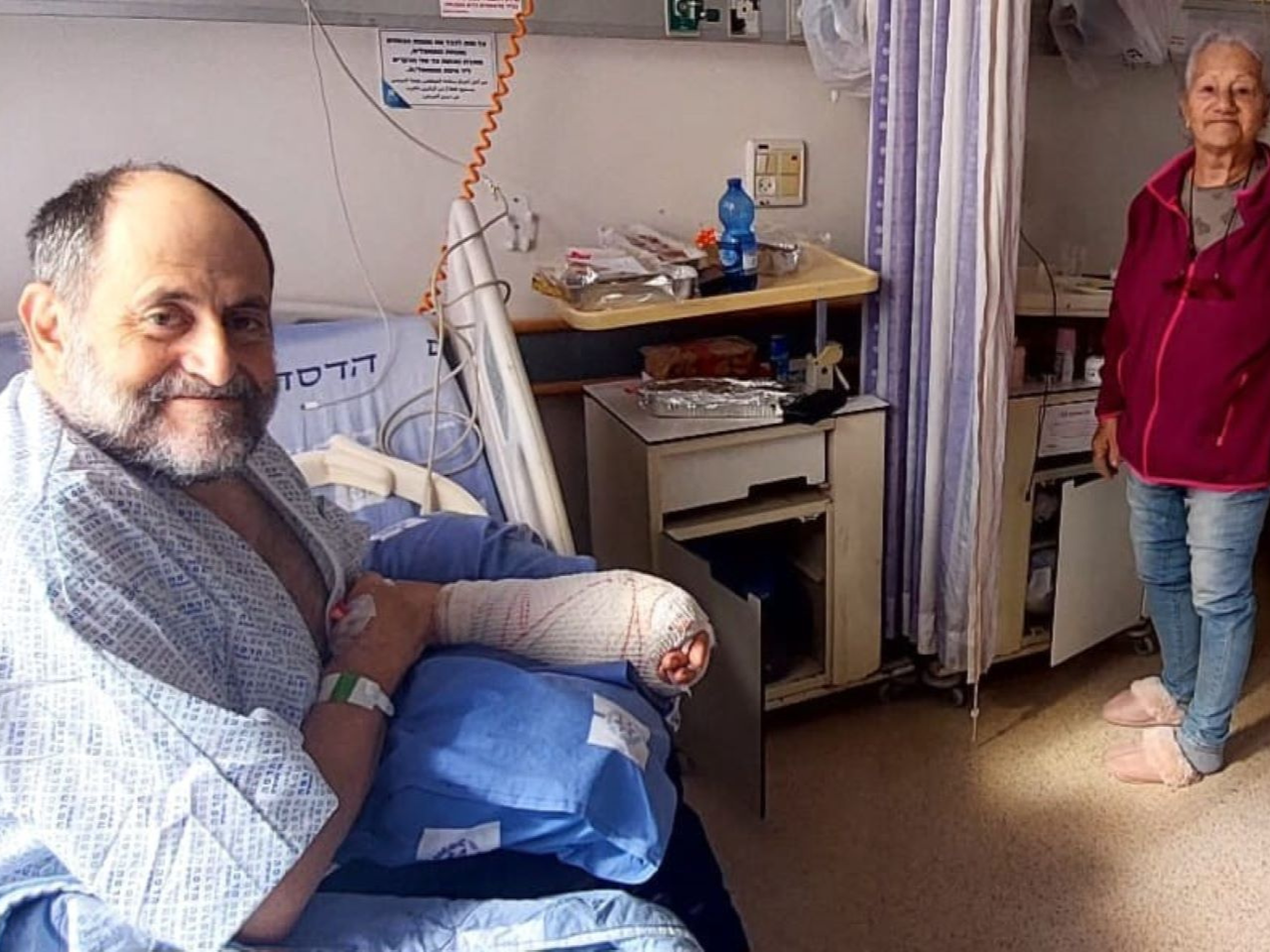
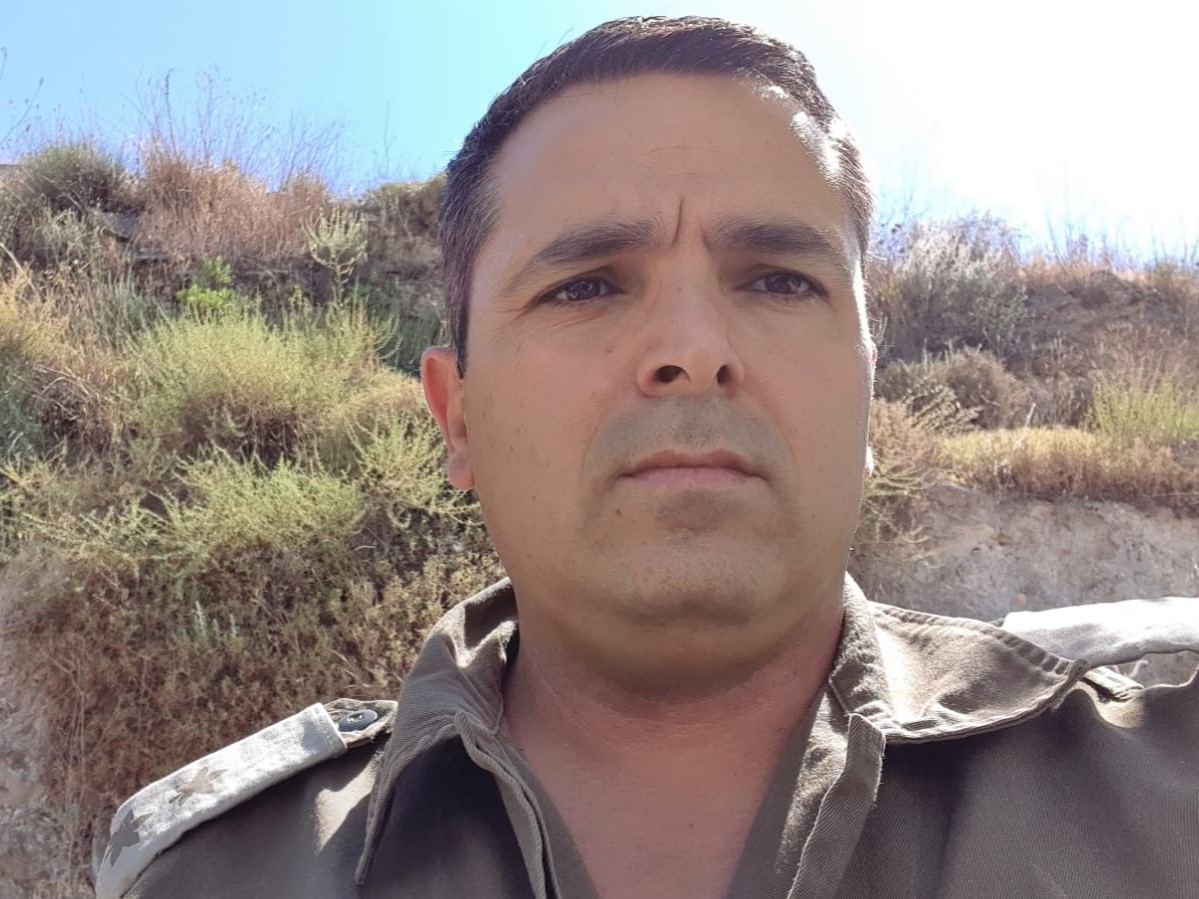
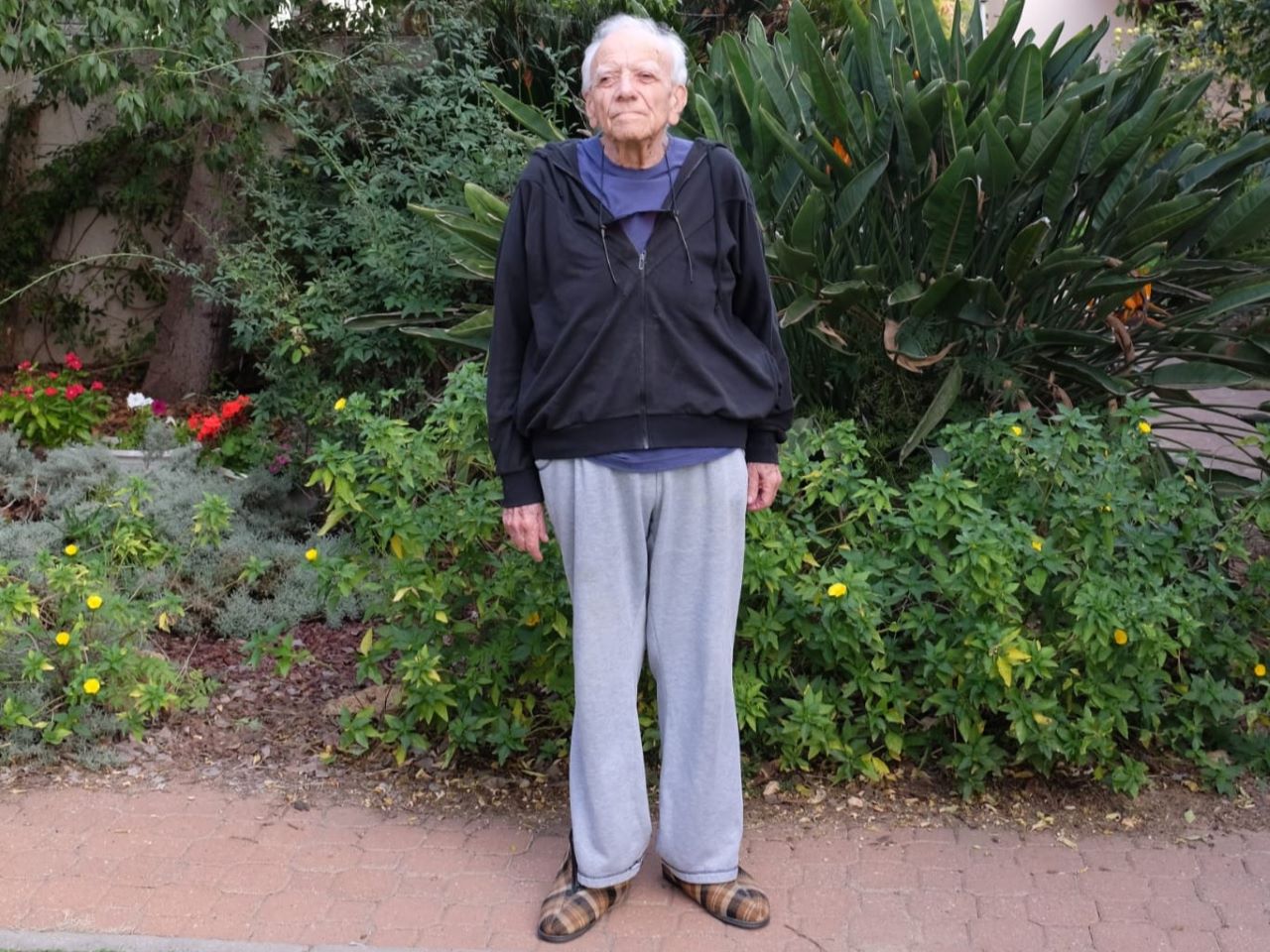
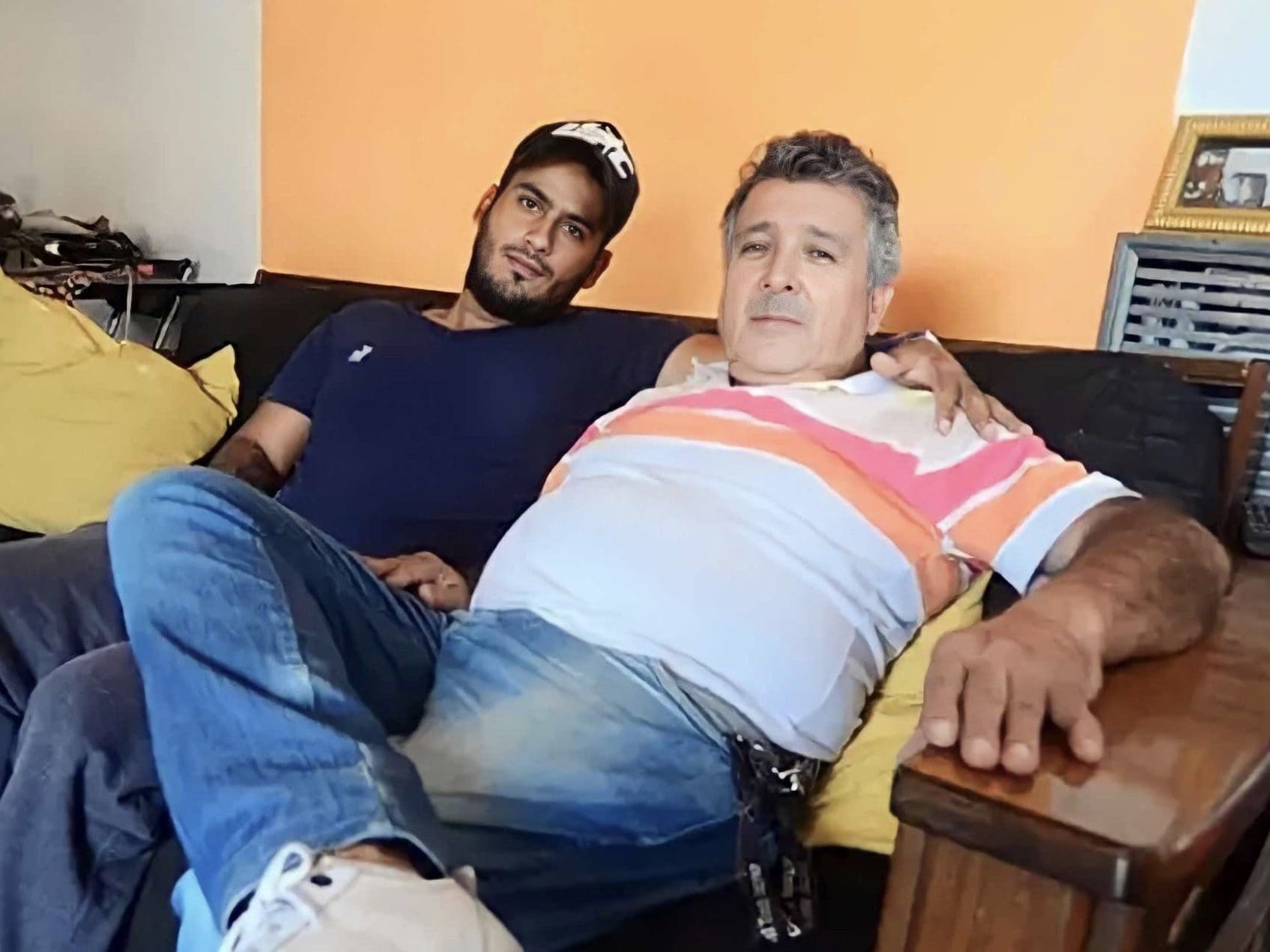
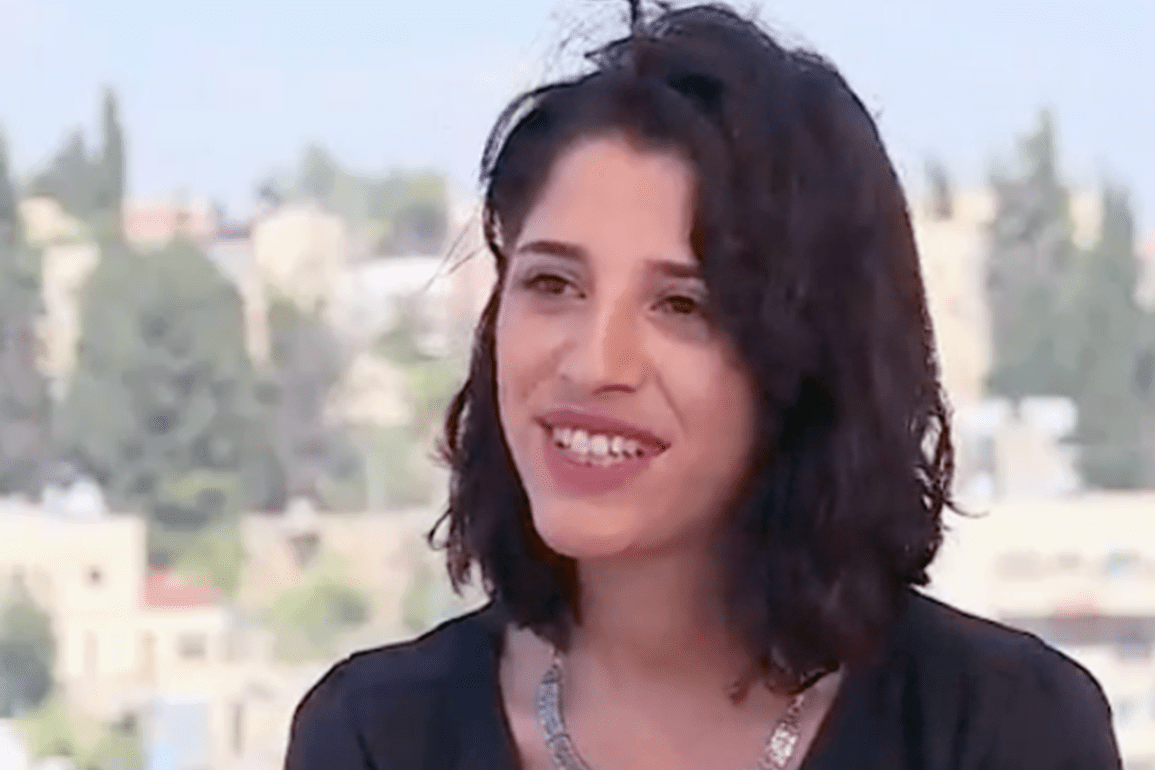
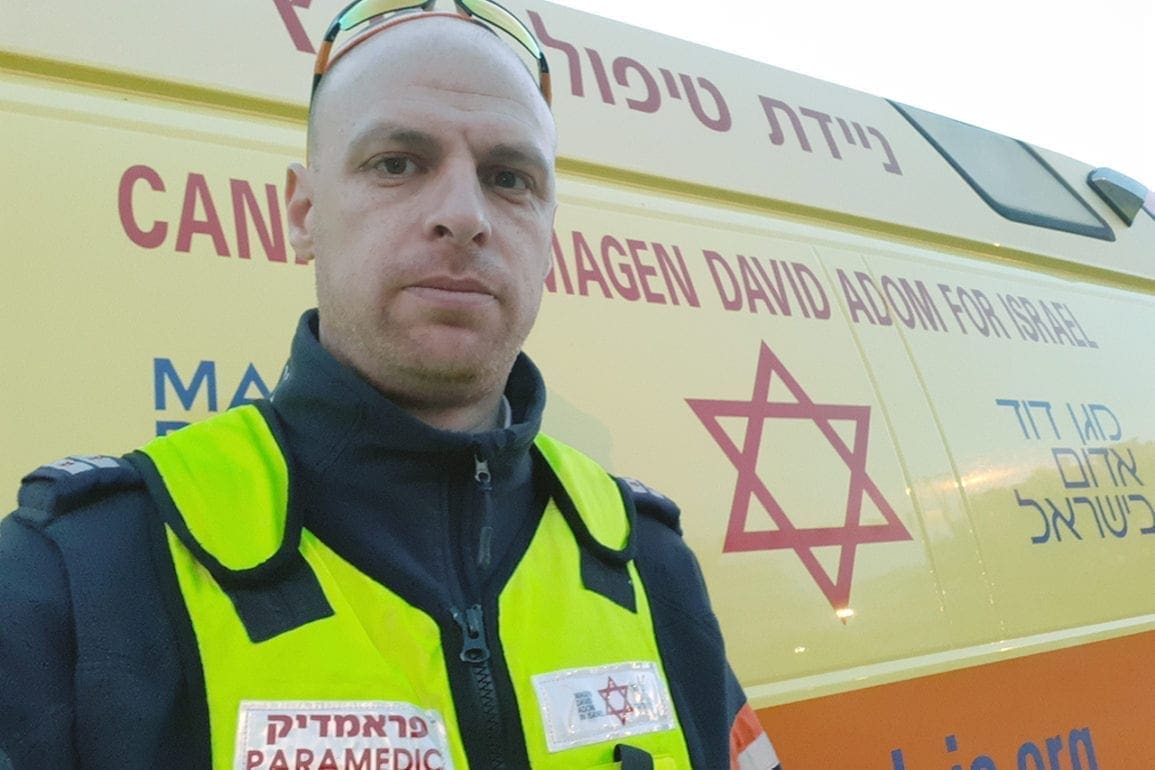
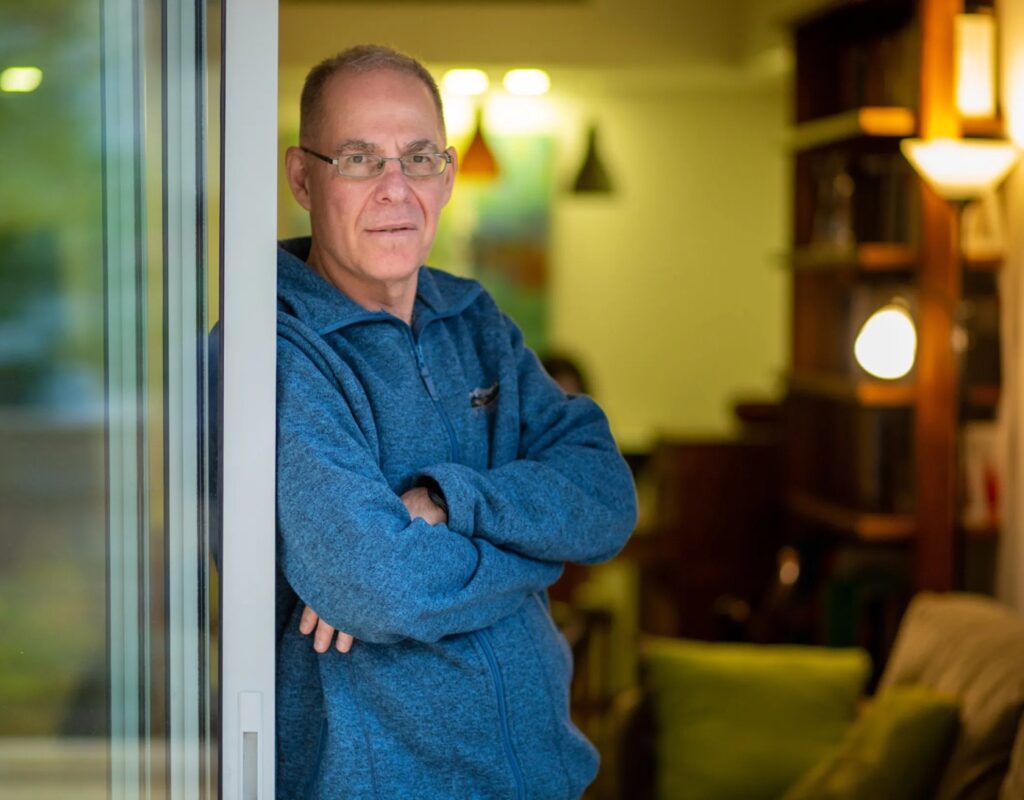 Israeli history teacher Meir Baruchin says speaking out about civilians in Gaza changed his life forever.
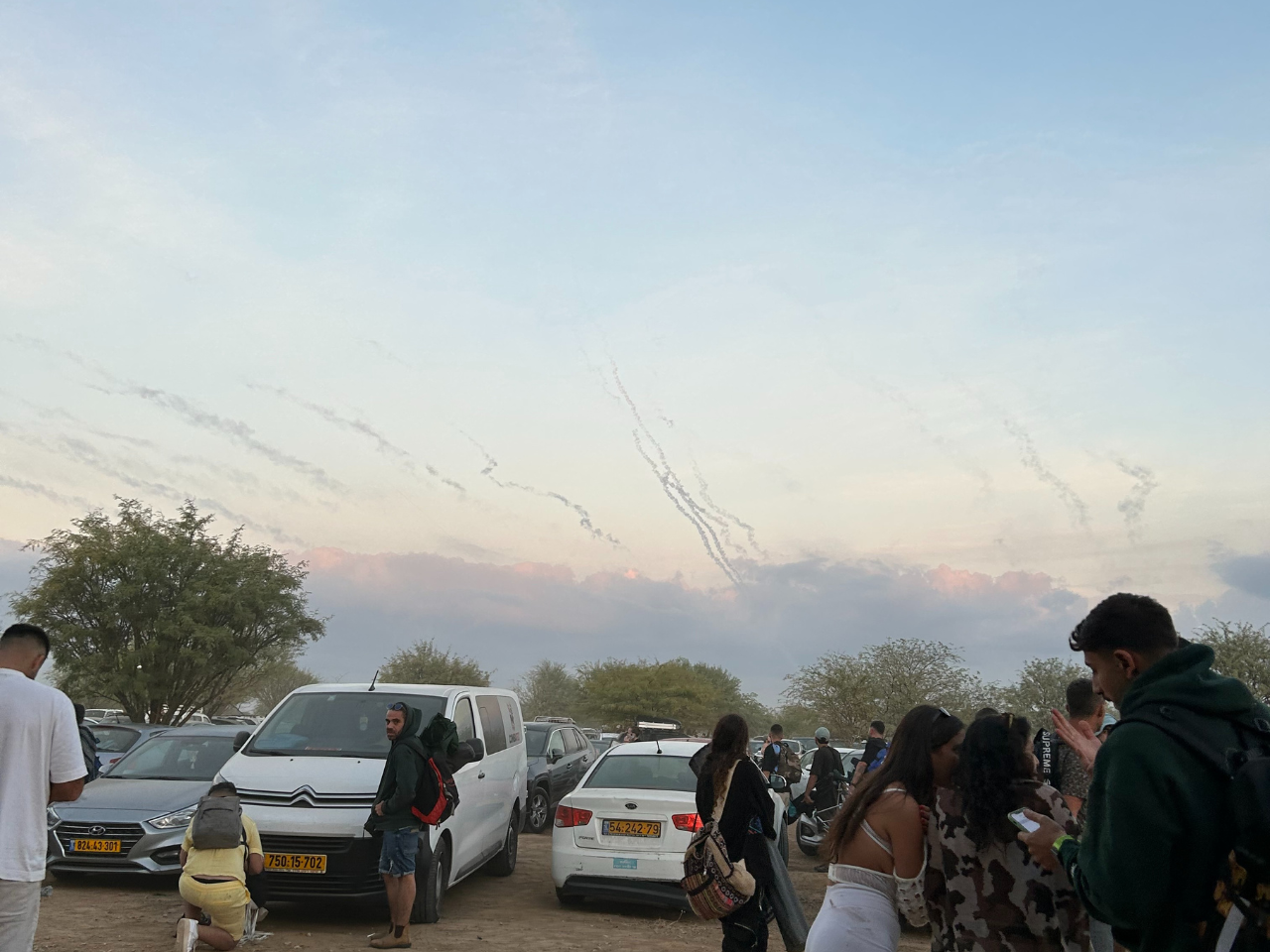
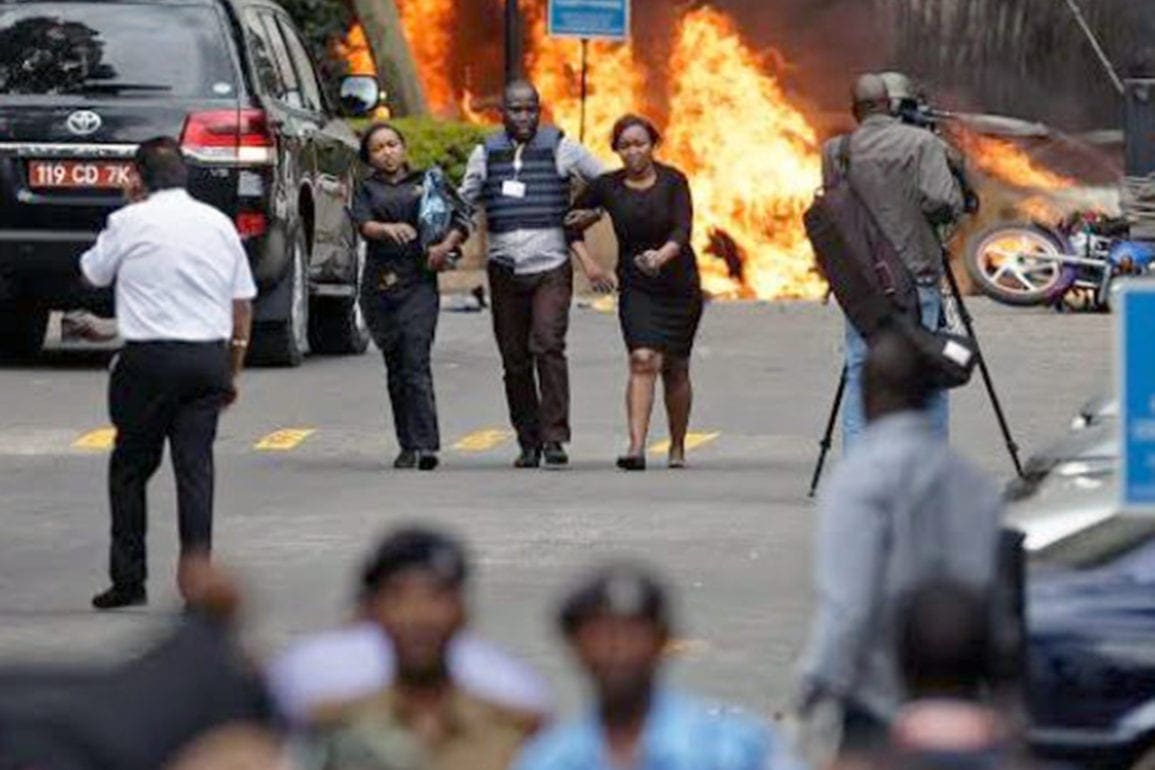
Oct. 7, 2023 wasn’t particularly different from countless other mornings before it: A siren cuts through sleep, a rush to move to shelter, and then wait for the all-clear. For Israelis, the sound is both terrifying and familiar. It interrupts breakfast tables, classroom lessons, family gatherings and sleep. Half-awake, I let muscle memory be the guide as I made my way to the shelter.
I was feeling uneasy but not panicked because sirens are a common part of life here. I switched on the television inside the shelter. What I saw was horrifying. The reports coming in from southern Israel were chaotic. Images and videos of violence, confusion and death. So much blood and people running here and there to save themselves. It was like watching a Hollywood horror movie.
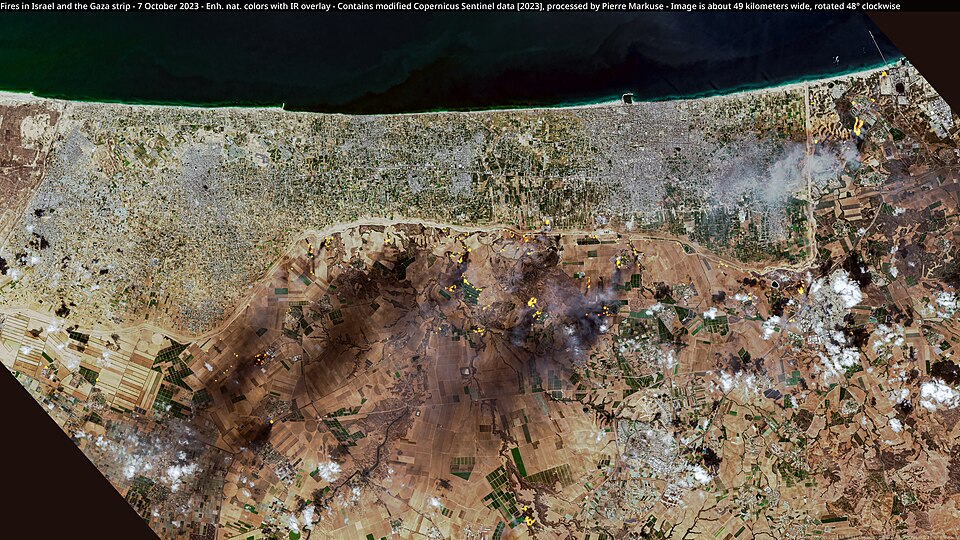
Even though I was physically safe, something didn’t feel right. I couldn’t concentrate. I didn’t like eating. I couldn’t sleep. My thoughts kept circling back to the same question: How much suffering was still to come?
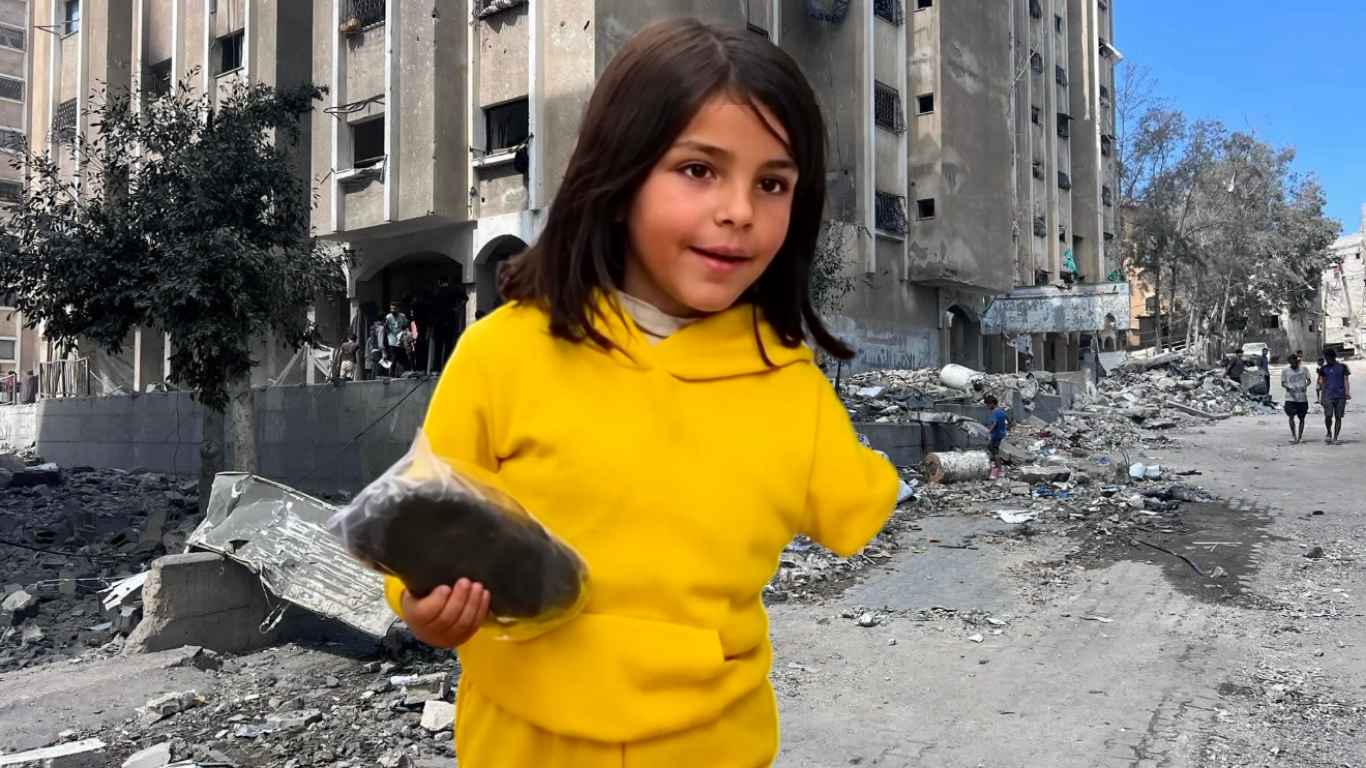
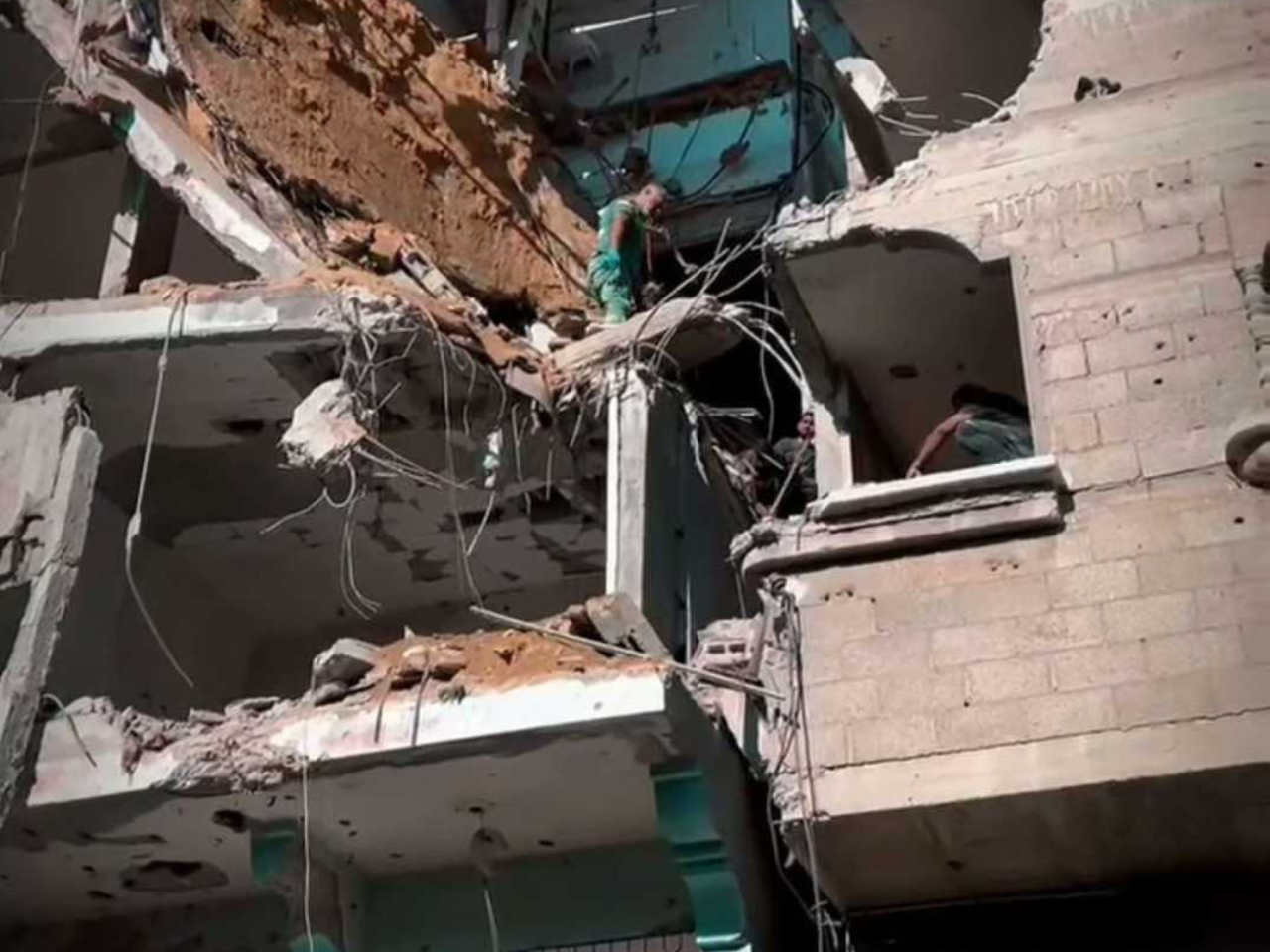
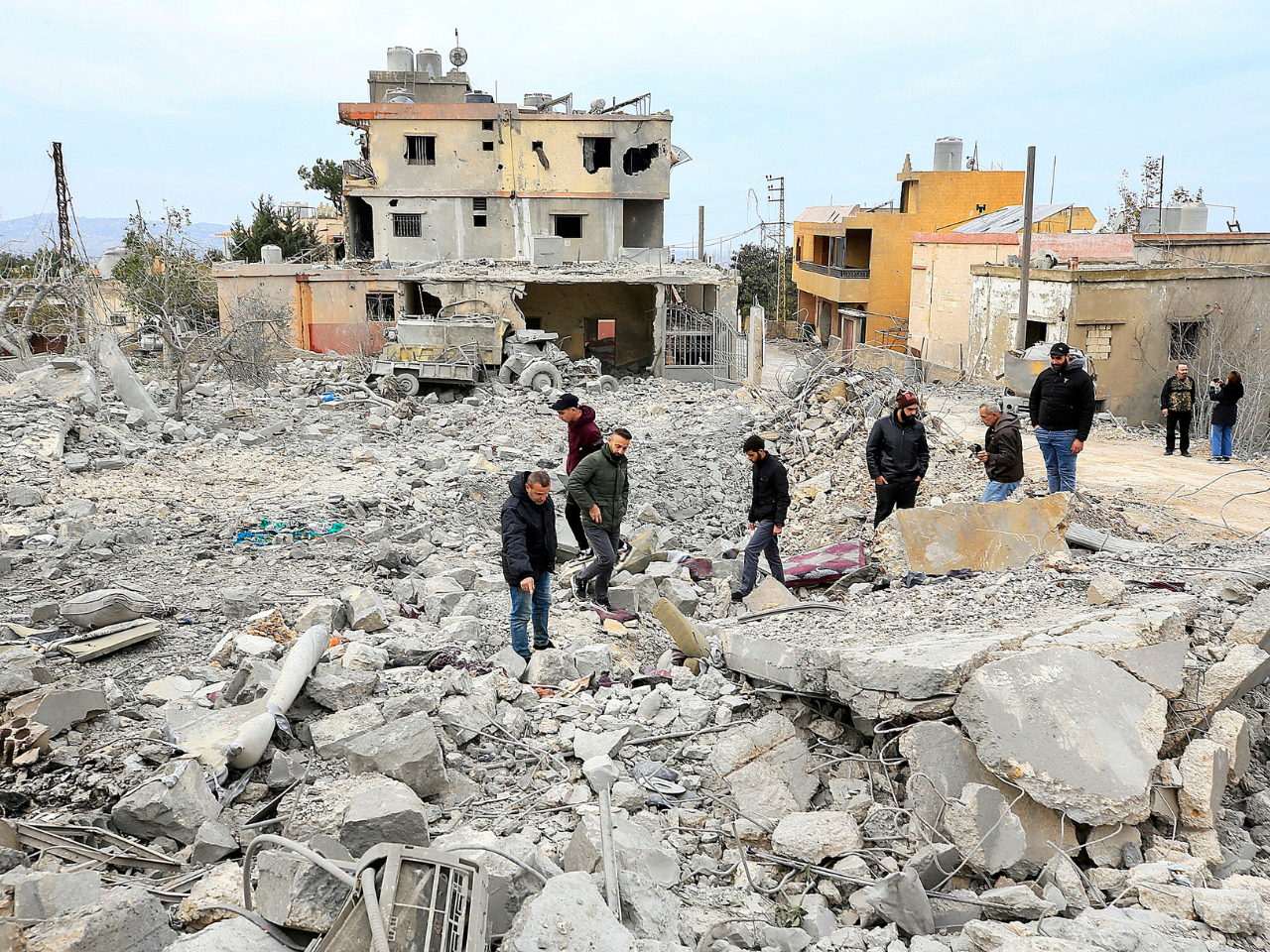
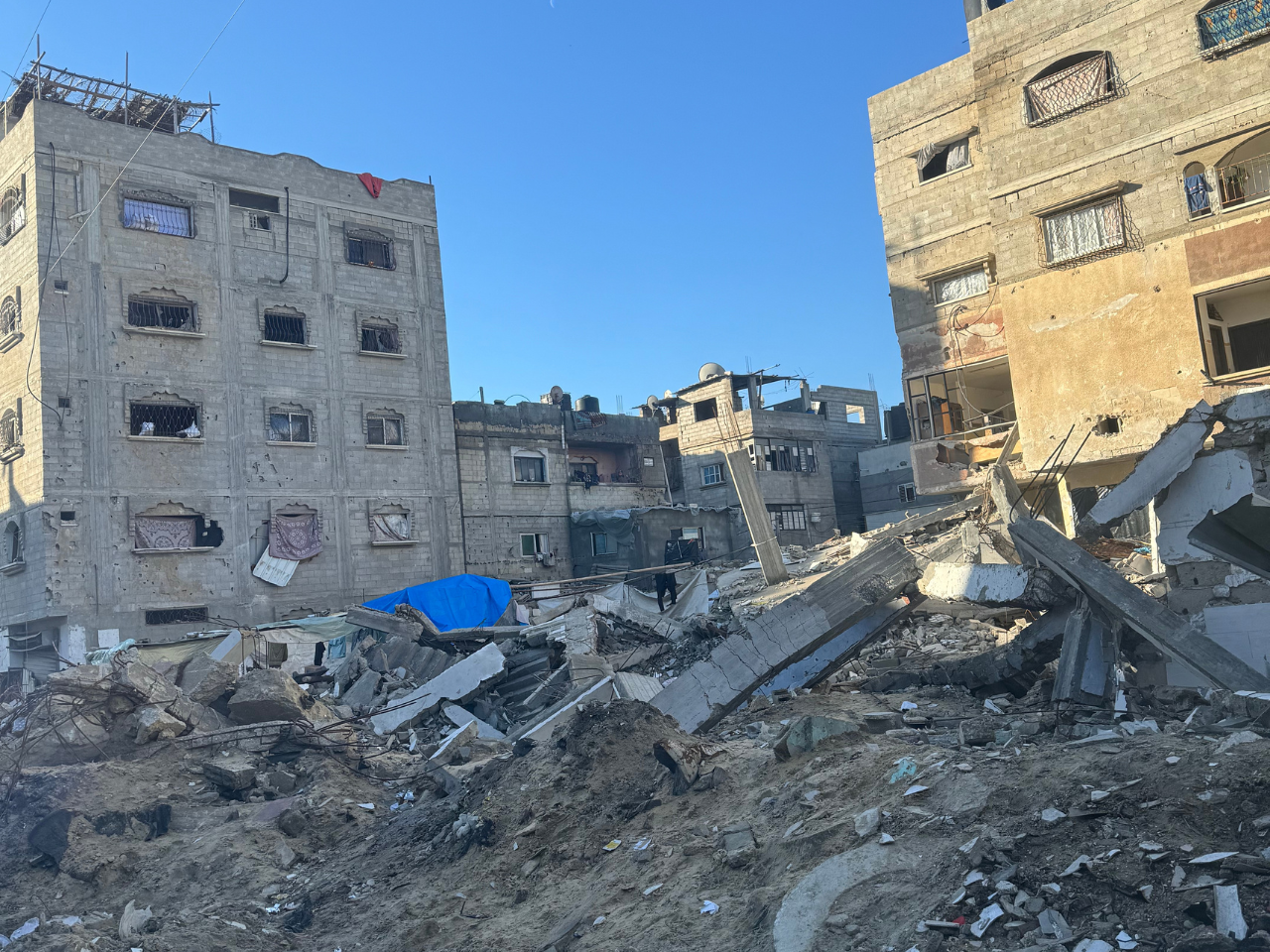
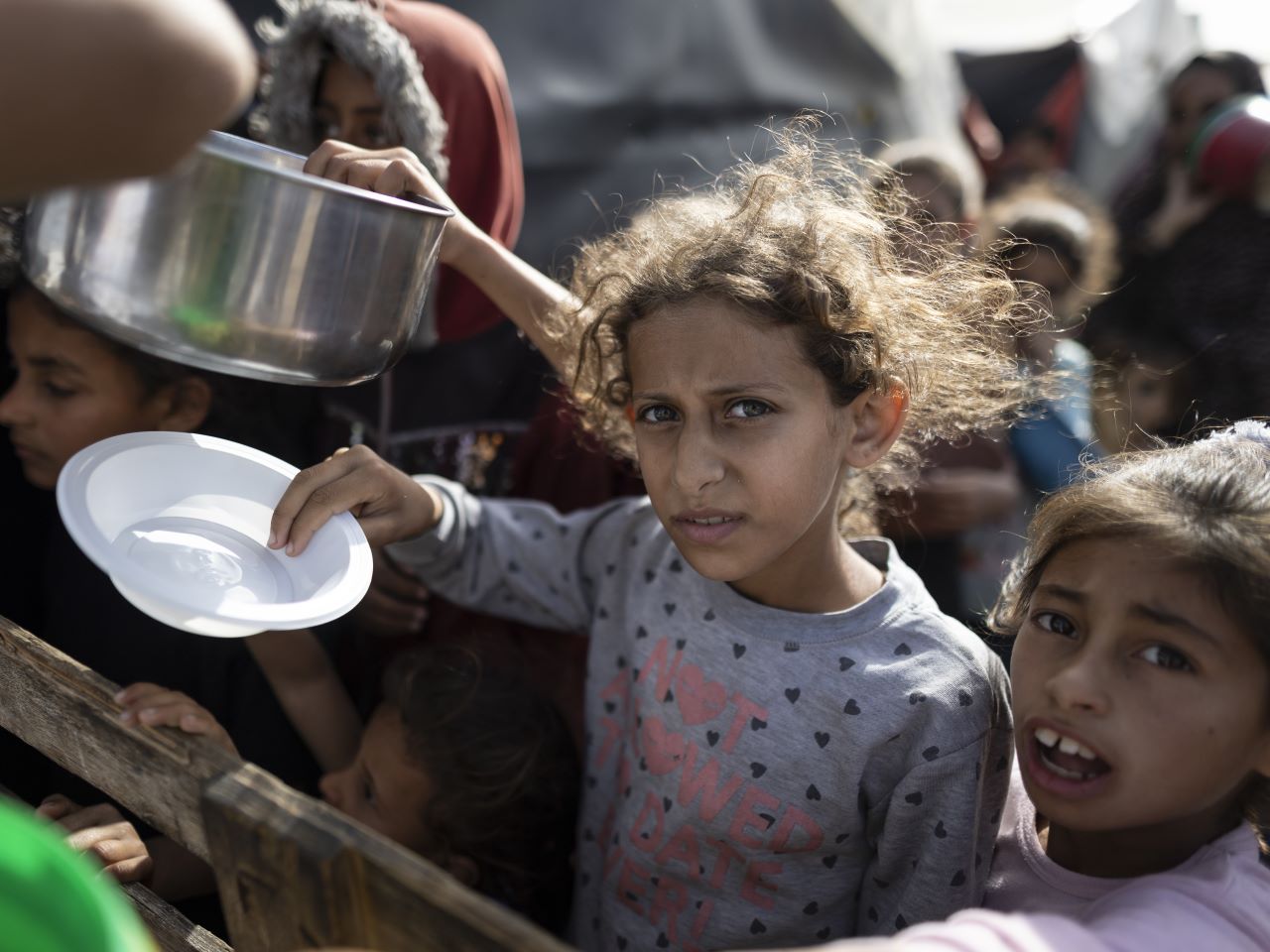
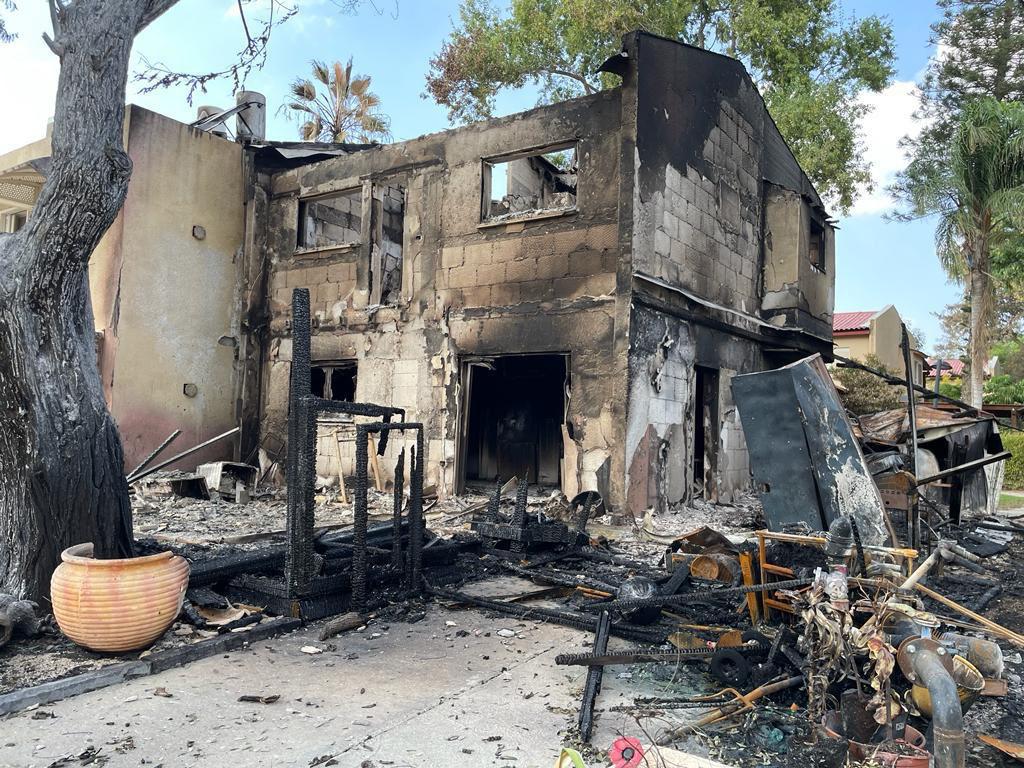
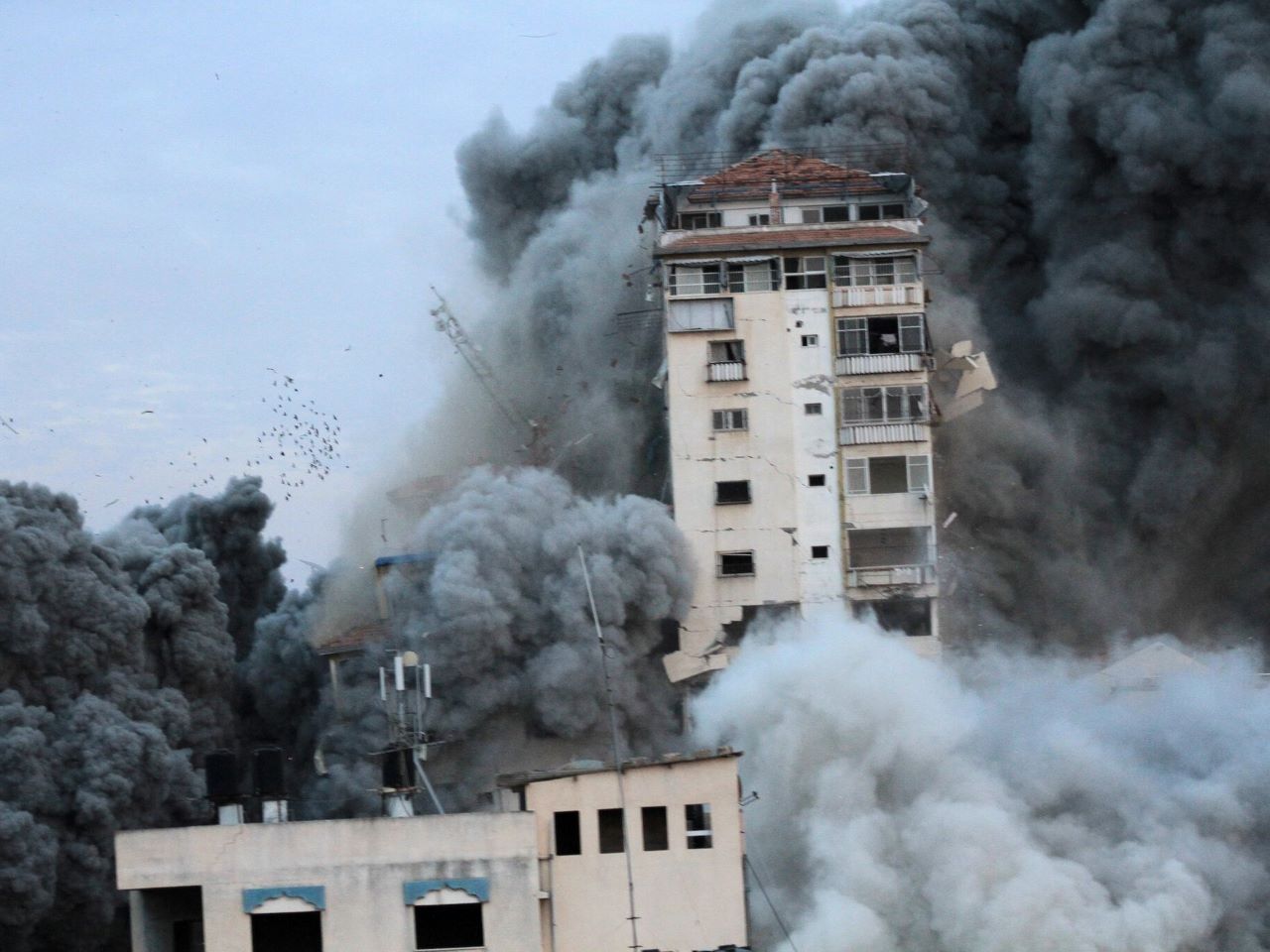
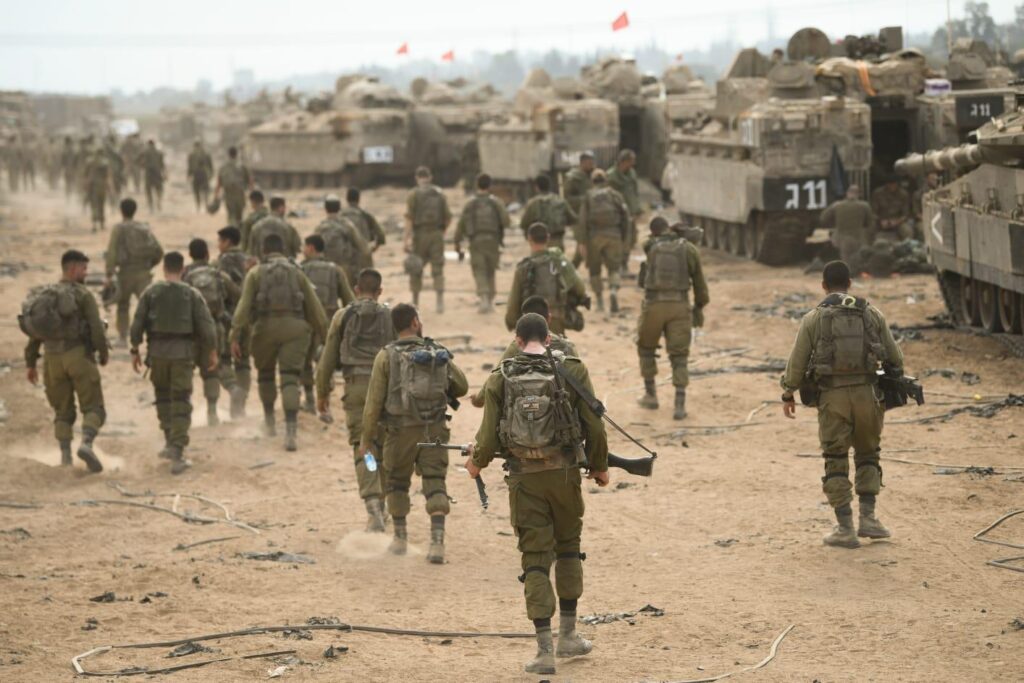
Everyone saw what happened after Oct. 7, and it still continues to this day, without any sign of ending. As Israel’s military campaign in Gaza intensified in the days that followed, another set of images began appearing on our TV screens. Children pulled from rubble. Parents searching desperately for missing family members. Entire neighborhoods reduced to dust, rubble and twisted concrete.
I couldn’t look away. And I couldn’t remain silent either.
I am a history and civics teacher. My profession is rooted in asking difficult questions, examining power and encouraging students to think critically about the world around them. Speaking out felt less like a choice and more like an obligation. So, on Facebook, I began posting about the civilians being killed in Gaza.
Taking to Facebook
Truth be told, I had been posting about Gazans before Oct. 7. The goal was often to share the faces of those who had been arrested. After Oct. 7, the tone became more urgent. I was sharing the faces of those who had been killed. I was trying to give them names and introduce them to Israelis, so they would be able to see Palestinians as human beings.
I wrote about innocent people trapped in a war they did not create. I wrote about women and children dying beneath collapsing buildings. I wrote about hunger, grief, humanity, and the value of every life.
For example, on Oct. 10, I wrote:
Every man has a name,
Even if he is Palestinian,
Even if he resides in Gaza.
On Oct. 16, I wrote:
Meet Shaimaa Akram Seydam. 18 years old. A resident of Nusairat. The Gaza Strip. A few months ago she was chosen to be the most outstanding student in the Gaza Strip. Yesterday she was murdered along with several members of her family during the bombing of our excellent pilots.
No coverage of the Israeli trash media. Most of the Jews are not interested. This is a routine of Palestinians.
On Oct. 17, I wrote:
Meet Professor Mahmoud Mahfouz Al-Masri “Abu Mohammed”. Resident of Rafah. Lecturer at the Islamic University. He doesn’t exist anymore. Yesterday he was killed along with several other members of his family as a result of the bombing of our excellent pilots. They were all buried alive under huge blocks of concrete, after the building they lived in turned into an island of ruins.
I had called out Prime Minister Benjamin Nethanyahu. I accused him of not really caring about the Israeli hostages. He was too busy providing “opium to the masses. In the form of blood, destruction and grief.”
The response arrived almost immediately. At first, it was a handful of angry comments. Then dozens. Then hundreds. Soon, thousands of messages flooded my account. People I had never met called me a traitor. Some wished death upon me. Others wished death upon my children.
Strangers asked me to leave Israel and move to Gaza. Every time I refreshed my screen, there was new hatred waiting for me.
I tried to explain in a Facebook post. I wrote, “In the face of many responses that I’ve been receiving since Saturday morning, I’d like to clarify:
1. I don’t support murdering babies
2. I am against rape.
3. I am against body abuse.
4. I’m against kidnapping.
5. I’m against burning houses with their residents inside.
6. I am against elder abuse.
7. I am against the murder of innocent civilians.
I hope these messages are clear enough. These are not things that I have until now found appropriate to clarify. These are the things I expect from people with basic morals to understand alone.”
What disturbed me most was not the anger directed at me but the enthusiasm for more suffering. Many of the messages seemed to celebrate destruction. The loss of civilian lives did not appear to trouble them and some even demanded harsher actions. It felt like morals flying out of the window.
Fallout at work
The vitriol was not confined to online exchanges. When I returned to work, I saw the hostility had followed me there too. The teachers’ room felt different; there were no warm greetings exchanged. Suddenly everyone avoided eye contact.
In the next few days after the official summon, the municipality called me in for a hearing. I hoped there might be some room for discussion, a chance to explain my heart. Instead, investigators hired by the school had already reached a conclusion.
Officials portrayed it as if I supported violence against Israeli babies. They suggested my social media posts justified terrorism. I felt their words were far from any reality, as if they were describing some other person and not me. The decision had already been made, so I didn’t feel like arguing with them. The officials fired me.
I was now unemployable. I lived off my savings and tried to make sense of how quickly life changed. I questioned whether Hamas should be eliminated in the manner the government is trying. I believe Hamas is an ideology and not merely a group of people who can be killed. You kill one, 10 will be born. It is the ideology that has to change.
By Nov. 9, everything became worse. The police summoned me. The allegation was sedition.
Speech as treason?
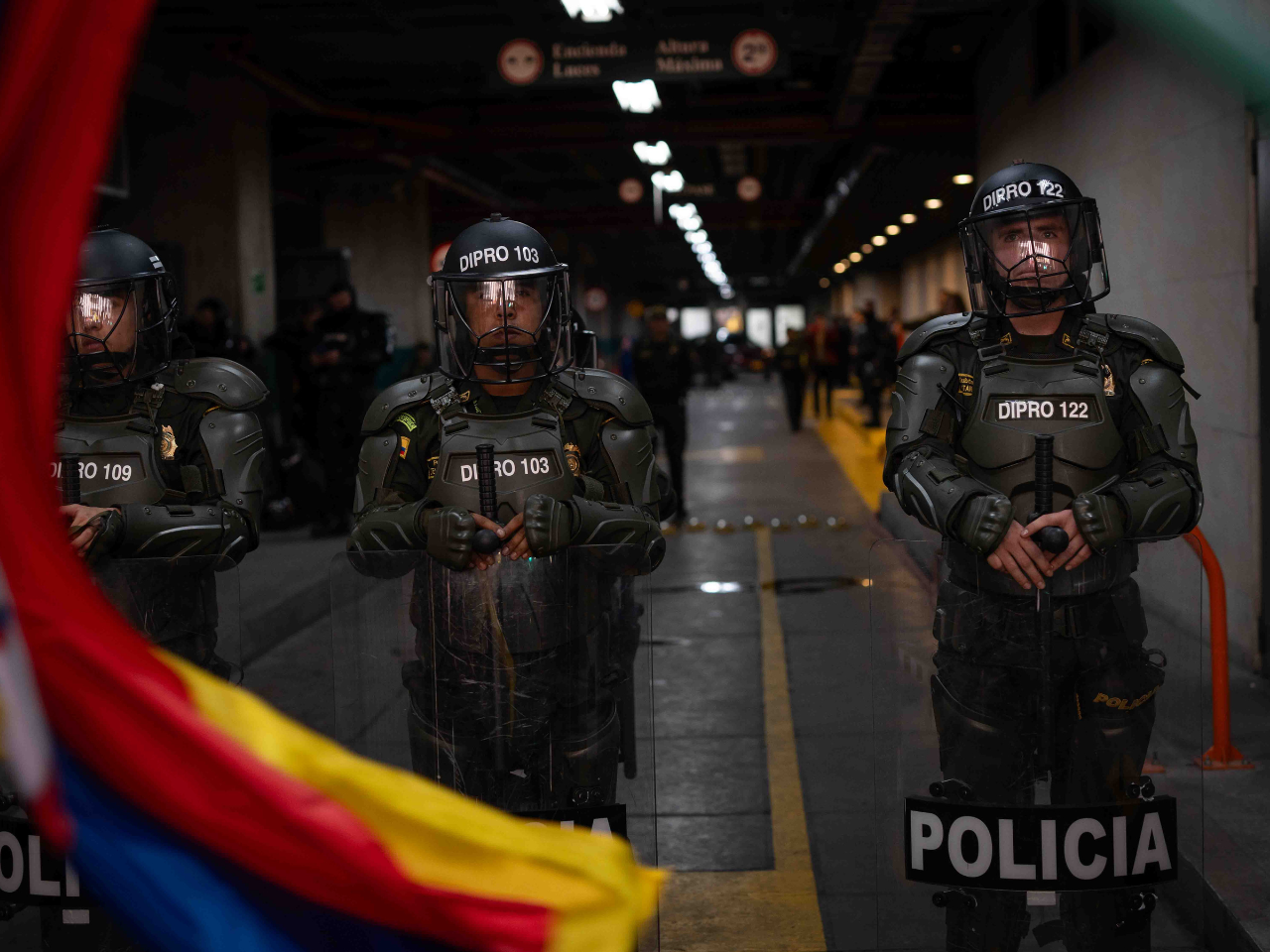
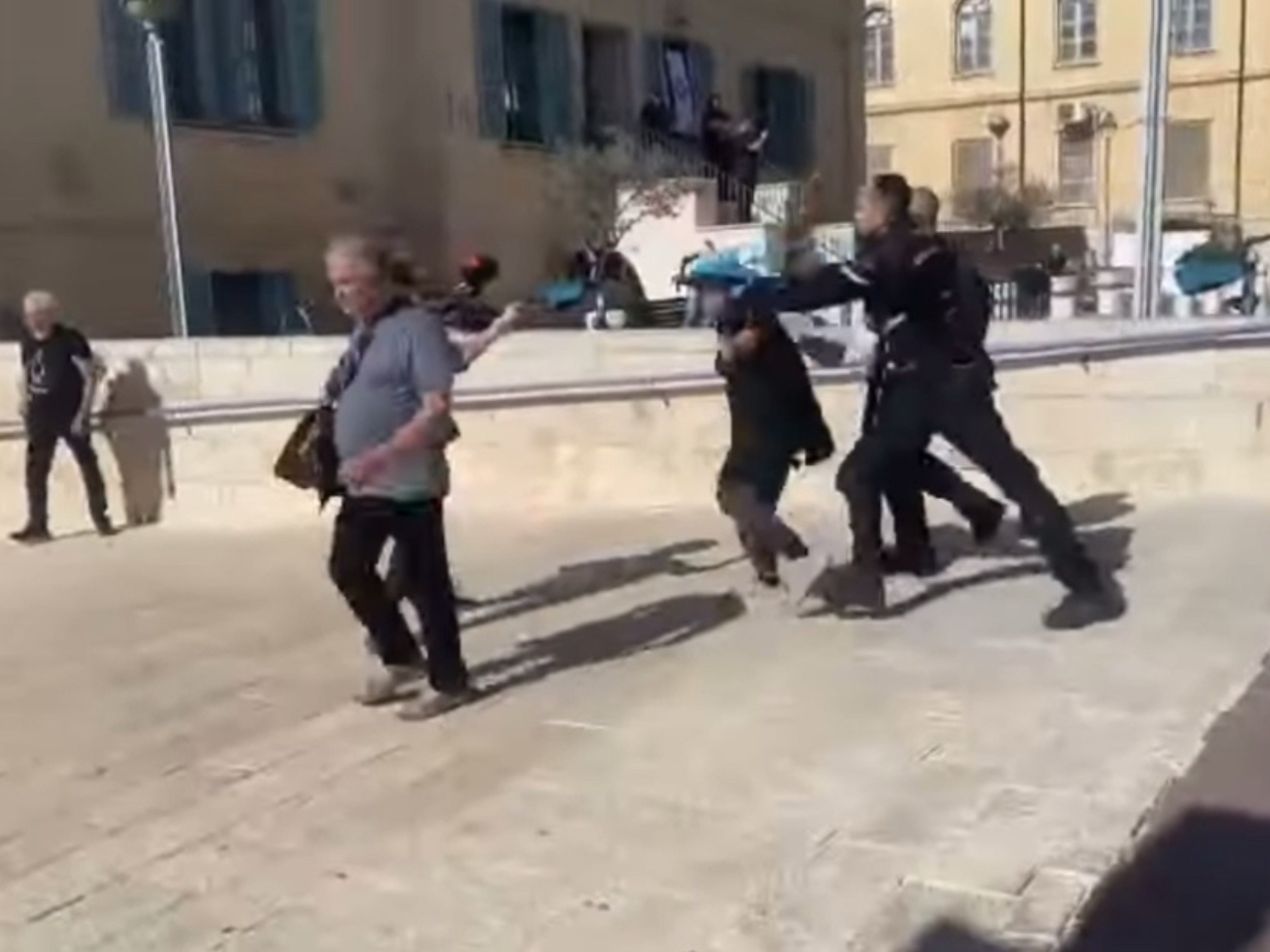
My lawyer advised me not to testify without proper authorization from the attorney general. When I arrived at the police station, officers confiscated my phone. They cuffed my hands and legs. They accused me of treason. They accused me of disorderly conduct when I refused to answer questions.
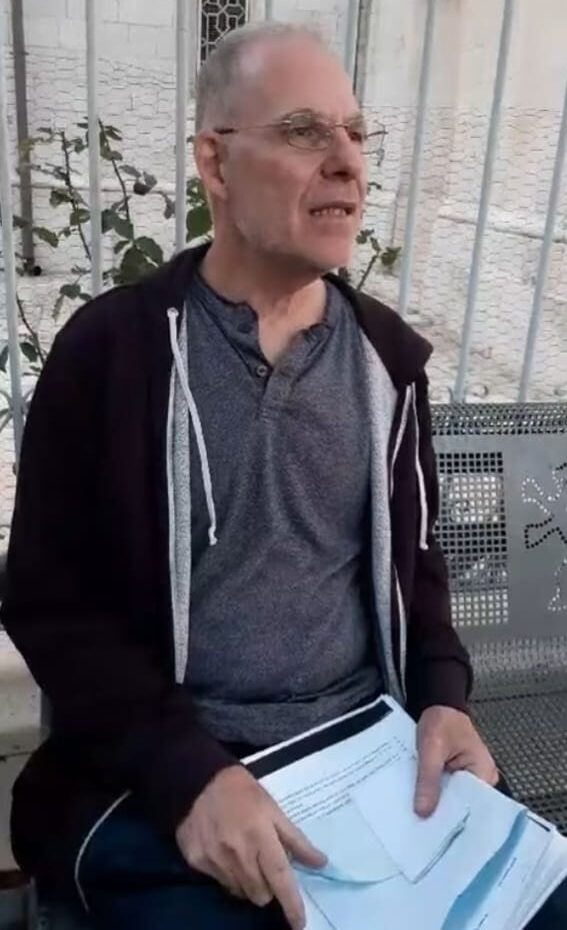
The interrogation did not feel like a search for truth. It felt like a demand for confession. The officers already seemed convinced of my guilt. I remained calm and repeated that I would not admit to crimes I had not committed. Hours later, they placed me in a cell.
At first, I assumed I would spend a few hours there before being released. I was wrong. A judge classified me as a high-risk detainee and put me into solitary confinement. The restrictions were severe. No communication with the outside world. No visitors. No books.
A few weeks earlier, I stood in front of classrooms discussing democracy, history and citizenship. Now I was being treated as though I posed a threat to the state.
The cell itself seemed designed to strip life down to its barest form. Its walls were gray. My entire possessions were reduced to my clothes, a worn towel and a blanket that smelled of cigarette smoke.
To survive mentally, I developed routines. I slept whenever I could. When I woke up, I did push-ups. Anything to keep my thoughts moving. Anything to resist despair. I refused to let the experience break me.
Four days later, the door finally opened. I stepped outside and inhaled. I felt free from the cell but not from my mind.
For almost 10 months from the incident, I was under investigation for “public disturbance” and “intent to betray the State of Israel” only because I published posts on Facebook.
Eventually, the courts ruled in my favor. The municipality and the Ministry of Education were ordered to reinstate me and compensate me for the damage they had caused. On paper, it was a victory. In reality, things were more complicated. Returning to school was not like returning home. The institution obeyed the court order, but tensions remained.
Back at home but not the same
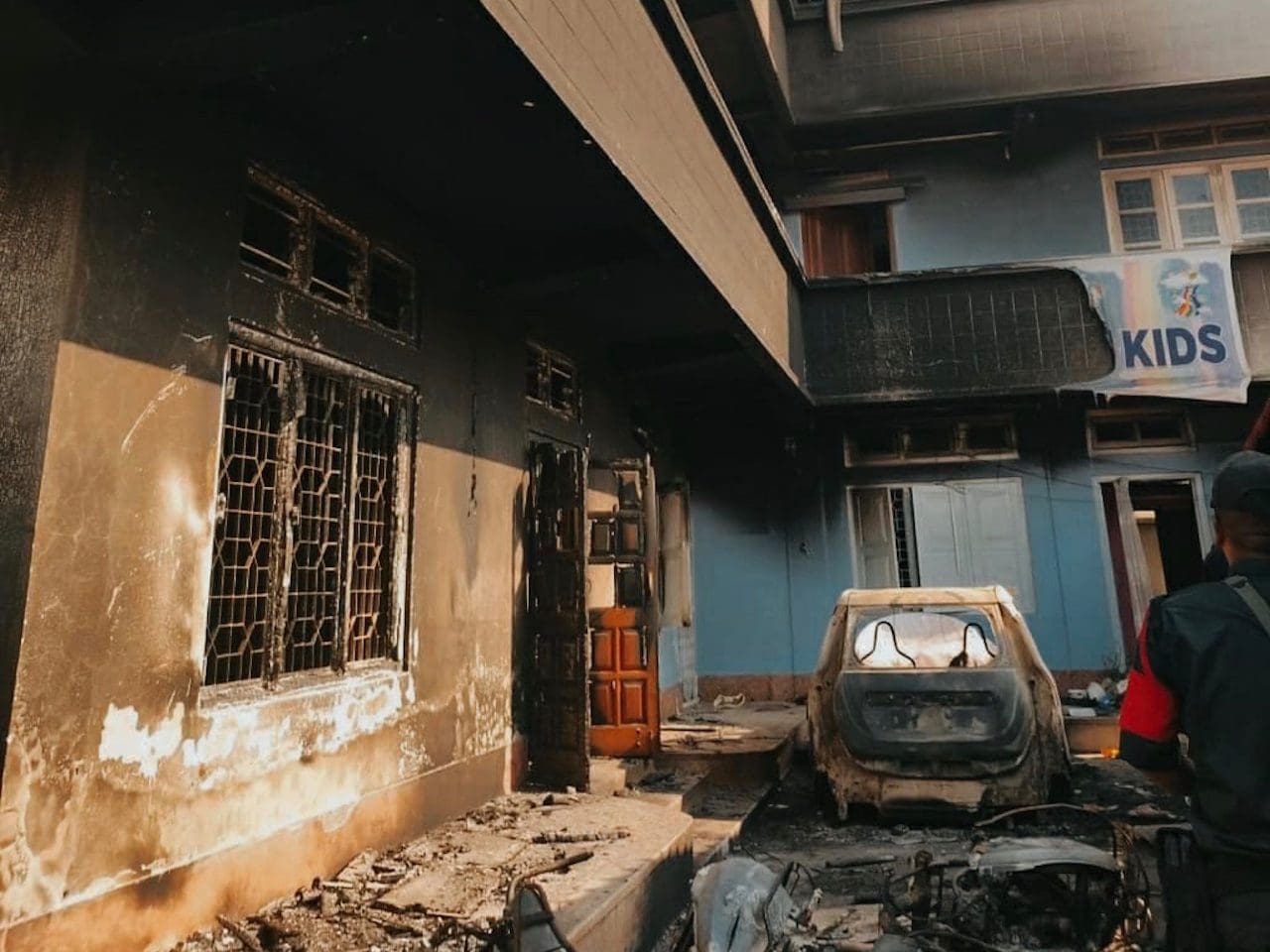
One of my friends had come to pick me up from prison. We drove back home, but upon arrival I saw complete destruction. The police had raided my apartment, ransacking it every which way. Drawers had been emptied. Papers were scattered across floors. Shelves had been overturned. Personal belongings lay everywhere.
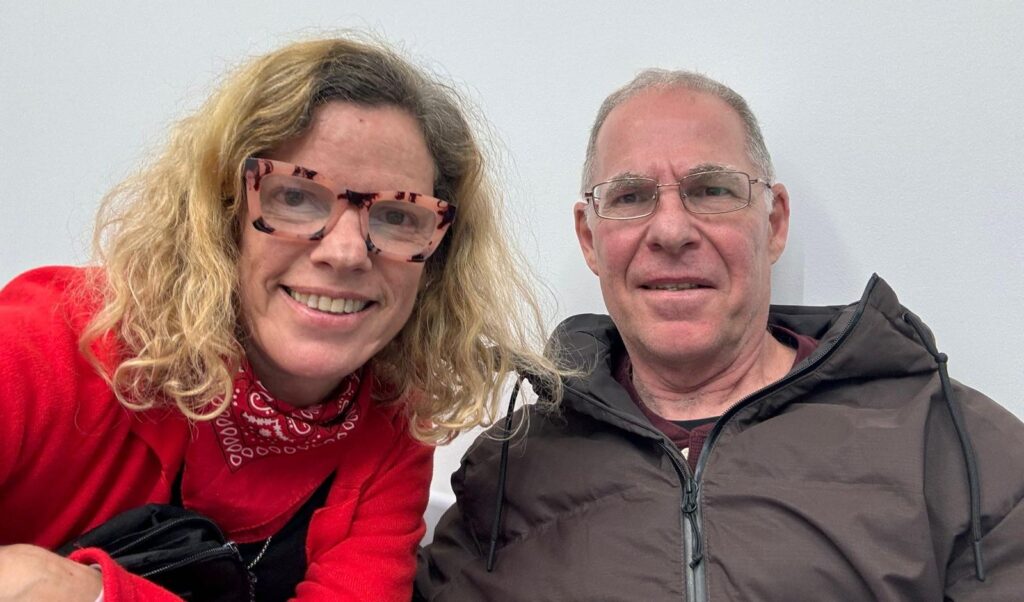
It took me a month to restore order in my home. I rebuilt everything.
When I was released, I sued the municipality and the Ministry of Education. I won, but the victory was hollow. Returning to school, the school led a campaign to delegitimize me with teachers, students and parents. Students surrounded me, spat, cursed and wished death upon him. “I wish you cancer.”
I hate Hamas. I served in the army and fought in Israel’s incursion into Lebanon in 1982. But like then, the army today has no long-term strategy. My own children are currently serving. They are proud of me, and that’s the most important thing for me, although they don’t share all my views.
Even now, I do not know whether life will ever return to what it was before Oct. 7. Perhaps some experiences permanently alter the context of a person’s life.
Yet if there is one thing this episode taught me, it is that personal convictions matter most when they come at a cost. I want peace. I want the violence to end. I want groups like Hamas to disappear. But I also believe reality is more complicated than the slogans shouted by either side.
Not every Palestinian supports Hamas. Not every Jew supports the policies of the far-right politicians governing Israel. The tragedy of this conflict lies partly in how easily people are reduced to categories and enemies.
I paid a heavy price for speaking publicly about the suffering of civilians in Gaza. I lost my job. I lost my freedom. I lost relationships I once valued. But I also gained something: a clearer understanding of how fragile democratic principles can become during moments of national trauma and how important it is to defend them when doing so becomes uncomfortable and unpopular.
Or even dangerous.
Post script
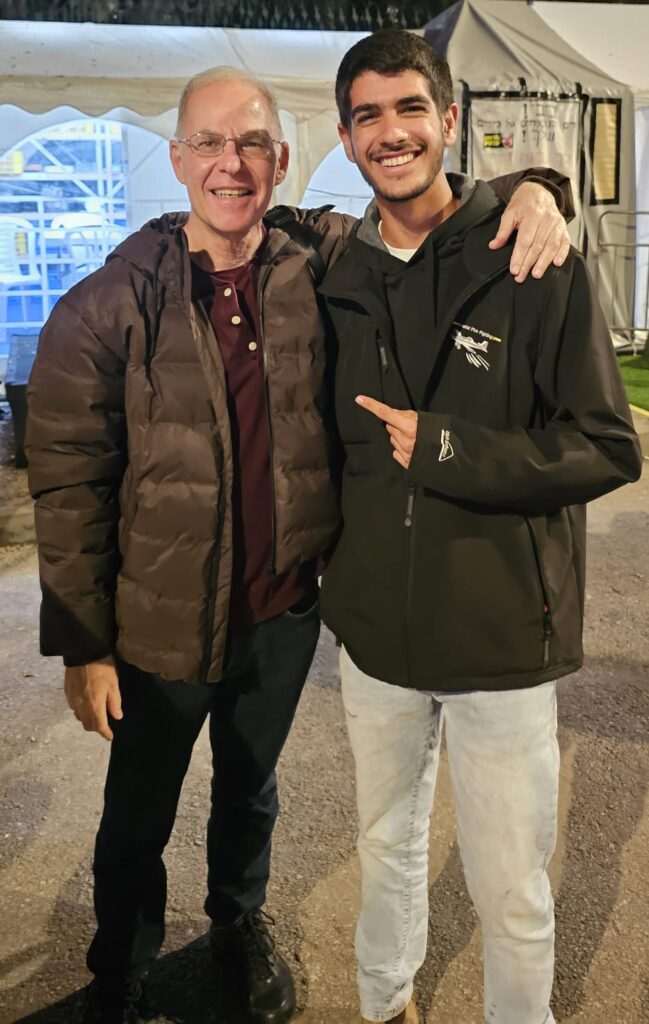
Israeli citizens who express sentiment for the people of Gaza continue to be politically persecuted. They are publicly shamed, they lose their jobs, they are being put in jail. So they are afraid.
Life after my arrest is different. I am very popular now. In school some teachers still don’t talk to me, but the municipality authorities are fine now.
In fact, a few months back they called me to work with a student who was under the influence of drugs. Later, I got to know that the kid is a son of one of the influential people in the municipality, the same person who had testified against me to the police.
My children don’t agree with me and don’t want to be exposed, but that’s fine. My students are happy with me, and I get compliments from them; they say there is never a dull moment in my class. They listen to me now.
In August I am traveling to Tajikistan, and in September I am going to an island near Portugal. I am working on my retirement plans now, as I am a tour guide as well. I will retire in two years.