
A CECOT survival story: How a gay Venezuelan landed in one of the world’s most notorious prisons
This is Andry Hernandez’s experience with El-Salvador’s notorious Center for the Confinement of Terrorism (CECOT), which has become a destination for many immigrants caught up in the United States’ crackdown on immigration. A gay hairdresser from Venezuela, his efforts to escape discrimination and persecution in his home country first led him to the United States. There, he was detained, falsely accused of belonging to a gang, and shipped off to El Salvador’s CECOT prison, where he endured abuse and sexual assault. Now seeking asylum in Spain, Andry tells his story to Orato First-Person News.

- 4 months ago
 June 15, 2026


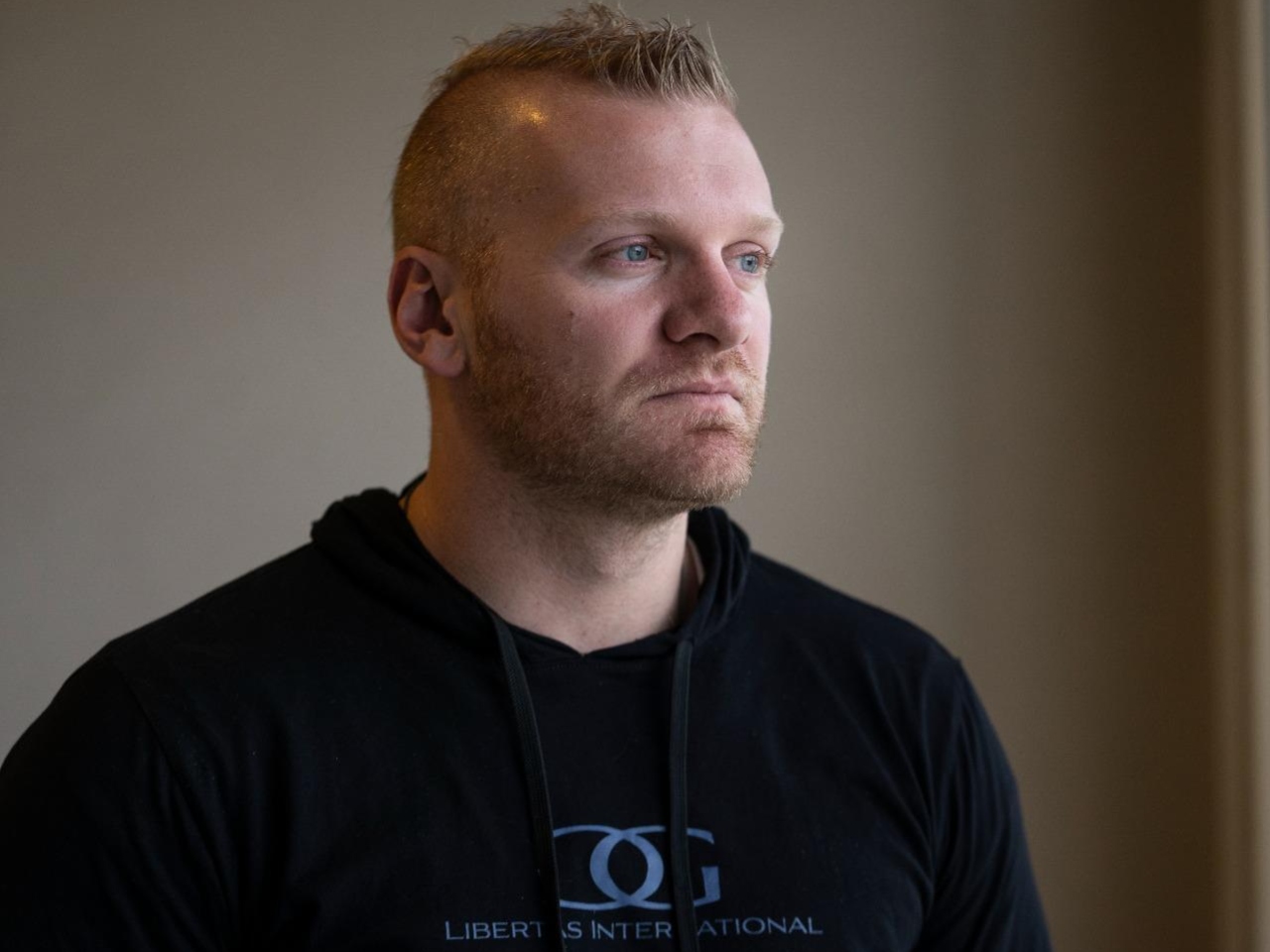
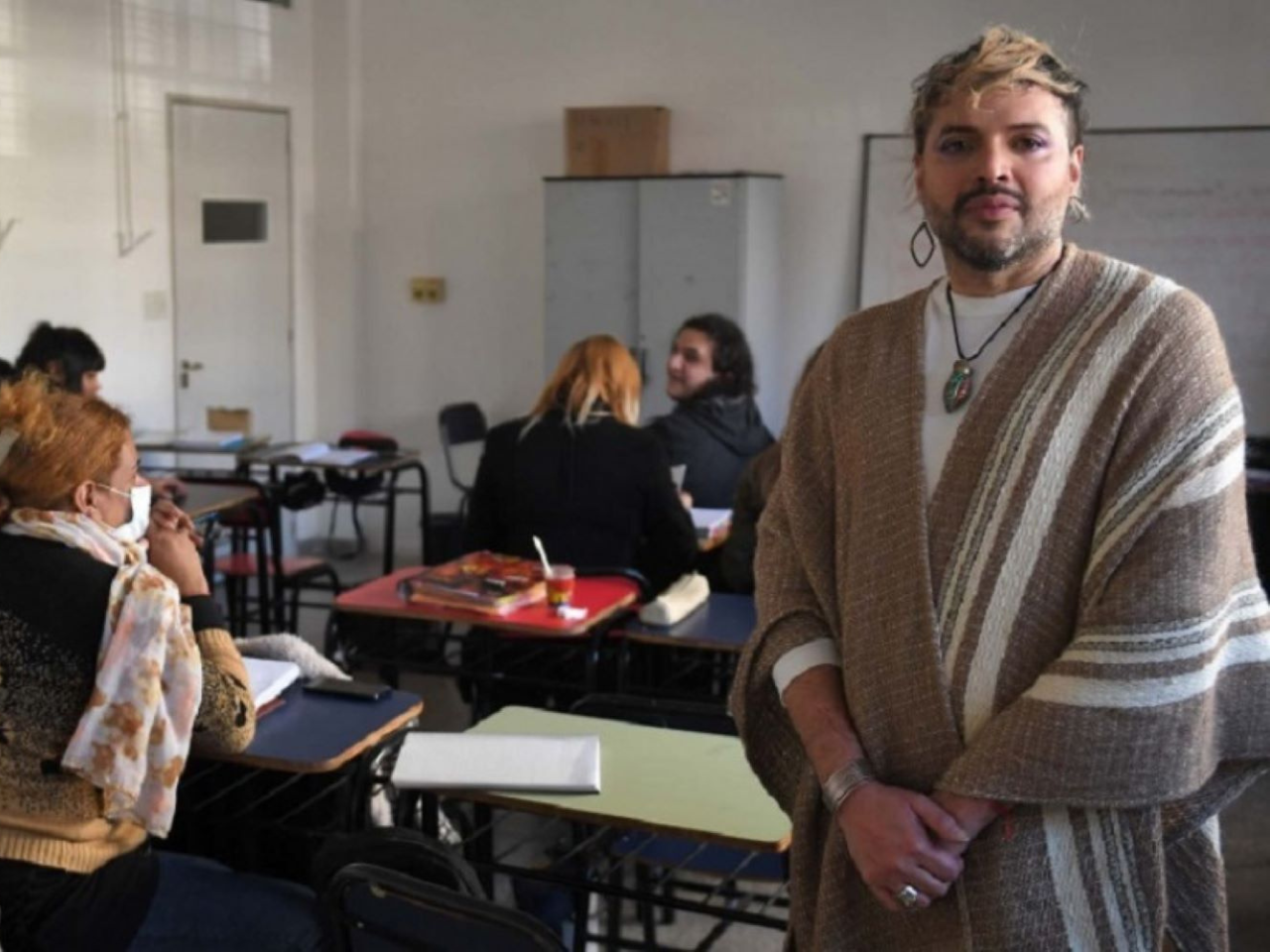
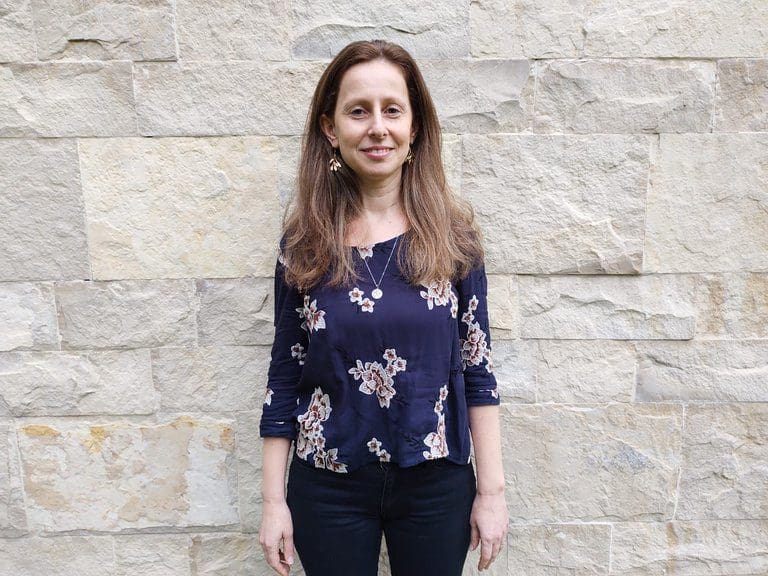
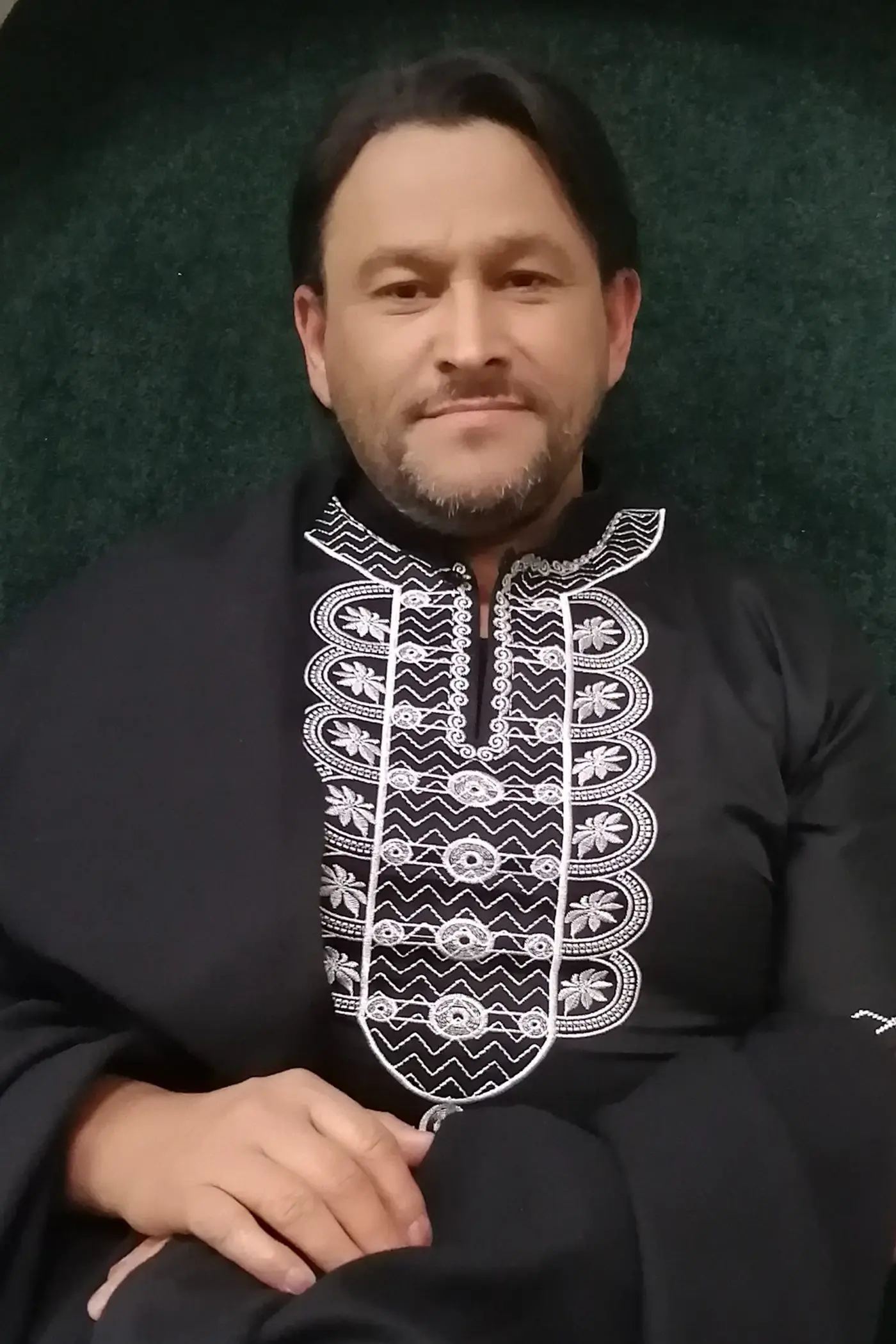
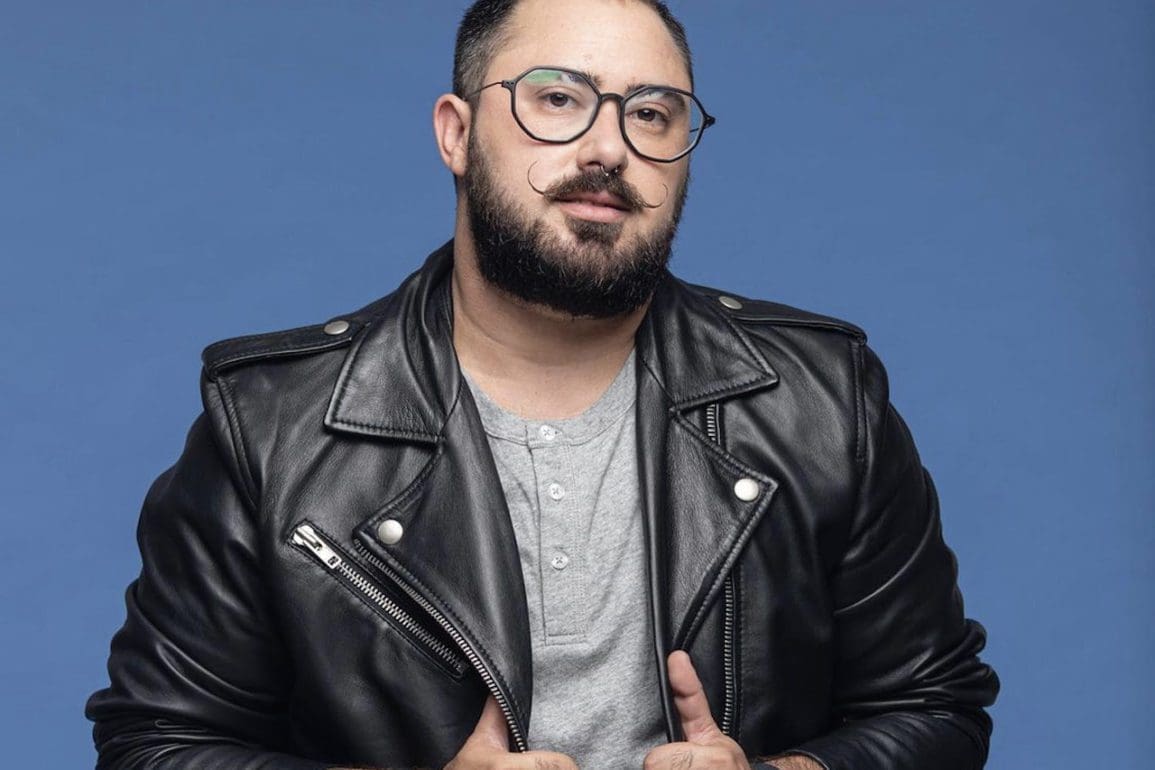
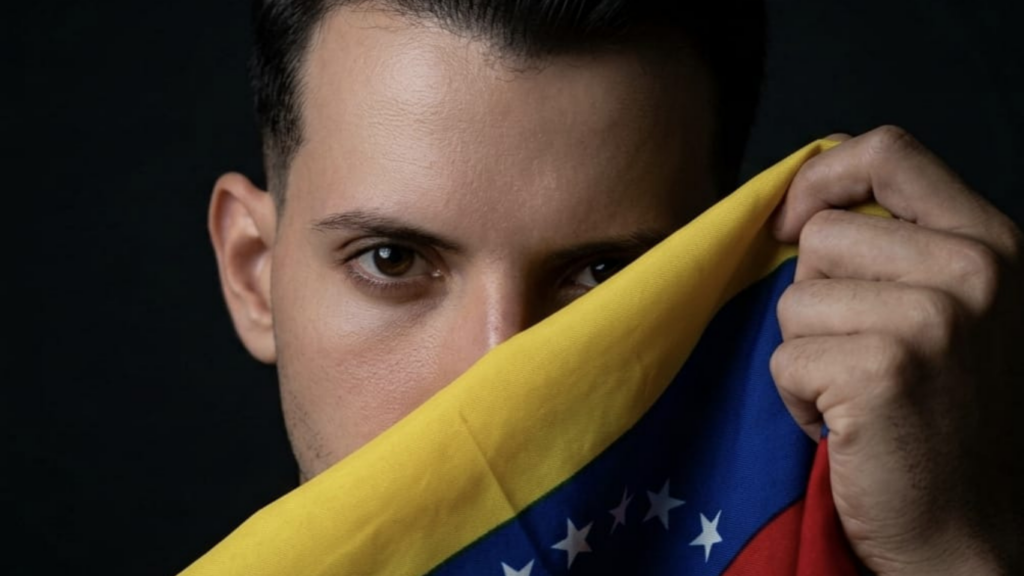 Andry Hernández reflects on his life, experiences, and the journey that shaped him.
I spent four months in hell, the Center for the Confinement of Terrorism (CECOT) in El Salvador.
The exact moment I stepped inside, I stopped being treated as a person. They beat me all over my body, kicking, hitting me with sticks and fists, stripping me of my clothes. They shoved me forward, bent down with my head between my legs, as if I were an animal, unworthy of looking up. They only let me lift my head to look at whichever officer felt like yelling profanities and orders.
They shaved my head and paraded me like a trophy before authorities and photographers. Without any trial or evidence against me, they informed me that I had been sentenced for being a member of a gang I had never been involved with. During all those months, I thought I’d never leave.
But here I am.
Persecuted because of who I am in my country
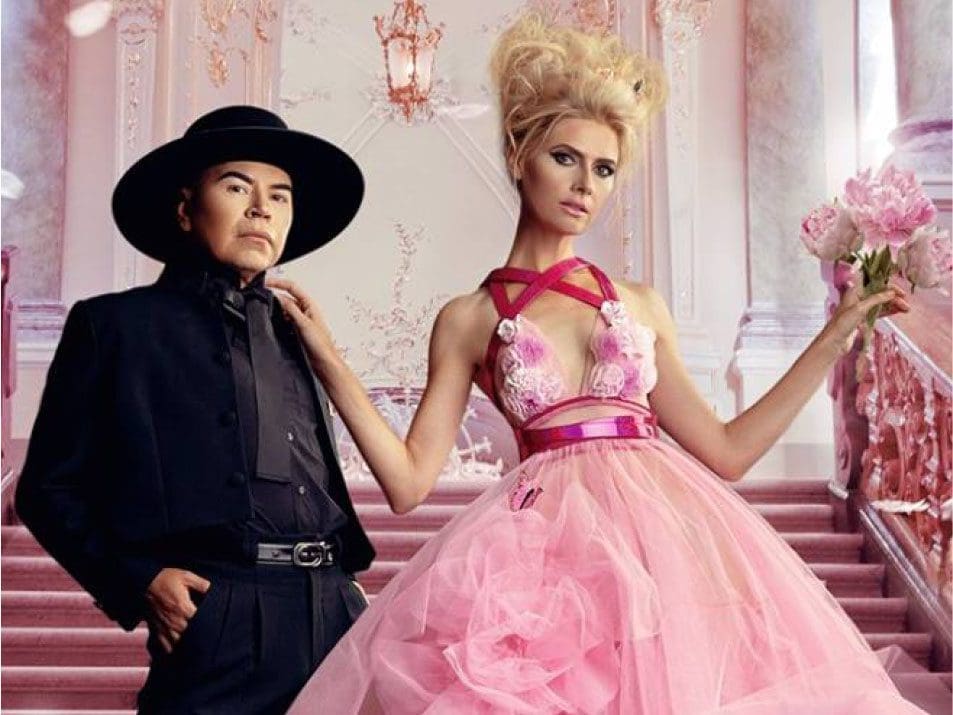
All my life, I’d thought of myself as apolitical. I did not support any party. I did not really pay attention to any of it at all. I was focused on my career as a makeup artist, on creating beauty.
With that in mind, I started working for a TV channel to have the opportunity to make connections in the industry, to meet models and other people from a world I longed to join. But this channel was owned by the national government, and I felt a constant pressure to endorse ideas I did not support.
Once, before an election, the channel executives insisted that everyone vote for the government’s party. Something that should be optional became mandatory. I said I wouldn’t do it, and that’s when the problems started.
From that moment on, I was constantly harassed and discriminated against because of my sexuality.
As I tried to do my job in the makeup room, the executives would walk behind me, slap me on the head, shove me, and shout, “Faggot!” I would look around and see other people avert their eyes, pretending nothing was going on. I realized no one would stand up for me.
The threats grew more and more explicit. They even told me I would get killed for not doing what I was told.
I quit and tried hiding at home, but they came looking for me there. One day, when I was outside my building, I was startled by the roar of a motorcycle. I turned to look, and I saw it pull up beside me. The rider, his helmet on, pulled out a gun and pointed it at me. I had never been held at gunpoint.
My legs began to shake. I thought I was going to get killed right there and then. As I ran inside, I managed to make out the uttered threats, which were similar to the ones I had received before. I decided to flee Caracas and return to my hometown of Capacho near the western border with Colombia.
ALSO READ: Wrongfully imprisoned mother becomes activist, denounces injustice in Mexico’s federal women’s prison
Home wasn’t a place for me either. The hostility followed me
The country’s security forces tracked my movements. More than once, as I hid in my room, I heard my parents lie to police officers and soldiers and say I wasn’t there. I would sit there, trembling, hoping they wouldn’t look for me or hurt my family.
That’s when I started going from place to place. I couldn’t stay with my parents. For months, I drifted between my friends’ houses, careful not to remain in one spot for too long. Full of fear and anger, and unable to understand why I was being subjected to such focus, I was forced to abandon the life I wanted, my career, my family.
After some months, I left. I went to Colombia first, and then I started a long journey north toward the United States.
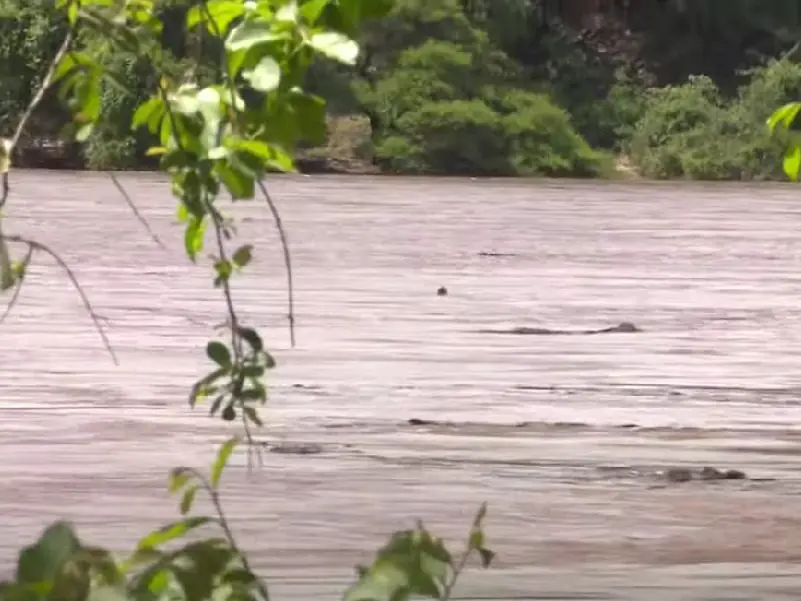
The hardest part of the journey was crossing the Darién Gap. Entering it was full of contradictions. At first, I felt some relief, because, once inside the jungle, I would be safe from uniformed violence, which I had witnessed in some countries. Plus, the landscape was beautiful. I was surrounded by a spectacular vastness, by springs that were like nothing I had seen before, by an ecosystem that seemed magical.
But at the same time, as I lowered my eyes to walk forward, I was faced with the hostility of a terrain that had swallowed hundreds of migrants looking for a better future.
It was there that I saw a decomposing human body for the first time. It was just lying there, as if it did not matter. I was walking alongside other people – strangers at first, but our shared effort had brought us together for a couple of days – and suddenly one of them started urging me to hurry. There was this very strong smell, a rotten stench that was impossible to avoid, and when I looked toward its source, I saw a woman lying on a rock. Her upper body was rotting, her ribs visible. It was horrific.
I saw small bodies, infant bodies, covered in blankets, revealing how desperate those who take that route can be. Innocent beings who did not fully grasp what was going on, who had just begun to experience this world, and who had been made to endure all this, leaving their homes behind and coming to lie forever in that unknown jungle.
Three days and three nights went by like this, watching the surges in the river, trying to detect the presence of animals or Indigenous communities in the area, sleeping uncomfortably on roots and rocks, unable to rest, thoroughly drained.
ALSO READ: Imprisoned and tortured for years: exiled Cuban journalist arrives in America
Rejected in the United States despite seeking protection
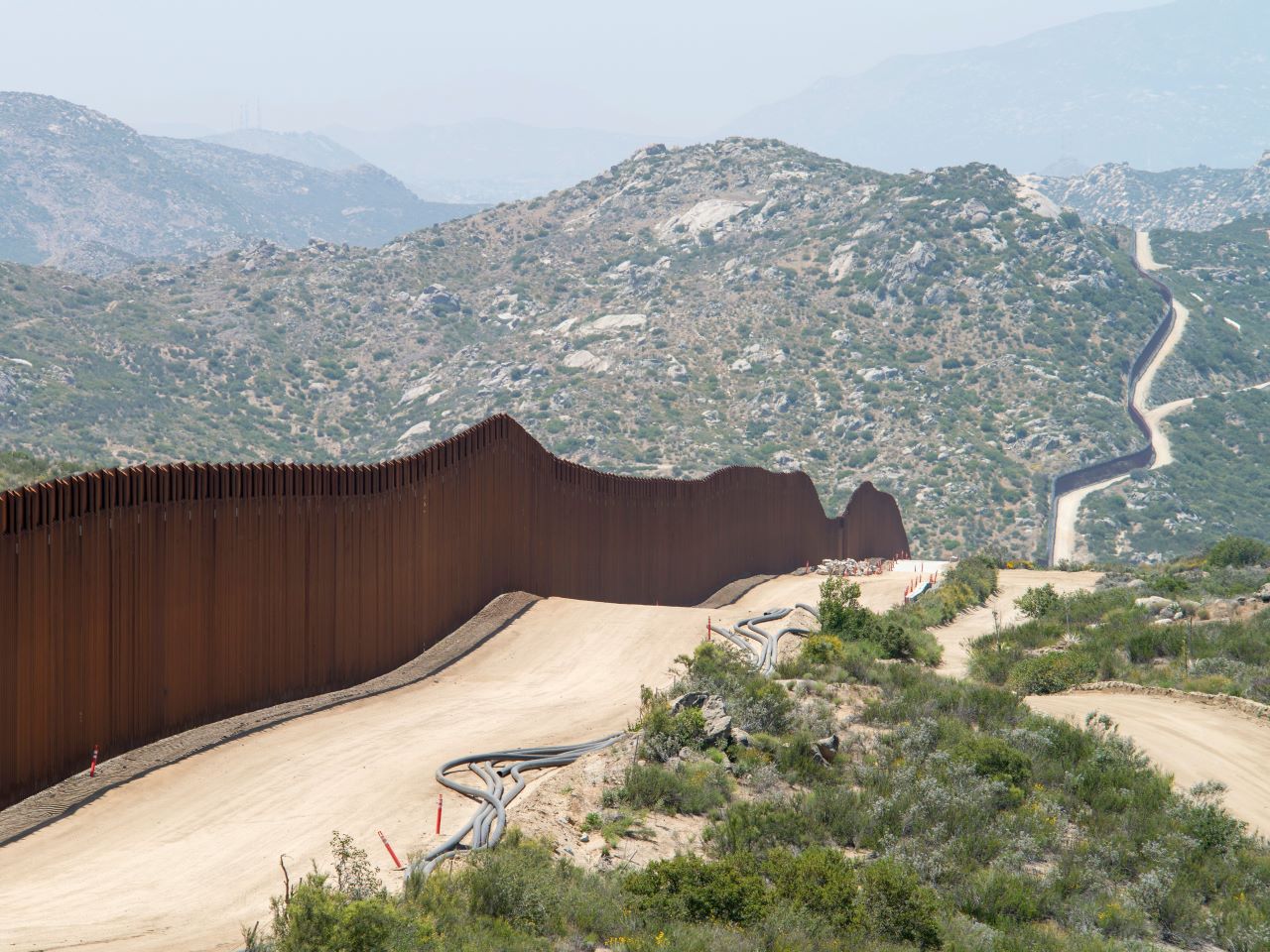
When I got to the U.S., I thought all the sacrifice would be worth it, that I would finally be able to live in peace. At 5 a.m. I went to the San Ysidro, California, office just over the border from Tijuana, Mexico to apply for entry into the country. I’d been told that if I went early, the process would be quick and easy.
When I arrived, I saw the American flag waving. I lifted my face toward the sky and said, “Thank you, God, for letting me in. I have made it.” But that wonderful feeling of relief and bliss lasted mere minutes.
As soon as I approached the officer, I was taken aside, toward a group of people, and instructed to remove my shoelaces and belt. They told me my case would be different. I had to be transported elsewhere.
Everything suddenly became a blur. I didn’t understand what was going on, why others were entering the country but I was not. I felt steamrolled.
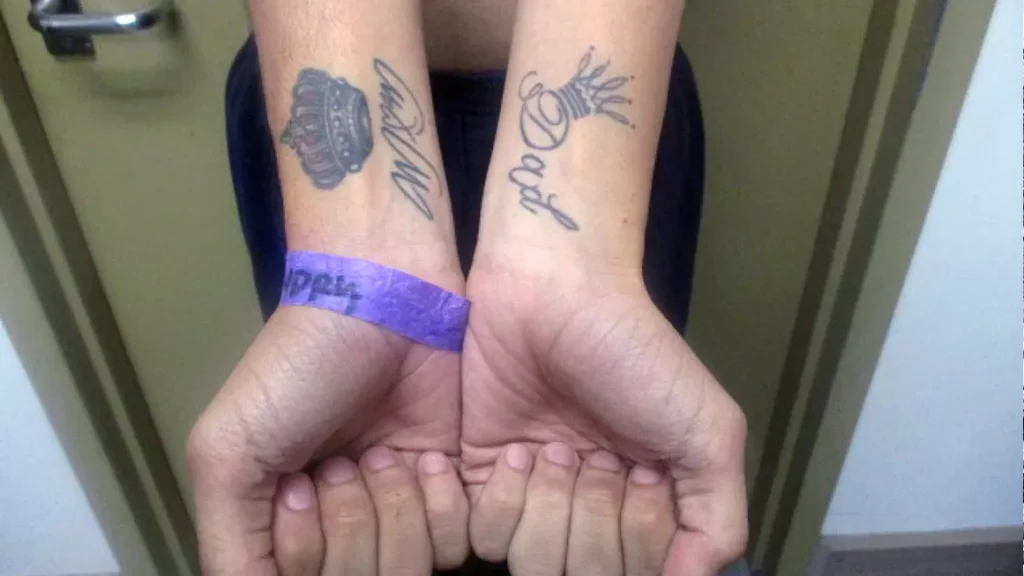
By minibus, I was unknowingly taken to San Diego, California, to an immigrant detention center run by a private company called CoreCivic. There, I was told that I had been linked to Tren de Aragua, a well-known gang, because I have two crowns tattooed on my arms. These tattoos are dedicated to my parents.
From then on, I was only able to communicate with my partner, who asked my family to send me any documentation they could find to prove I was not the criminal they believed me to be. I still trusted that evidence would be worth something.
I slowly realized nothing I did mattered. They had already made up their minds about me and saw no need to verify anything. They had decided I was a gang member and acted accordingly.
At the detention center library, I printed every document I could in support of my case, and I desperately showed them to everyone, but it was as if the papers were blank. No one read anything, and my file was shelved.
I spent my days in a small cell next to another detainee. There was a sink, a toilet, a small table, and a bunk bed. That was it. We were allowed to read or watch TV in the communal areas. We all had to wear orange uniforms, a sign that, by their standards, we scored at least five points on their danger scale.
On March 15, 2025, they put us on a plane again, not telling us where they were taking us. We stopped several times. In Louisiana, we asked a lady what color uniform they were going to give us at our final destination. “Blue,” she replied, and we were glad to hear that, because that meant we would be staying there for a short while and be released soon. We tried to be optimistic at every sign.
Most of the officers were cold, but at least they did not treat us badly, with the exception of one of the managers. I was the only gay man there, and like in Venezuela, I was the target of some jokes, but I tried to ignore them. I just wanted to prove my innocence and leave.
But those blue uniforms never came. We were never allowed off the plane. My head was swirling with a thousand questions: Where am I? Why am I here? What are they going to do to me? What’s going to happen?
ALSO READ: Ex-Senator politically imprisoned for years remains defiant in the Philippines, champions women’s empowerment
I thought I had found safety, but I arrived in hell
When the plane took off again, I thought, as did every other passenger, that we would be deported back to Venezuela. The window shades were shut, and there was near-total silence, as we were not allowed to talk.
Every now and then, I looked around at those going through the same ordeal, but for most of the trip I just stared at the seat in front of me. I was not happy to think I would soon be back in my country, as it was a huge effort to escape the persecution I would once again be facing. But I accepted my fate.
Venezuelans are a happy people, and many of the other passengers tried to crack jokes – some whispering, some loudly defying the gag rule – to ease the uncertainty, but I could not find it in me to laugh. When I am faced with situations where I do not have the tiniest idea what’s going on, my emotions shut down. I become colder, and I am physically unable to smile.
On the last stretch of the journey, we learned that Kilmar Abrego Garcia, a Salvadoran, was sitting on one of the first seats. As soon as I found that out, my hopes sank, and I knew we were being taken to El Salvador. Although I kept a neutral expression, I was terrified, and I was shaking inside.
When we landed in El Salvador, they allowed us to open the window shades. I saw many small tanks and a multitude of armed officers. You would have thought we were the world’s most dangerous drug lords.
They pulled Kilmar off the plane violently, beating him. That’s when I broke down. I panicked and burst into tears. A Dominican-born immigration officer approached me and tried to comfort me in Spanish, to no avail.
It was all so sudden after that. We all got nervous, desperately asking what was going to happen, and some officers came onto the plane to threaten us. They said only the men would be taken off. “If you resist, they will beat you off the plane,” said another U.S. Immigration and Customs Enforcement officer, who looked Asian.
Then, the Salvadoran security forces came onto the plane and started beating everyone. ICE officers joined them and dragged us off the plane. It was all very traumatic. I could not see or move without feeling someone shove or kick me.
I didn’t even feel the pain. I was kind of numb, but I did suffer from the humiliation, and I was clearly disoriented. The intent behind their blows cut deeper than the physical pain. They put us onto some buses, tightened our handcuffs, and drove toward the mountain summit where CECOT is located.
Beating us again, they forced us off the bus, and they made us walk with our heads between our legs, bent down, threatening that if we fell, they would beat us even more. I stumbled forward and lost one of my shoes, which earned me even harsher punishment.
ALSO READ: Uncle imprisoned for sexually assaulting three sisters set free, fight for justice continues
My identity was erased, and I was treated like a convicted prisoner
At that moment, we were no longer considered people. Our identities and individualities were erased. They shaved our heads and forced us to strip in front of hundreds of people, including photographers, reporters, inmates, officers, CECOT managers, and Salvadoran officials. We were given the only clothes we would wear for the coming months – a pair of boxers, some shorts and a white T-shirt.
Overwhelmed, I shouted, “Mamá, help me!” A photojournalist from the United States, Philip Holsinger, turned toward me and took some pictures, thanks to which, 20 days later, my family learned where I was.
After taking X-rays of each of us, they led us to a large courtyard in Cellblock 8 (they call them modules), where several groups of inmates were held. “Welcome to CECOT. You are here as sentenced prisoners,” we were told. That was devastating to hear. I broke down completely, my whole life flashing before my eyes. I thought of my parents and my brother and asked myself what I was doing there.
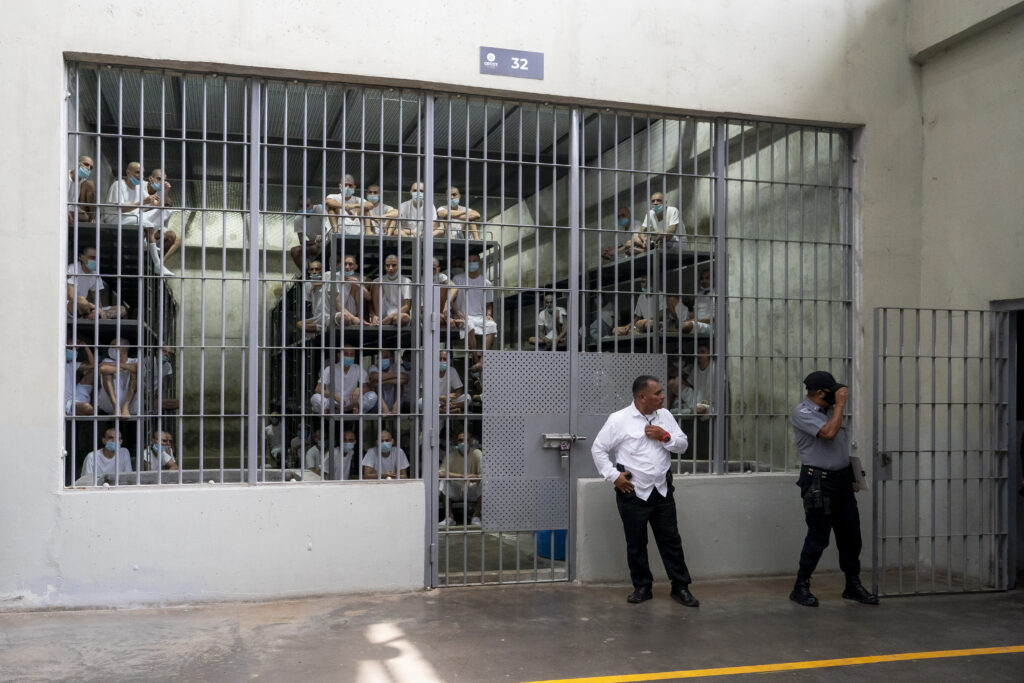
I looked around with the corner of my eyes, as we were supposed to keep our heads down. It was a bleak scene. Some people had fainted on the floor, others were covered in blood, some had soiled themselves. It was heart-wrenching.
The next day, my whole body was bruised and in great pain. Just like my soul. After that, each day looked much the same. I lived in fear, in a state of constant uncertainty. I had many questions and no answers. We read the Bible, and I sought refuge in prayer, but time had become frozen for me. I did not know whether the world still existed outside those walls, or how.
ALSO READ: Political prisoner recalls two years in the dungeon of a solitary cell at a maximum-security prison in Zimbabwe
I never knew when the next beating or humiliation would come
Almost every hour was spent in a cell with three concrete walls and a barred front, a mesh ceiling, 80 metal bunks and a toilet we had to use in front of everyone. Beyond, there was a room. What took place there was even worse.
We were only taken outside our cells for a few minutes each day, for religious services or to play soccer. It was all for show, though; they would just take some photographs and send us back to our cells.
Sometimes, they would make us line up outside the cells and, without warning or reason, start beating us. It was as if they were doing it to relieve their own stress, because they would carry on for a while and then send us back to our cells and go about their days. Knowing that any second could bring about more torment, I could never feel at ease. I was constantly alert, waiting.
They gave us many pills every day, without telling us what they were. All we knew was that they were treated without any care – the guards would drop them on the floor and step on them, and the pills were given to us regardless. Healthcare was awful; no matter the complaint, the answer was always, “Drink some water and that should do it.”
One evening I cannot really discuss, because there is a pending court case, I was sexually abused. It happened only once, but the memory of my body being violated, of there being no part of me that was safe from their torture and humiliation, is something that cannot be erased.
Another evening, the horror was shared by all. It was the day after the International Red Cross had been to the prison, and some of us had told the medical staff what was going on inside. As retaliation, the CECOT officers set a trap, and some of the inmates were ensnared. The guards replaced the cell locks with looser ones, and then, as they commonly did, they fiercely beat up an inmate, this one from Cell 19.
Fed up with the repression and provocation, inmates from six cells took the bait, breaking the locks and pouring out into the courtyard. They rose up against the guards in an uneven battle, armed only with their hands and some plastic cups. The officers retaliated by firing rubber bullets at them all night long.
ALSO READ: Wrongfully imprisoned for the double murder of two French tourists, Santos Clemente Vera savors his newfound freedom
I lay on the floor in my cell and covered my ears, trying to keep fear from entering my body, but I could not help it, not with all the yelling, gunshots, running, and beatings. The next day, the scars on my cellmates’ bodies were like a map telling the story of what had happened.
As the weeks went by, I felt I was going crazy. Some cellmates and I started hearing the voice of a girl and of a man who was not there with us. I was scared my mind would abandon me.
I even thought I might forget how to apply cosmetics, and to prevent that from happening, I would run my fingers along my legs, tracing an imaginary eyebrow. I did this to hold on to the memory that I had once been a makeup artist, that I had worked creating beauty. More than once, I was overcome by the certainty I would never leave CECOT, that I would die in that ugly, gray place with not even a trace of beauty in sight.
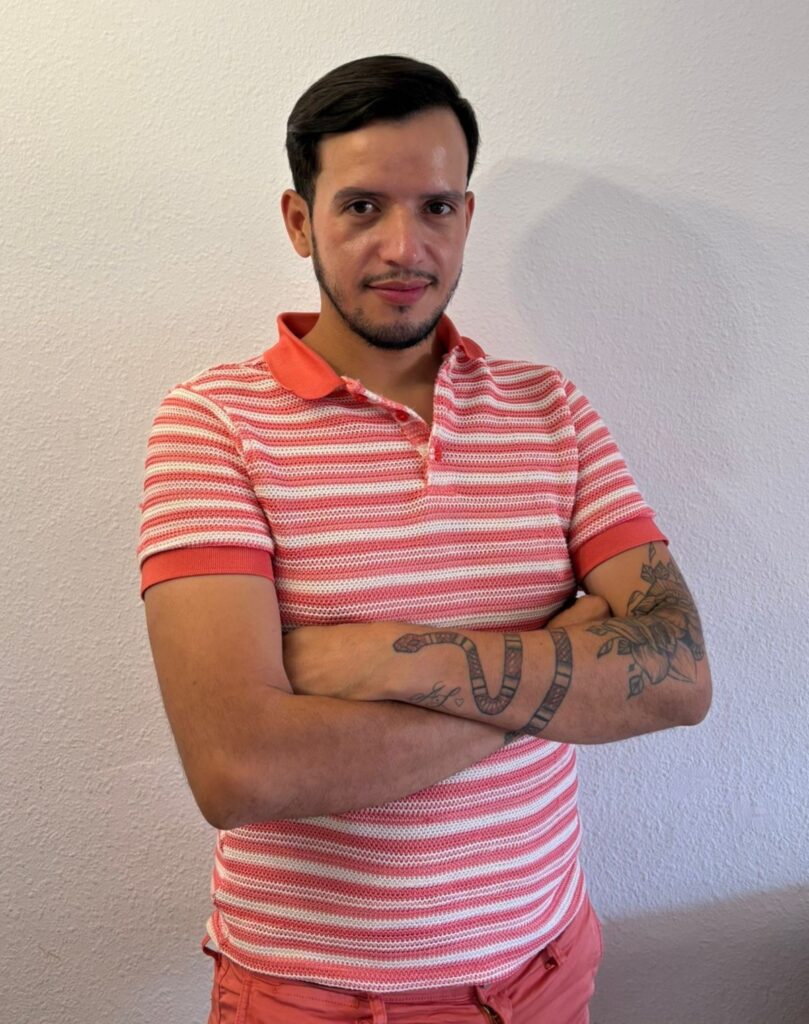
Coming back to life after years of fear and suffering
Vladimir, an 80-year-old common prisoner, would often act as a kind of pastor, reading the Word of the Lord. To do so, he would stand in one of two opposite cellblocks. But one day, he stood between them. He looked quiet. When I looked at him, I wondered if he felt all right, as it seemed he was unable to speak. His eyes were watery and his voice broke.
Suddenly, he summoned his courage, raised the speaker he was holding and said, “The miracle has already been performed. Tomorrow will be a new day for all of you.” I understood it was time to go. We started hugging, crying profusely with joy.
The next morning, we saw some reporters come in, carrying their cameras. Some asked about me, as thanks to Philip’s photos, people knew my family was looking for me. They took some pictures of me, and I noticed I was smiling. That was strange for me, as I hadn’t shown any expression resembling happiness in months. I was finally feeling emotions again, something that seemed impossible.
We were taken to a military base. Despite my relief, there was a part of me that could not quite believe the nightmare was coming to an end, and that side of me remained alert in case something went wrong again.
A tall, dark-skinned man came out of a vehicle and said, “Good morning, chamos.” Hearing that Venezuelan expression made my heart swell with happiness, as I knew this time they were taking me back to my country.
During the flight, everyone was singing. The window shades were open, letting in the sunlight and that gorgeous blue sky that enveloped us. We were all laughing, and I no longer felt like a prisoner.
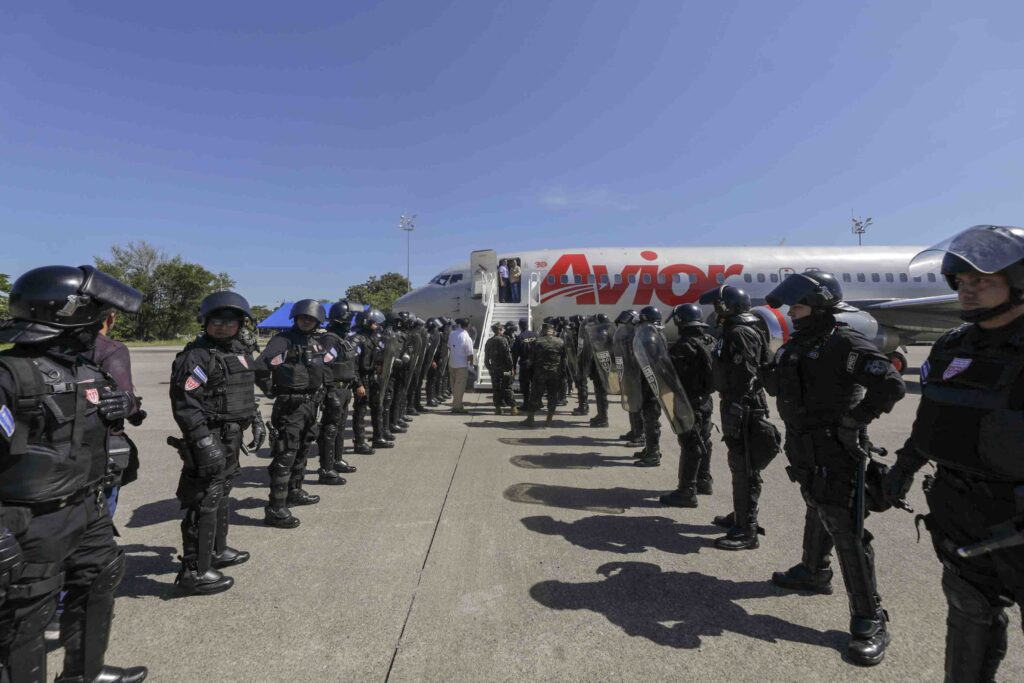
It still felt strange, returning to a place I had tried to leave. But after everything I’d been through, seeing my loved ones felt like a kind of balm.
Those feelings did not last long either. Before they let me reunite with my family, they insisted that I thank the government on video. They told me it was for a private record, but they lied and used it for political propaganda, broadcasting it everywhere. Once again, like all the government agents with whom I interacted, they took advantage of my vulnerability.
ALSO READ: Travel adventurer Santiago Sanchez Cogedor reflects on his 15-month imprisonment in Iran
The moment I returned to my hometown, the pressure and persecution started again. This time, attacks came from everywhere – the government, because I refused to accept a position they offered, and the opposition, because of the video I shot when returning to the country. I felt that they wielded me, my very soul, against my people.
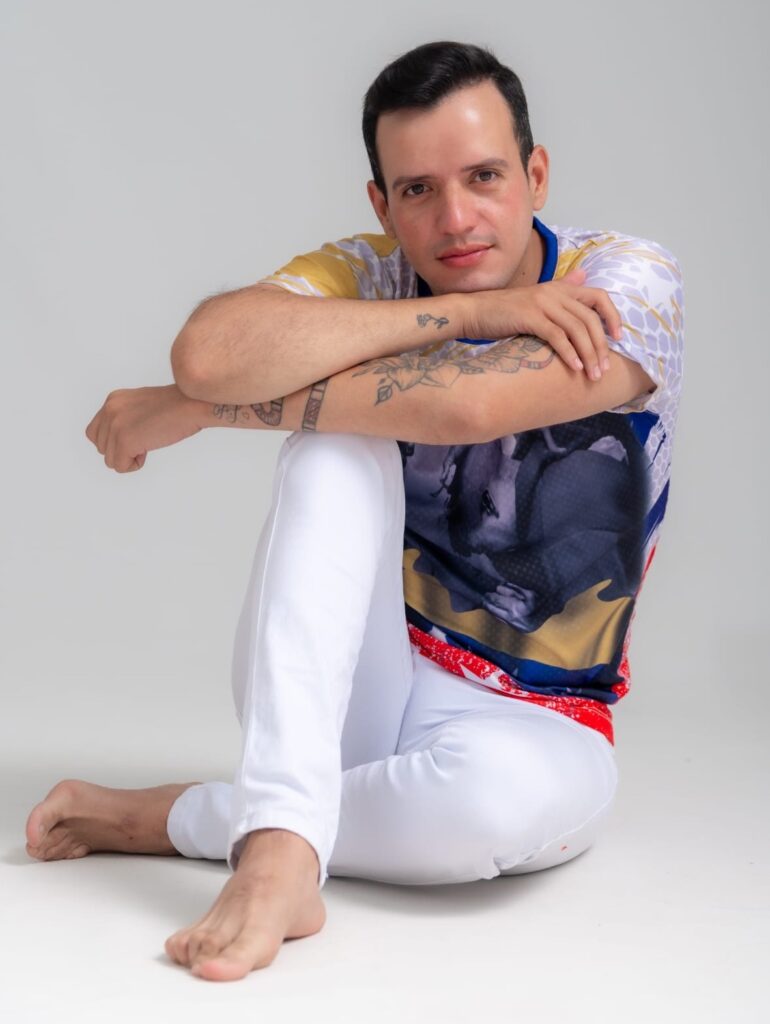
It was then that, together with my attorneys and my family, I decided, even though it was not what I really wanted, to leave the country once again. After everything I had suffered, after CECOT, after spending 10 months imprisoned between California, and El Salvador, I wanted to spend the rest of my life with my family.
But for some reason I cannot understand, it seems that there is no place for me in Venezuela. There is no space for someone who fights for the truth, for someone who fights for human rights in my beautiful country. To be happy and safe, I have to be away from my home, my land, away from my people.
I am living in Spain now, waiting for my asylum application to be processed. Every day, I think about what I suffered and the fear comes flooding back with memories that I cannot shake from my mind or my body. Hearing the sound of keys or words like “inspection” or “count,” or seeing a police officer triggers an automatic response – I am shaken, and I curl into the position they forced us into at CECOT, bending down with my head between my legs.
I’m seeing a psychologist, and little by little, I’m leaving all that behind. I am trying to heal. There is nothing left of that young man who considered himself apolitical. I now know I have to speak up, that I can help, so that no one else has to endure what I endured.
Translation Credit: Mariela Iniguez
FAQs