
How xenophobic attacks forced me to flee South Africa
Mob violence against immigrants in South Africa forced me to flee for my life. I arrived in South Africa 13 years ago with dreams of finding work and building a new life. And while life as a domestic worker was difficult, I managed to scrape by. But when xenophobic attacks against undocumented immigrants intensified in 2026, I had no choice but to escape with my family. The message became clear when my landlord knocked on the door with a warning: “If these people come and find you here, I will be in trouble. You have to leave now.”

- 3 months ago
 August 3, 2026


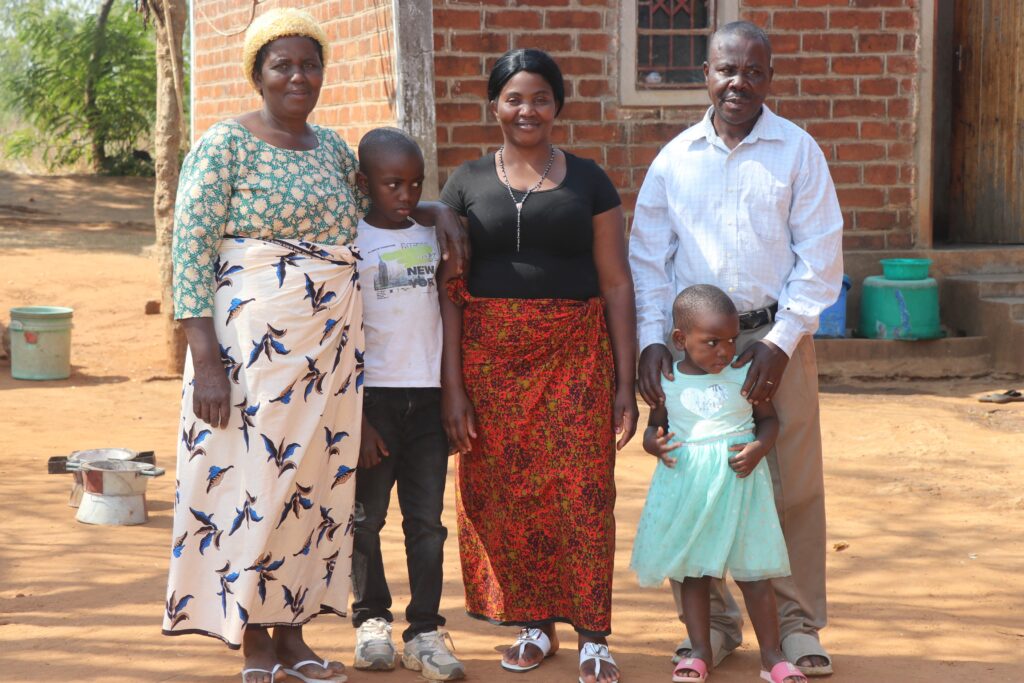
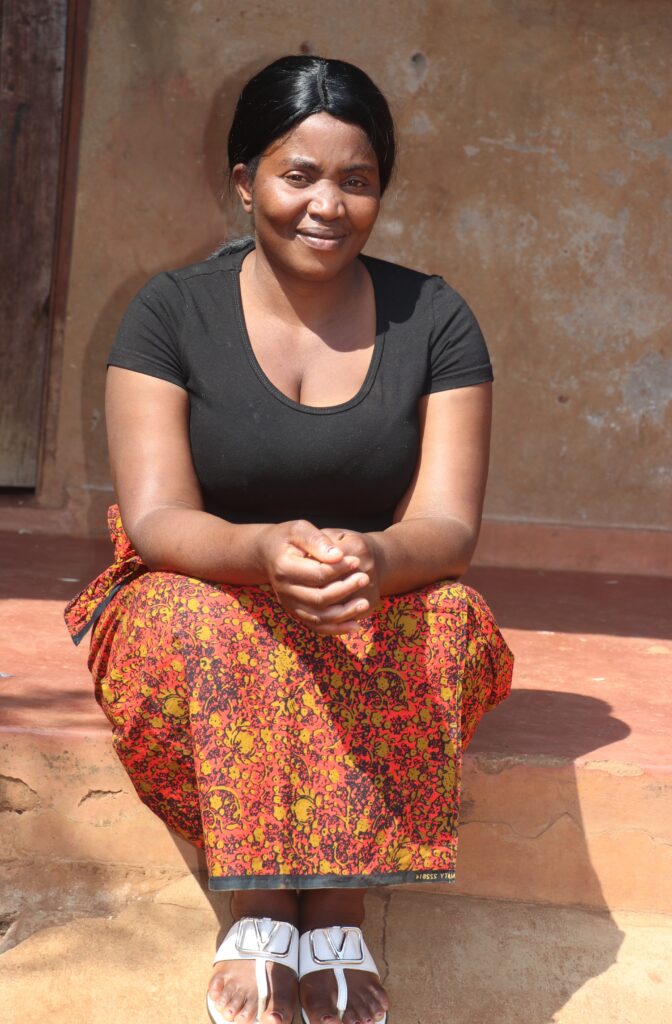 After spending 13 years building a life in South Africa, Maggie Chisoni returned to Malawi with her children after xenophobic violence forced them to flee.
On June 30, I woke up early. My plan was to spend the day with my two children, staying indoors all day, because outside, danger was looming in the Mariannhill area in Durban. That’s where I was renting a one-bedroom house.
For days, messages had been circulating on social media, warning all undocumented immigrants to stay indoors. Having been accused of taking South Africans’ jobs and committing crimes, the mobs set a deadline of June 30 for immigrants to leave the country.
This same day, anti-immigrants groups were planning demonstrations across South Africa. Even my parents and relatives in Malawi had called the previous day, telling me not to go outside.
So, I closed the curtains and locked the evergreen scenery of Mariannhill area outside the door. I told my children not to make noise and play in silence. They looked confused.
“Why mum?” my 8-year-old son asked.
I told him that police might come and arrest us if they find out we are here. But if the children obeyed, we’d be safe. I sat on my bed, monitoring developments on social media while my children were playing. Dutifully, they did not make a noise.
The knock that ended my life in South Africa
Suddenly, there was a knock on the door. It was around 10 a.m. I ignored it. Then another knock. I was terrified. I believed they were anti-immigrant vigilantes who had come to fish me out of my house like they had tried before. I looked at my children. They seemed frozen with fear. Again, I ignored it.
Then came the third knock accompanied by a shout, “Maggie! Maggie! Maggie! Open the door.” I recognized the voice. It was my landlord. Relieved. I immediately opened the door, hoping she had come to check on me and reassure me of my safety.
That is not what she said.
“If these people come and find you here, I will be in trouble. You have to leave my house now.” I was shocked. I said, Malawi is very far. Where can I go? How can I just start going back home?
There was nothing she could do, she said, and left. I locked the door again. I was confused more than ever. Since the xenophobic violence started in May, my landlord had never made such a request.
At the same time, I had no plans to return to Malawi. I was just waiting and hoping for the situation to normalize, so I could resume work. My boss had advised me to not show up to work. I was trying to ride out the situation, anticipating better days ahead.
An hour later, the landlord returned. This time, she showed me a message on her phone, a warning from vigilantes. They vowed to burn any houses sheltering undocumented foreigners. That was when I realized the danger was real.
I asked if she could allow me to stay until July’s end. She refused. She would only give me three days.
I felt unwanted. A question I had ignored the previous day from a South African neighbor came back to me and now stung. This is what she asked: When will you return to Malawi?
ALSO READ: Spain’s Ceuta migrant crisis: Ignoring the most vulnerable damages our own humanity
I made up my mind. I couldn’t wait for three days. I had to leave now. But I didn’t have enough money to transport me to Malawi. I thought of the thousands of undocumented Malawian immigrants who were gathering at a temporary repatriation center at Sherwood Hall Ground, waiting for buses to carry them home. I charted a course.
Before leaving, I packed a few clothes for myself and my two children. As I closed the door of my house for the last time, I felt like I was closing a chapter that had taken me 13 years to write in South Africa. I locked the house and handed the keys to the landlord. Without saying any goodbye, I walked away to take a taxi to Sherwood.
Why I left Malawi for South Africa
My name is Maggie Chisoni. I am a single mother of four children. In Malawi, I didn’t have a chance to finish school because I married young after becoming pregnant. My husband, a footballer, died after a short illness in 2011, leaving me with two children.
I became a widow overnight with nothing to provide for my children. Two years later, I decided to seek an opportunity in South Africa. I saw friends who went to South Africa, returning home to buy land and build houses, while others were sending money to support their families. I wanted that.
My parents and relatives helped me raise money for a bus ticket. I traveled to South Africa with a hope of raising enough money to build my own house and also support my children, who remained in Malawi.
Upon arrival, South Africa looked more beautiful than I had imagined. I remember thinking, “Now I understand why Malawians come here and why some don’t even return home.” But after a week staying with relatives, reality began to set in.

Living in South Africa without legal status
Finding work was not easy. I worried for my children because I was not sending money for support. My 30-day visitor’s permit had also expired. Every time I saw a police officer, I was filled with fear that I would be arrested.
ALSO READ: Homophobic attack in South Africa almost turns deadly
But I had no plan to return home empty-handed, no way.
My first job as a domestic worker in South Africa
It took me two years to find my first job. I was employed as a domestic worker for an Indian family in Pinetown in Durban. I was doing all sorts of house chores, everything except cooking their food. But the wages were too low; I could not send support regularly to my family back in Malawi. I also was not happy with the way I was treated.
For the three years I worked there, I was given four slices of bread and cooked cabbage three times a day as my food. Sometimes, I would be given cooked pigeon peas, a legume native to Africa. Although I was staying on their premises, they would not allow me to cook my own food. They told me electricity was too expensive. Leftovers of their nice food were fed to the dogs. I began losing weight.
One day, I opened a packet of biscuits they bought and ate a few. When they discovered that I touched the biscuits, they took the remaining ones and gave them to the dogs. I felt humiliated. A few days later, I resigned and moved in with fellow Malawian friends.
I then found a job as a domestic worker with another Indian family. They treated me very well. The pay was also better, and I was finally able to send some money home for support. I rented a house in Mariannhill and was able to pay for my children’s education. For the first time since arriving in South Africa, I felt appreciated.
ALSO READ: I am an underage Sudanese refugee who had to trade sex for medicine
Finding another job took time. I started a small-scale business — selling beans, dry fish and sometimes vegetables. The money I earned was not enough to send to my family. I later married a Malawi husband and we had two children together. Years later, we separated.
I rekindled my dream of buying land and building a house back home.
How xenophobic violence changed everything
I had only been there a year when the anti-immigrant violence began in May. Reports of foreigners being forced from their homes and workplaces plastered social media. Some people were assaulted. Others were killed. By early June and fearing for my safety, my employer told me to stop reporting for work until conditions calmed.
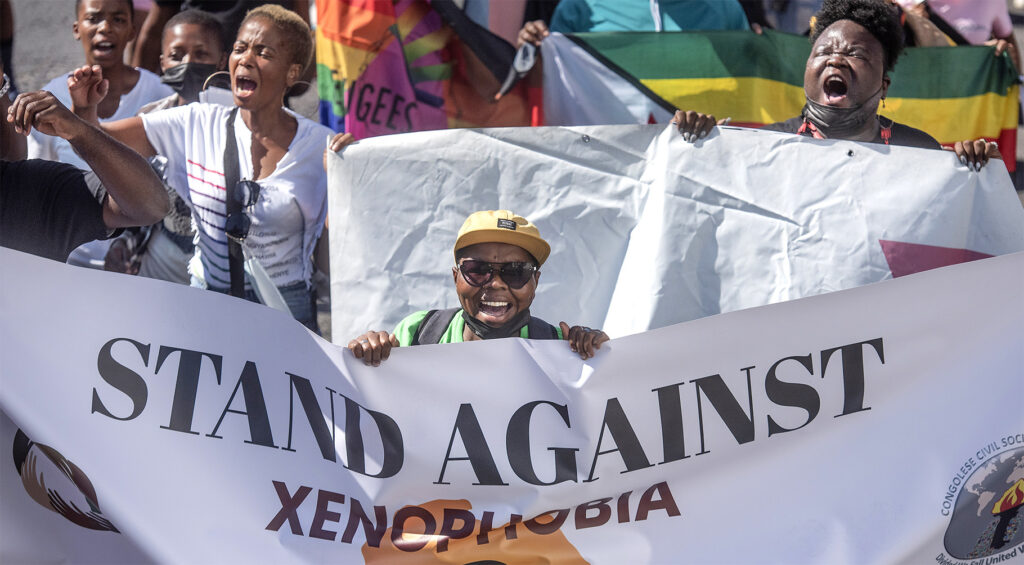
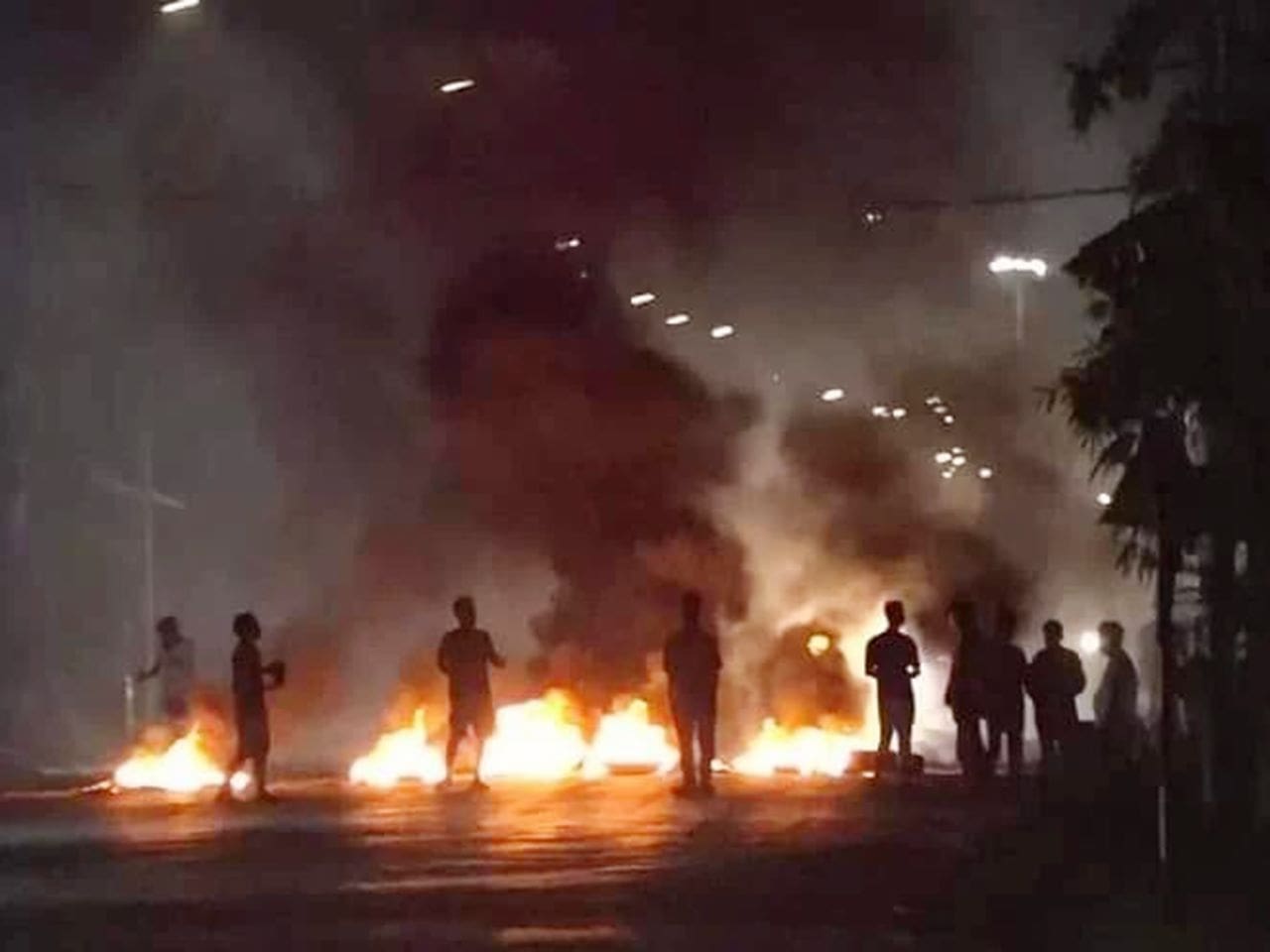
But the violence only escalated. Sometimes I would run from my home, carrying my 4-year-old daughter, to sleep in the bush as a way to avoid vigilantes who started going door to door. They would forcefully evict undocumented immigrants and hand them over to police. Those times, I would leave my 8-year-old son with a South African neighbor — who risked her own safety by hiding him.
One day as I was fleeing into the bush, some members of the vigilante group entered my house and took my television and the new blankets I wanted to send my family in Malawi.
Surviving South Africa’s migrant repatriation camp
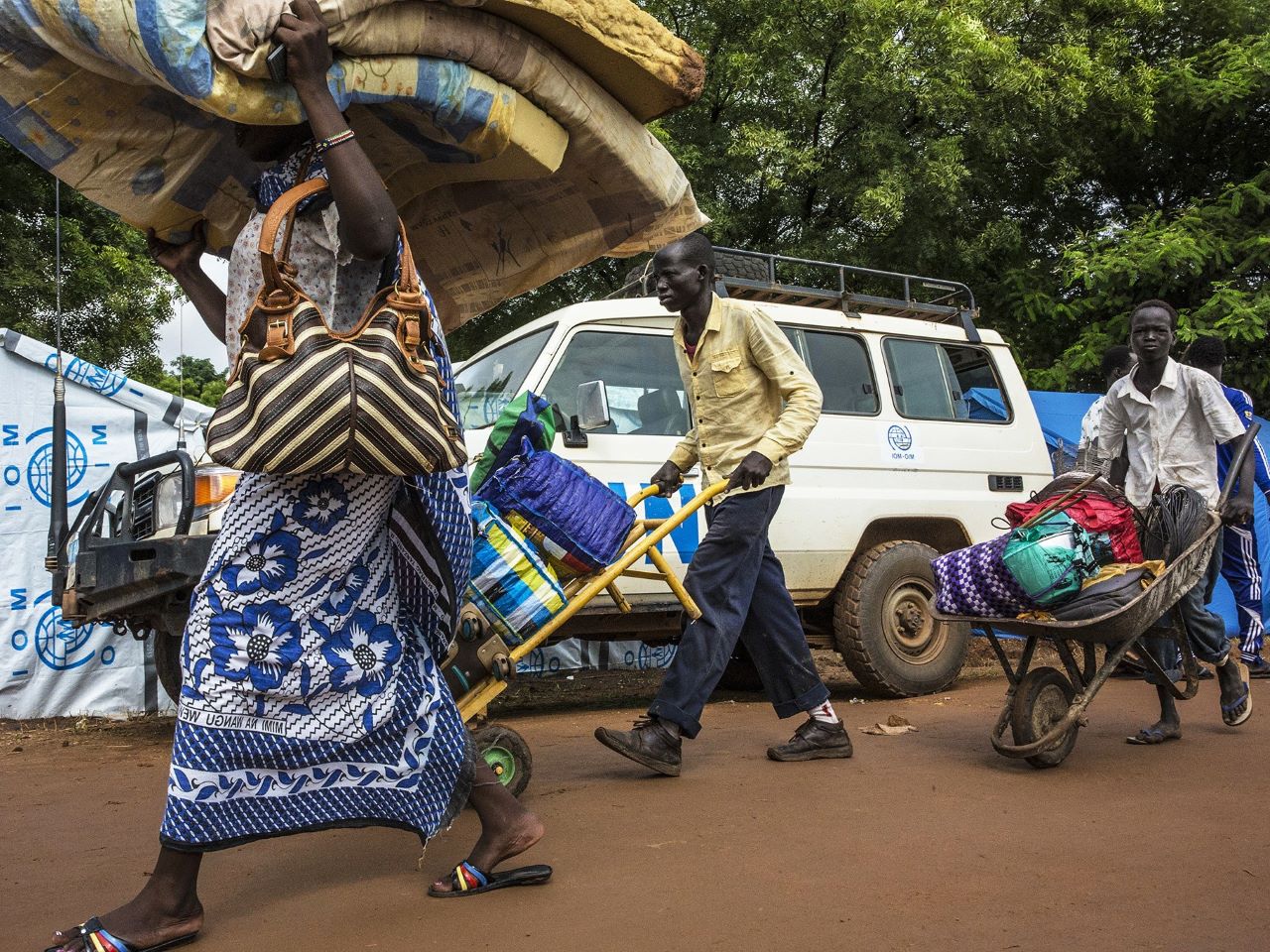
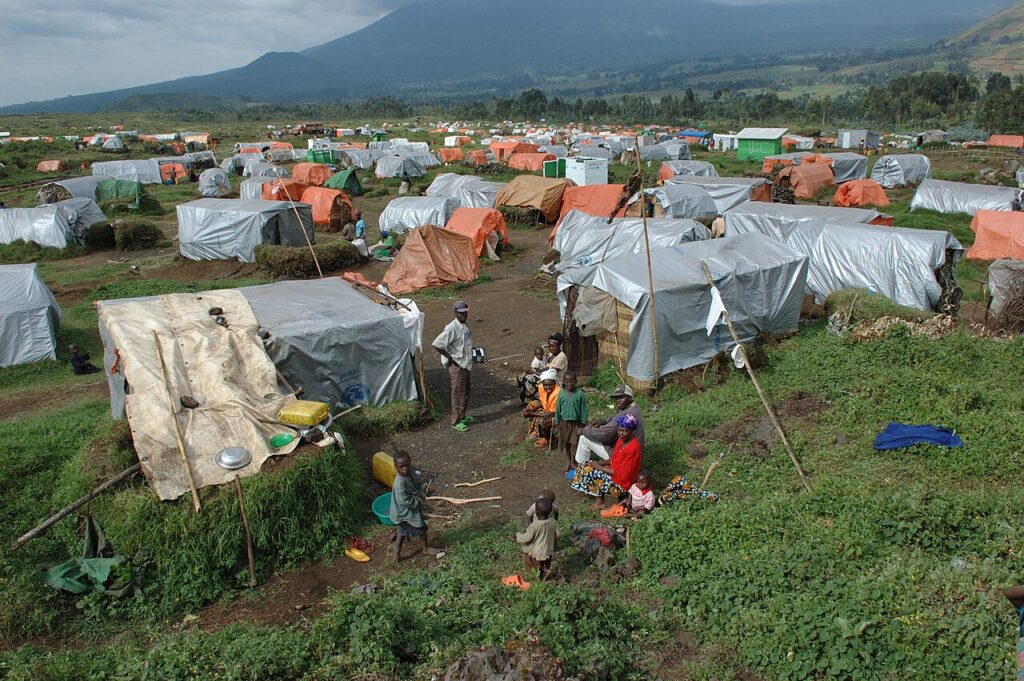
I arrived in Sherwood at around 6 p.m. I met families who were also chased from their rentals by their landlords.
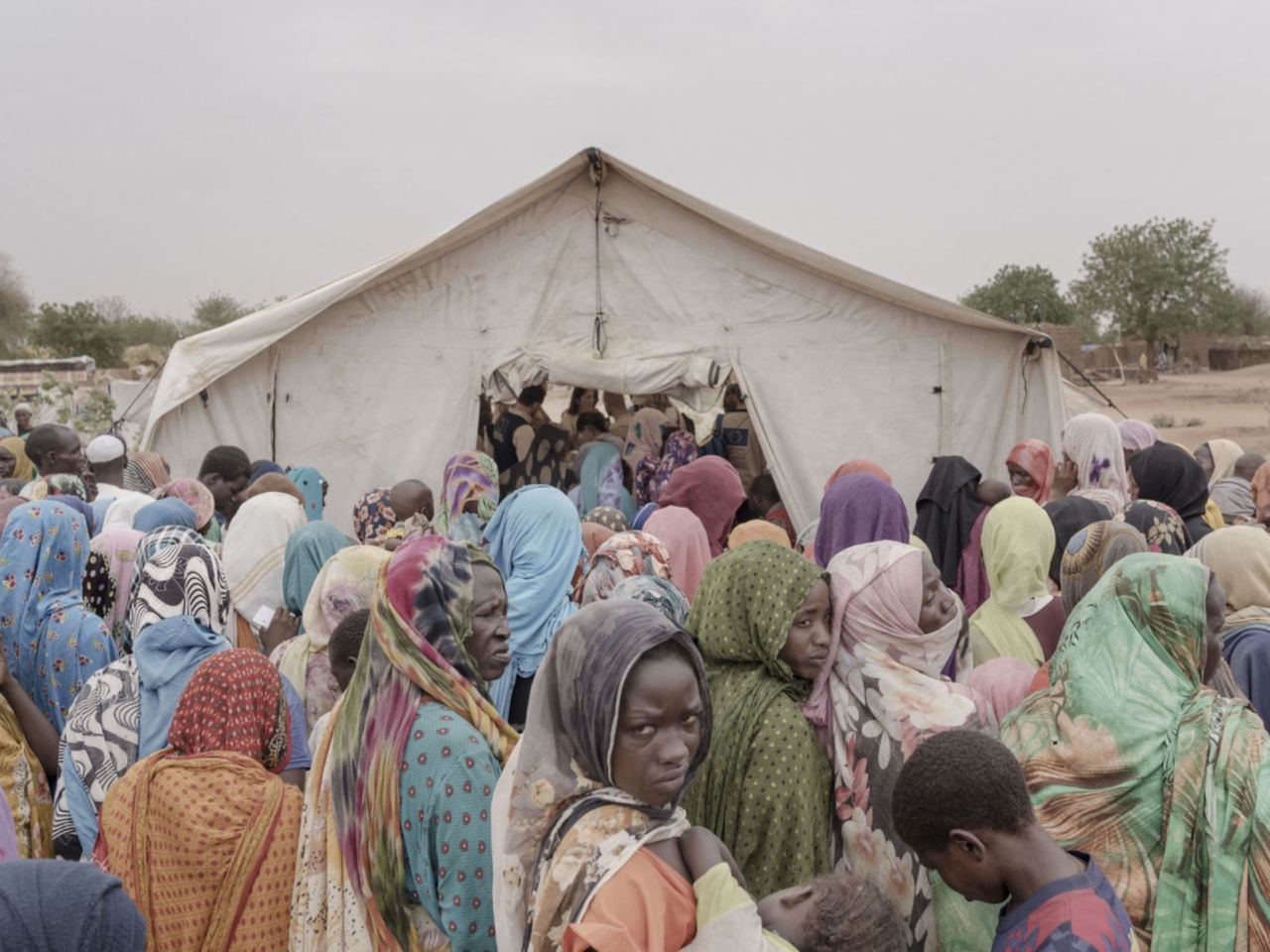
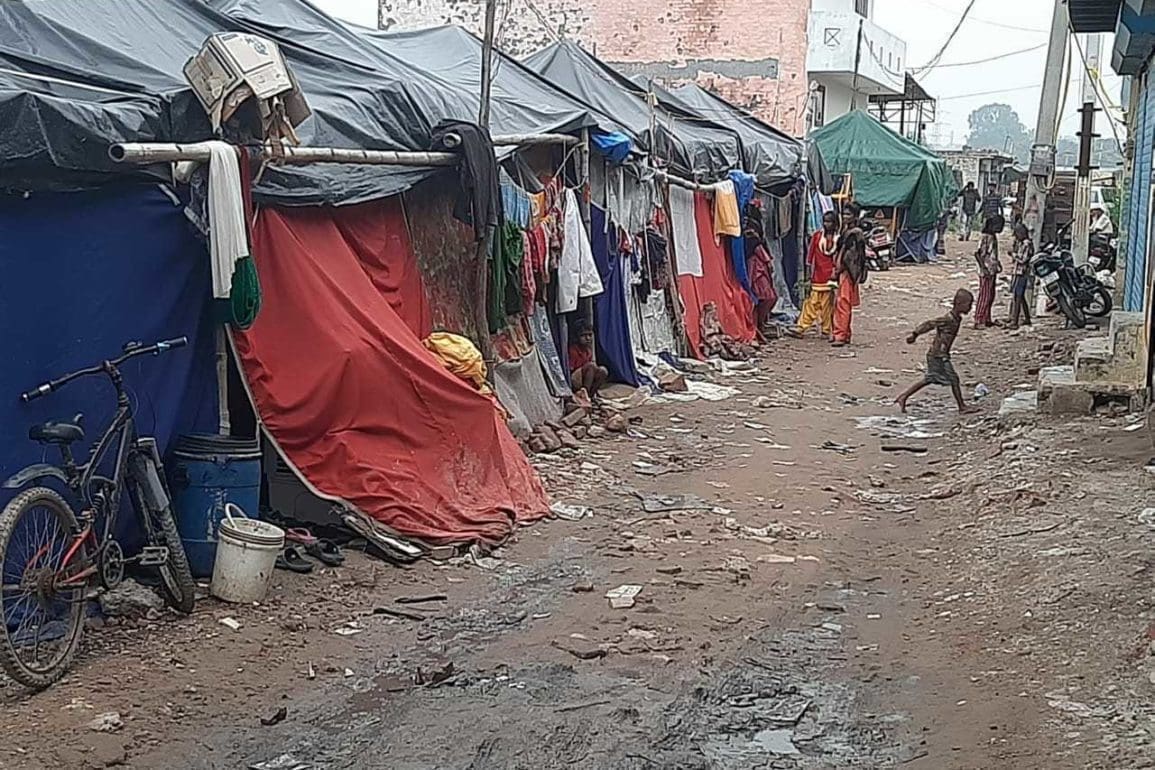
There was no proper place to rest. Many of us slept on open ground. That was one of the hardest nights of my life. My children kept asking questions: “Mum, why are we here?” “Why can’t we go back home?” “Why are we sleeping on the ground without blankets?”
ALSO READ: Inhumane Immigration Policies Undermine Humanity
I had no convincing answers. The food donated by well-wishers only kept us alive. It was not enough for everyone at the camp. Some days my former employer would call to ask whether transport had arrived. Some families had already spent three weeks there, waiting.
I was forced to flee South Africa
After a week at the camp, my 4-year-old took ill. It wasn’t serious enough to warrant a visit to the hospital, but I mentioned it to my former employer on one of our calls. She assured me she would help. Two days later, she arrived with bus tickets for me and my children. She personally took us to the station and helped us board a bus to Malawi.
As the bus pulled out, I had mixed feelings. I was happy we were leaving the uncertainty of Sherwood. At the same time, I was sad for leaving behind the life I had built for over a decade in South Africa.
What pained me most was that I was returning home without achieving my goals. The journey home was harder than the journey to South Africa.
It also felt much longer than the journey I made 13 years ago. In 2013, I traveled with hope that I was going to a country where I would find work, support my children and build a better life. This time, I was traveling home without hope, without a plan.
My children filled the trip with questions. “Mum, where are we going?” “Why are we not going home?”
South Africa was their home. It was where they were born, grew up and where they had their friends and a father. I tried to tell them that Malawi is also their home, the place where their parents came from. They were not convinced.
Just like my children, deep inside, I was also asking myself similar questions: Where would we stay? How would I provide for my children? What would our future look like?
ALSO Read: A CECOT survival story: How a gay Venezuelan landed in one of the world’s most notorious prisons
I couldn’t stop thinking about the failed dream of building a house for my family. The only comfort I had was knowing that my parents were waiting for me. As the situation escalated, they had called me many times, telling me that if they had enough money, they would have traveled to South Africa themselves to bring me home.
They did not care about the money I was sending them or what they would lose, they said. They only wanted to see their daughter return safely. I had refused because I believed conditions would improve.
When the bus reached its final destination in Blantyre, the thought of beginning my life from ground zero pained me.
Returning to Malawi after losing everything
I arrived in Malawi on July 9.
My younger brother brought me from the bus station to his home in Ndirande township in Blantyre. Two days later, my sister Angelina took me to her home in the Mpemba area. In all these places we were welcomed with open arms.
For the first time in a long time, I felt a sense of comfort. My children also began to feel at home. After sleeping on the open ground at Sherwood camp, a two-day bus trip to an unfamiliar destination, here they experienced the normalcy they knew at their home in Mariannhill: electricity, television, good food and a proper mattress to sleep on.
My son said, “Mum you were right, Malawi is beautiful. I love the place.” It warmed my heart.
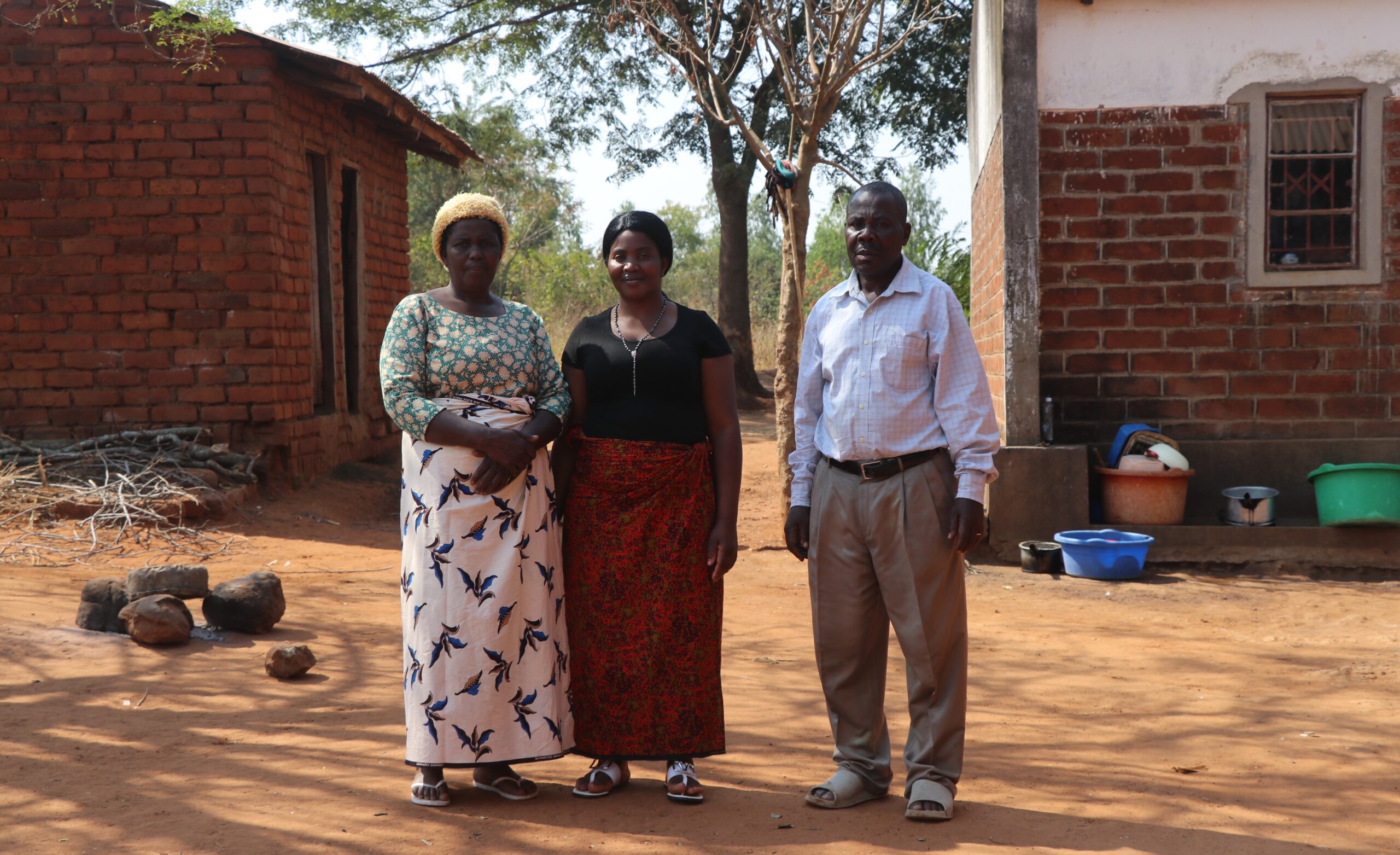
Two days later, we proceeded to our final destination: Samama village, the same place I left 13 years ago. The receptionI received from my parents is something I will never forget. I felt like a lost child who had finally found her way back home. The hugs, smiles and jubilations, reminded me of the biblical story of the prodigal son.
My parents said the kind of words only parents can say to a child who has gone through hardship. They comforted me. They reminded me that I was no longer alone. After everything I had experienced, I finally felt safe again.
I lost a dream, but I still have hope
Although I feel safe being back in Malawi, there are moments when I sit alone, and the pain returns. This is when I think about what I left behind in South Africa: the items I owned, the refrigerator and household goods I worked so hard to buy, and the life I spent years building.
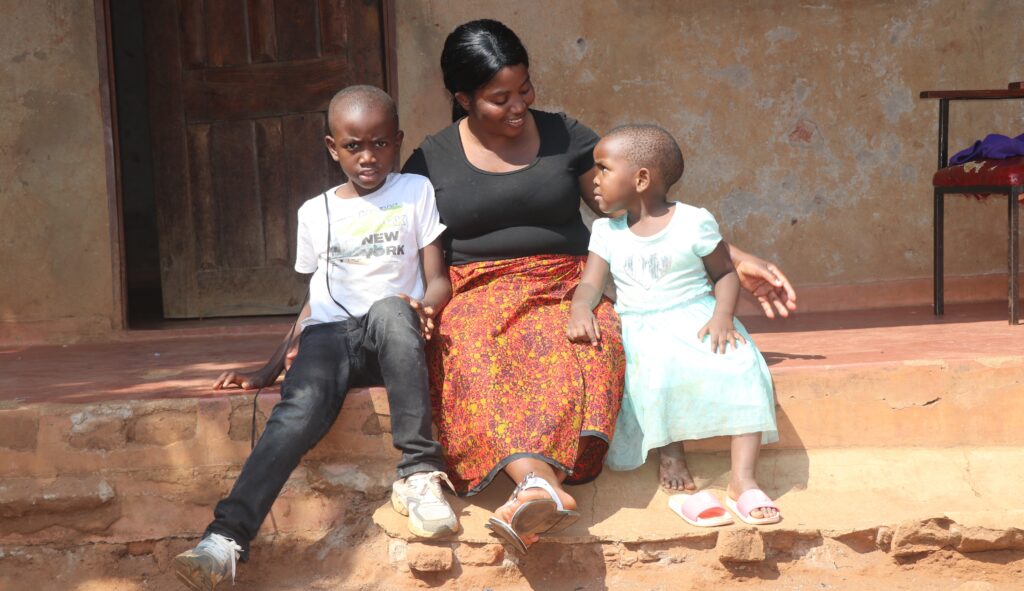
Although the children are also trying to adjust, they still ask me questions: “Mum, when are we going back home?” When I tell them that Malawi is now our home, they struggle to understand. They tell me, “This home is different. There is no electricity. It is bushy.”
They’re not wrong. I sometimes wonder how they will react when I take them to a public primary school. They used to ride the bus. But I believe they will adjust with time.
Similarly, I am starting to adapt to this new life. What gives me strength is that I am no longer alone. I am reunited with my parents and with the two children I left behind long ago, now adults.
ALSO READ: Escaping Venezuela: gay migrant builds a new life in Chile, advocates for LGBTQ+ rights
I vow never to return to South Africa. When I was leaving South Africa, my former employer urged me to renew my passport and maintain the proper documents so I could resume work at her house.
But I have made up my mind. Now, I want to rebuild my life here in Malawi. I’m hoping for support that can help me start a small business and provide for my children. If I cannot find another opportunity, I will turn to farming. My mother is now a village head, and we have land.
This keeps my hope alive.
FAQs