
I am an underage Sudanese refugee who had to trade sex for medicine
Since Sudan’s civil war broke out in April 2023, millions of civilians have been caught in the crossfire. Three years on, more than 8 million people remain internally displaced, and more than 940,000 Sudanese, most of them from the western Darfur region, have fled to neighboring Chad. But while the refugees have been welcomed, they have not found safe haven. Humanitarian aid efforts struggle to provide adequate housing, sanitation, and medicine. And women and children are vulnerable to sexual exploitation, including by aid workers. One underage girl at Chad’s Adré refugee camp tells how she traded sex for medicine.

- 3 months ago
 July 12, 2026


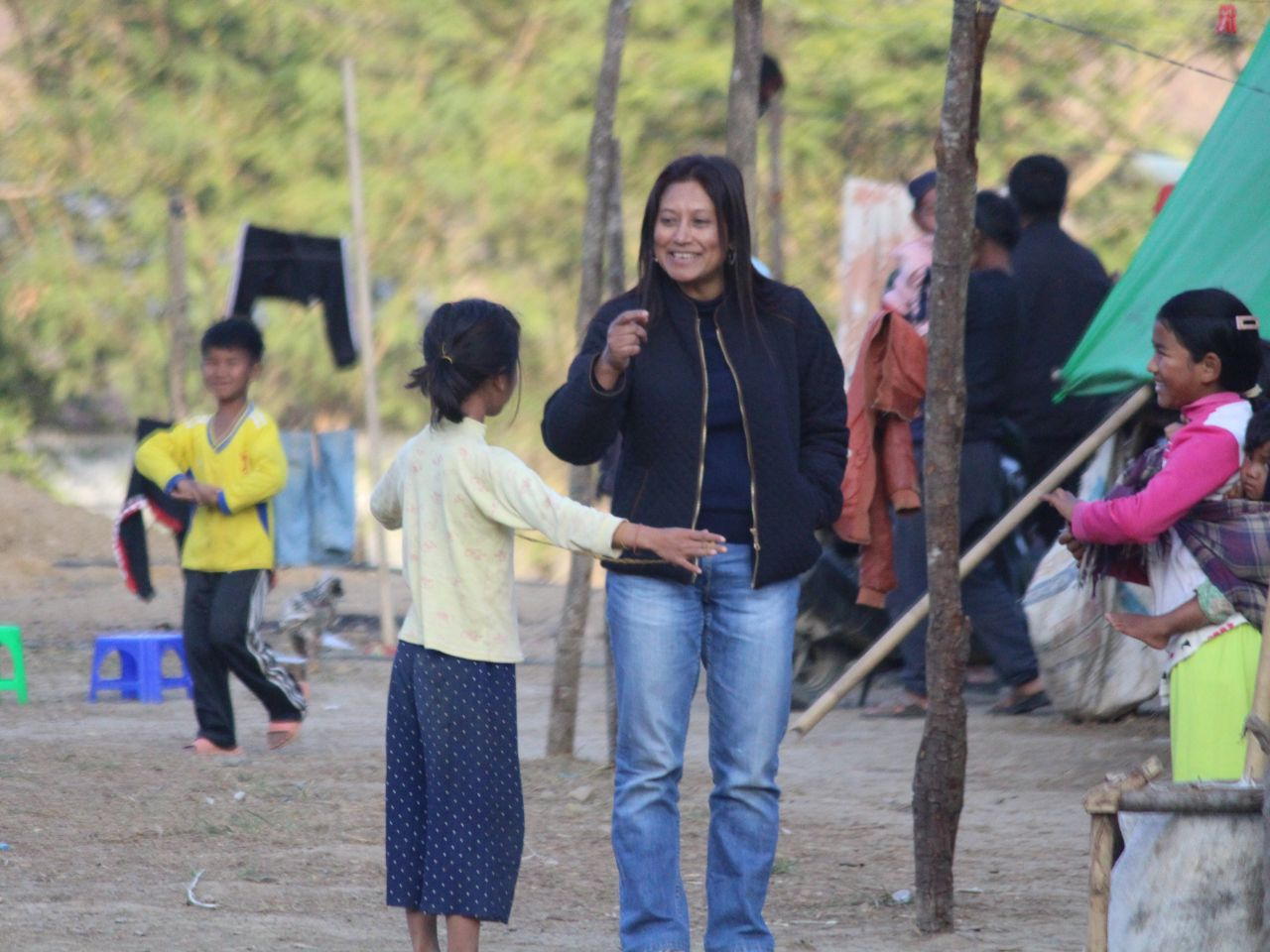
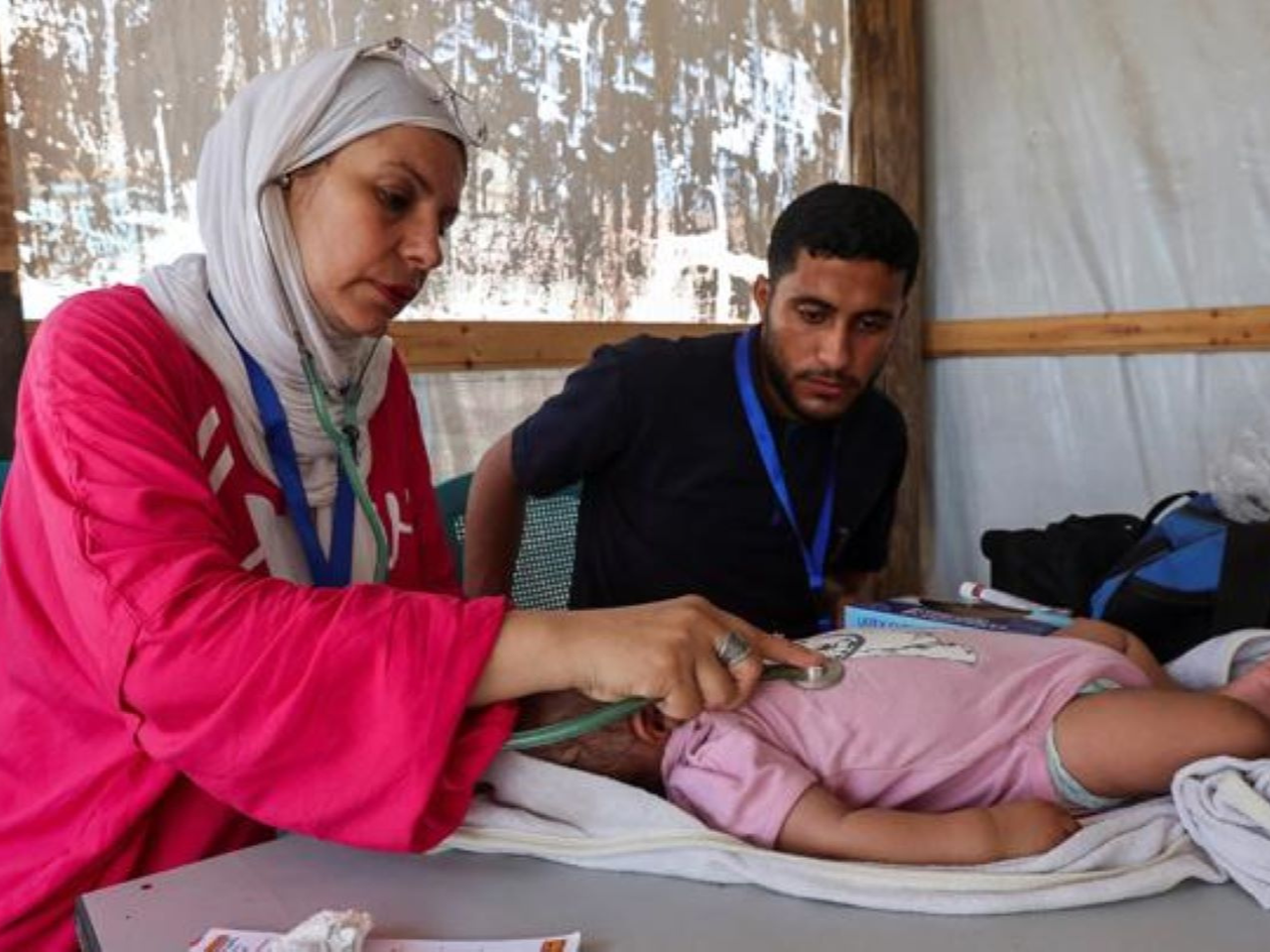
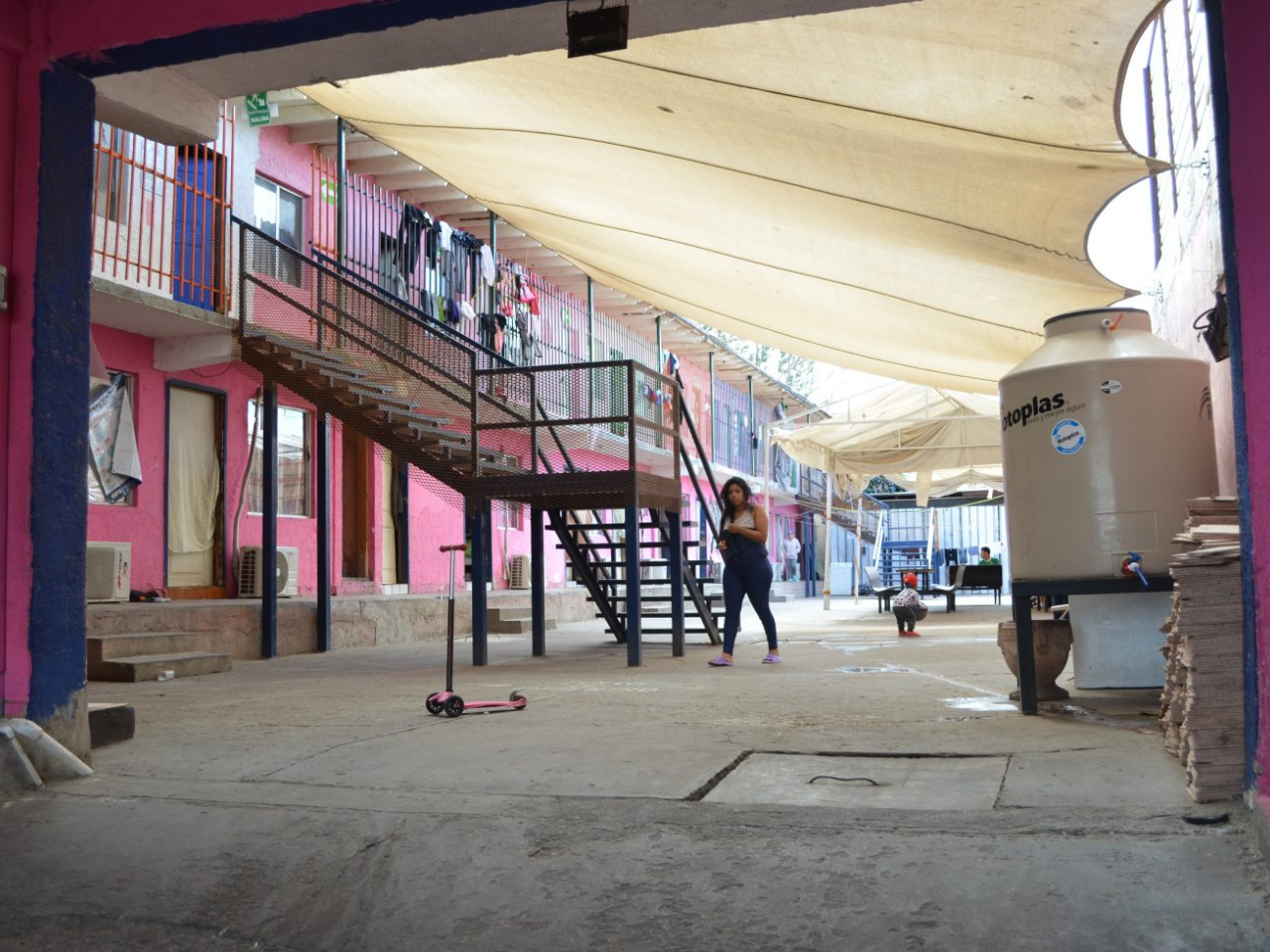
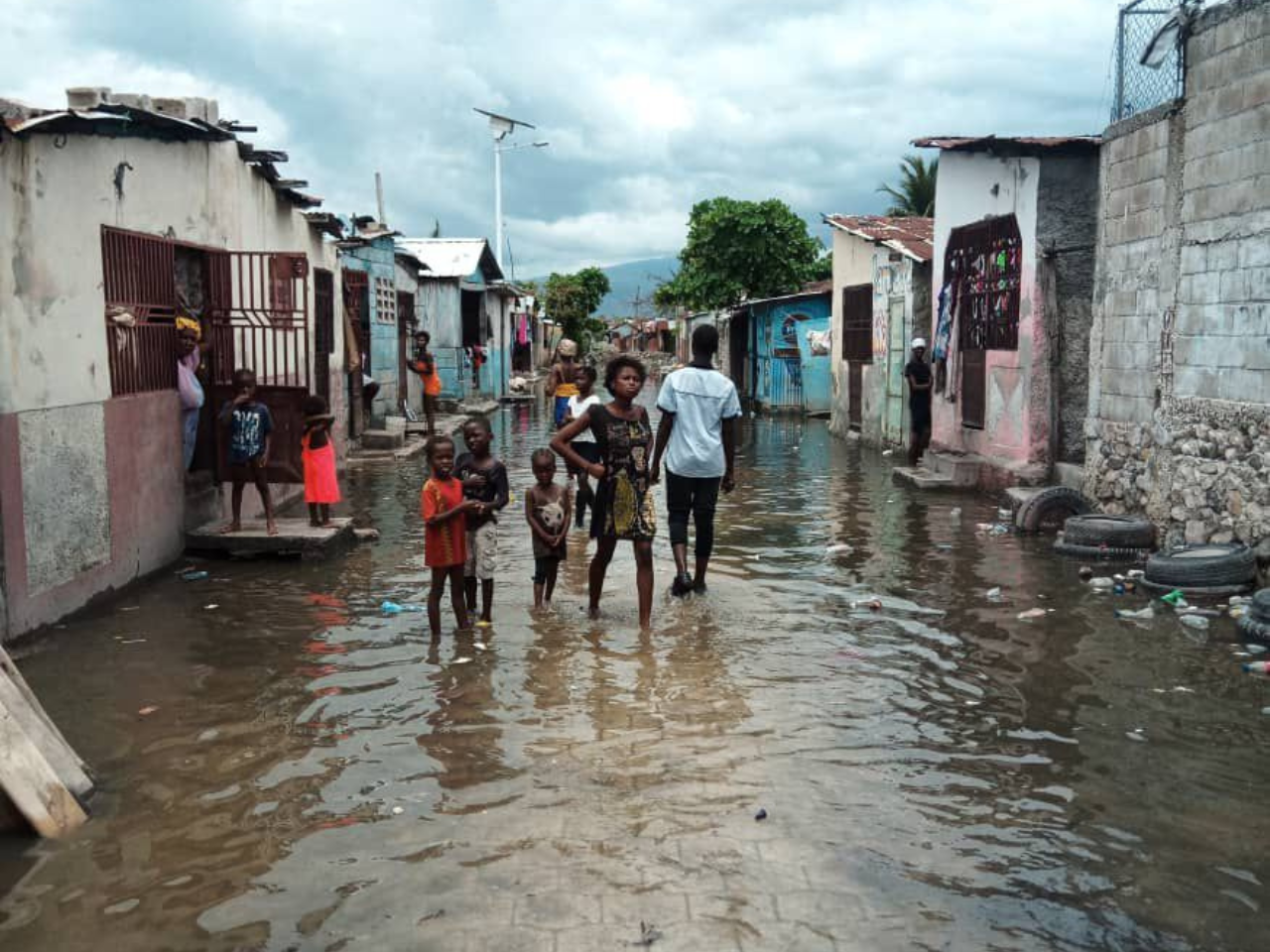
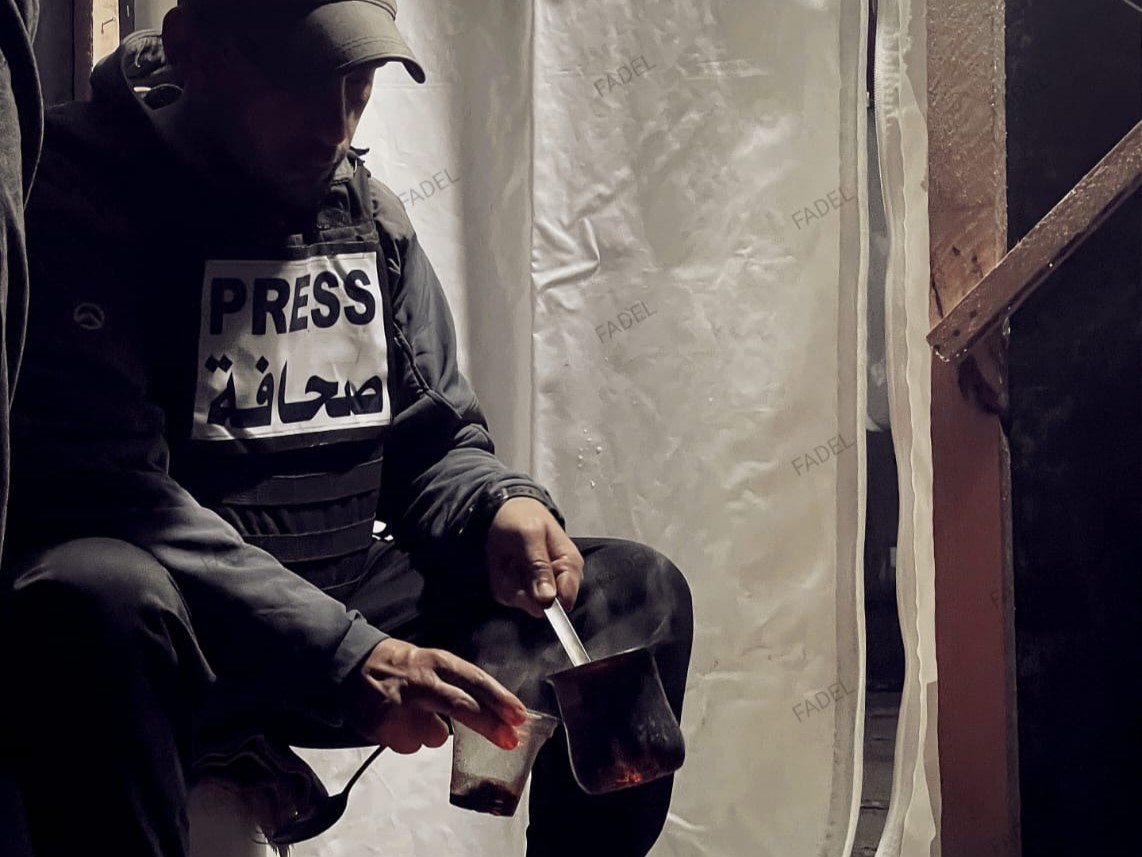
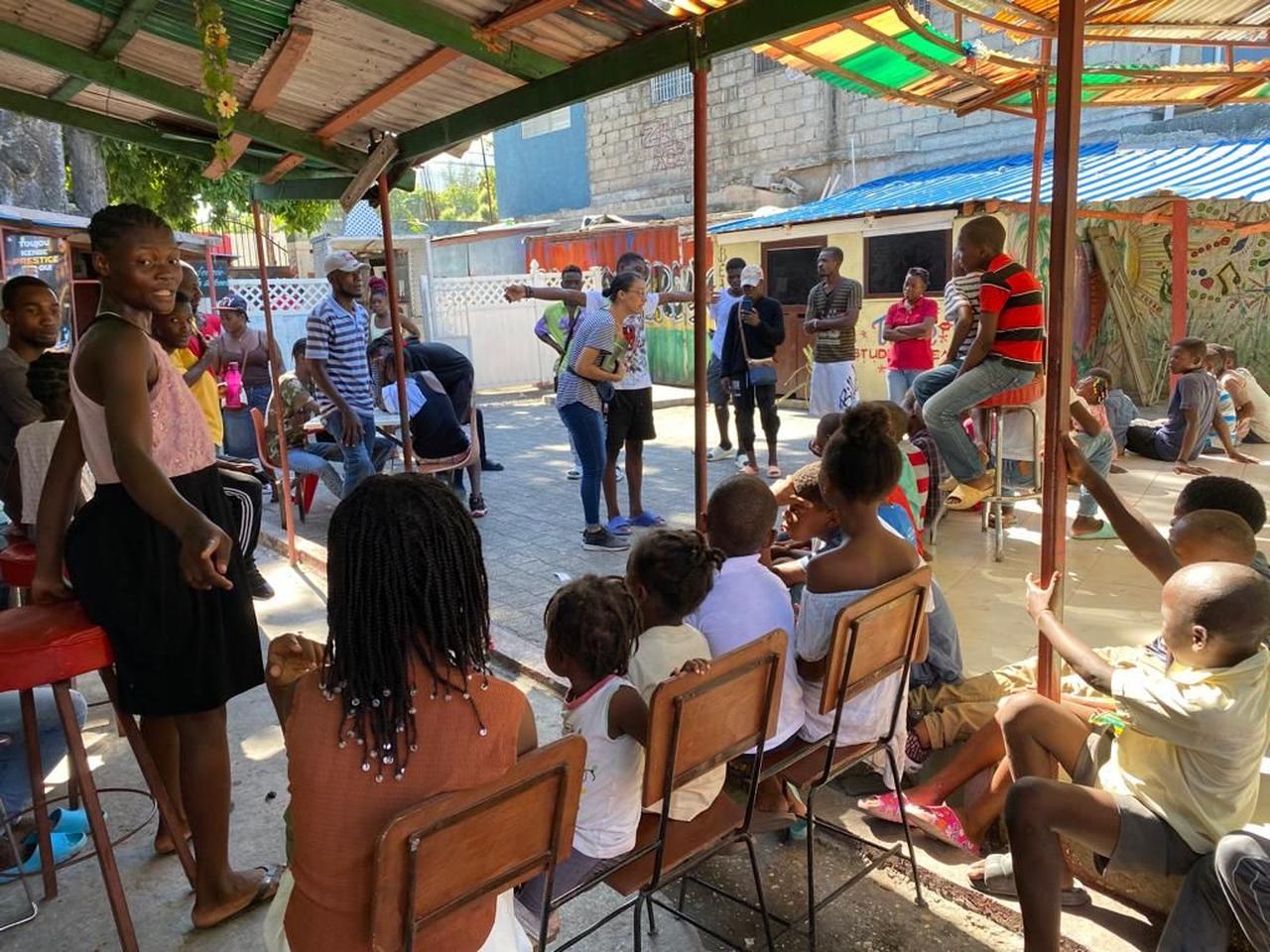
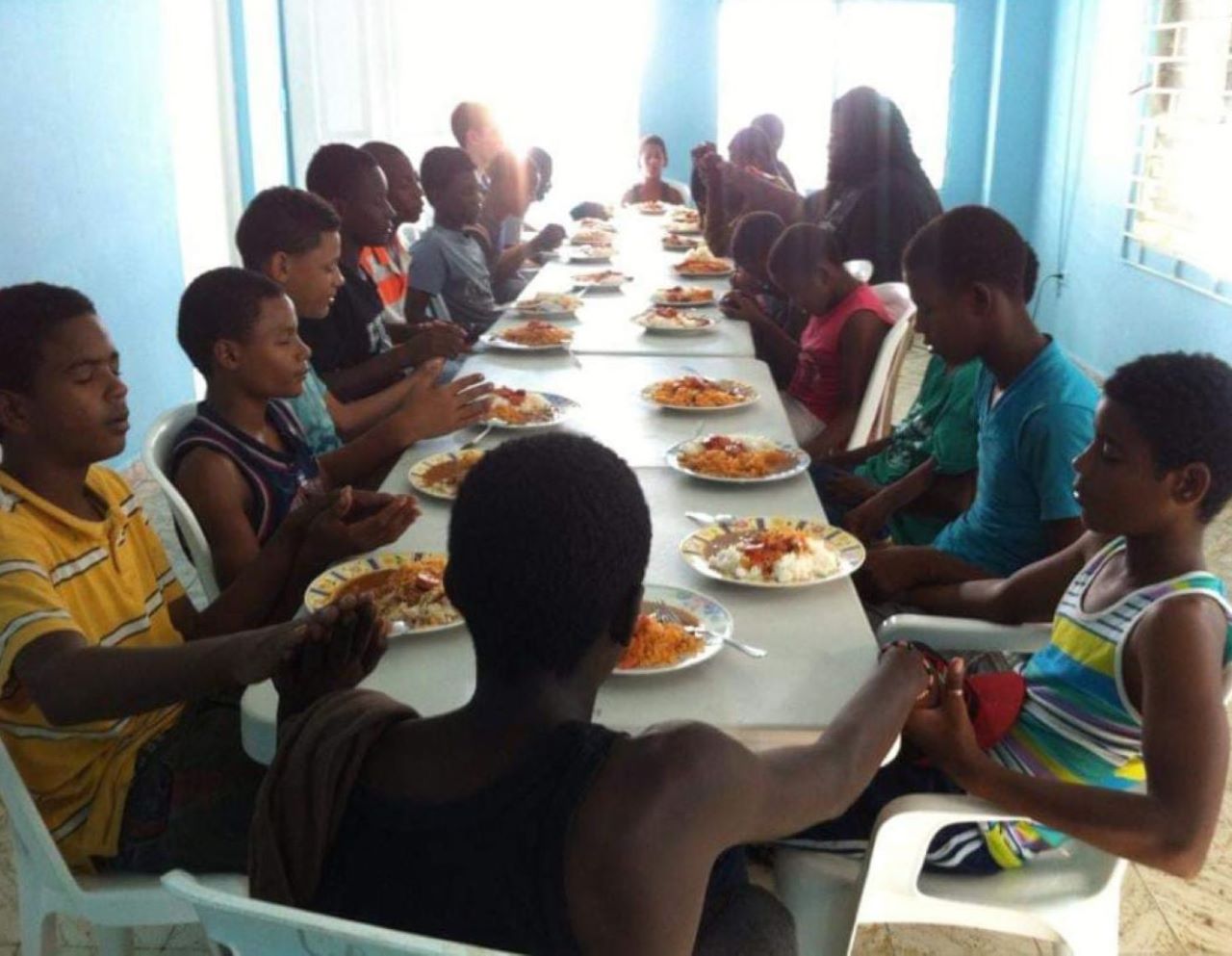
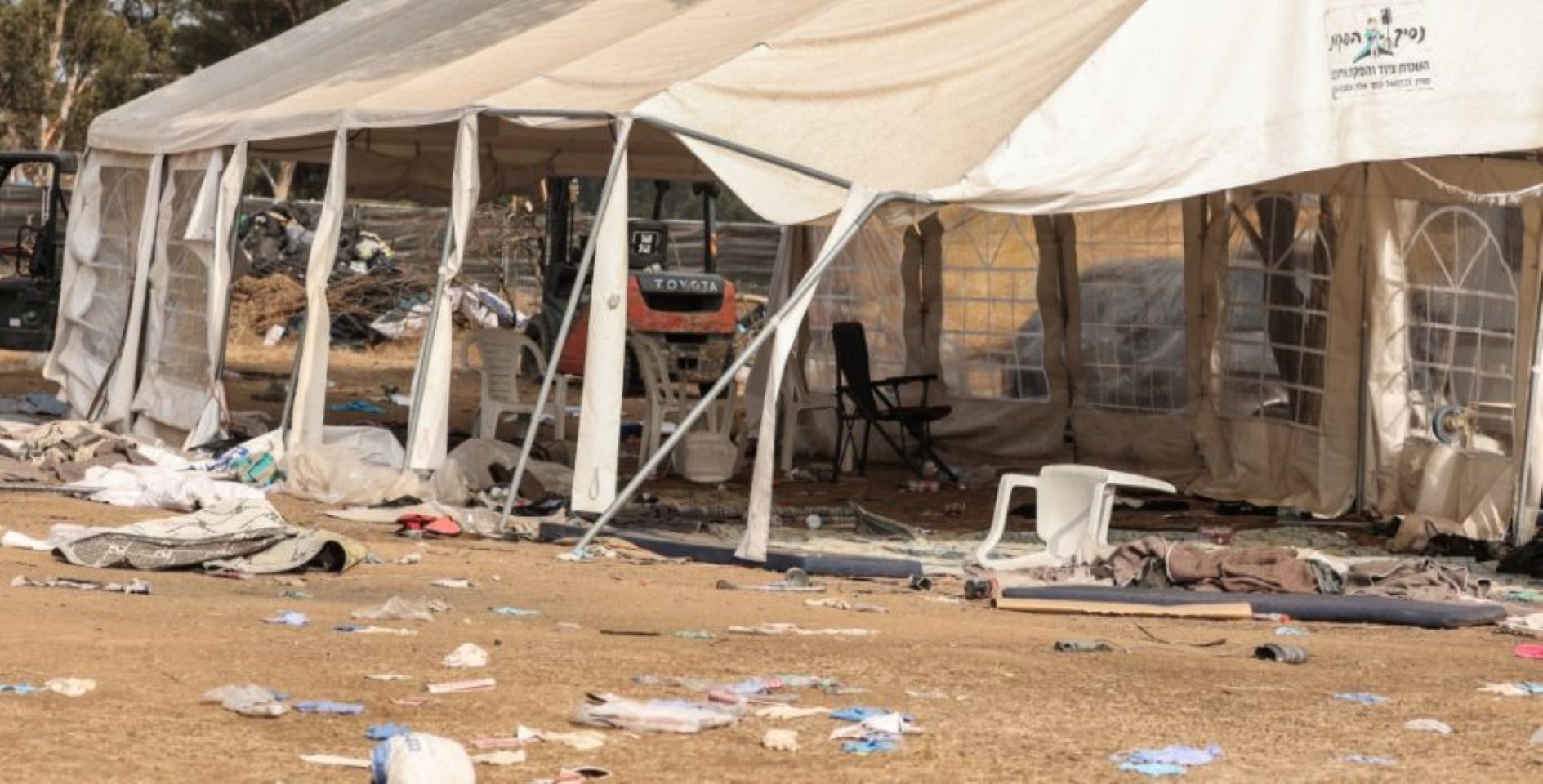
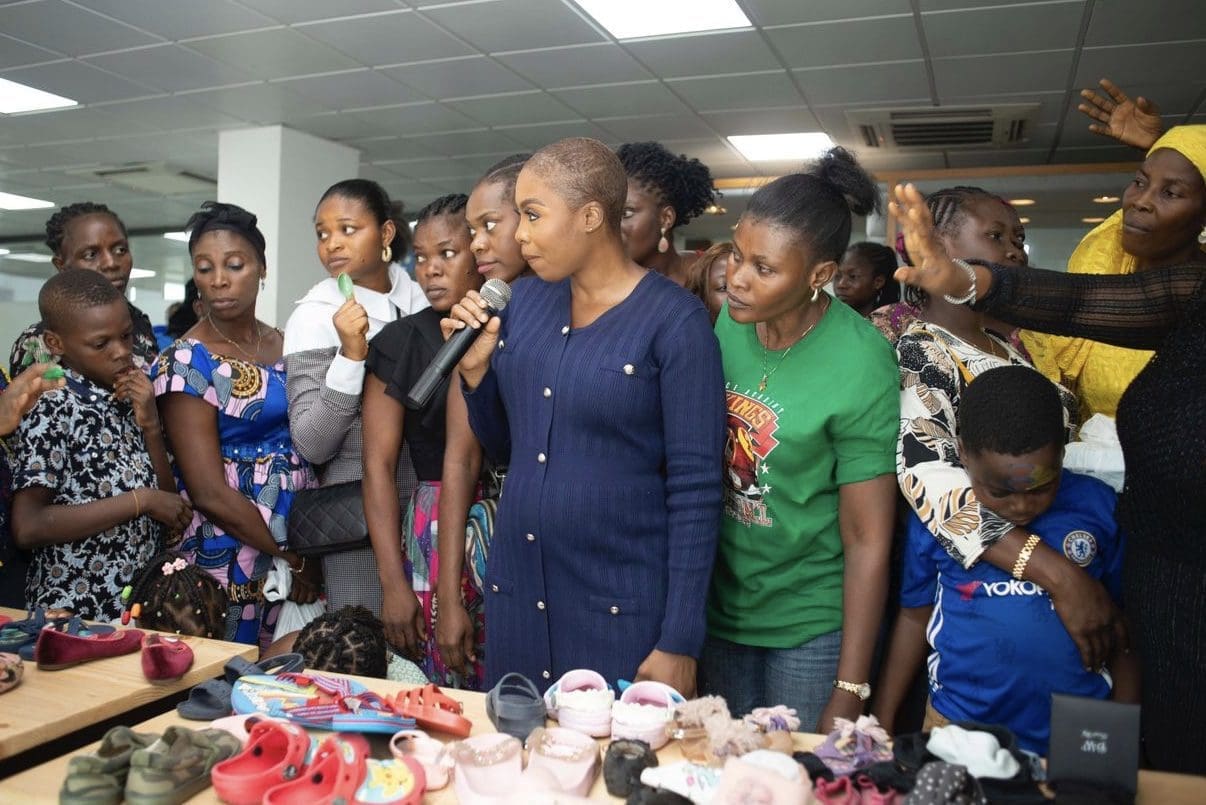
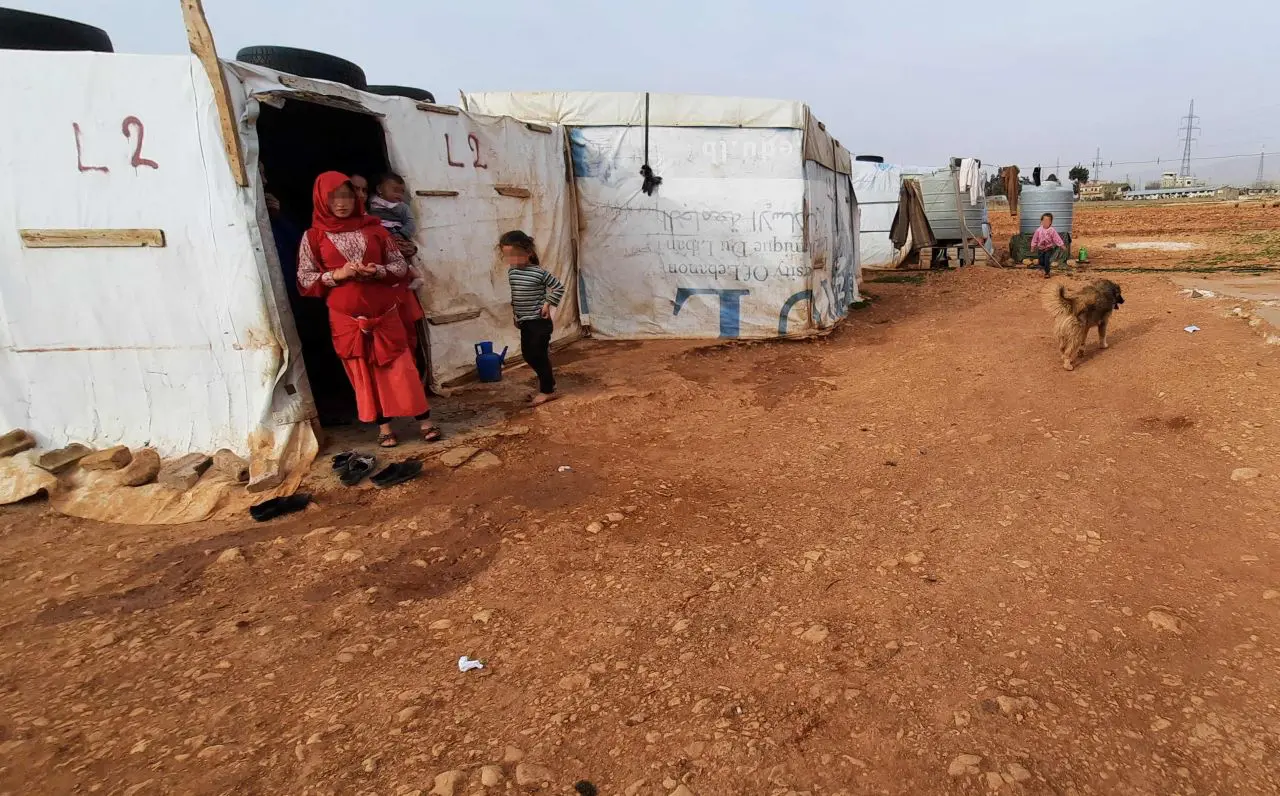
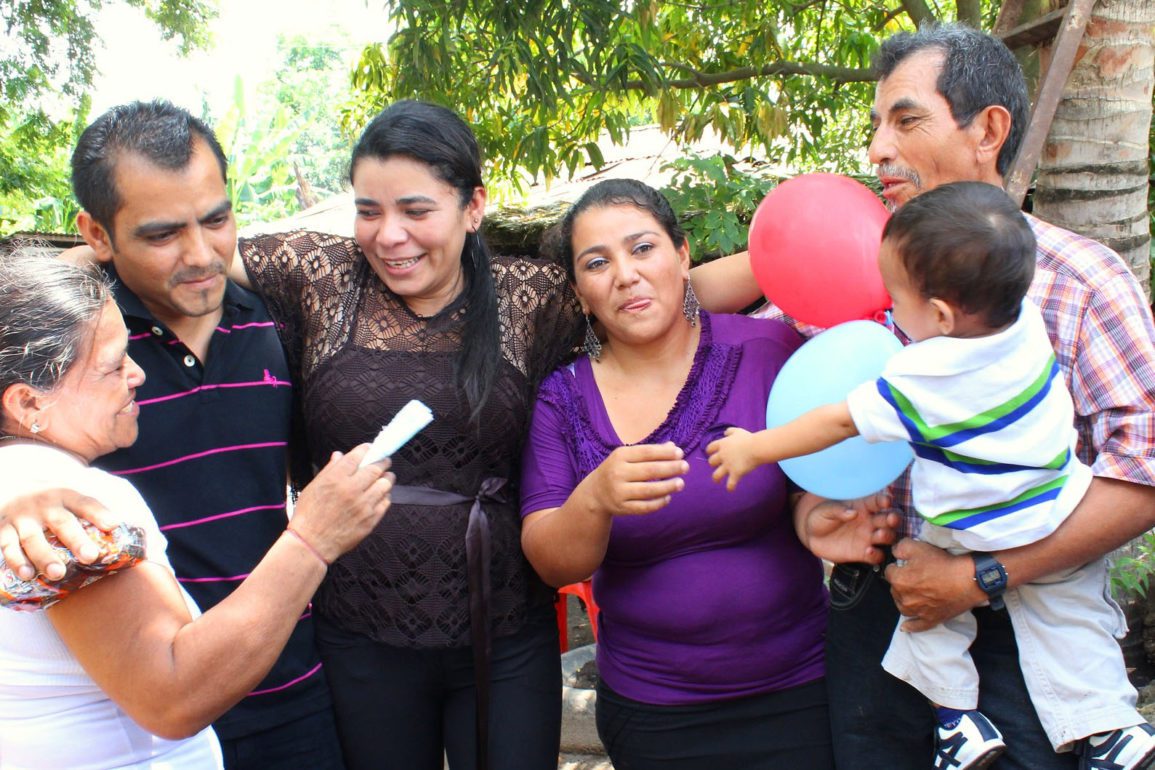
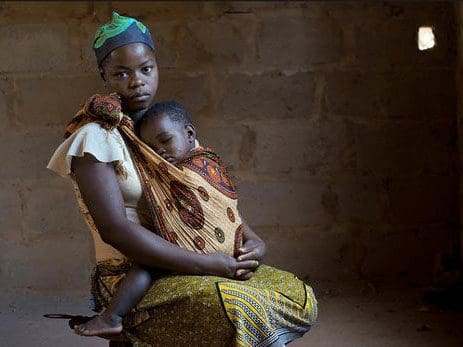
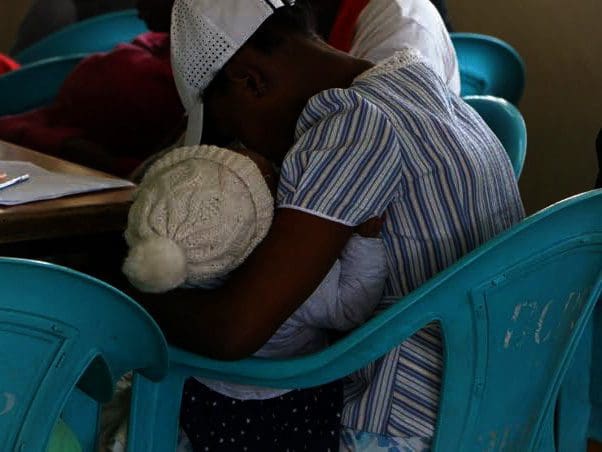
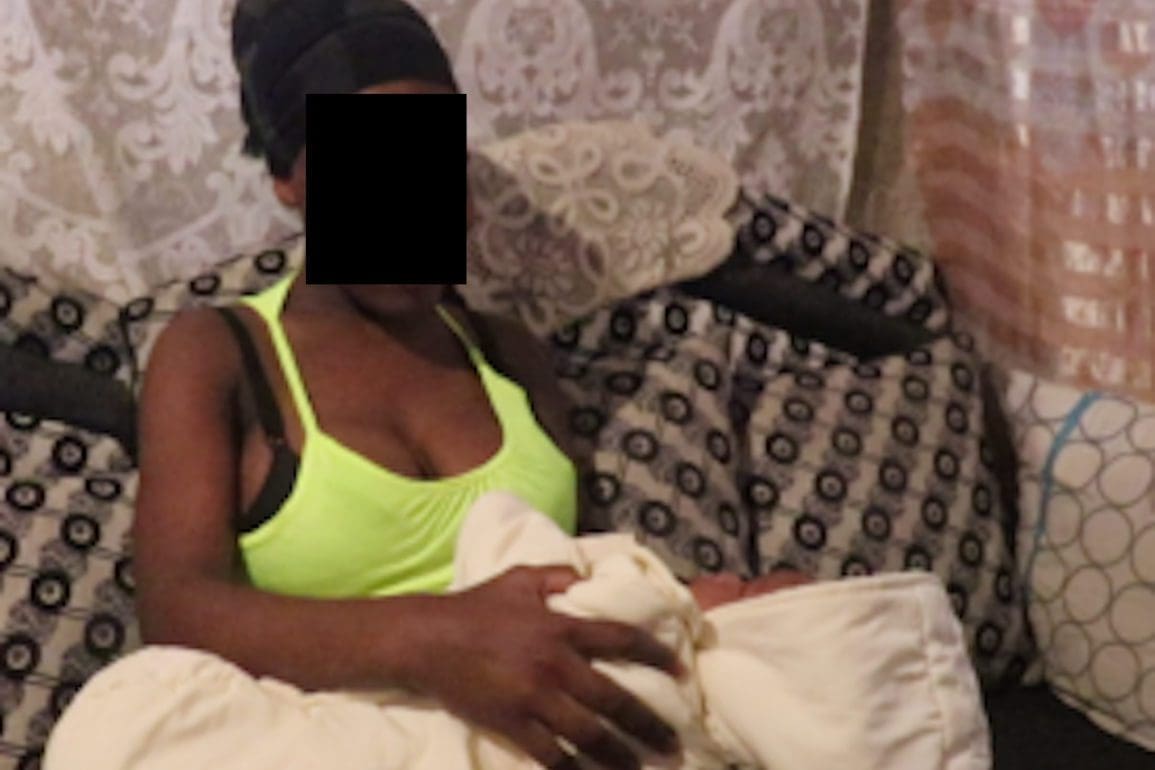
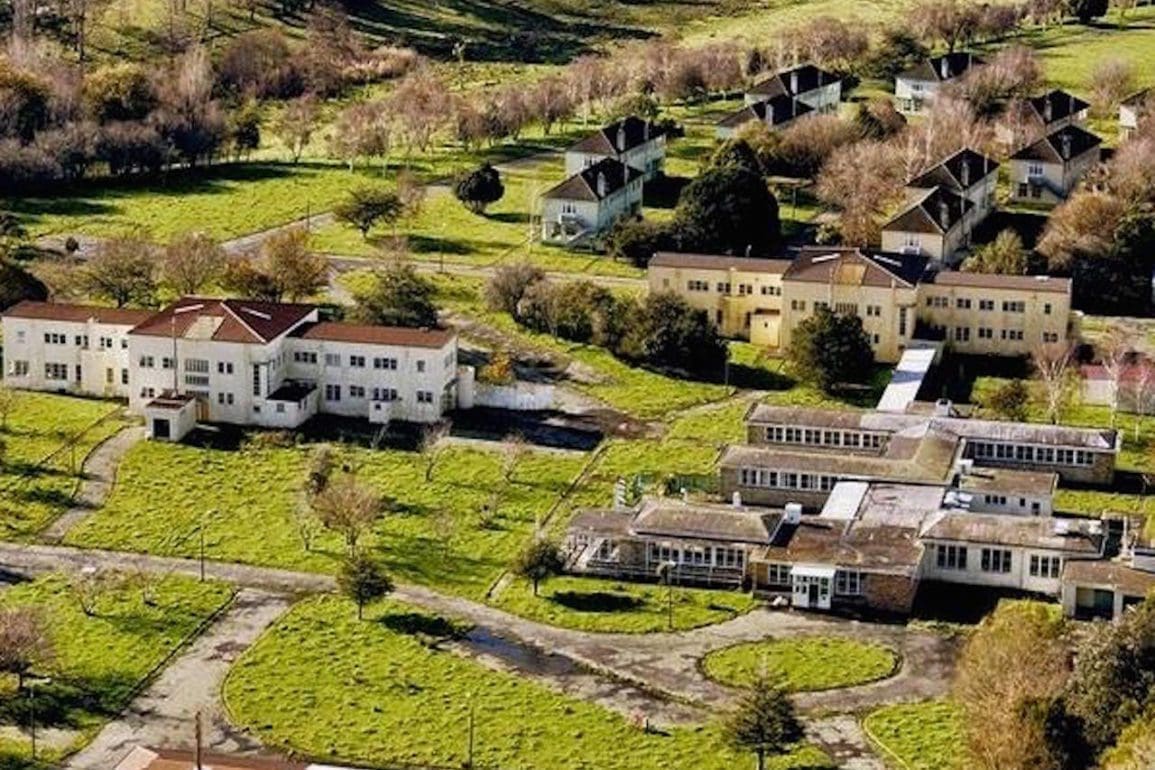
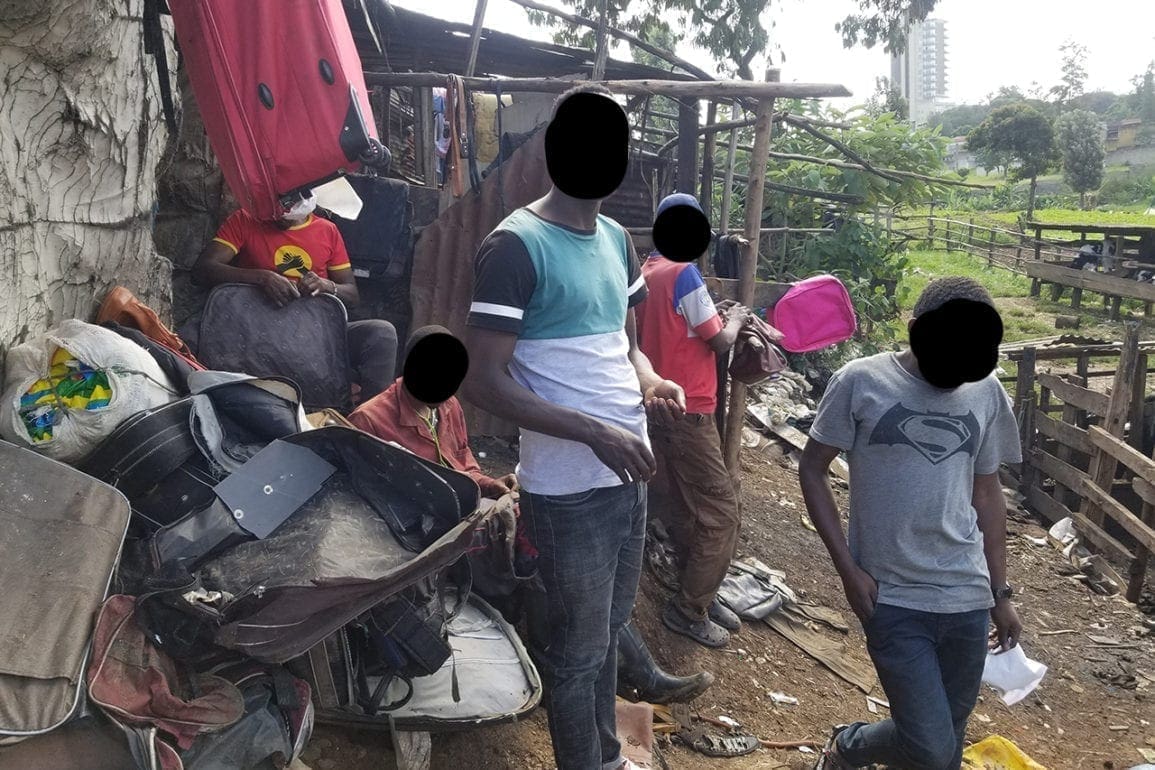
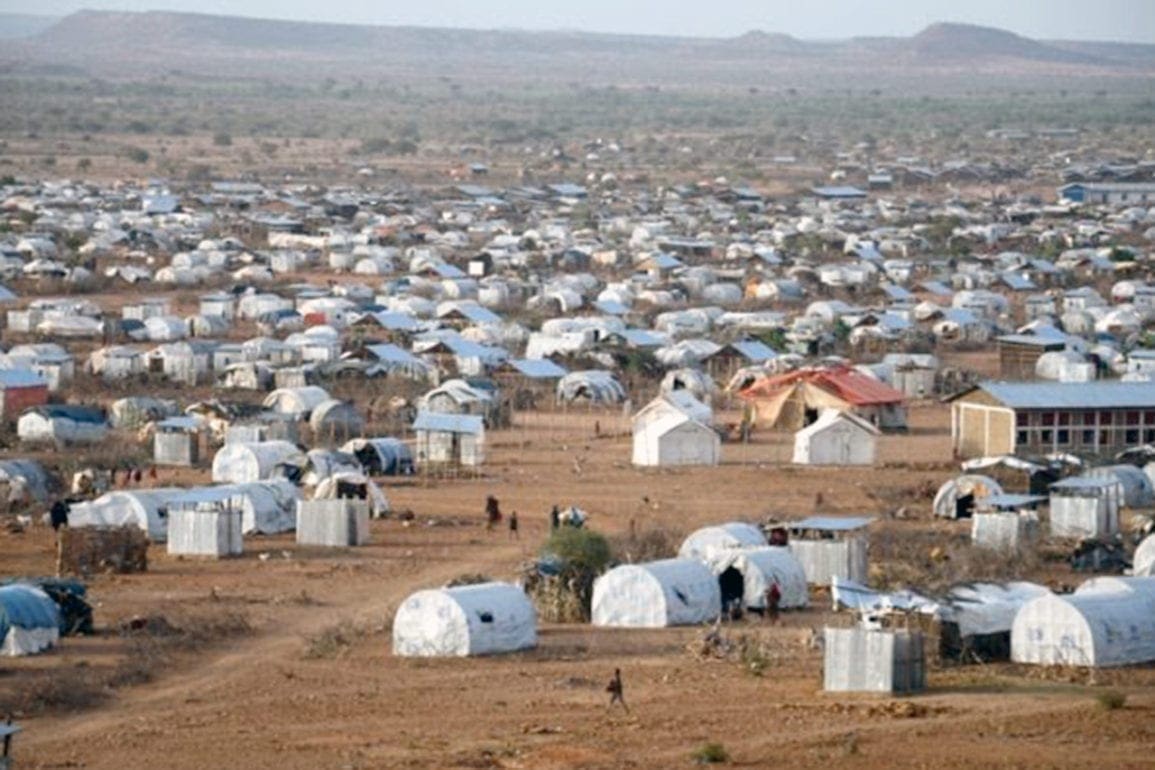
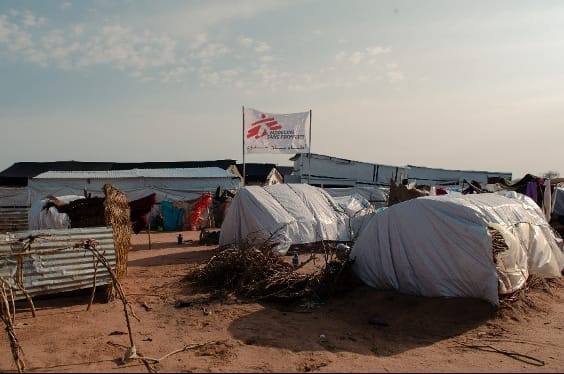
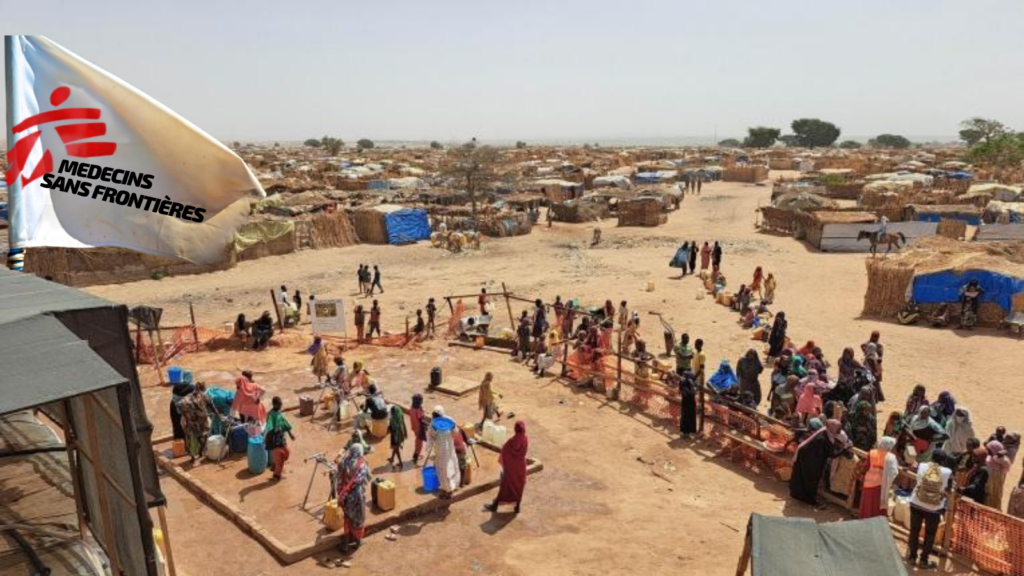 Sudanese refugees living in Adré camp in eastern Chad depend on humanitarian assistance after fleeing the conflict in Sudan. Photo courtesy of Doctors Without Borders (MSF).
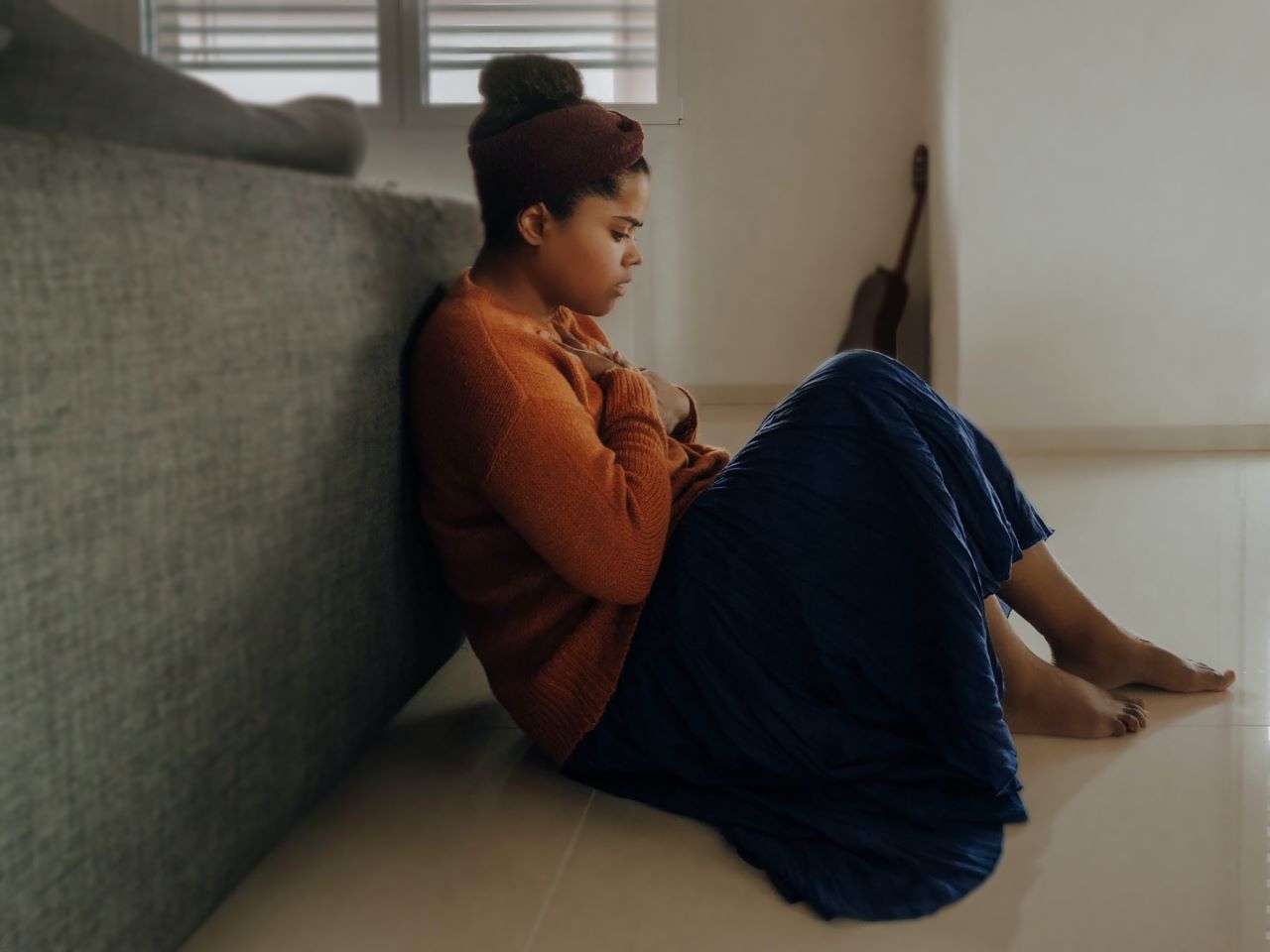
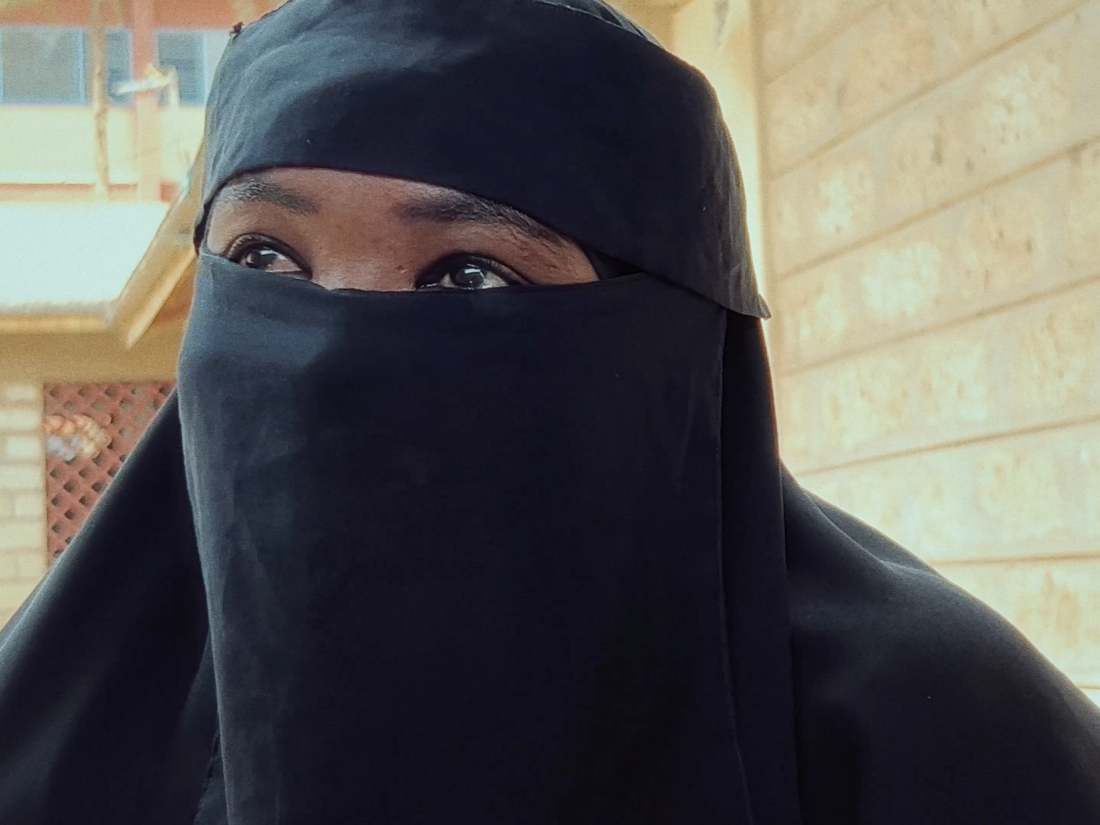
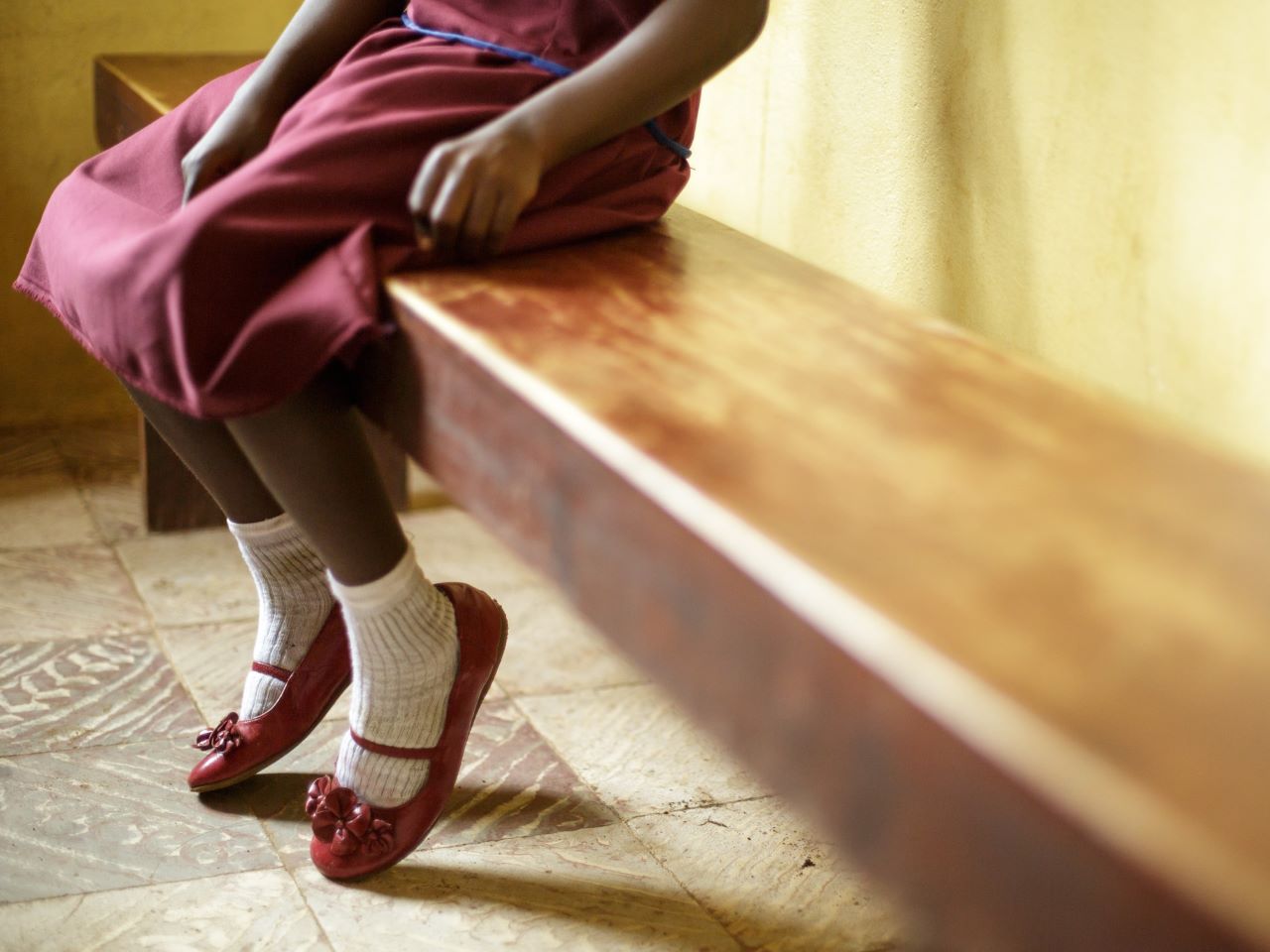
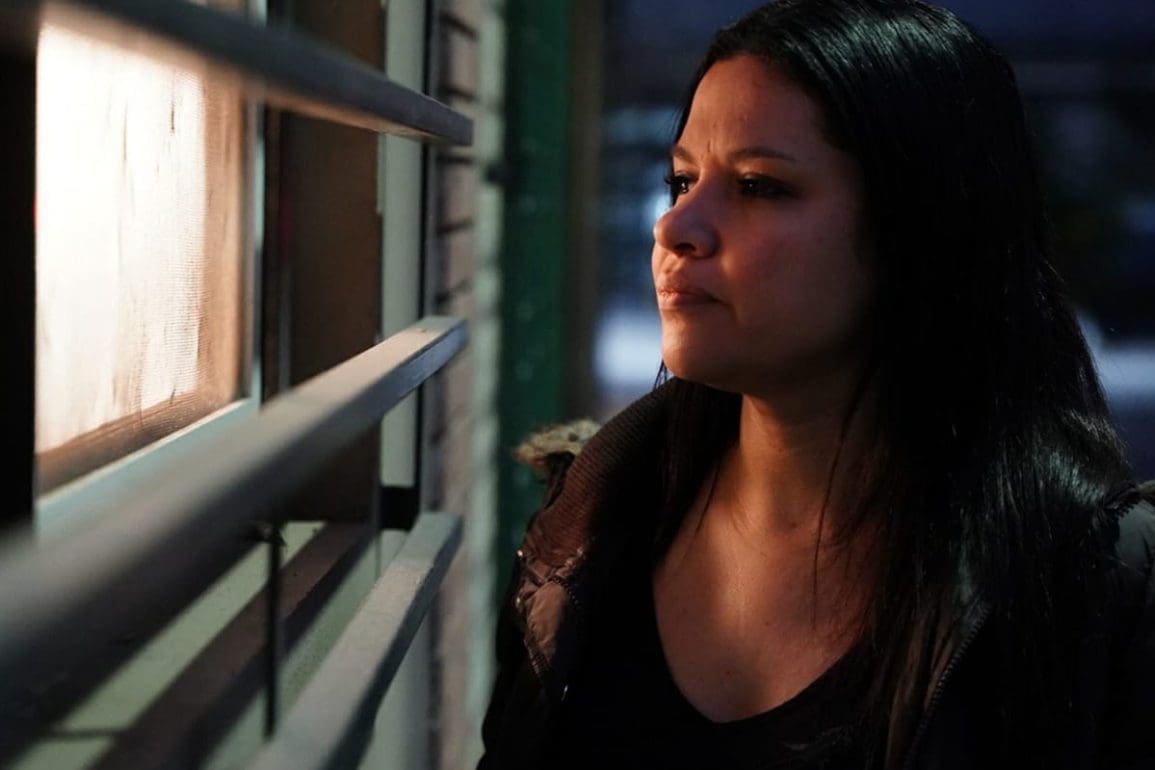
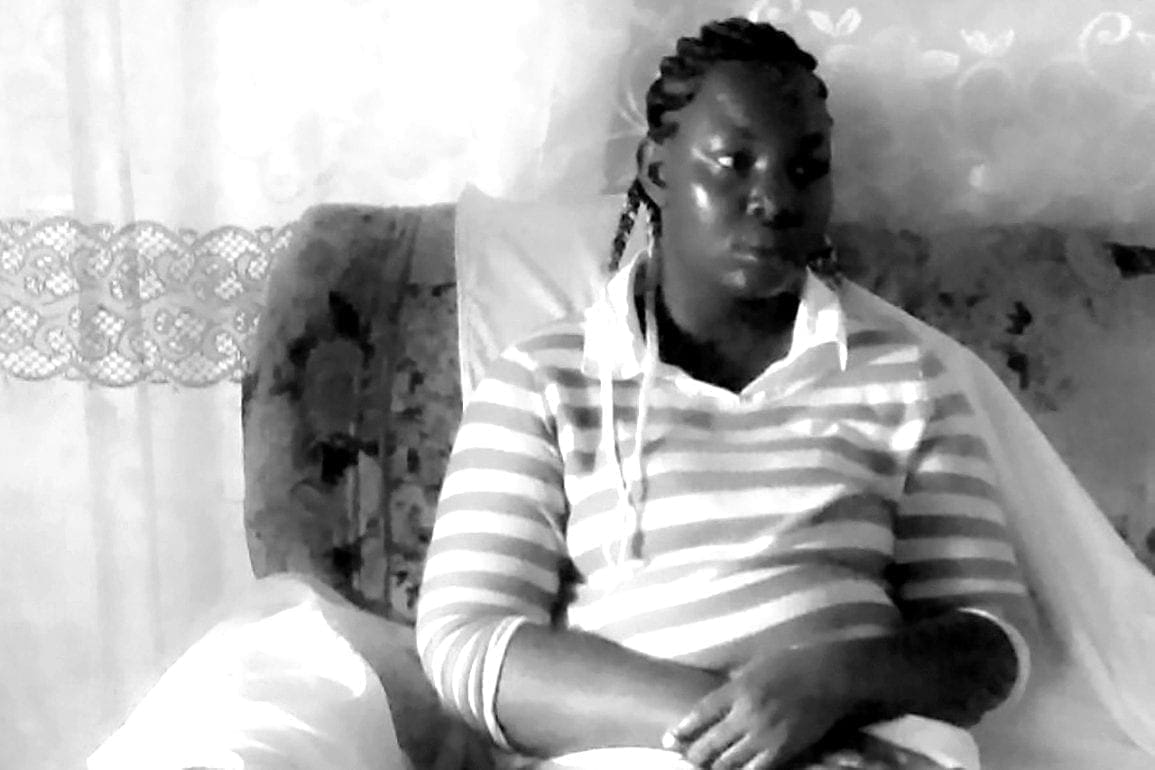
I am a refugee of Sudan’s ongoing civil war – and a victim of sexual abuse at the hands of an international aid worker who was supposed to help me. I can tell you that I am a 17-year-old girl, but out of fear of repercussions I will only give you the first initials of my name: N.A.
My family and I fled our homeland in Northeast Africa in April 2023, when fighting reached western Sudan’s Darfur region. Like hundreds of thousands of others, we crossed into neighboring Chad, hoping to find a safe place to get a new start.
Today, I live with my family at a refugee transit camp in Adré. But even when you escape war, life remains hard. Aid agencies do what they can to help, providing food, medical care, and education. But the needs are immense, the wait for relief is long, and we are all vulnerable.
Many try to help us. But some, even those from the humanitarian staff working at the camp, take advantage of that vulnerability. I should know – I was duped into exchanging sex for medicine for my family.
An aid worker duped me into providing sex for medicine
About a year ago, a young pharmacist from Médecins Sans Frontières (Doctors Without Borders) began taking an interest in me. At first, he was generous when dispensing tuberculosis medication for my mother and the rest of the family. He would help us more than others by giving us extra medicine. We had very little, and that help meant a lot to us.
Then things changed.
One day, he brought medicine for my sick mother. She suffers from tuberculosis, and the rest of us take medicine as a preventative measure. But on this day, he told me he wanted to have a relationship with me. I refused. I was uncomfortable. I didn’t want a relationship. I was 16.
After I refused, his behavior changed. It became harder to get help, and I felt constant pressure, knowing my mother needed the medication. When it was his turn to dispense the medicine, we almost never got it.
He kept saying he loved me, that he wanted to marry me, and that he would take care of me and find me a decent job. At my age, away from my home country and in a very precarious situation, I came to believe his promises. I thought he was sincere.
I also thought that perhaps this was the price to pay for my family to get the medical support they needed.
He said he loved me, and I finally gave in
For several months, he had sex with me. Sometimes he would give me money, gifts, or extra medicine. Initially, I thought he was helping me. Now, I realise he was taking advantage of me and my situation.
The hardest part was when he started showing interest in my older sister, too. He made it clear that we would get more medical aid if we agreed to his demands. It became obvious I wasn’t special to him and that his intentions weren’t what he claimed. I had been deceived.
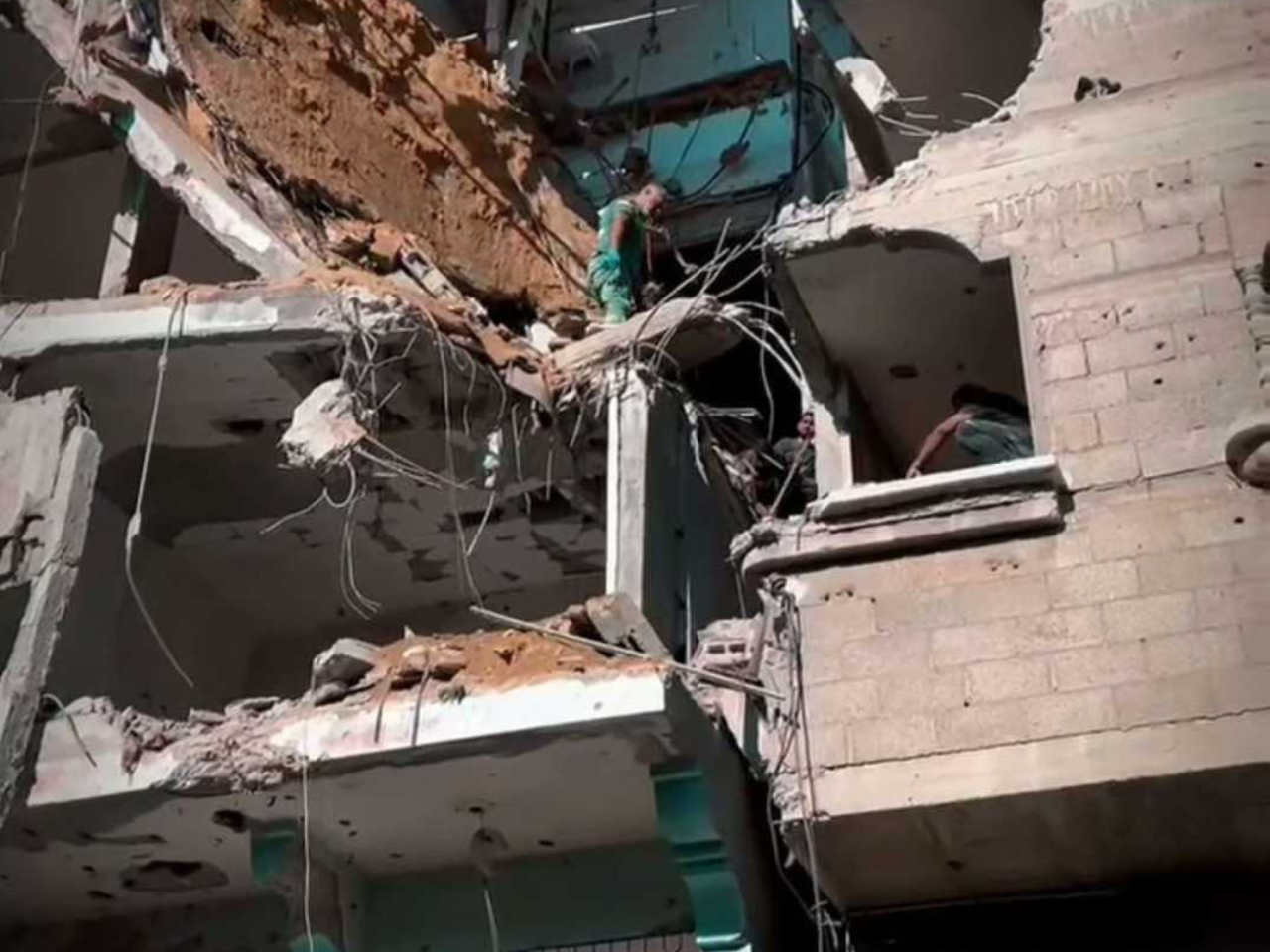
ALSO READ: I am a little girl who survived an attack on a Gaza refugee camp
I thought this kind of situation was normal. He had led me to believe that it happened to many women and girls in the camps. I didn’t know we had the right to report such behavior, and I didn’t know there were mechanisms in place to protect us.
For a long time, I kept quiet. Then I spoke out
Eventually, I found the courage to tell my family. My mother was the first person I confided in. Instead of judging me, she supported me. My family encouraged me to report what I had been through. With their help, we reported the incidents to the authorities.
At first, I was afraid I wouldn’t be believed. I feared consequences and reprisals. But several people knew about the situation, and their accounts backed up my story. My sister refused to succumb to the pharmacist’s pressure, and she seized the opportunity to denounce her abuser.
Today, the person I accused no longer works at the camp.
Even though that decision brought me relief, the wounds remain. This experience has left a deep mark on my life. I did receive psychological support and medical care. I am trying to move forward, but some things are not easily forgotten.
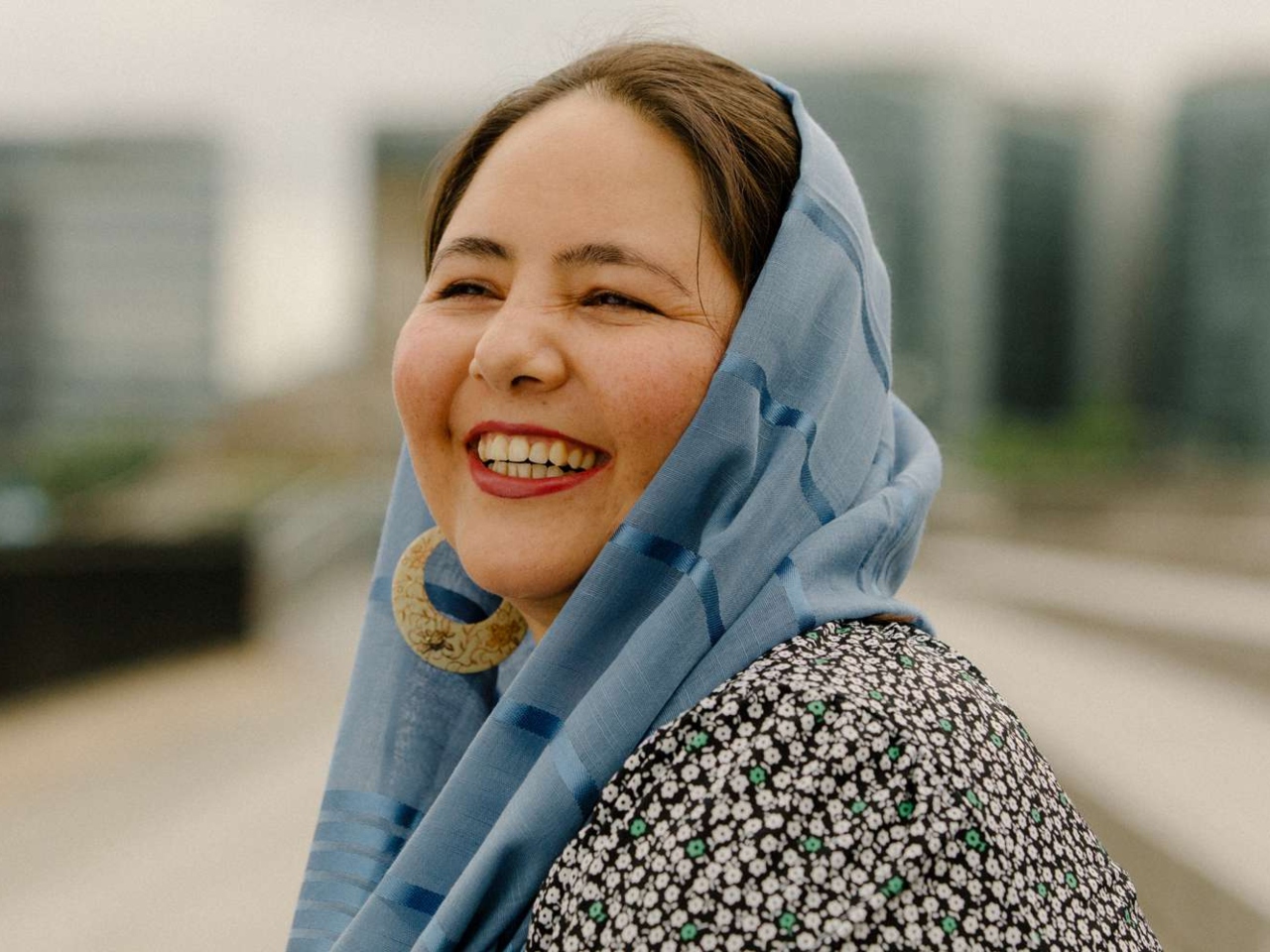
ALSO READ: Refugee Afghan Judge Marzia’s story soon to be published as a book
I often think of the other girls who are still living in silence. Many are afraid. Some fear losing the medical aid their families depend on. Others dread threats or the judgment of others. I understand that fear, because I felt it myself.
I am sharing my story today because I want things to change. Refugees need protection, respect, and dignity. No one should have to choose between their safety and their survival.
My message to other victims is simple: Speak out. Even if you think no one will listen, even if you have no proof, confide in someone you trust. Silence protects the perpetrators, not the victims.
I chose to speak out. And I hope my voice can help others find the courage to do the same.
FAQs