
Prediction markets pay dividends on war & people’s misery
As billions are wagered on war and death, prediction platforms like Polymarket are blurring the line between forecasting and war profiteering.

- 6 months ago
 April 23, 2026


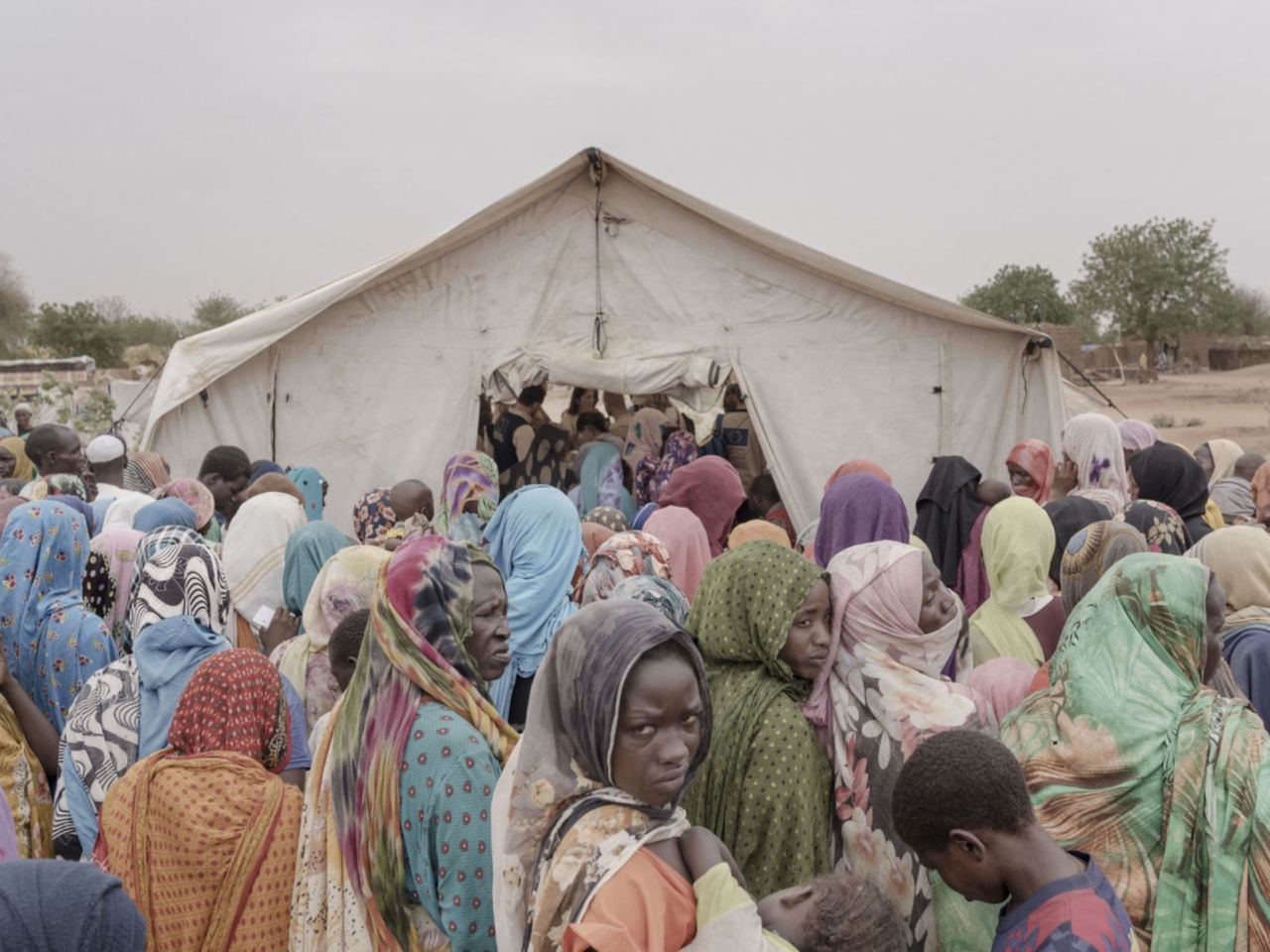
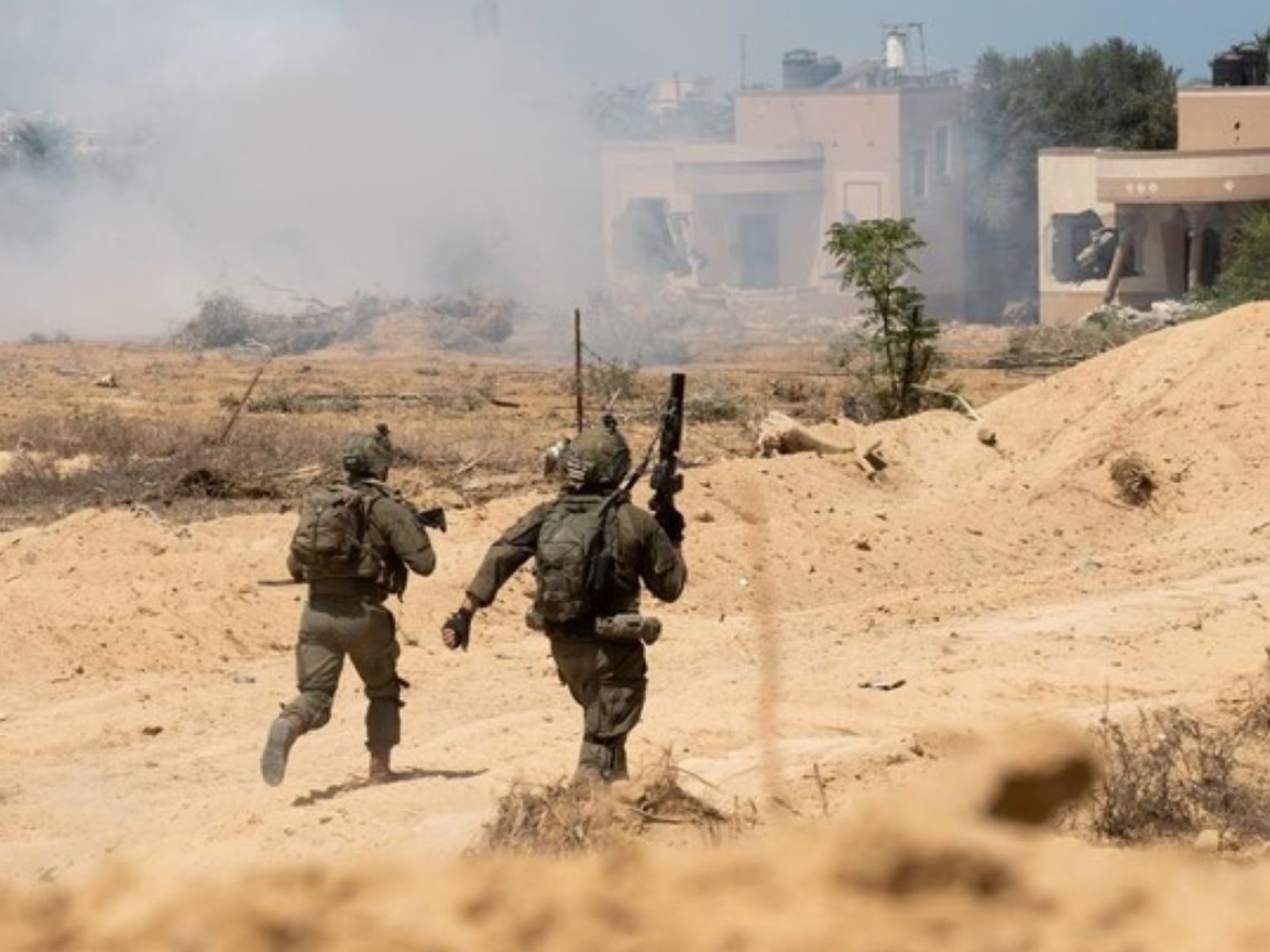
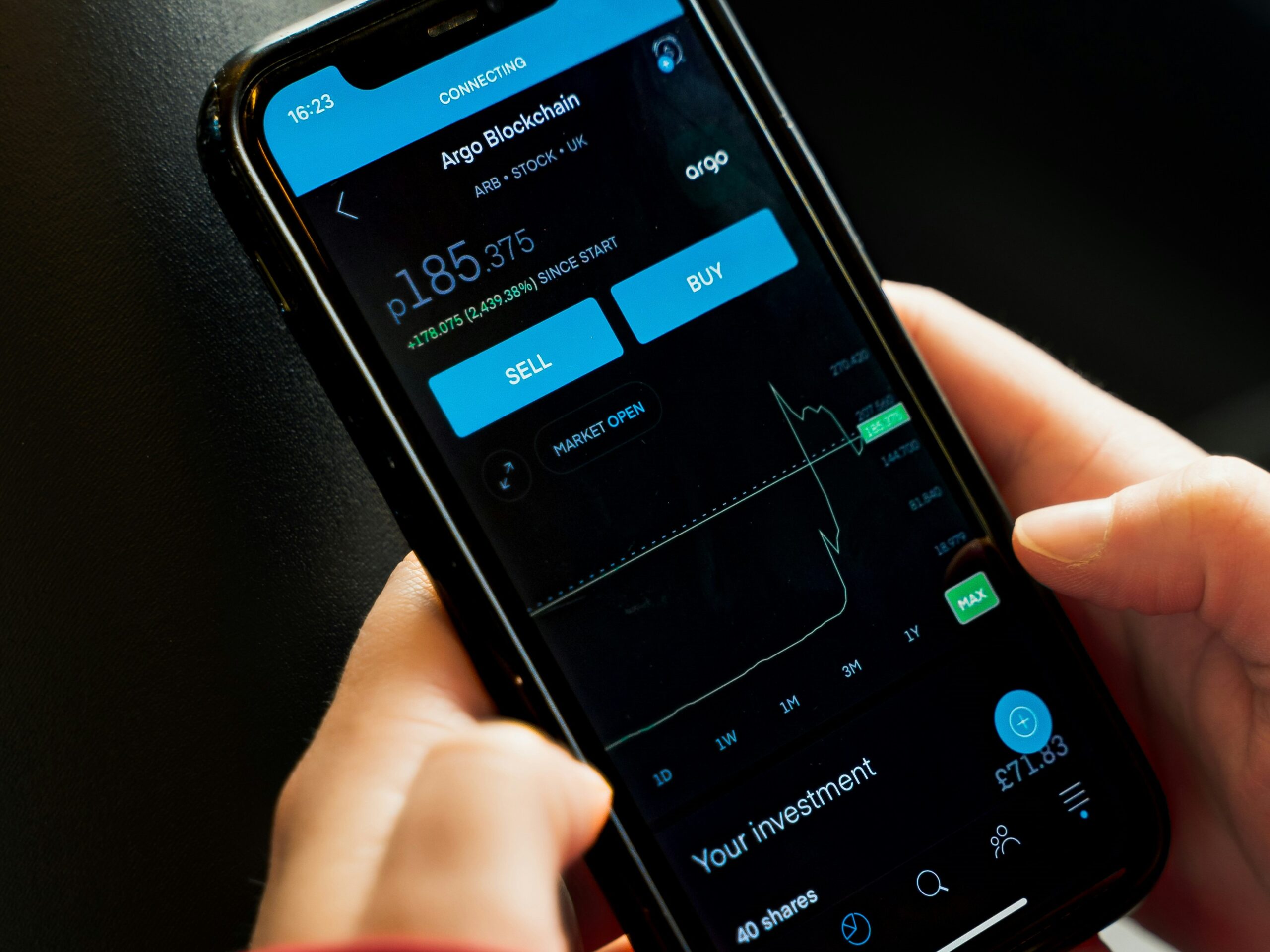
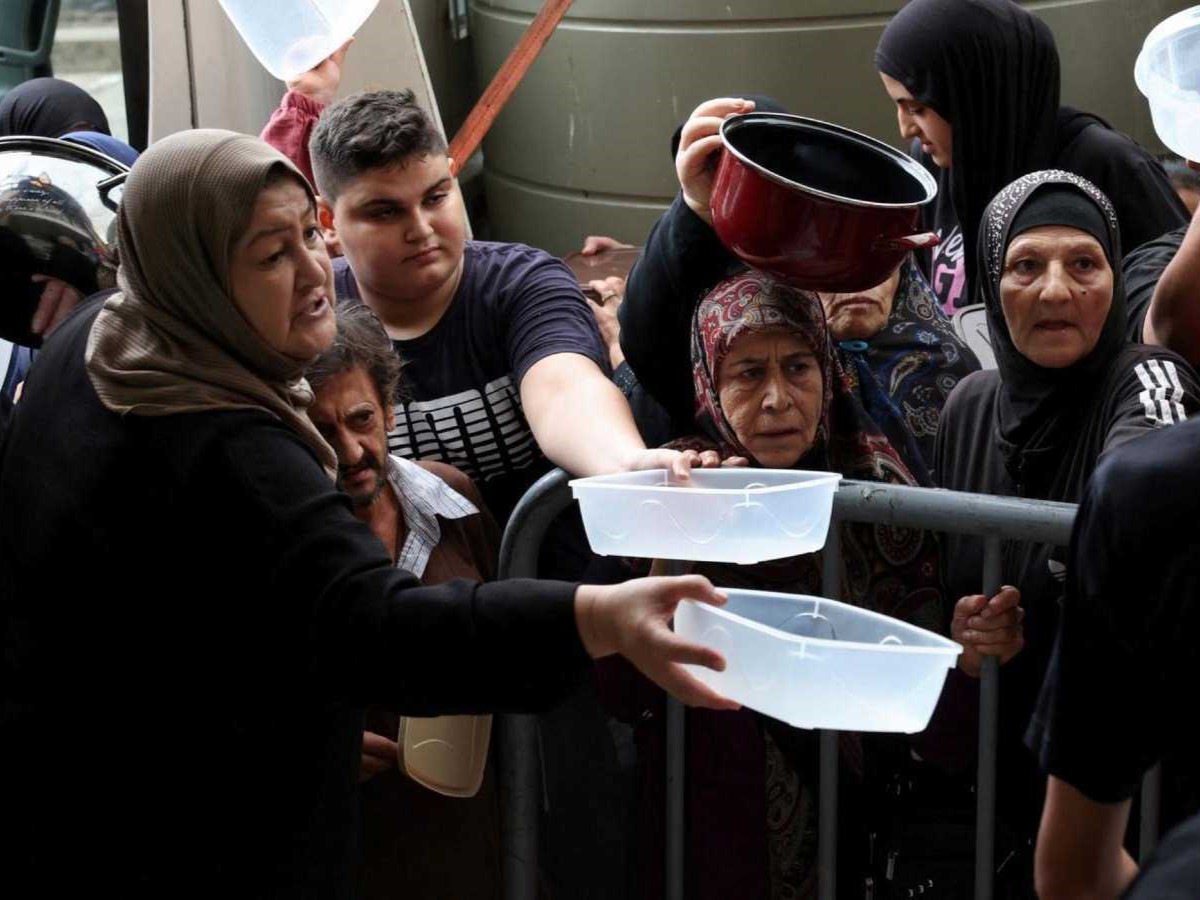
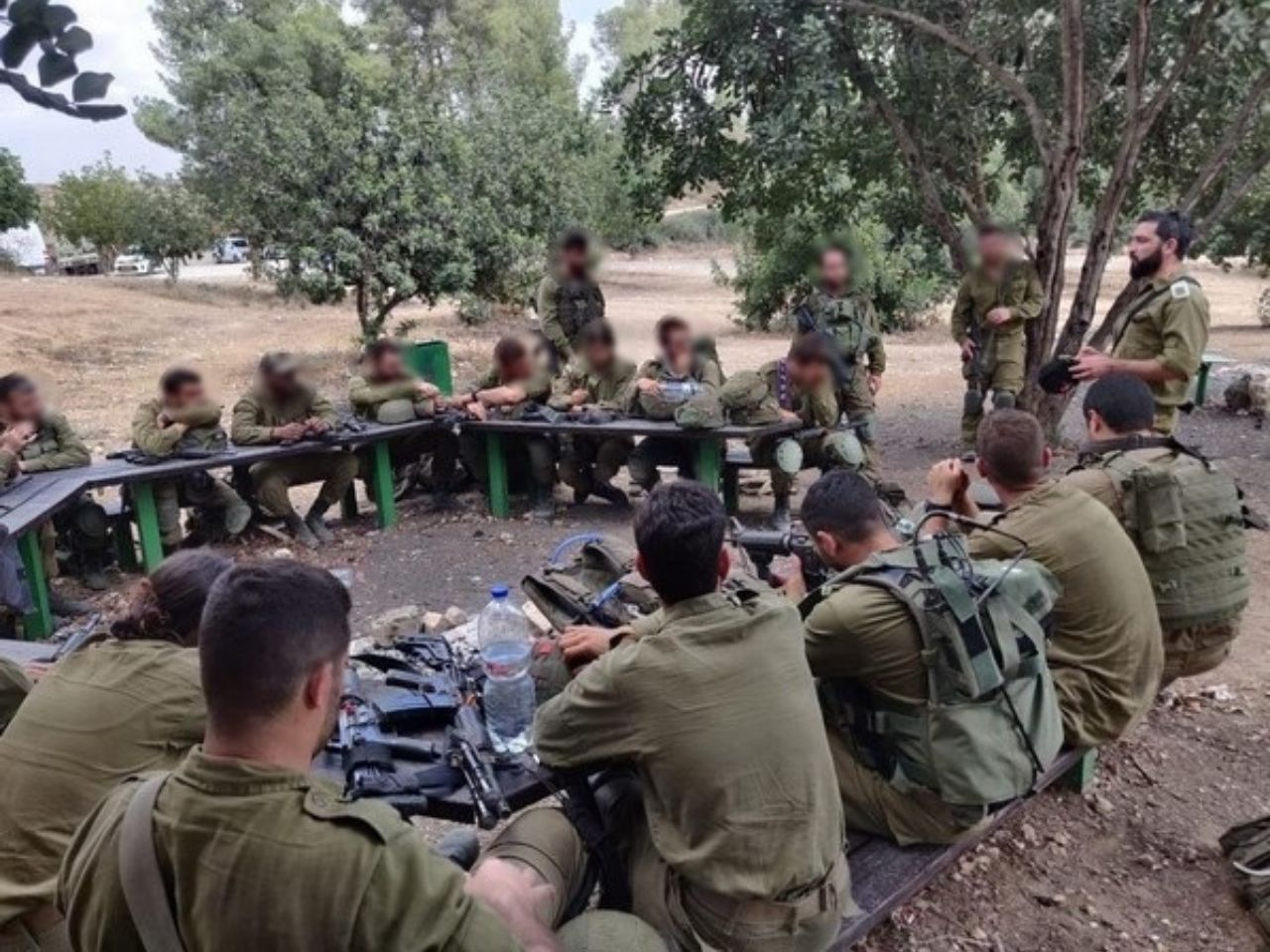
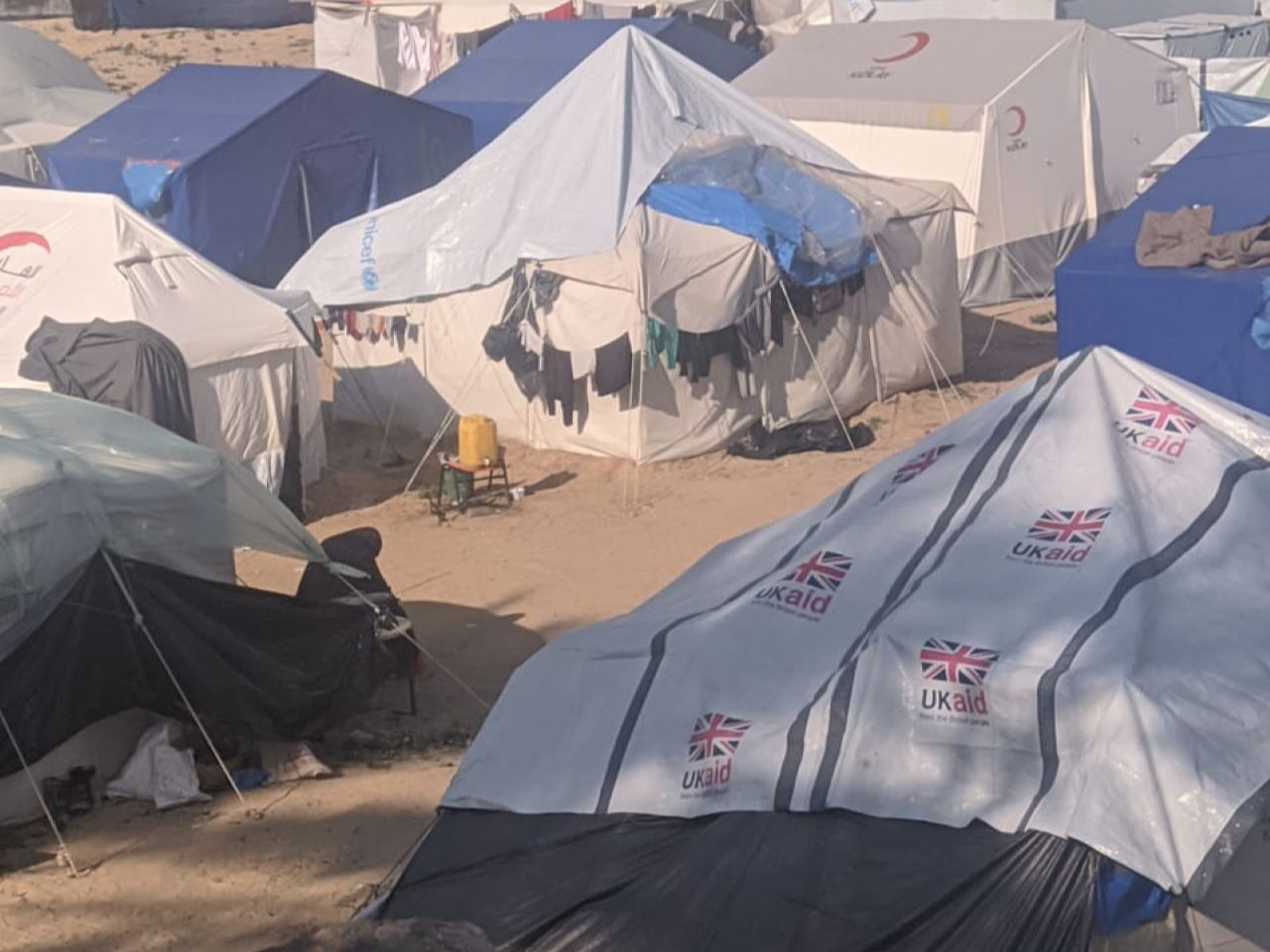
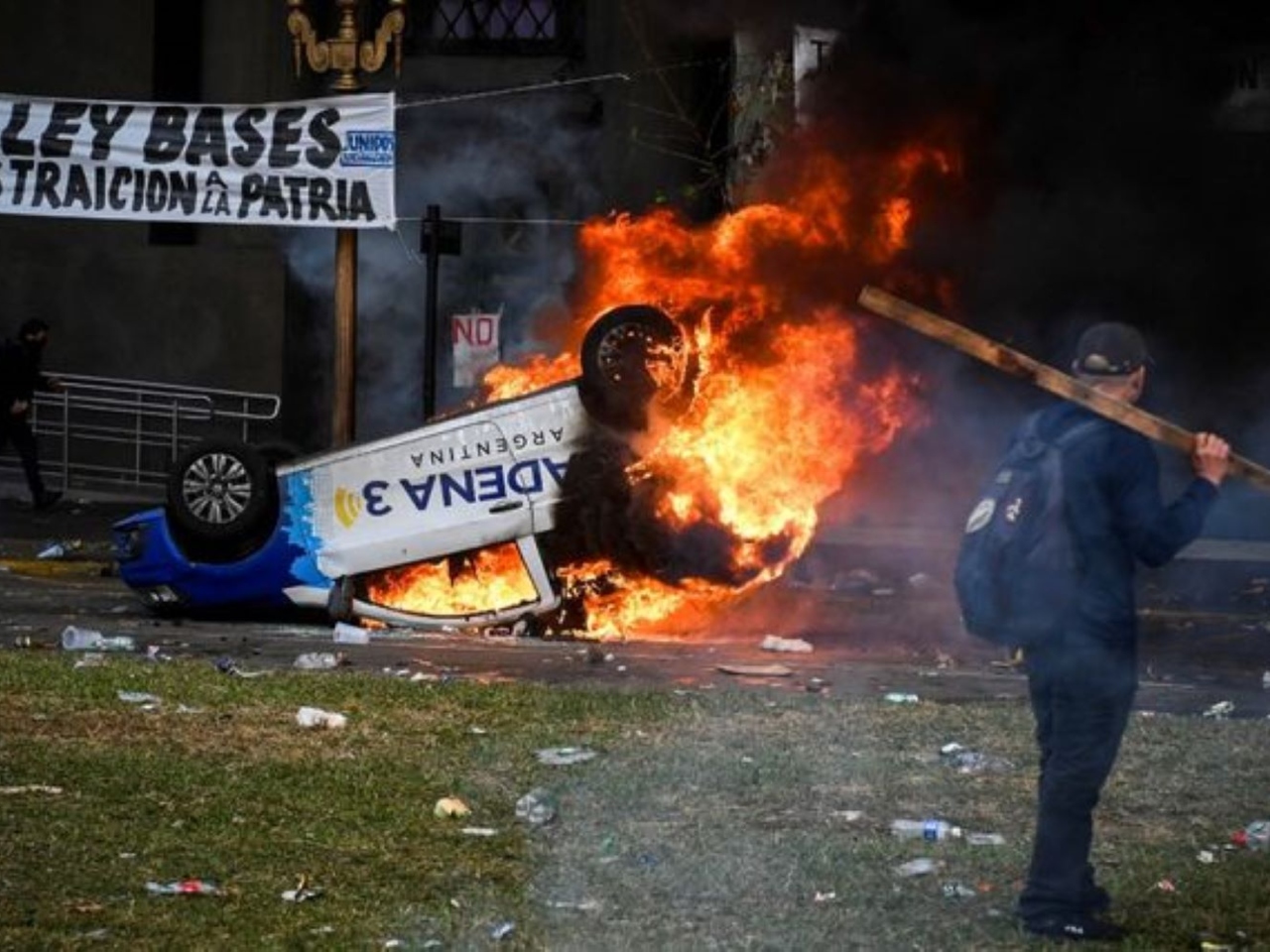
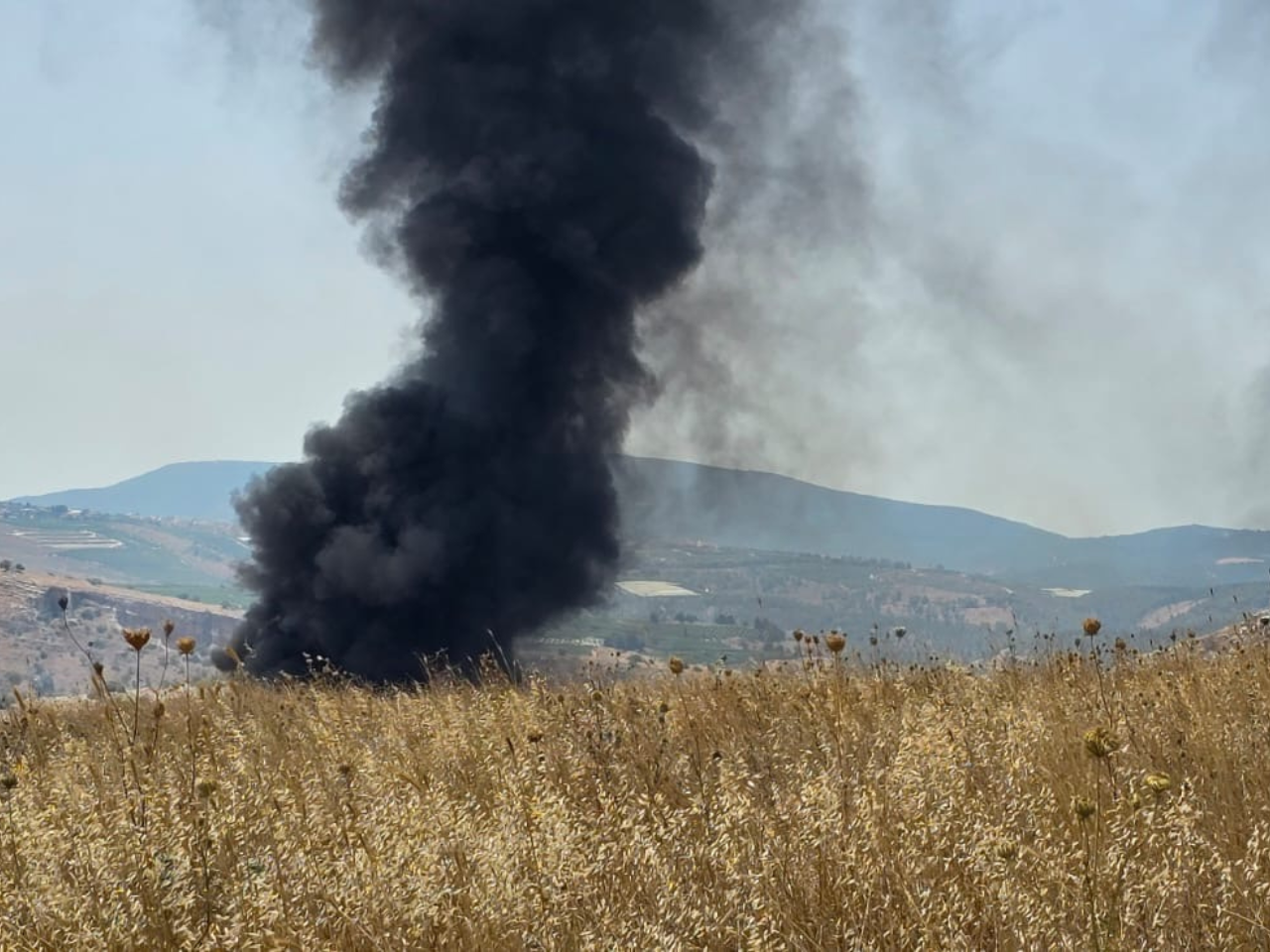
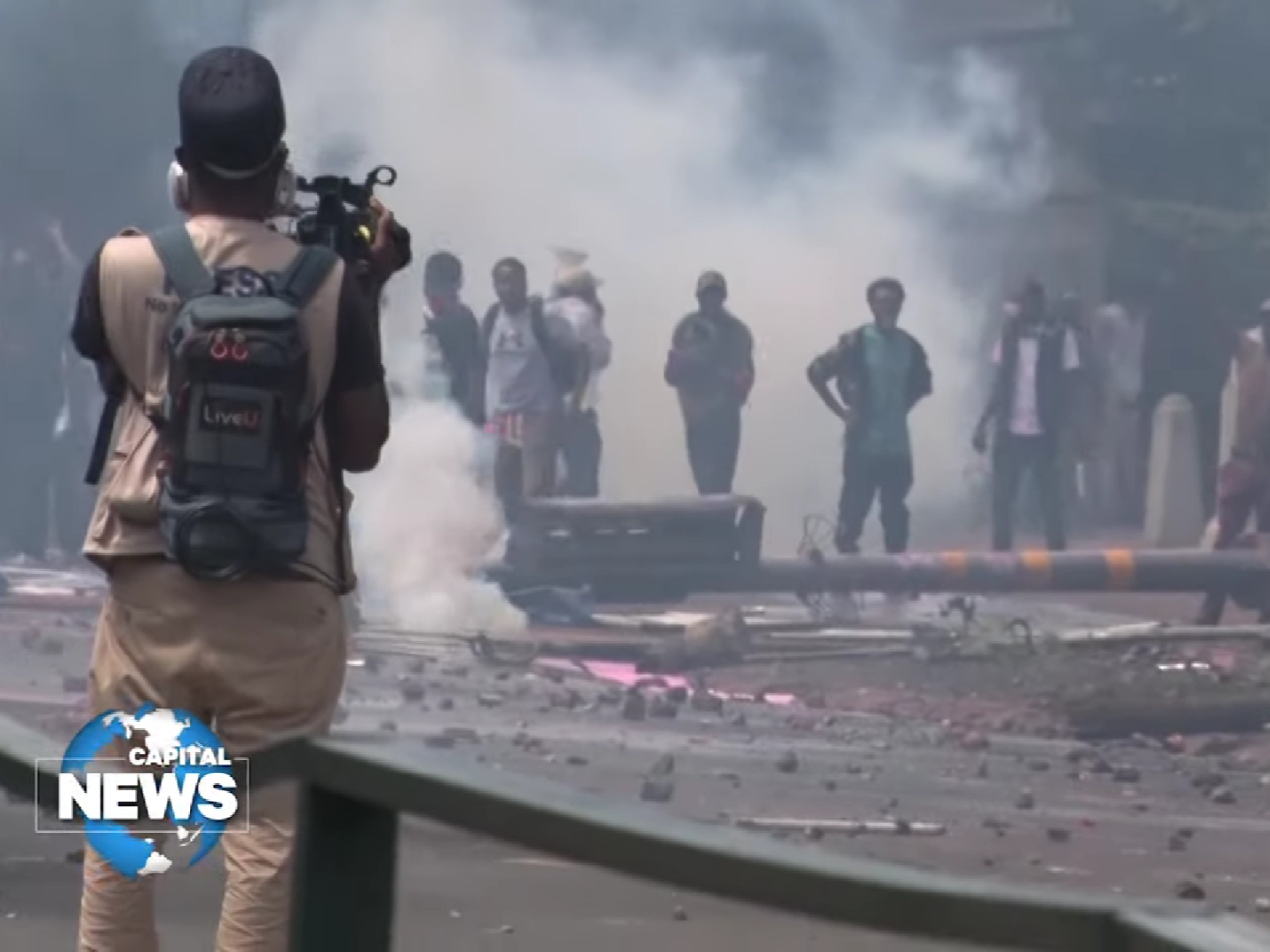
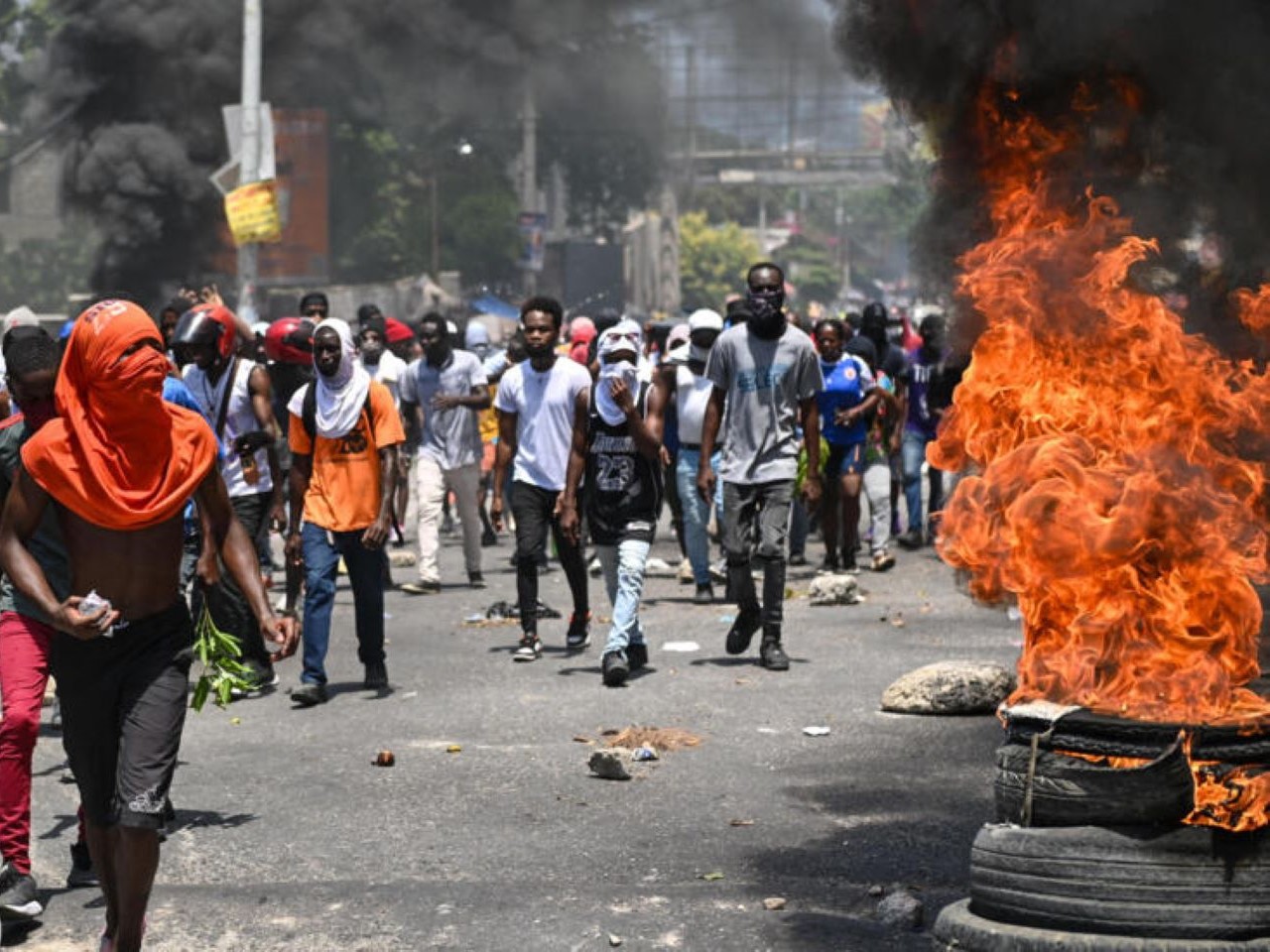
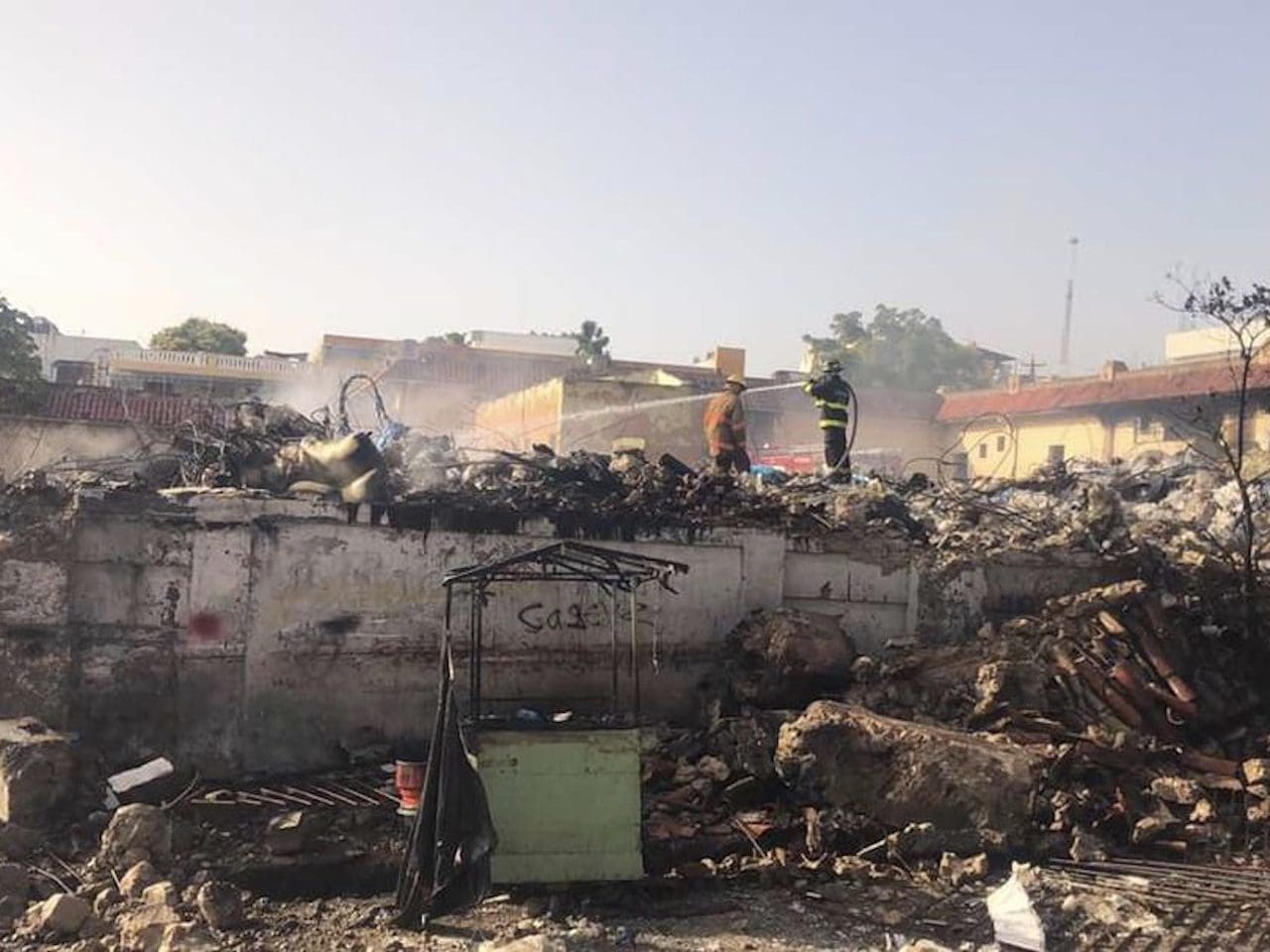
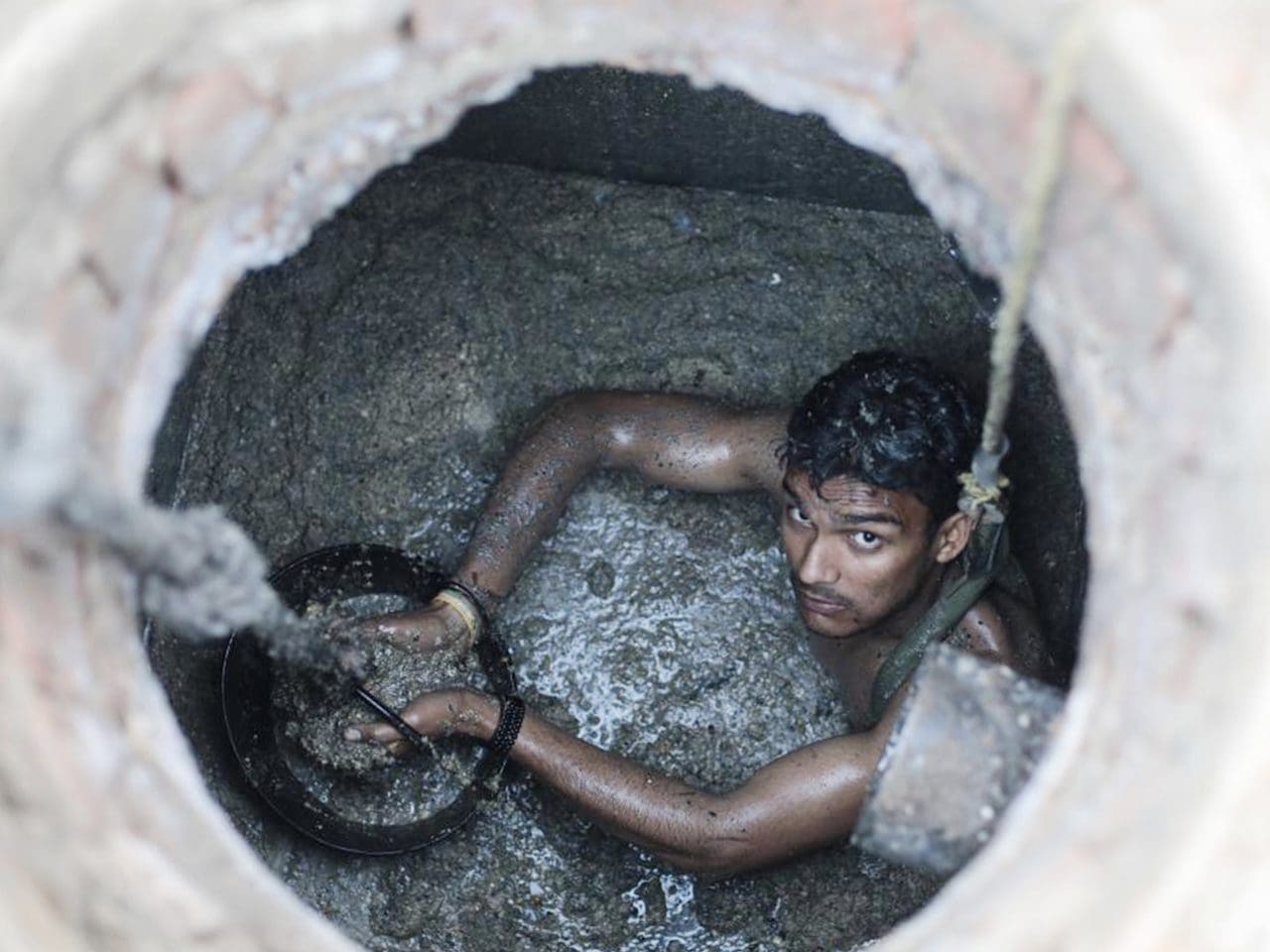
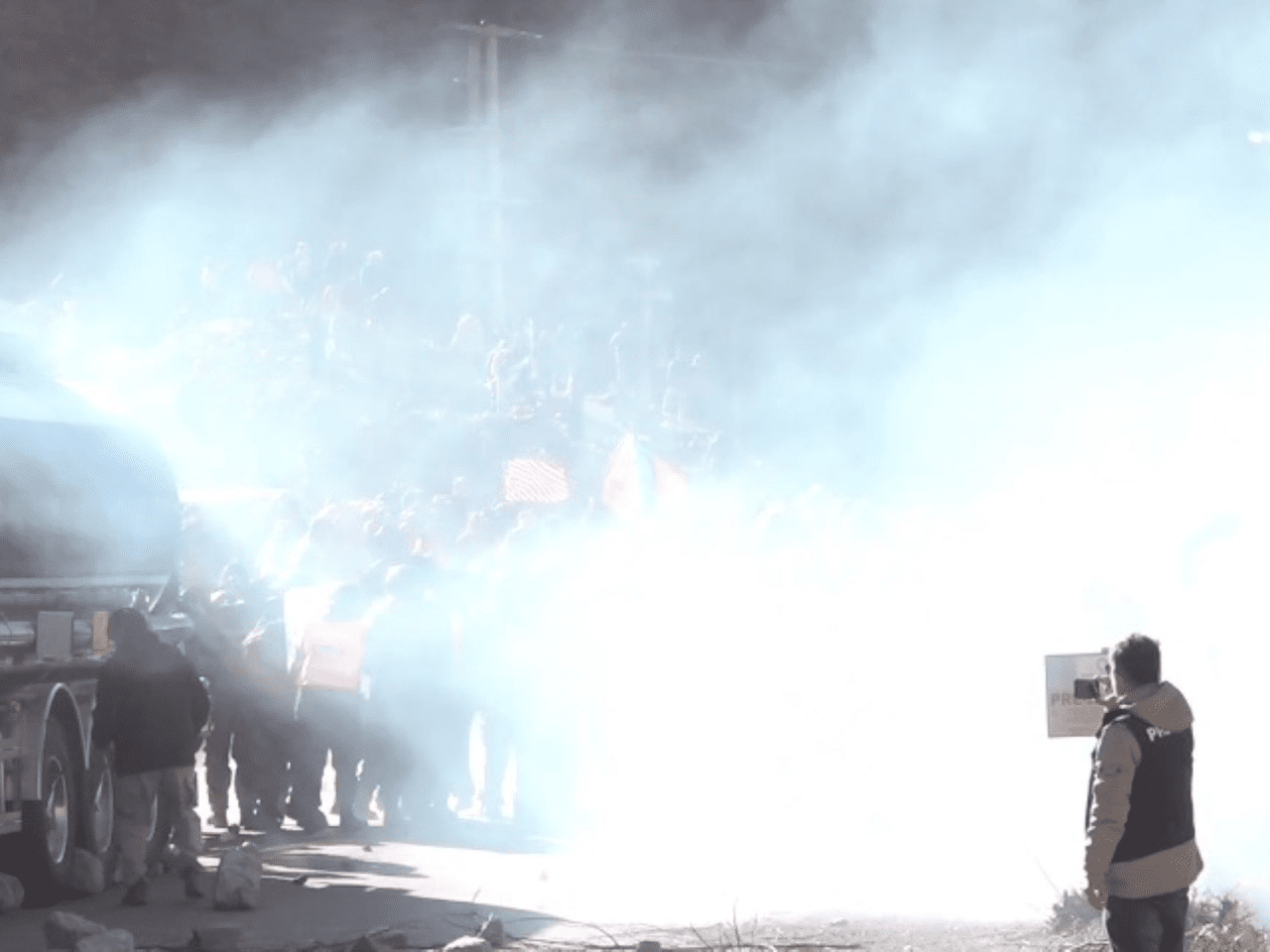
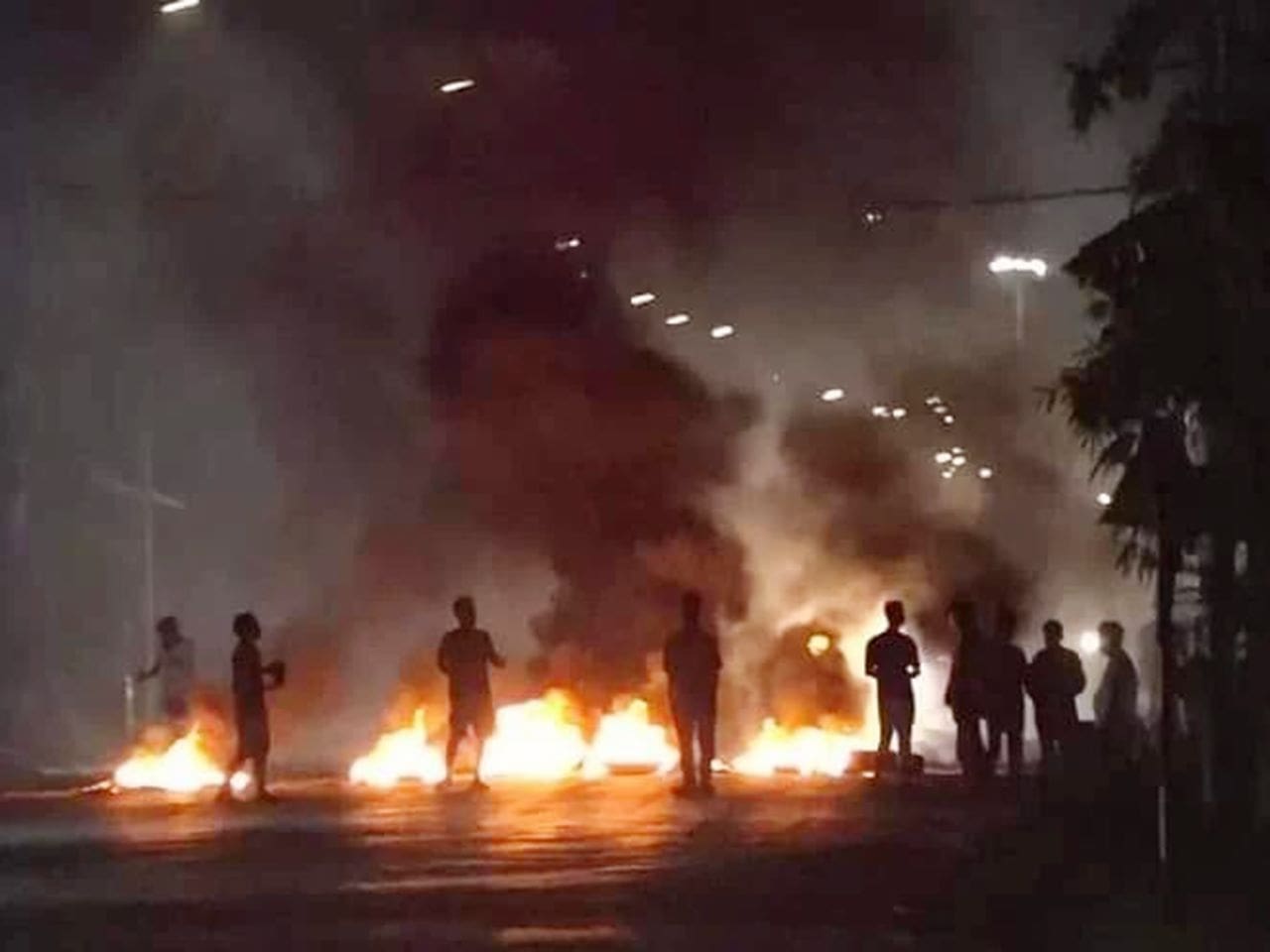
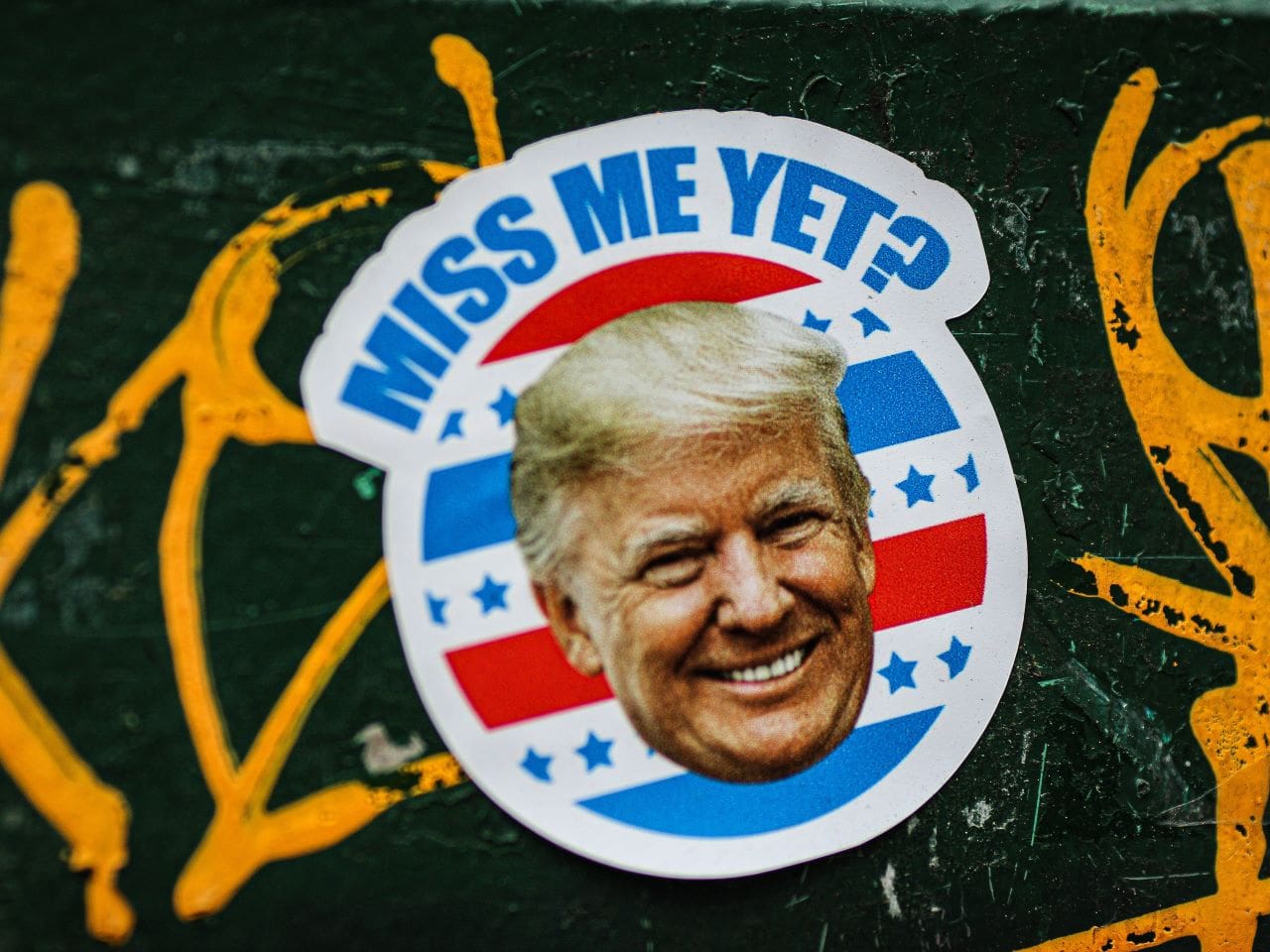
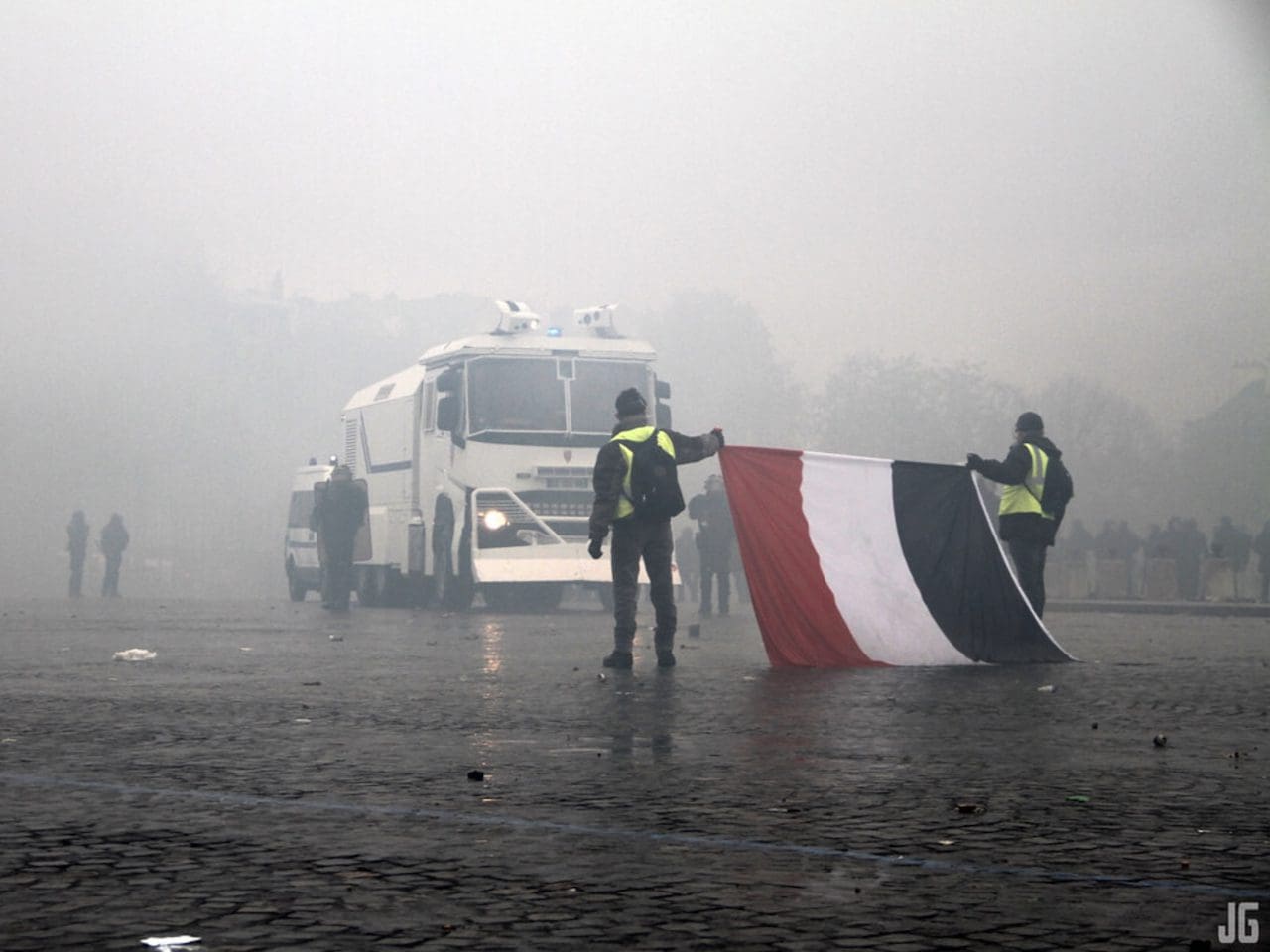
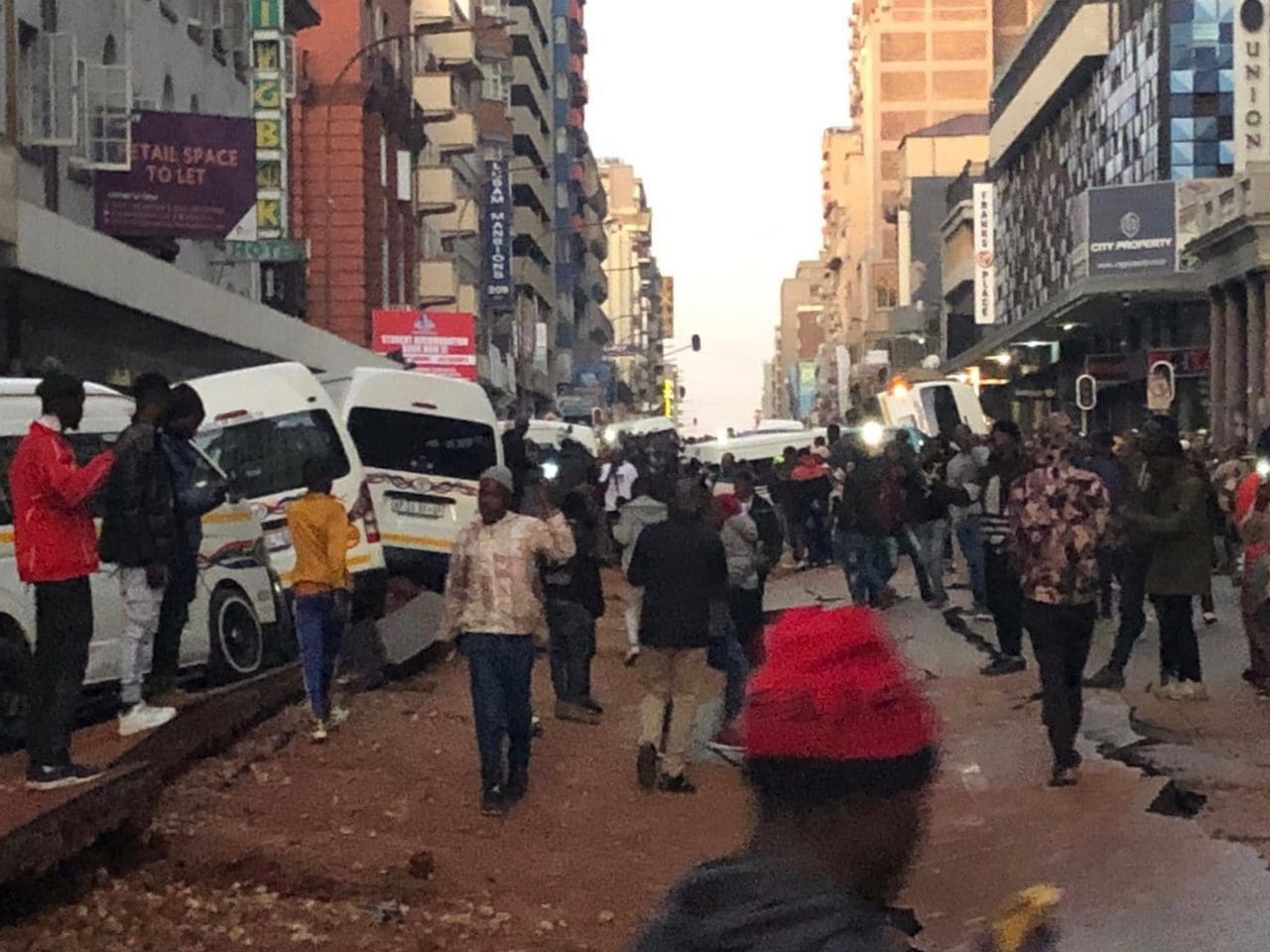
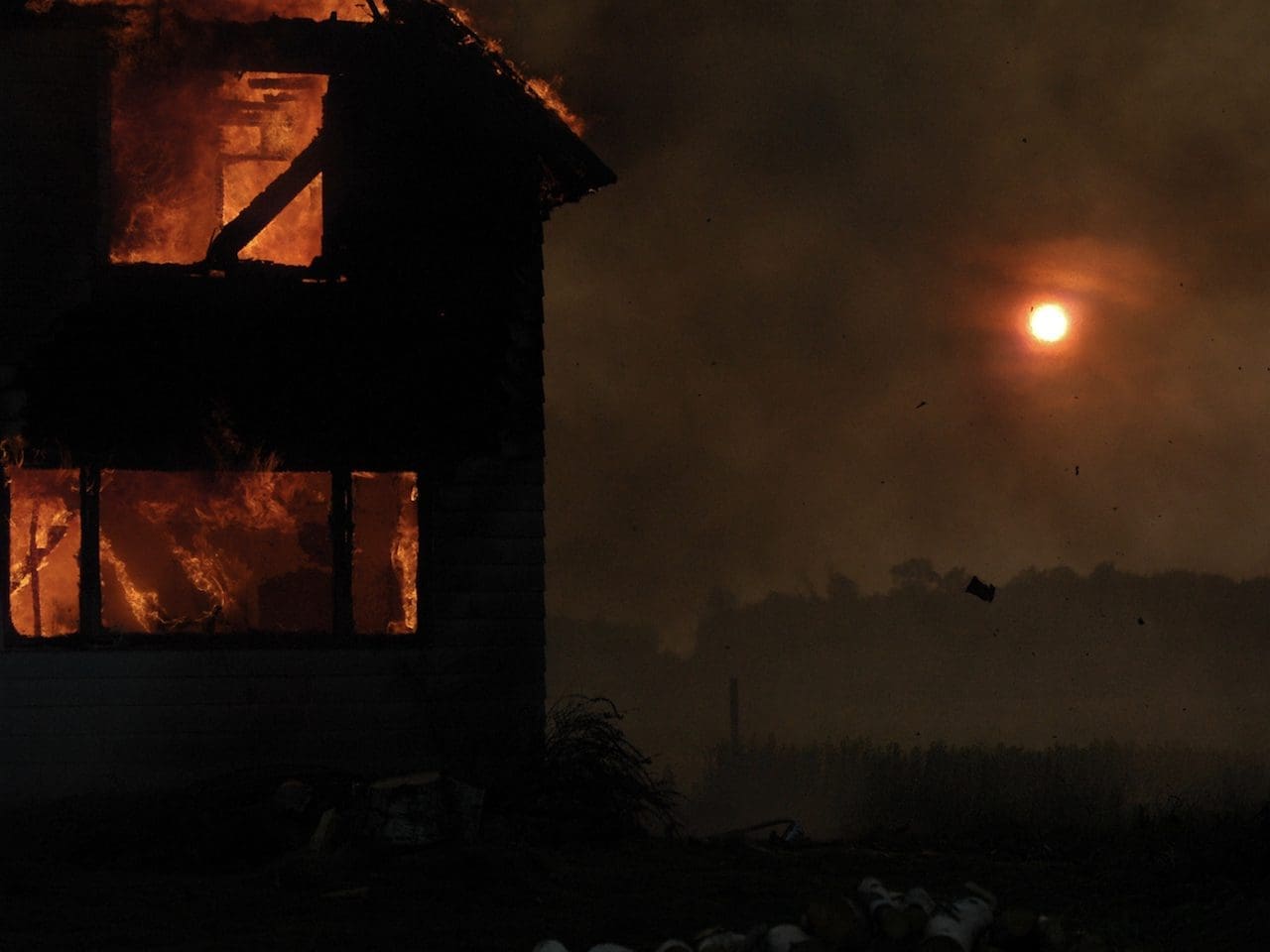
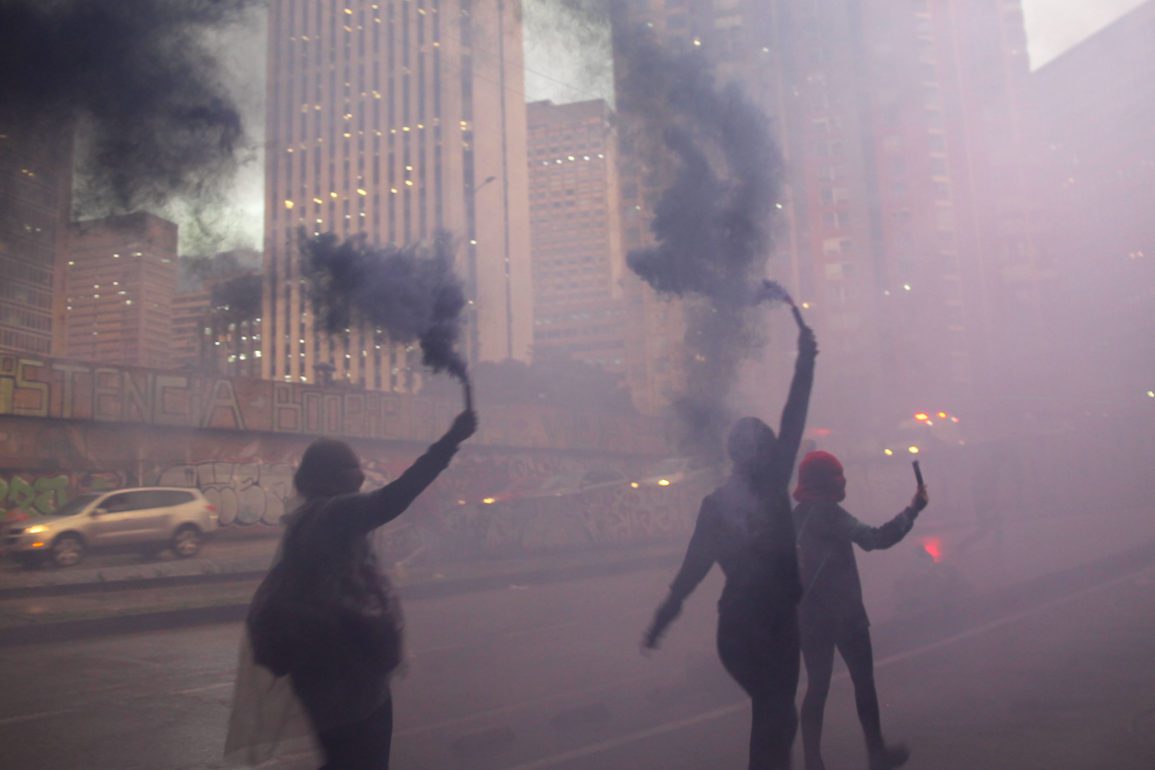
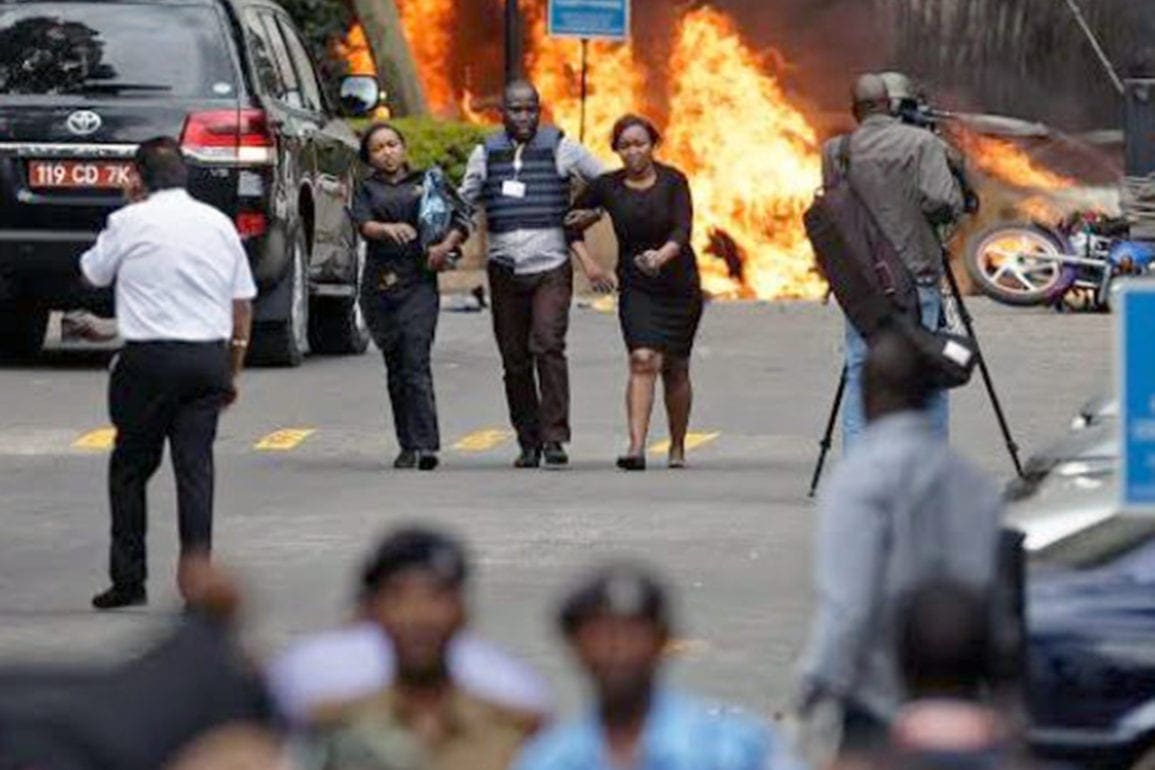
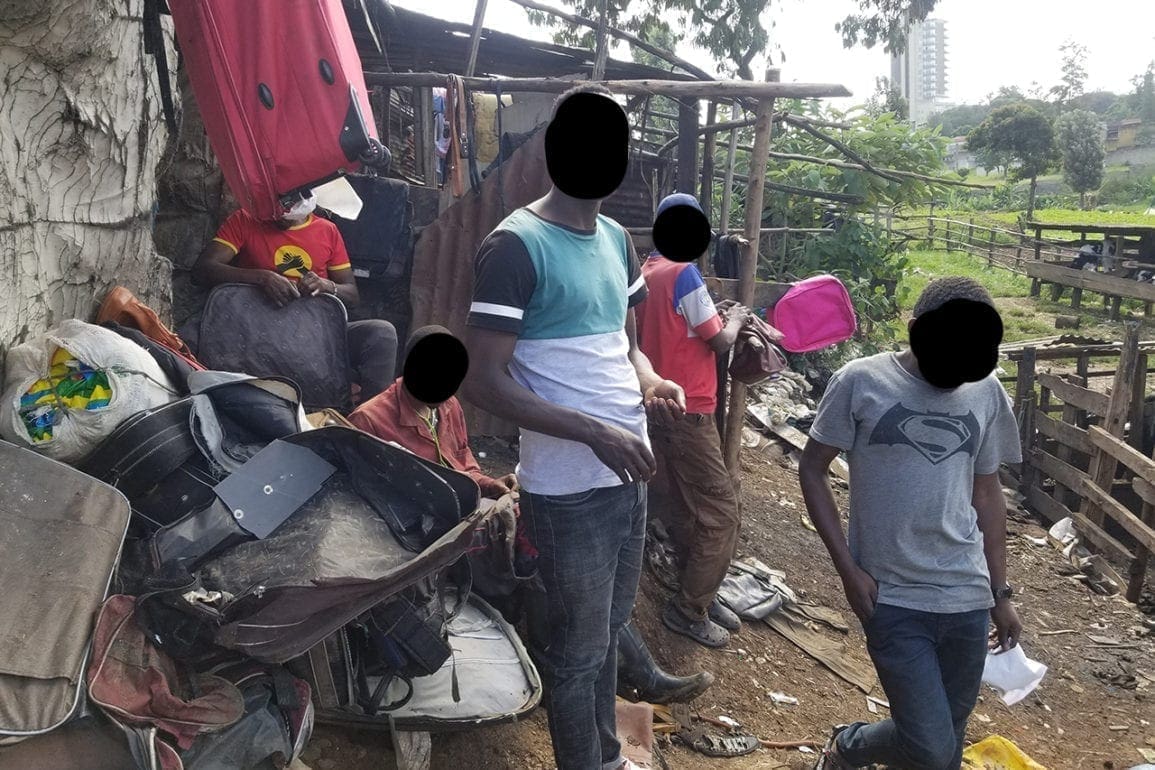
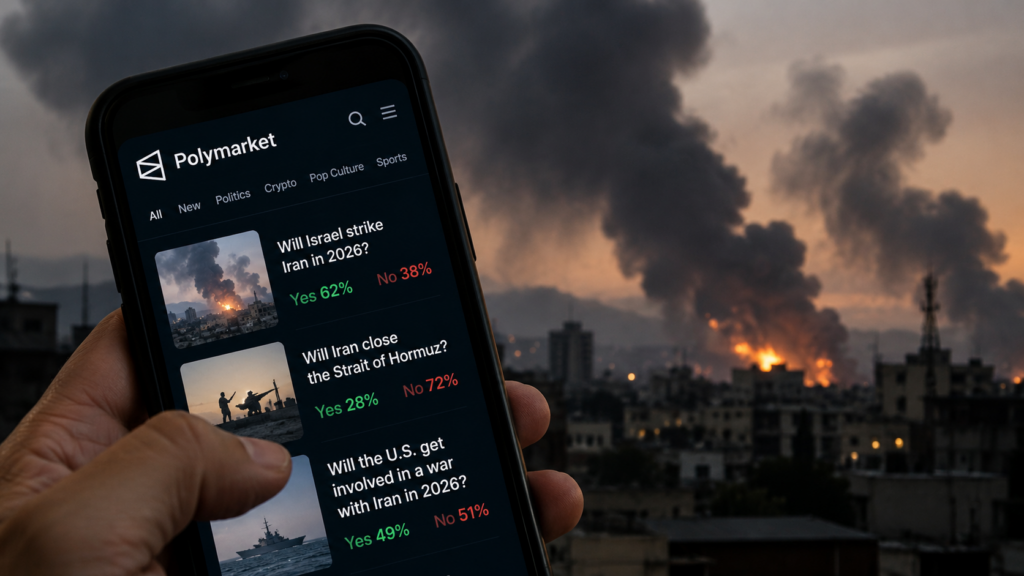 A documentary-style composite showing a person holding a smartphone with a prediction-market interface in the foreground, while smoke and fires from an urban conflict fill the background. The image represents the growing intersection between prediction markets, war betting and human suffering.
Key Takeaways

Did you know that you can now open an app and place a bet on when a war might begin, which city could fall next, whether a world leader will be assassinated, or even how long a dying man has left to live?
You do not need connections or credentials – all it takes is a crypto wallet and the guiltless motivation to cash in on someone else’s misfortunes.
Polymarket and the rise of betting on war
The platform known as Polymarket describes itself as a “prediction market,” which is the financial world’s way of saying gambling without saying gambling. It is in fact an online platform, estimated to be worth $15 billion, where human suffering is turned into an investment opportunity.
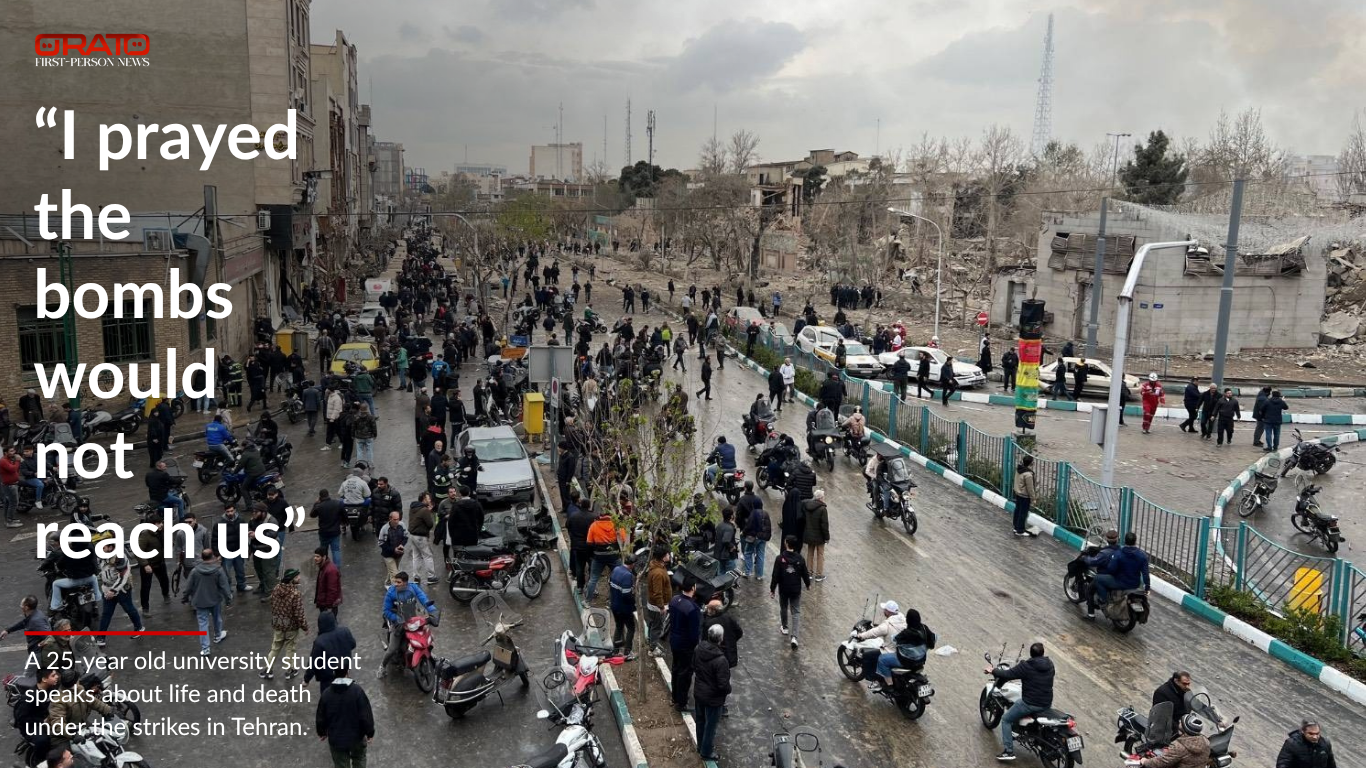
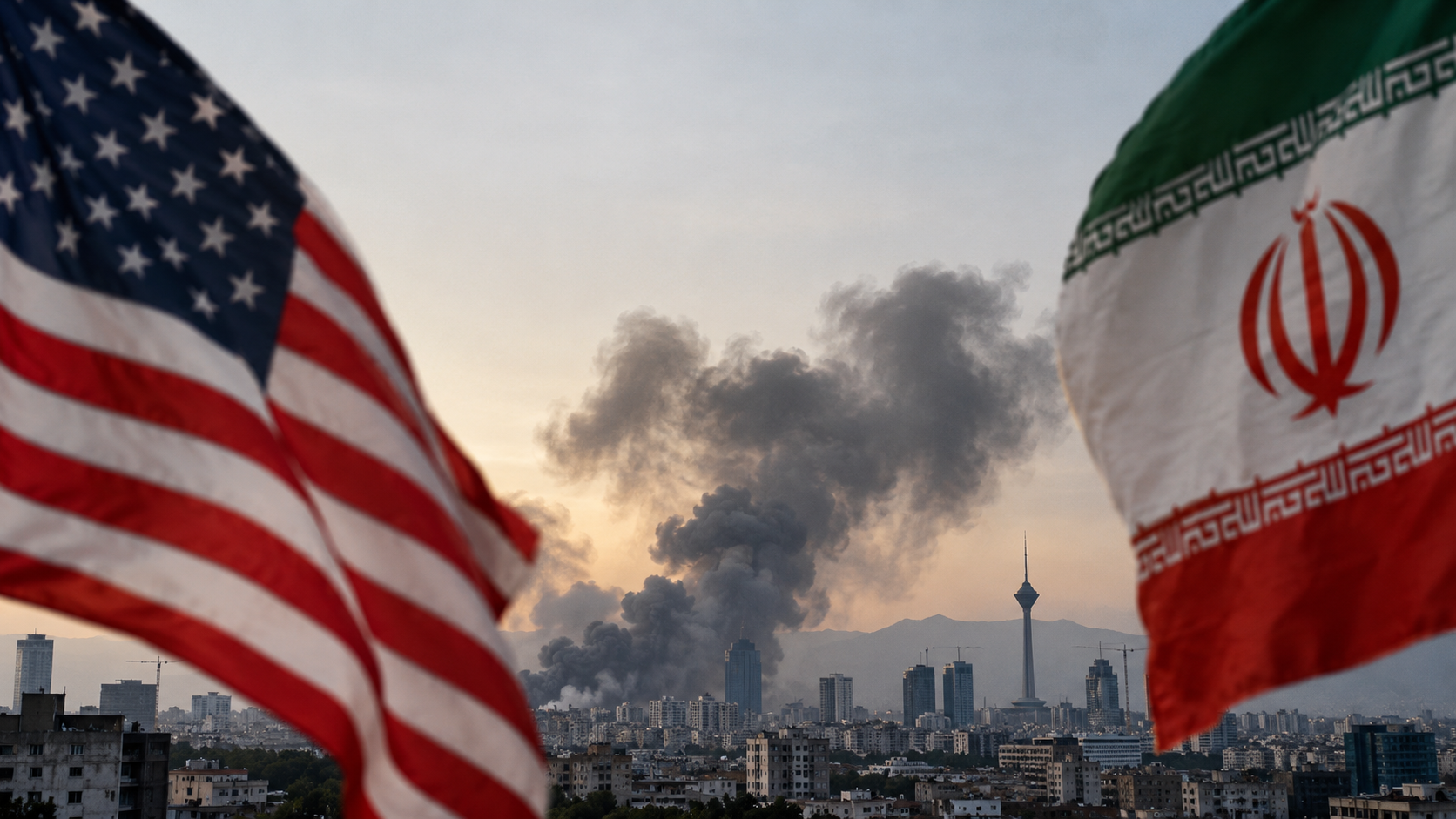
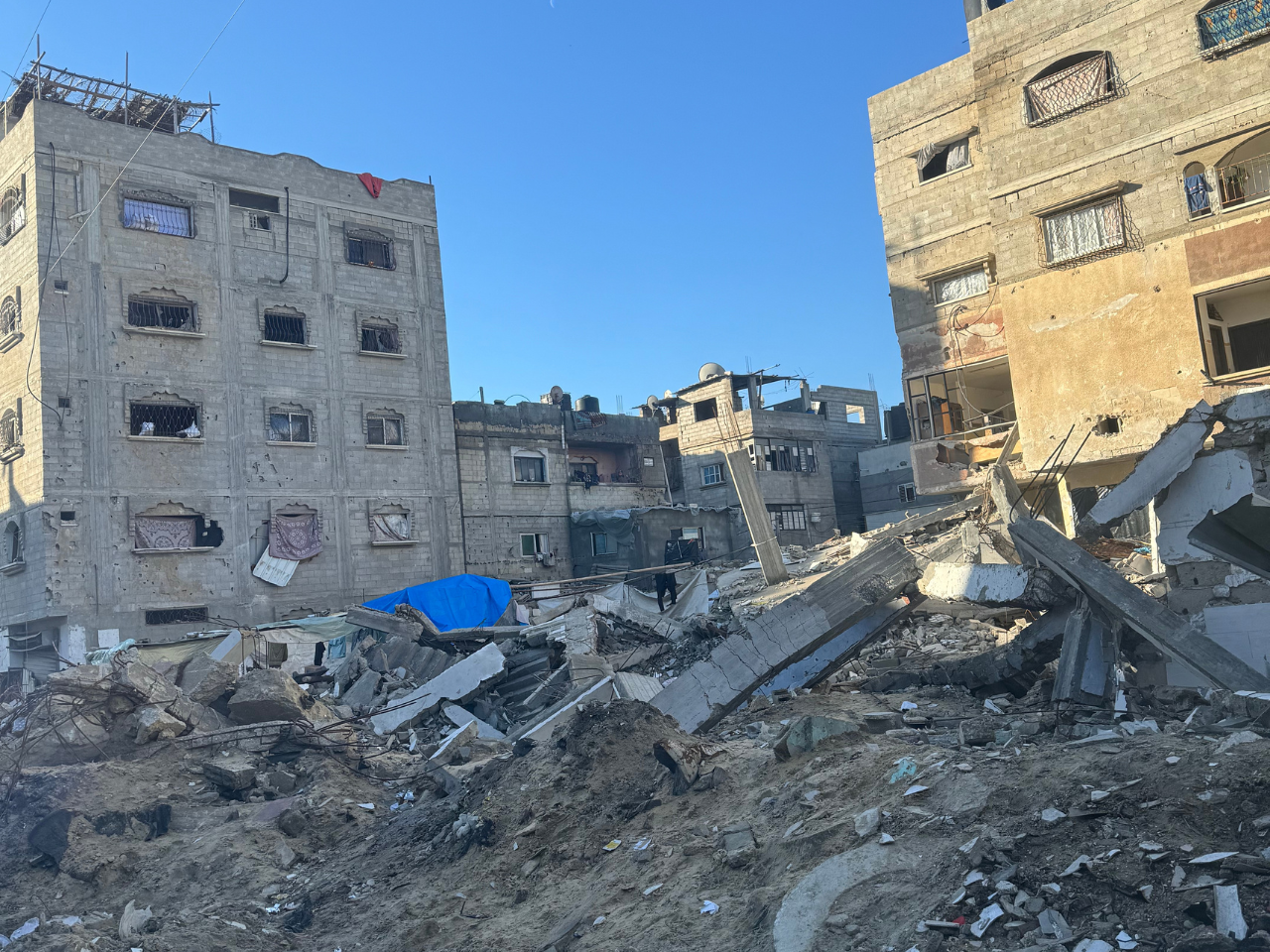
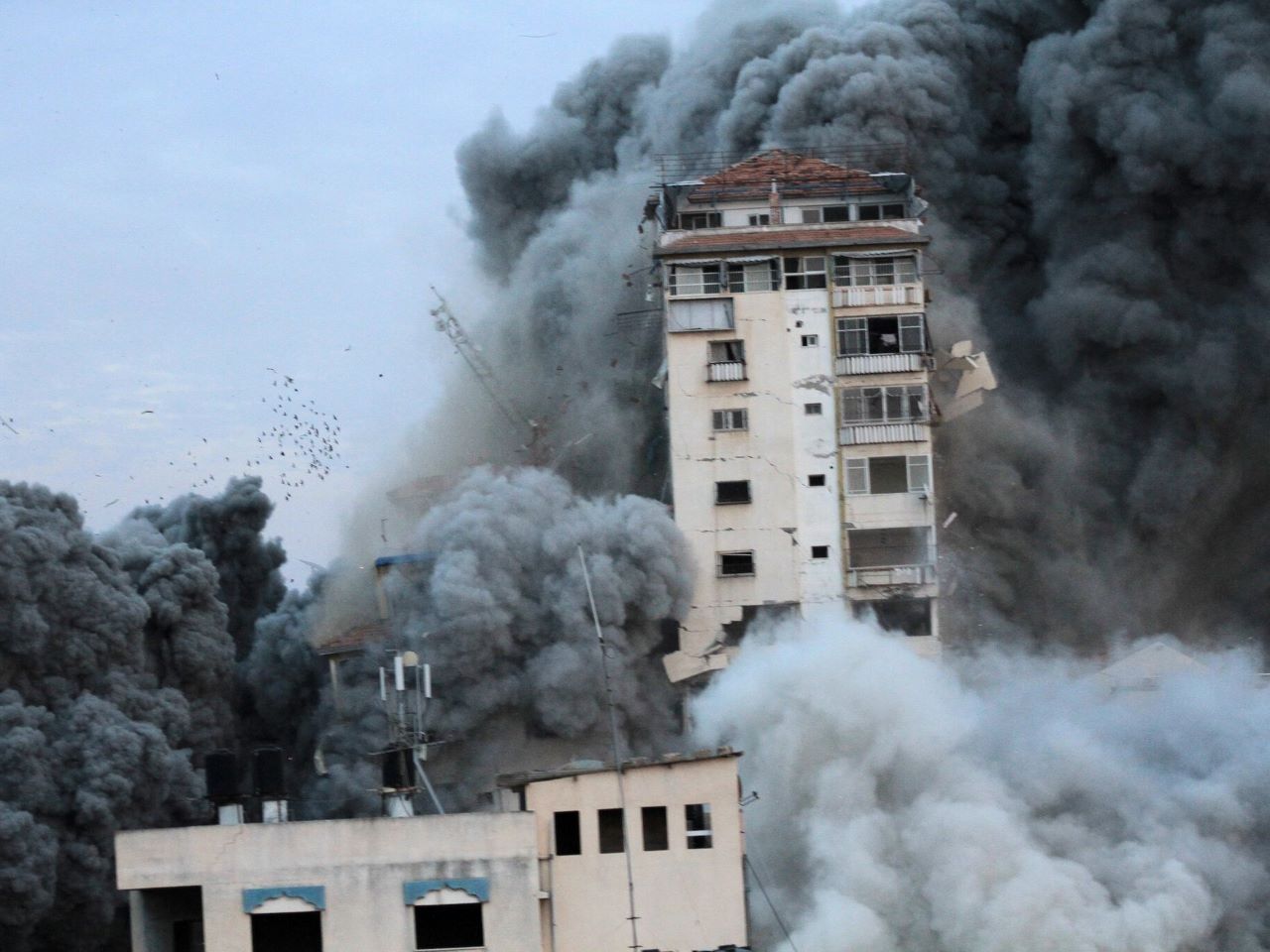
Since the U.S.-Israeli assault on Iran began on February 28, 2026, Polymarket saw more than $529 million wagered not on diplomacy or peace talks, but on when bombs would hit! One trader, “Magamyman,” reportedly turned $87,000 into $553,000 just an hour before the news broke, betting on the strikes and the killing of Supreme Leader Ayatollah Ali Khamenei.
ALSO READ: War on trans people is ending my U.S. Army career after 18 years
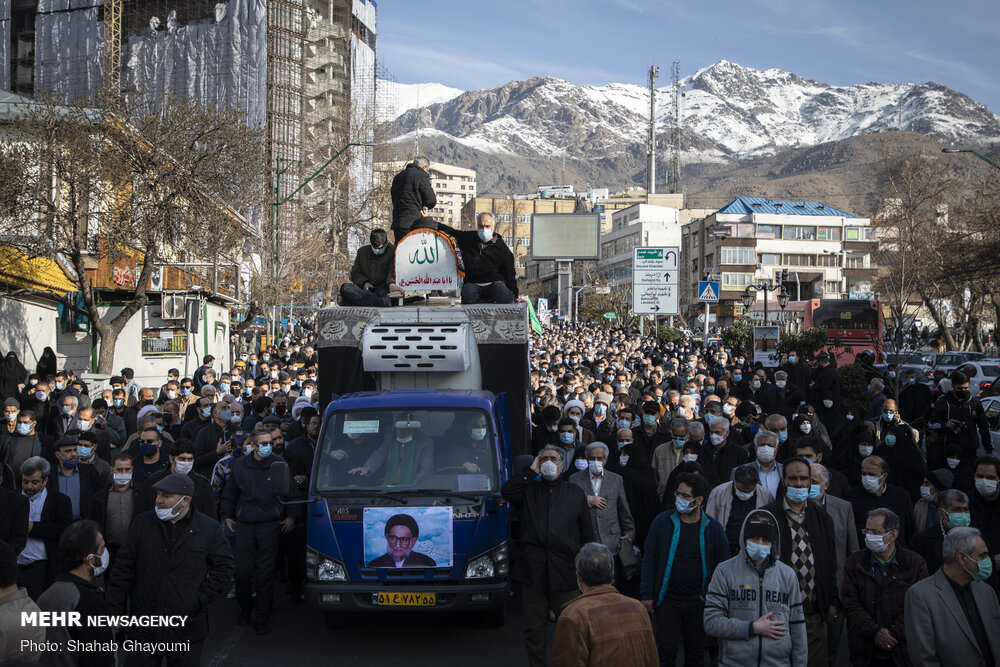
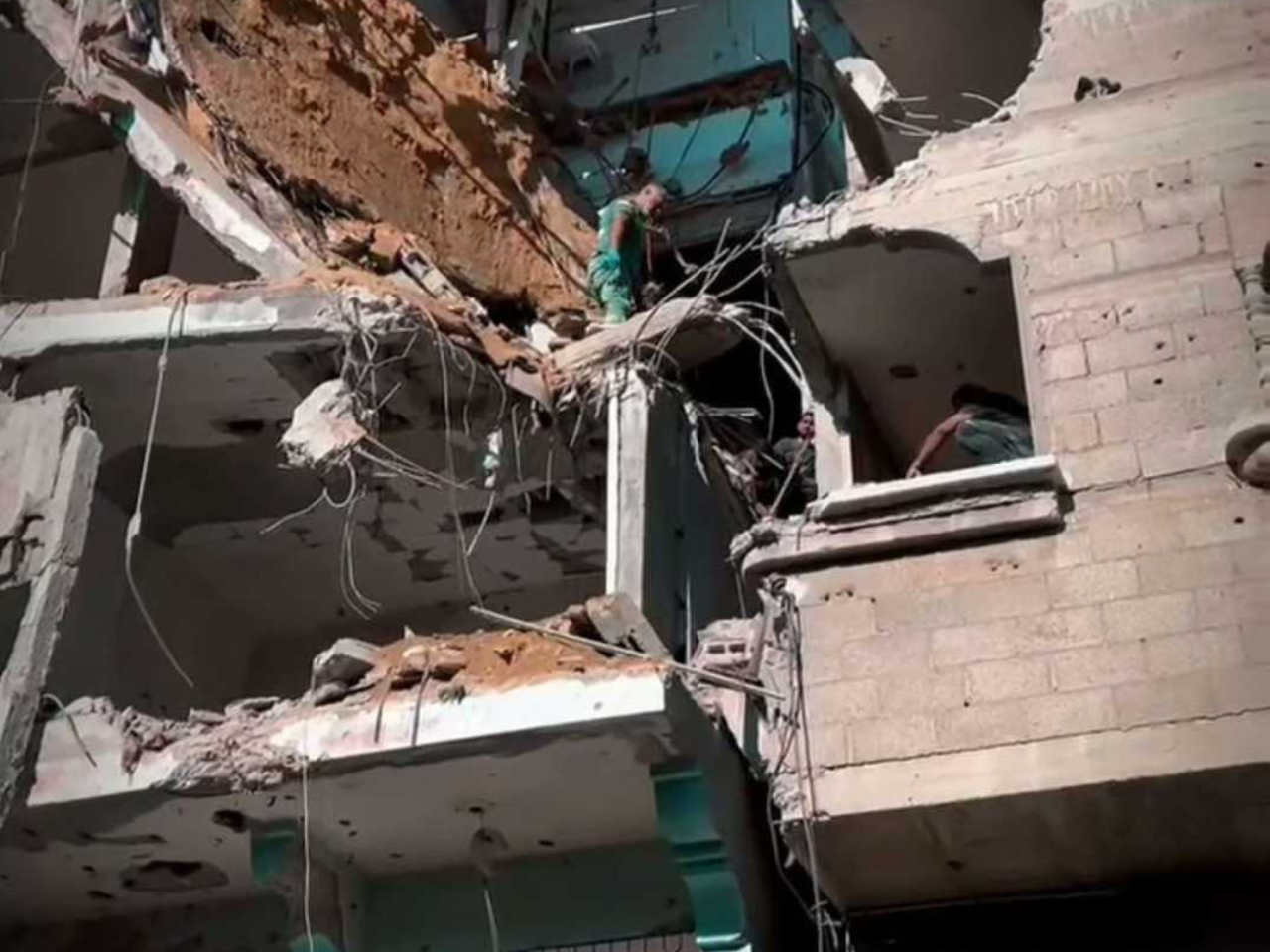
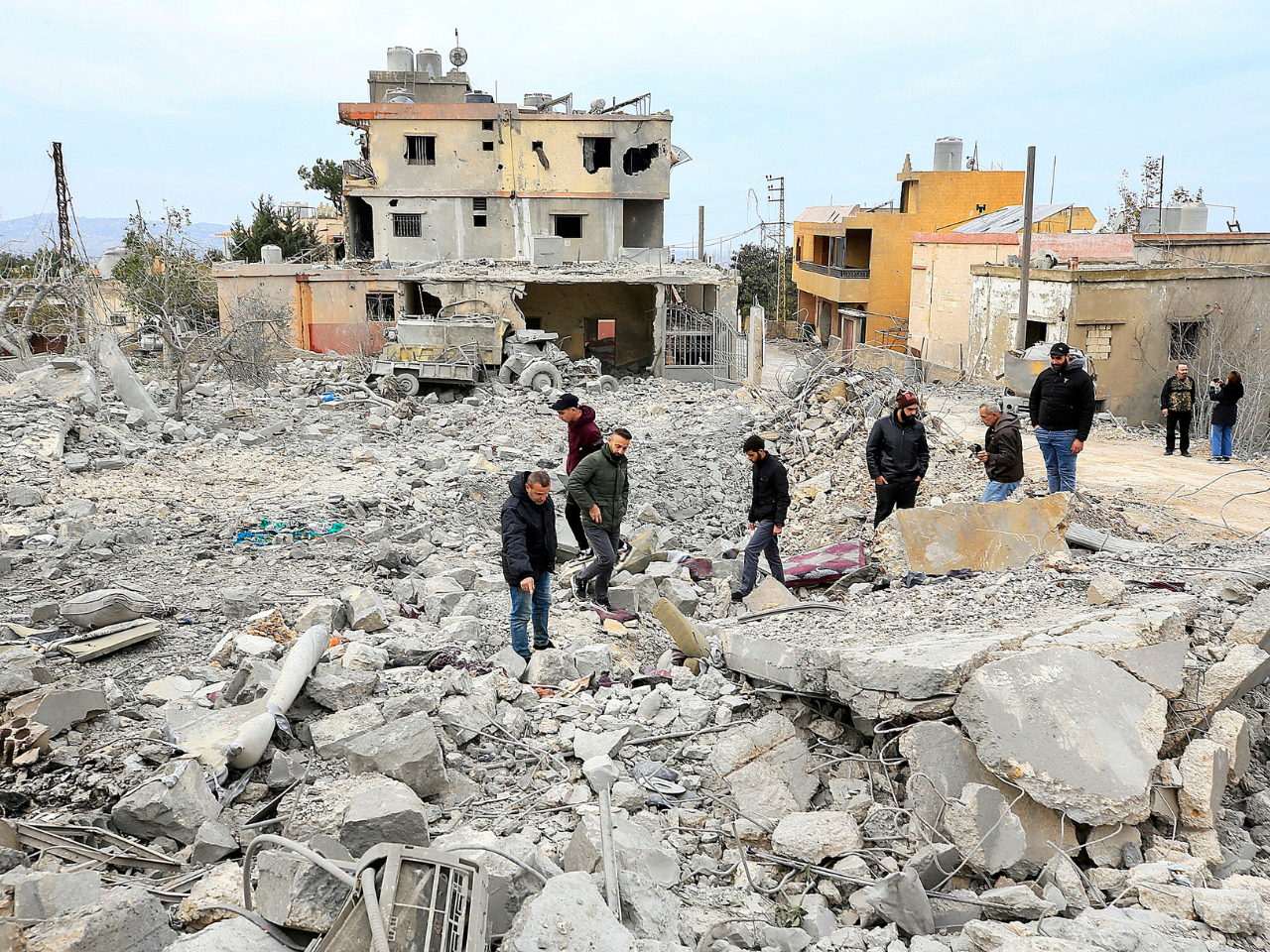
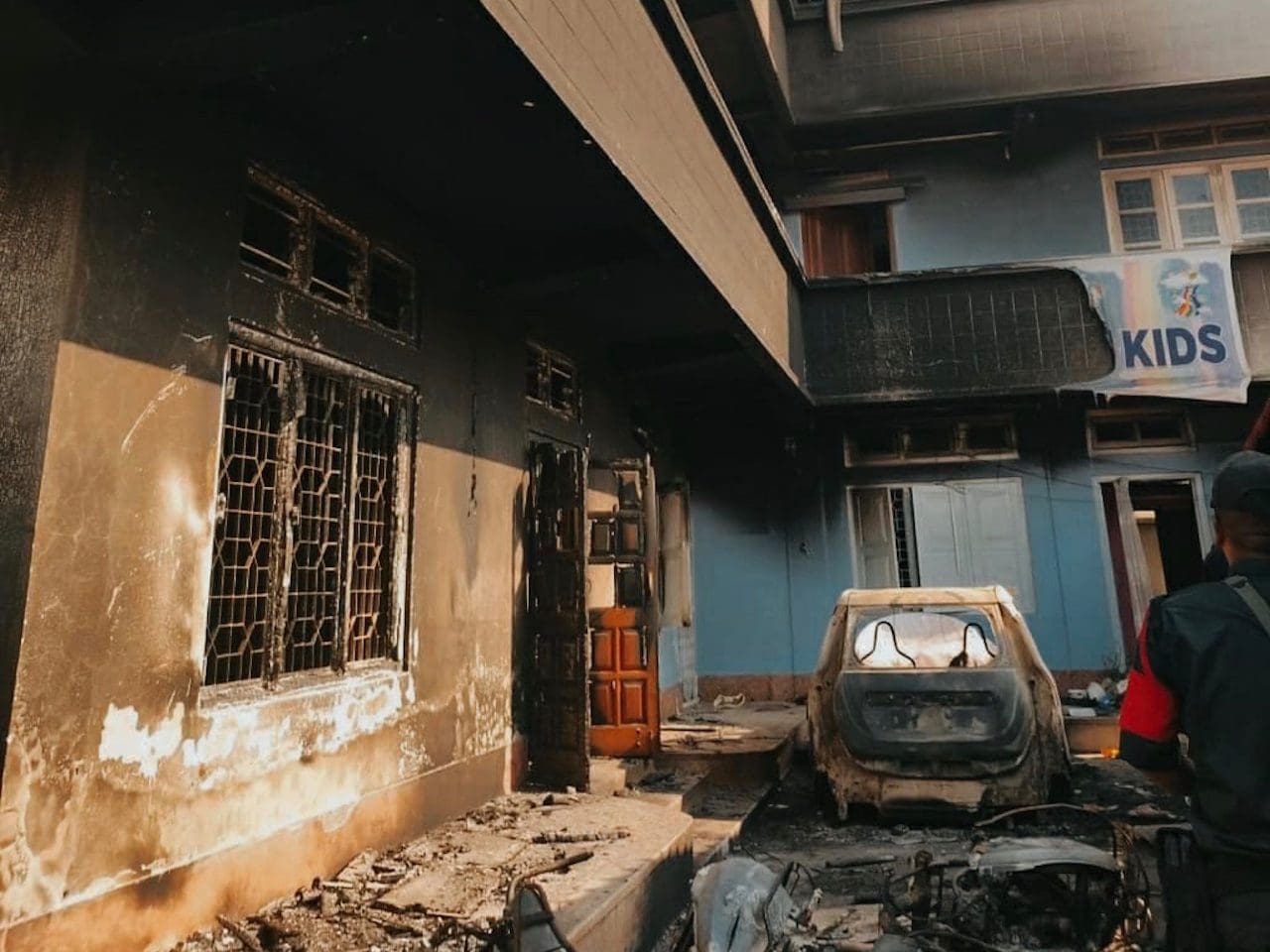
Khamenei, some 180 girls – most of them between the ages of seven and 12 (when their primary school was bombed) – and hundreds of Iranians were killed by the strikes.
Magamyman went to sleep wealthier, while families in Tehran spent the night finding their loved ones under the rubble. Meanwhile, another trader racked up nearly $1 million in winnings since 2024, all thanks to a string of bets that lined up perfectly with U.S. and Israeli military operations, when the public knew nothing about them.
Platforms like Polymarket are not niche – they operate at a massive global scale.
Profiting from war bets and the misfortunes of others
Back in January 2026, someone new to Polymarket pulled off a huge win – almost $500,000 – by betting on Venezuelan President Nicolás Maduro’s capture right before the news of the U.S. military operation broke. Harvard researchers later estimated that people betting on everything from Taylor Swift to Iran probably pocketed some $143 million by trading with the benefit of insider information. Individuals who knew about bombings, assassinations, and military actions ahead of time took that knowledge and cashed-in. In that sense, the evidence is quite clear – the market was not predicting events, it was being fed by them.
Shockingly, what used to be questionable behavior has now appeared in criminal records. Several Israeli Air Force members were reportedly interrogated and indicted for allegedly using classified military intelligence to bet on the timing of their strikes on Iran during the 12-day war in June 2025. One crew member was quoted as telling investigators that “the entire squadron is on Polymarket. The entire Air Force is betting.” Imagine – soldiers and military brass betting on their own bombs!
ALSO READ: The real consequences of war: a doctor’s perspective from the front lines
In a similar case in the U.S., a special forces soldier who took part in the operation to capture and kidnap Maduro has been charged with using classified intelligence to win more than $400,000 on Polymarket.
On March 10, 2026, Emanuel Fabian, a correspondent for The Times of Israel, reported that an Iranian missile had landed in an open field near Jerusalem. Within hours, his phone lit up with demanding threats: “You have 90 minutes to update the lie.” His reporting was spot-on, but it undermined millions of gambling dollars which had already been waged. And therein lies one of the uglier sides of turning war into a business – the truth threatens a gambling wager and publicly sharing that fact puts you at risk.
Betting on war zones: Ukraine and real-time conflict markets
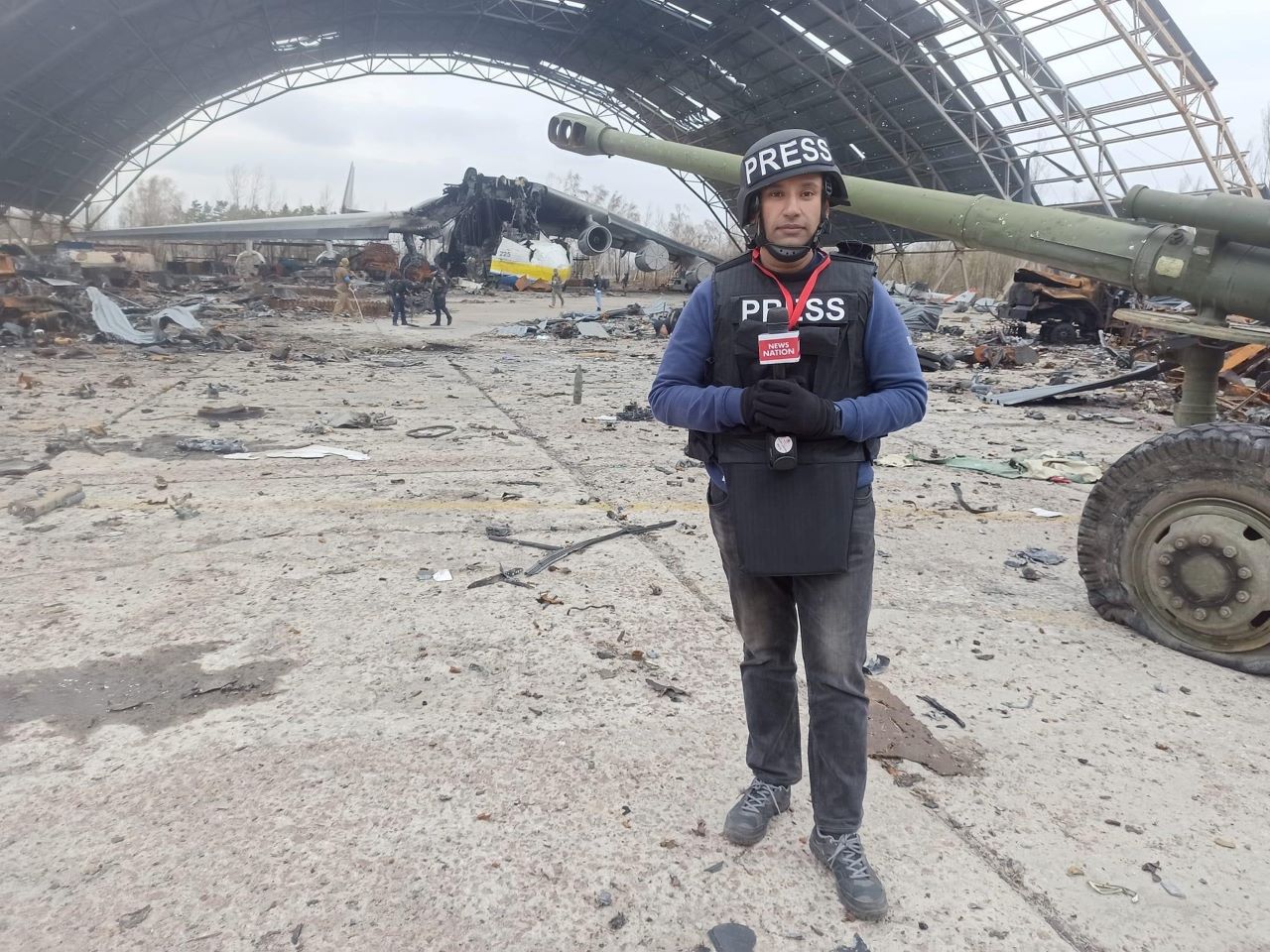
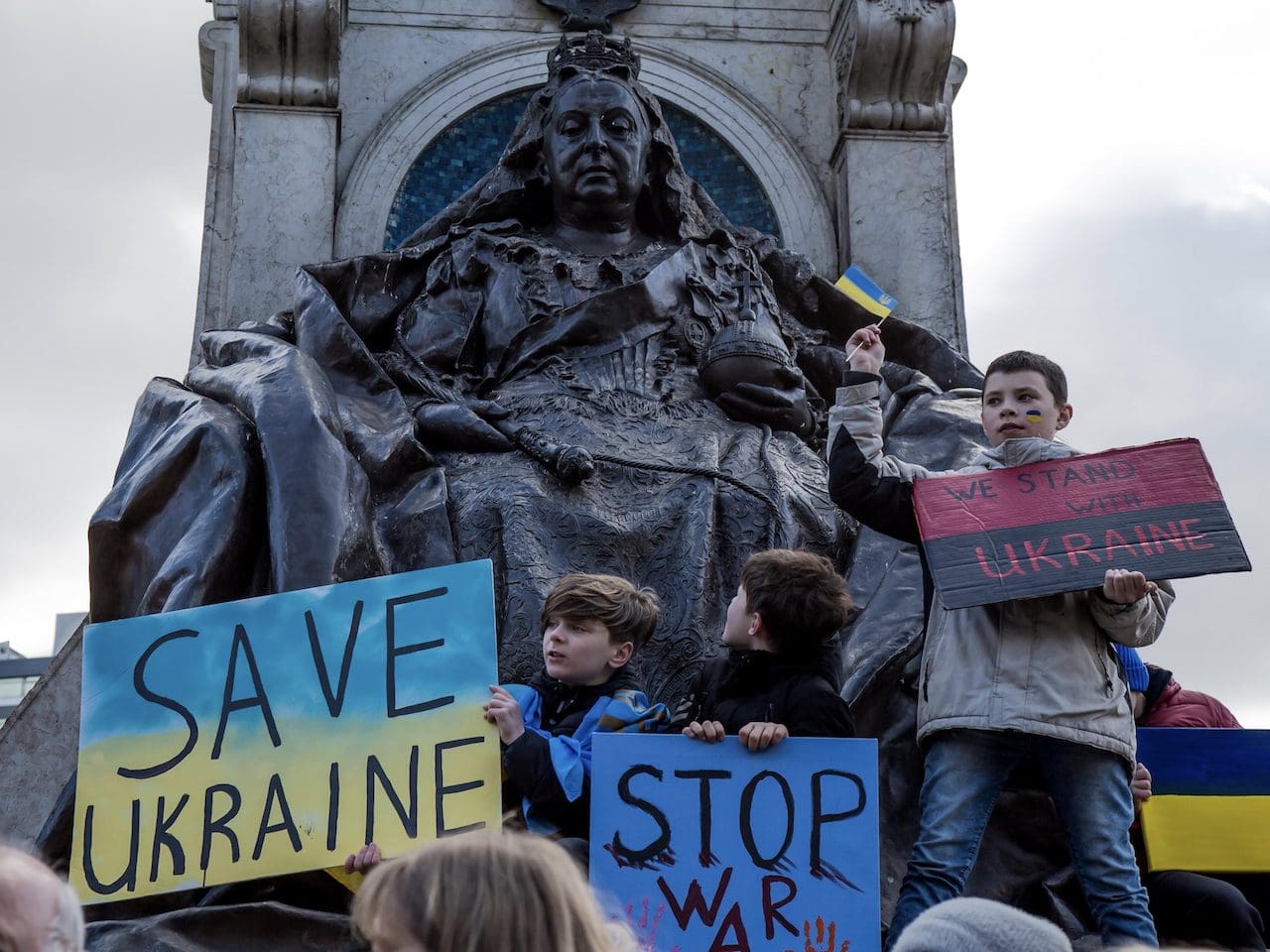
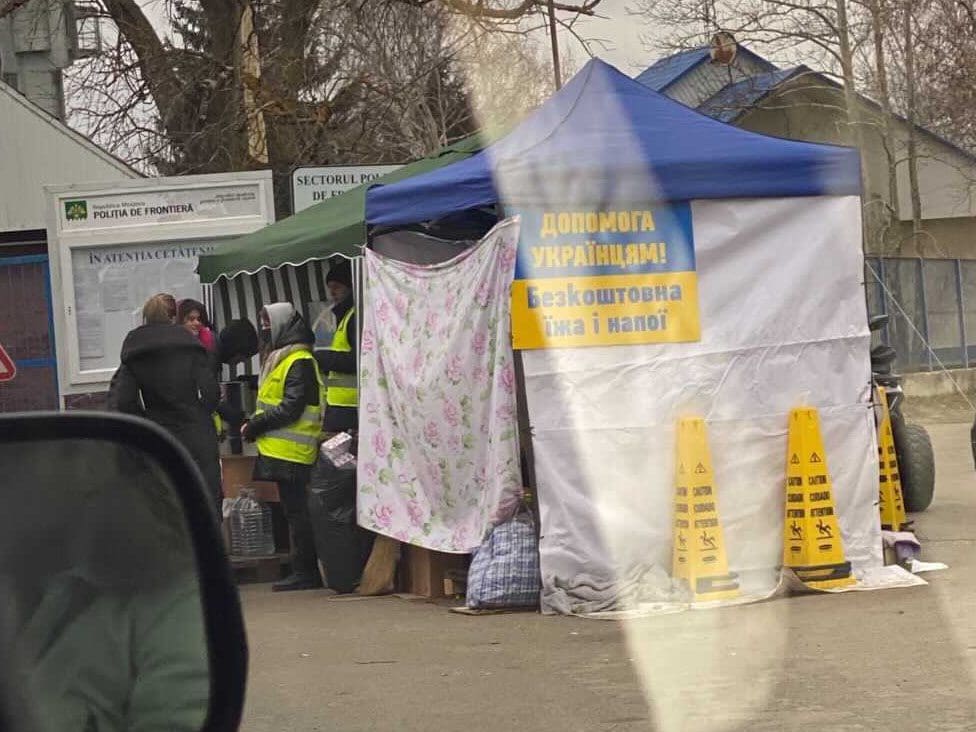
People are also betting on the Russia-Ukraine war, tracking real-time battlefield maps through Polymarket – the very maps Ukrainians rely on to avoid being killed. Take Kostyantynivka: Ukrainian troops defended the city for five months, facing relentless shelling and drone strikes. Thousands of civilians are still there. Sadly, now over $500,000 rides on a single question: Will Russia take the city before the end of the year?
In February 2025, when Pope Francis was hospitalized, contracts popped up on everything from his recovery to who would take his place, generating almost $200,000 as he remained under care for a second week. His death on April 21 really set things off. The “New Pope in 2025?” market shot up from 33% to 99% in just a few hours. While millions of Catholics grieved the loss of a spiritual leader, traders absconded with millions.
ALSO READ: From film to war: my journey as a drone operator in Ukraine
Predictably, Polymarket’s defenders say it is all just information, arguing that when enough people put money on the line, the market uncovers the truth faster than any expert could. But that logic collapses when the “outcome” involves the demise of an entire city – a missile hit, a leader dying or being assassinated – all because there is profit at stake.
But the numbers alone don’t tell the full story. What’s more troubling is what these markets are actually turning into.
Polymarket was banned in the U.S. in 2022 and forced to pay a $1.4 million penalty after regulators found it broke gambling laws. Later, over 30 countries agreed and restricted this type of gambling too. Then the Trump administration returned to power and immediately granted prediction market platforms legitimacy by allowing them to re-enter the American market.
Donald Trump Jr.’s venture capital firm, 1789 Capital, reportedly poured tens of millions into Polymarket and later joined its advisory board. He also became a well-paid strategic adviser to Kalshi, Polymarket’s main U.S. rival. The president’s son now holds stakes in both of the country’s top prediction market platforms, and their legal fate depends on an administration represented by his father. Not one to miss an opportunity, the Trump Media & Technology Group, recently announced their plans to launch a cryptocurrency-based prediction platform called Truth Predict.
ALSO READ: Leaders shredded my democracy: Vancouver Becomes High-Tech Hub for Organized Crime
Even more troubling is the regulatory hurdle Congress has failed to address. Current financial disclosure rules for Congress and the White House reportedly do not specifically cover “event contracts” or prediction markets, and officials are not required to report their earnings from these platforms. So, a public servant can make money by betting on war, political decisions, or crises, without telling anyone. As a result, the inaction allows the system to grow unchecked, with no clear boundaries or accountability.
The ethical cost of turning human suffering into profit
What happens if this inhumane market becomes entrenched in our society? We have always had war profiteers, arms dealers, sanction-busters, people who turn human suffering into profit. And we have always known there was something deeply morally wrong with that. Yet, Polymarket has enabled that instinct and made it accessible to everyone by turning it into an app.
The system moves fast and reaches everywhere. Looks easy enough, right? But that simplicity builds distance. The people behind the numbers disappear, leaving only statistics. Pain turns into data, and that shift quickly becomes dangerous. It shapes how we judge others’ futures, how news stories are reported, and how sensitive information can be monetised.
This should not only concern us; it should disturb us to our very core. Because while someone, somewhere, is experiencing loss, fear, violence and misfortune, someone else, who is completely detached from that horrific event, is turning that suffering into profit.
If this is who we’ve now become and are prepared to rationalize monetising on war and other’s misfortunes as “normal”, then we desperately need something to save us.