
Why Now – An International Media Broadcasting Platform dedicated to Humanity?
“Earth provides enough to satisfy every man’s need, but not every man’s greed.” We are living through precarious times in human history. Conflicts rage across continents, displacing millions—more than at any other time in recorded history. We see institutions crumble, democracies falter, and the truth buried under layers of propaganda and power politics. Elections come […]

- 1 year ago
 September 29, 2025


“Earth provides enough to satisfy every man’s need, but not every man’s greed.”
We are living through precarious times in human history. Conflicts rage across continents, displacing millions—more than at any other time in recorded history. We see institutions crumble, democracies falter, and the truth buried under layers of propaganda and power politics. Elections come and go like theater; the rich grow richer, the powerful consolidate their grip, and the rest of us—We, the People—are left to pay the price, to pick up the shattered pieces of broken promises and compromised lives.
As Mahatma Gandhi once said, “Earth provides enough to satisfy every man’s need, but not every man’s greed.” Today, greed—not need—drives decisions in boardrooms and war rooms alike. It drives wars in Ukraine and Russia, and Israel and Gaza, corporate exploitation of the environment, and political corruption that mocks the very idea of freedom and democracy.
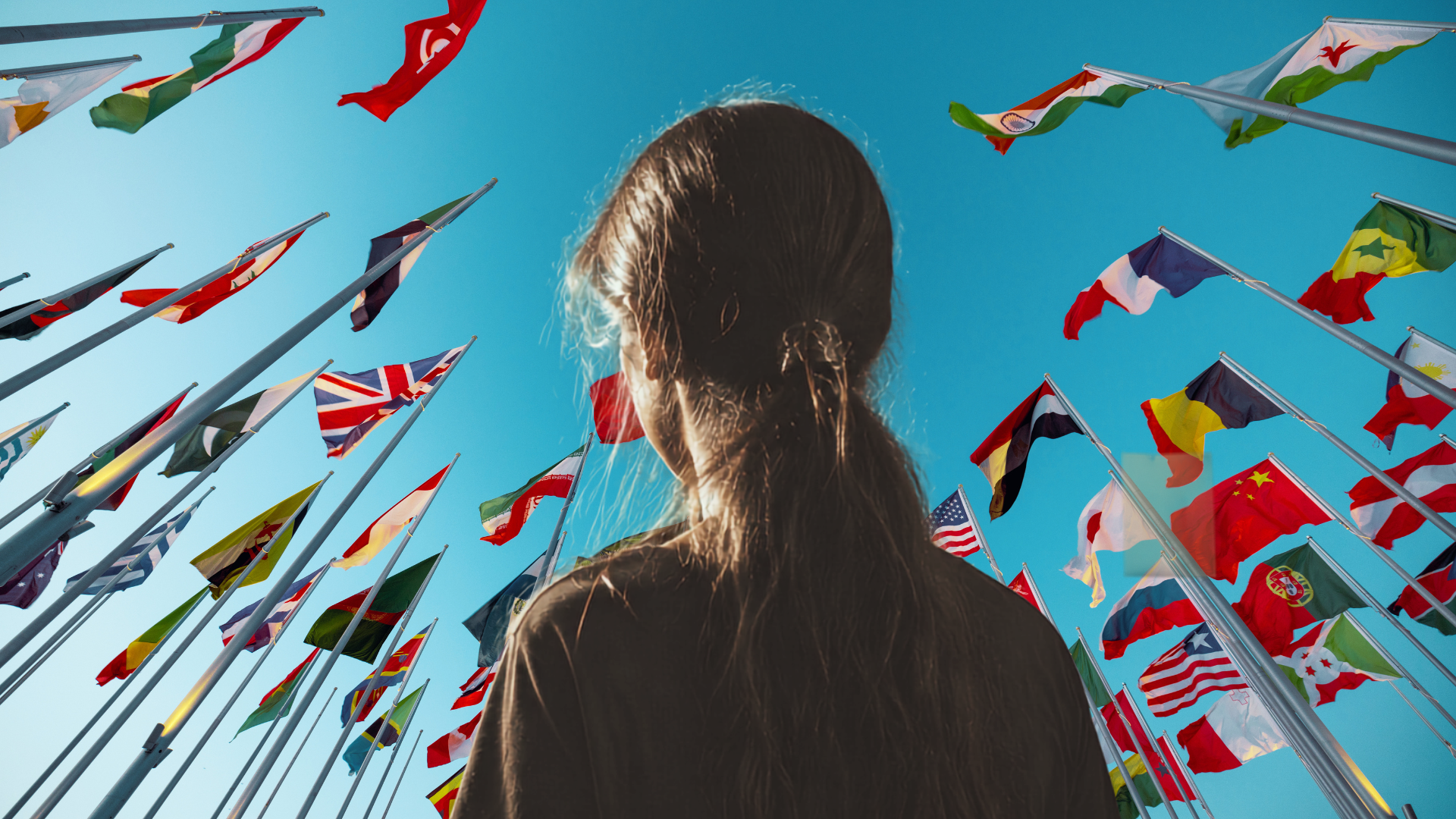
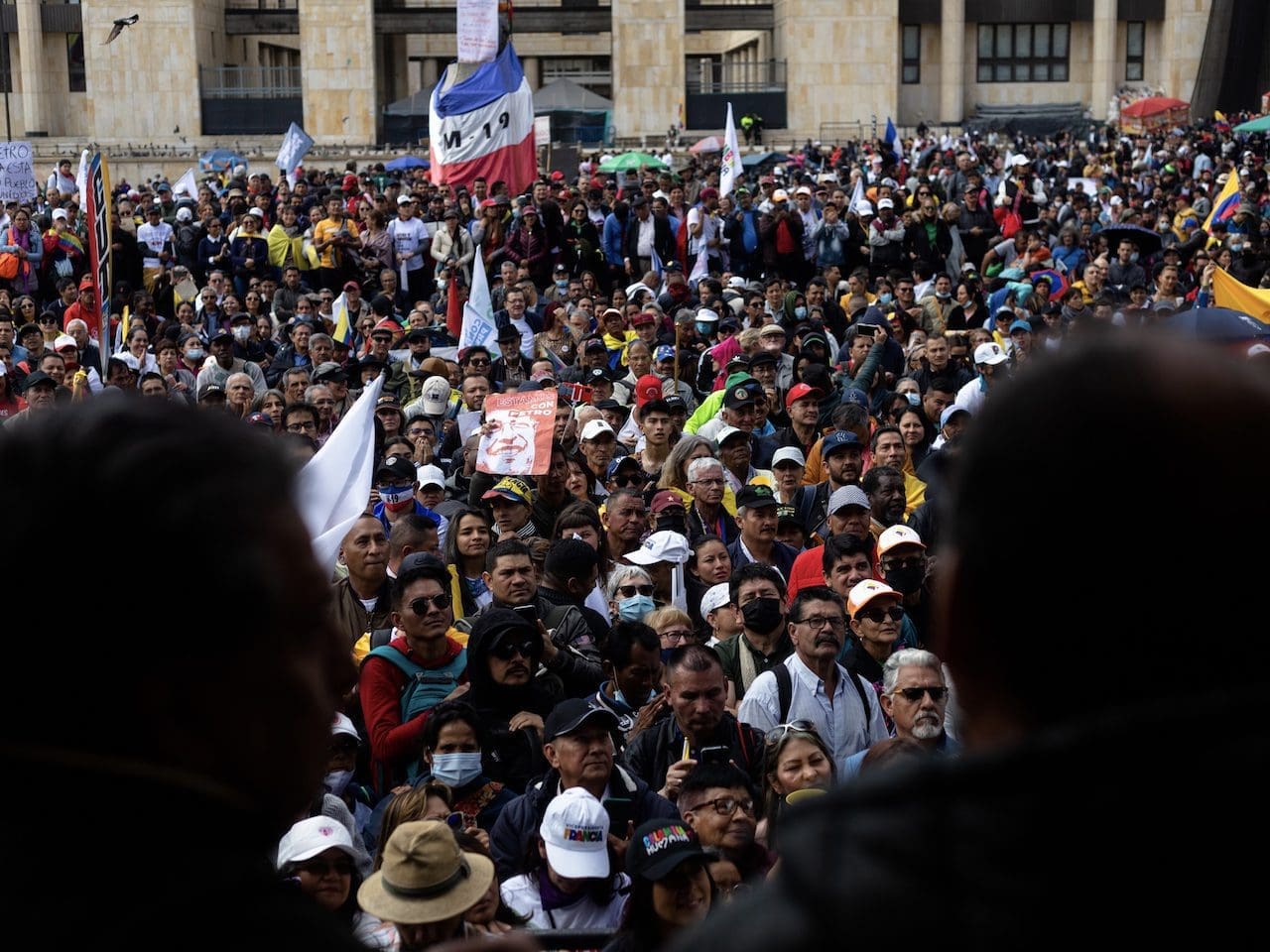
It is within this fragile, fractured moment in history that we are in desperate need of something different: an international nonprofit broadcasting venture that is not there to serve the politicians, the oligarchs, or the corporations, but instead dedicated to humanity as a whole and human-beings; uniquely and individually. A platform to amplify voices that are drowned out by the noise of power and extremism. A platform to connect all those of us who share common values – which I believe represents the majority – across borders and boundaries so we can, in effect, “hold hands” virtually, and influence our collective destiny more effectively.
The Conflicts We Can No Longer Ignore
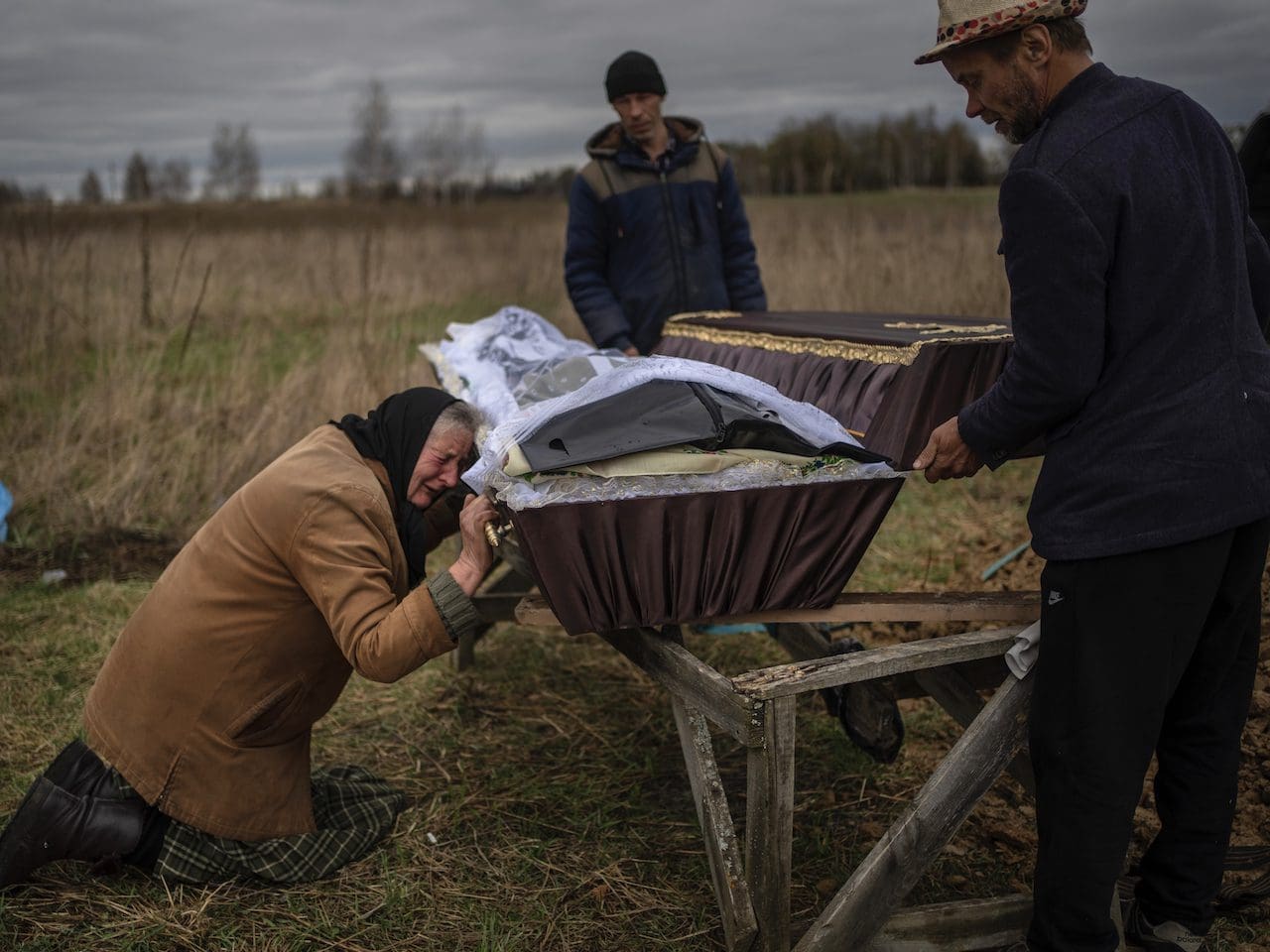
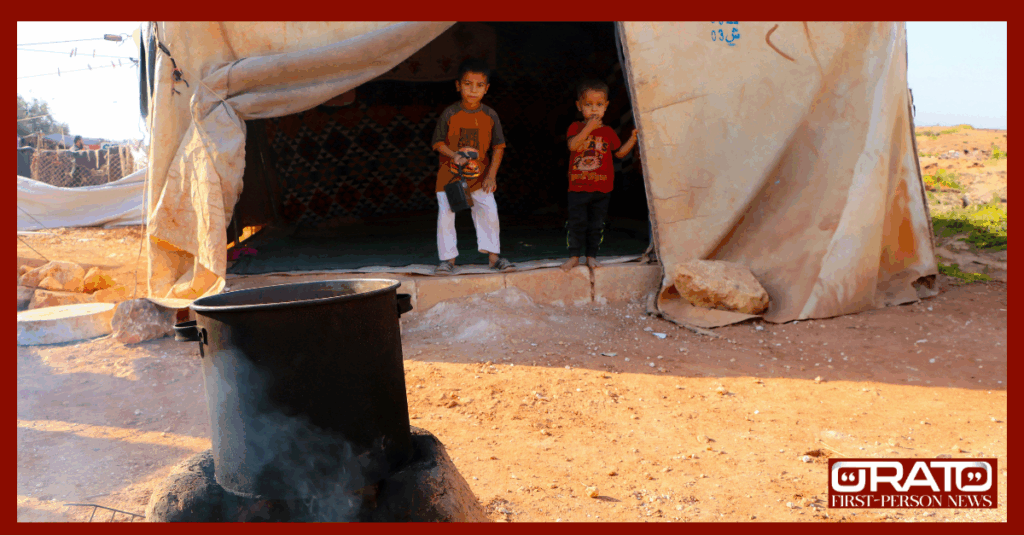
Consider Russia’s war on Ukraine—a brutal invasion that has displaced millions, destroyed cities, and upended the global order. The Kremlin’s aggression is not just a regional issue; it is a threat to international law and human dignity. Yet how often do we hear the perspectives of ordinary Ukrainians or Russian dissenters on mainstream networks? The story is reduced to talking points: strategy, sanctions, and territorial lines. But where are the stories of families forced into exile, of soldiers questioning their orders, of citizens demanding peace and individuals confronted by life-threatening events, inflicted by nature or man?
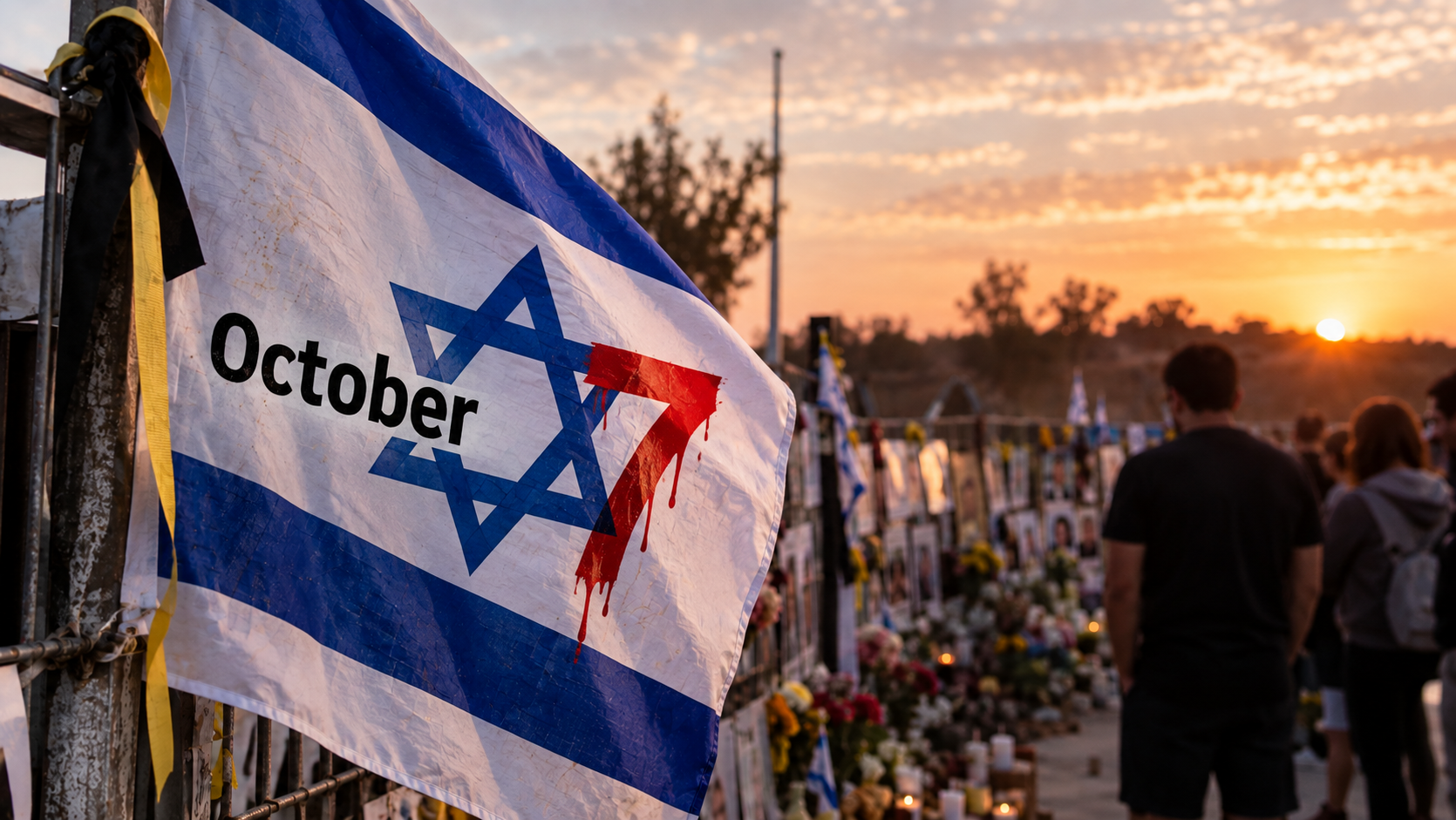
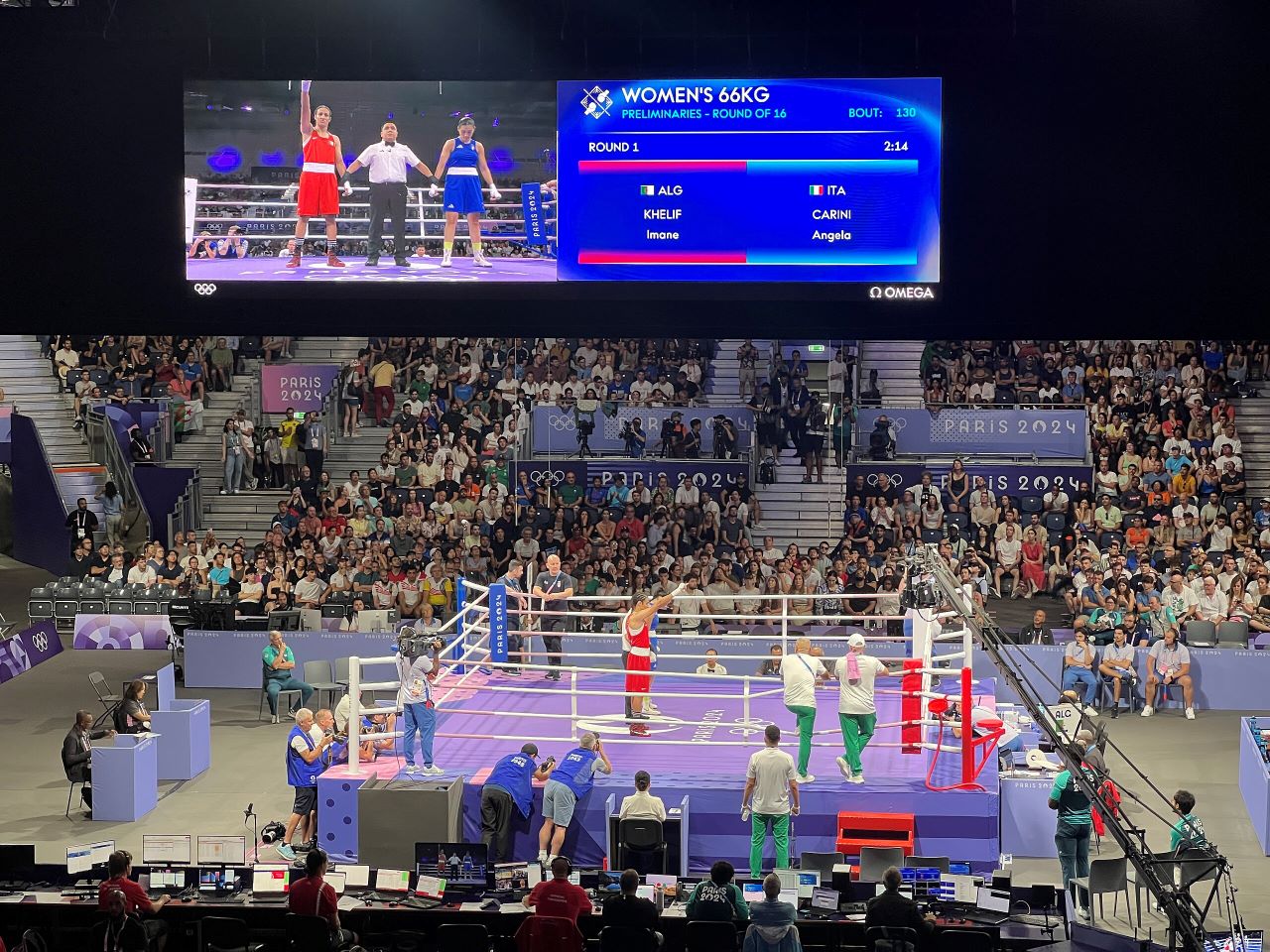
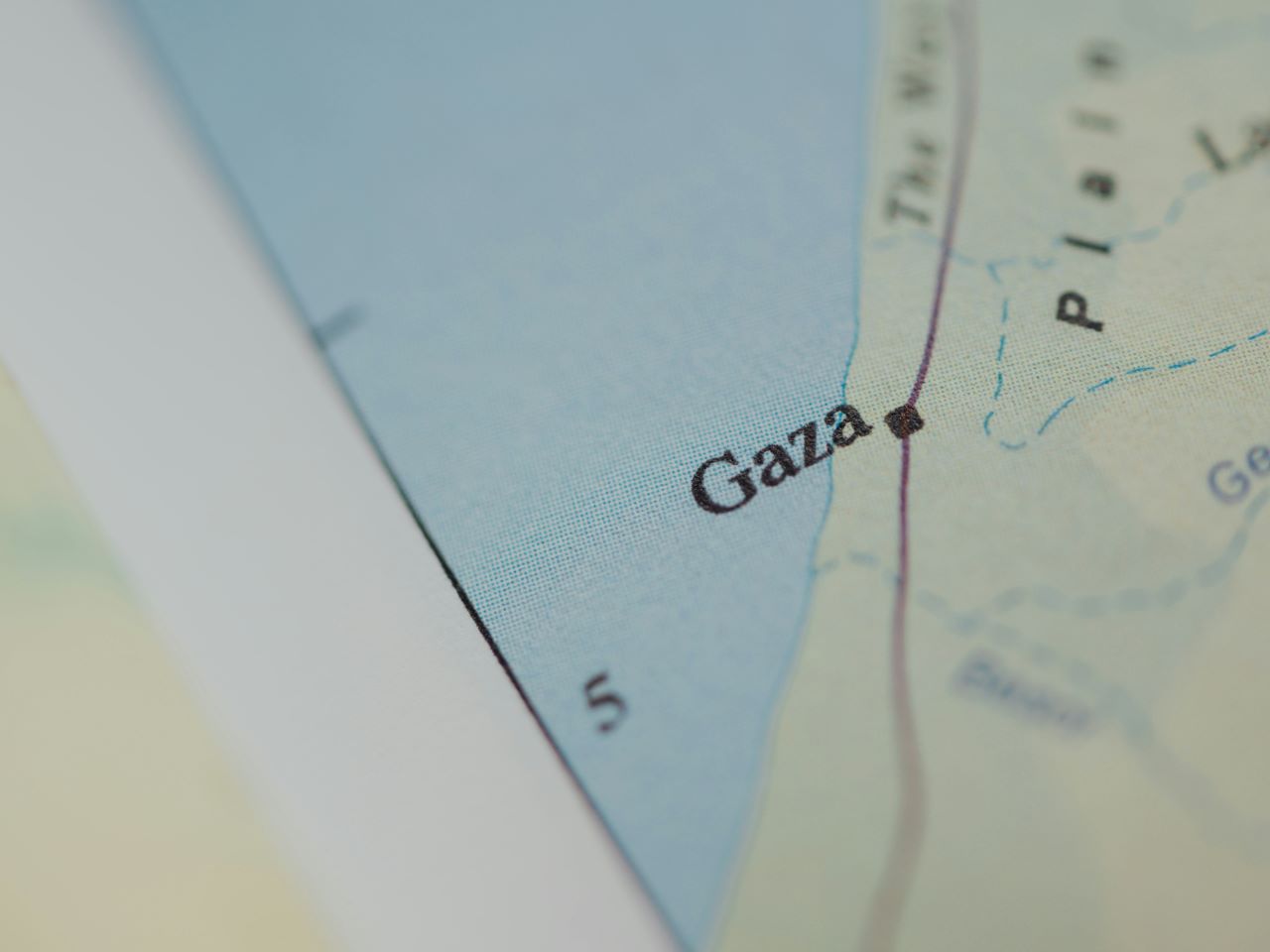
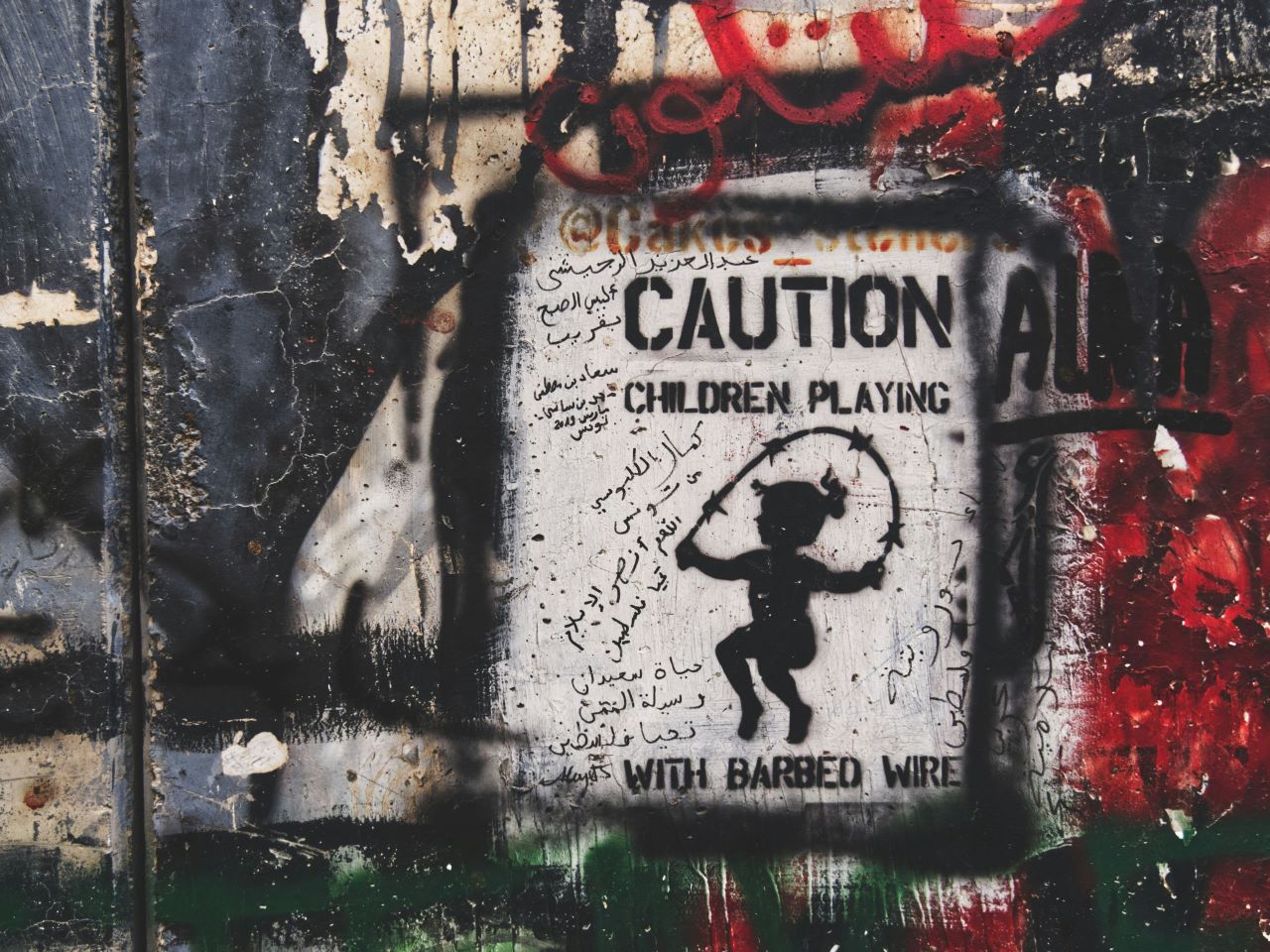
Then there is Israel’s ongoing assault and occupation of Palestine. The bombardments in Gaza, the expansion of settlements, the daily humiliation at checkpoints—these are not aberrations, they are systemic misdeeds carried out under the cover of “security.” The Palestinian people, stateless and dispossessed, have been crying out for decades. But most global coverage filters their struggle through the lens of power politics. We are told to pick a side—Israel or Hamas—when in reality the victims are the innocent and ordinary Israeli and Palestinian men, women, and children who had nothing to do with the conflict but whose humanity is set aside and forgotten.
And what of the United States, which likes to lecture the world on democracy and freedom? Its hands are hardly clean. From the invasion of Iraq to drone wars that wipes out civilians in the Middle East and Central America, Washington has exported chaos while shielding its allies from accountability. At home, its democracy is strained by the rise of authoritarian rhetoric, oppression of speech, voter suppression, and political violence.
This is the “new world order” we are told to accept—a world where the rules are written by those with weapons and wealth, while the rest of us are expected to comply.
Billionaires and Politicians
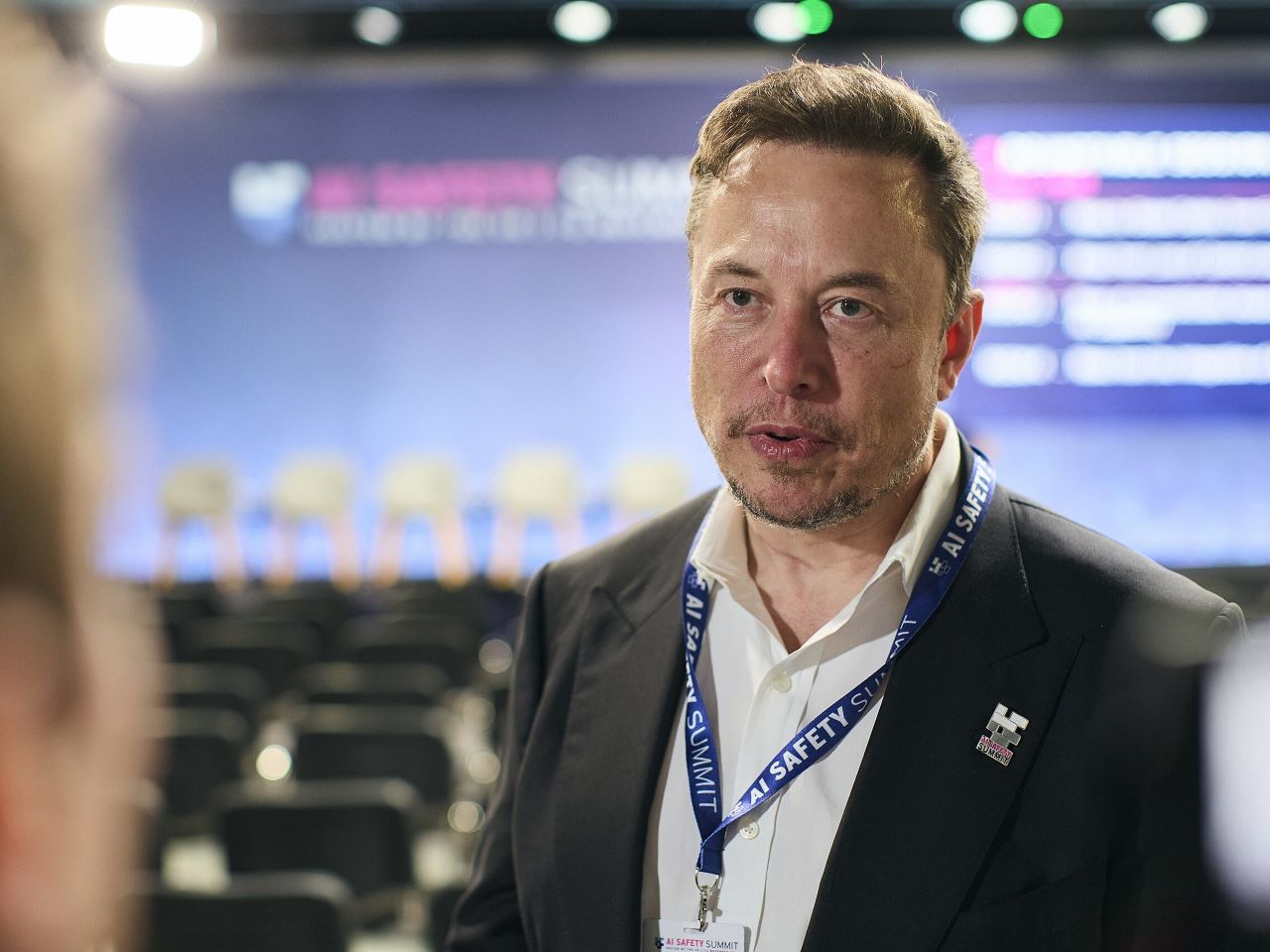
If governments are guilty of fueling wars, corporations and billionaires are complicit in sustaining them. Elon Musk likes to posture as a savior of humanity while treating public infrastructure like his personal toys. His reckless statements and erratic interventions—from interfering with Ukrainian satellite communications to pushing dystopian visions of Mars colonies—show a lunatic approach to power without accountability.
And then there is Donald Trump, whose legacy is not just a divided America but a blueprint for leaders worldwide to undermine institutions, demonise the press, and normalise extremism and naked corruption. His disdain for freedom, his assault on democracy, and his willingness to inflame hatred reveal what happens when populism is stripped of principle.
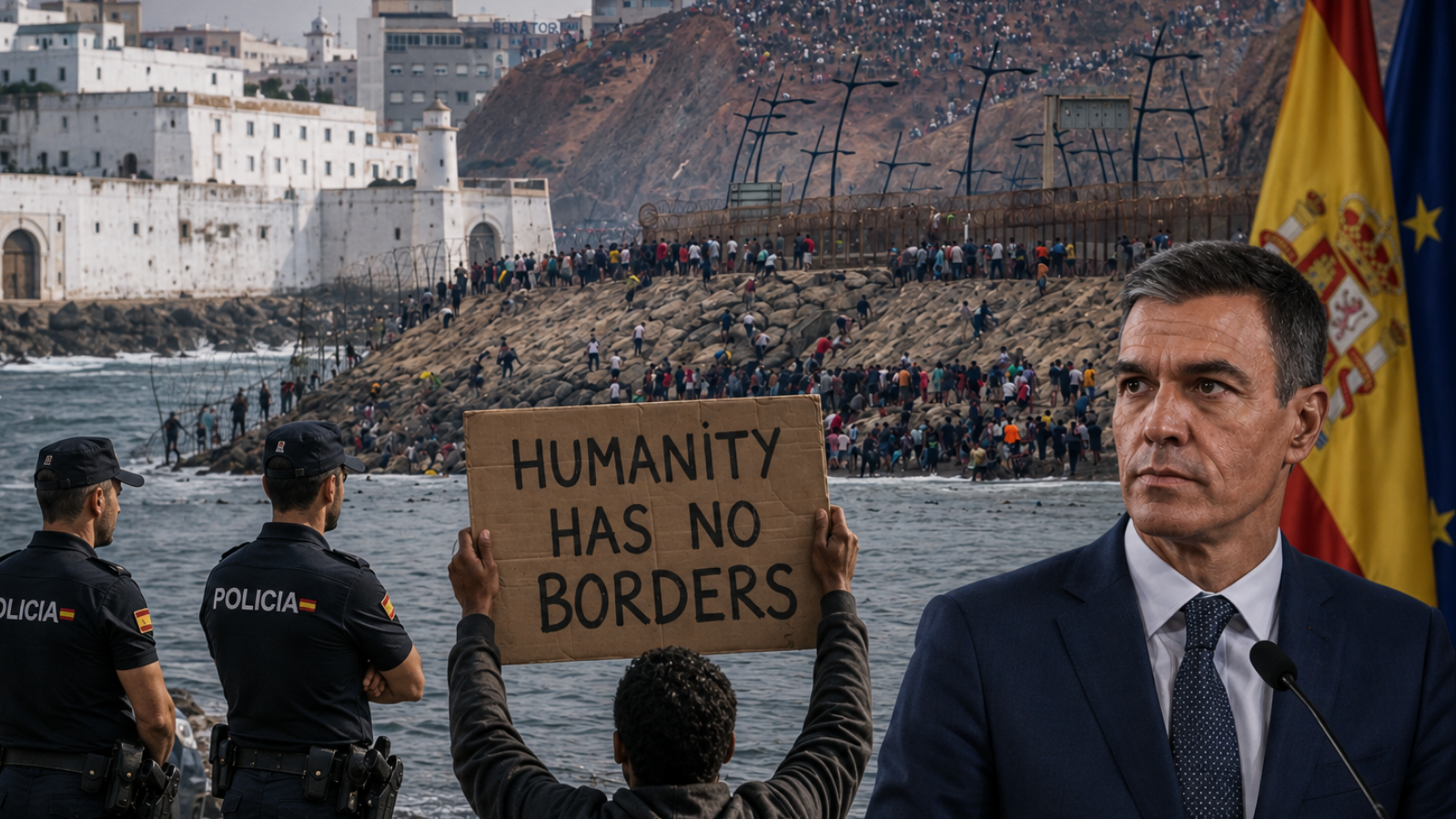
Meanwhile, corporations profit from conflict and environmental destruction. Fossil fuel companies fund disinformation campaigns while ecosystems collapse. Tech giants harvest our data and manipulate our attention while silencing dissenting voices. The cycle is vicious: wars displace people, displaced people become refugees, refugees become scapegoats, and politicians exploit the chaos to tighten their grip on power.
Holding Hands Across Borders
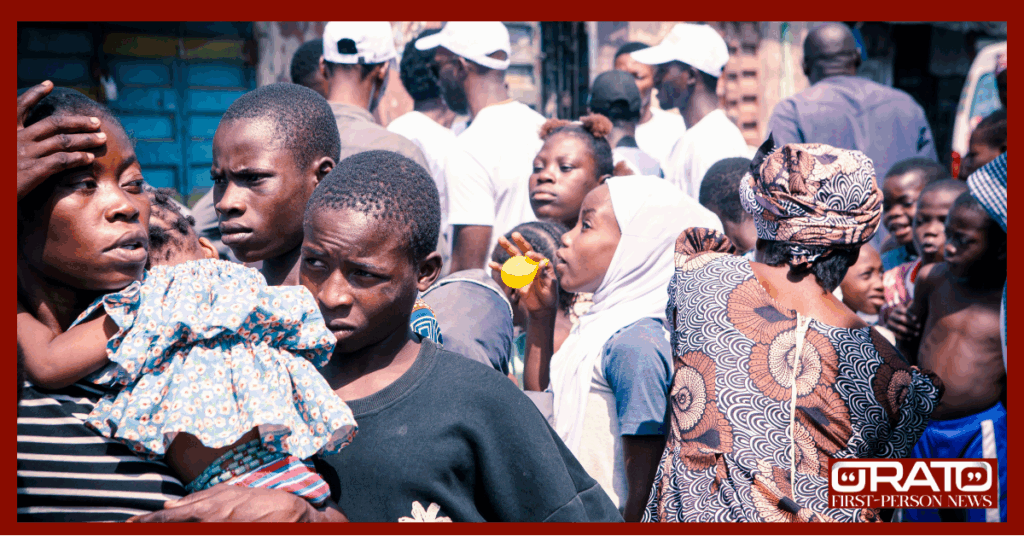
This is why we need an International Media Broadcasting Corporation built not on profit but on principle. A network that rejects the agendas of states and corporations and instead elevates the voices, in the first-person, of ordinary citizens who share common values.
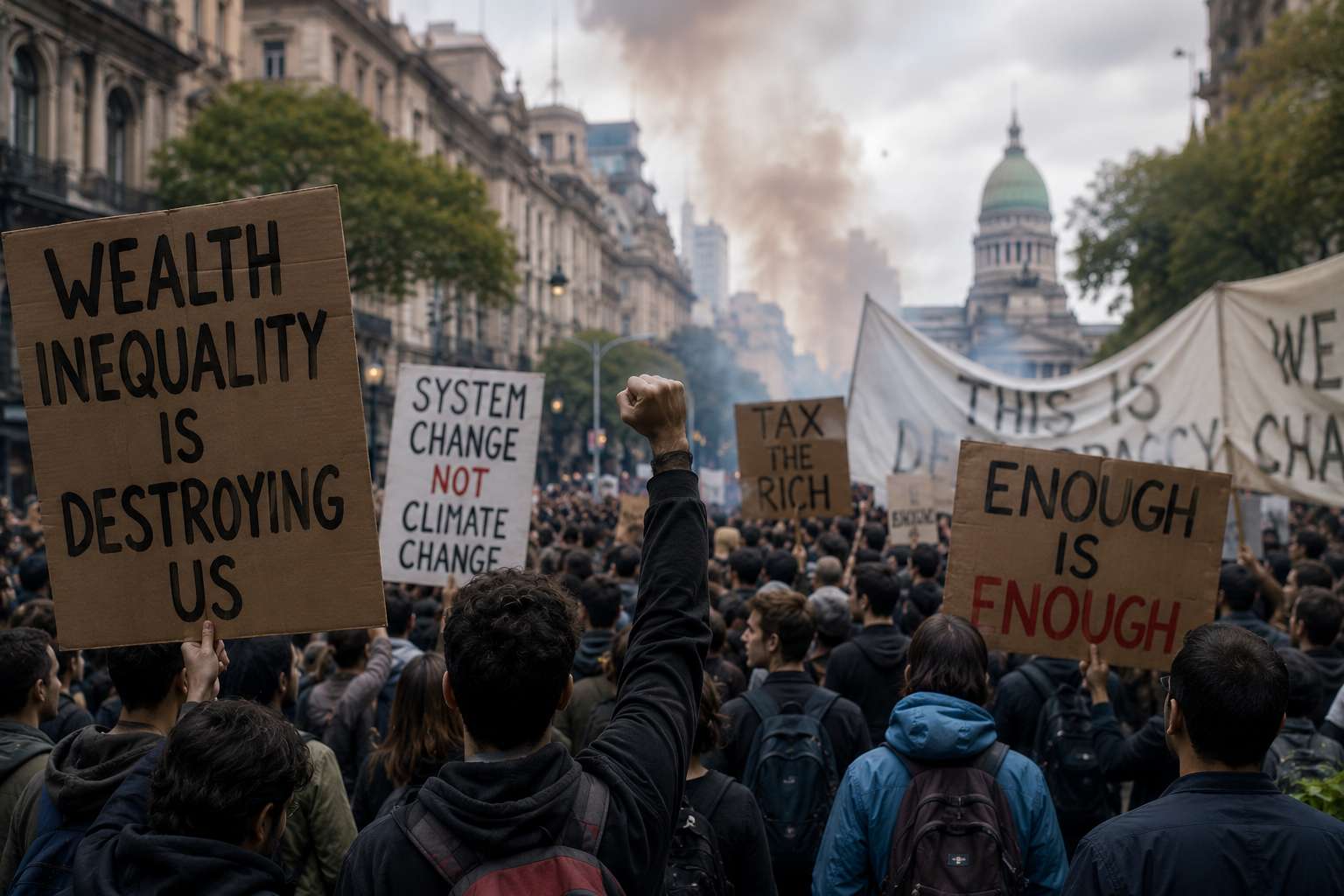
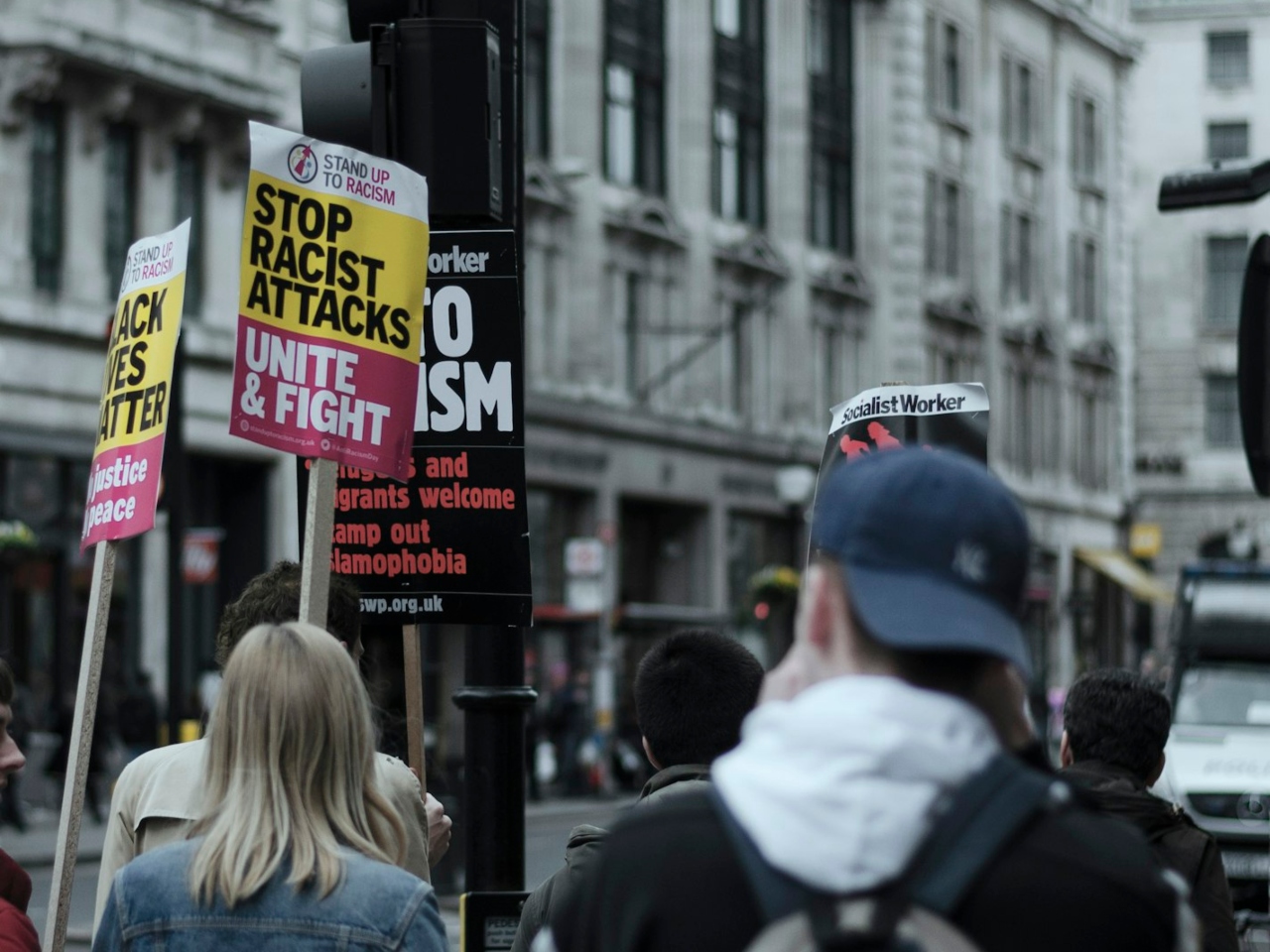
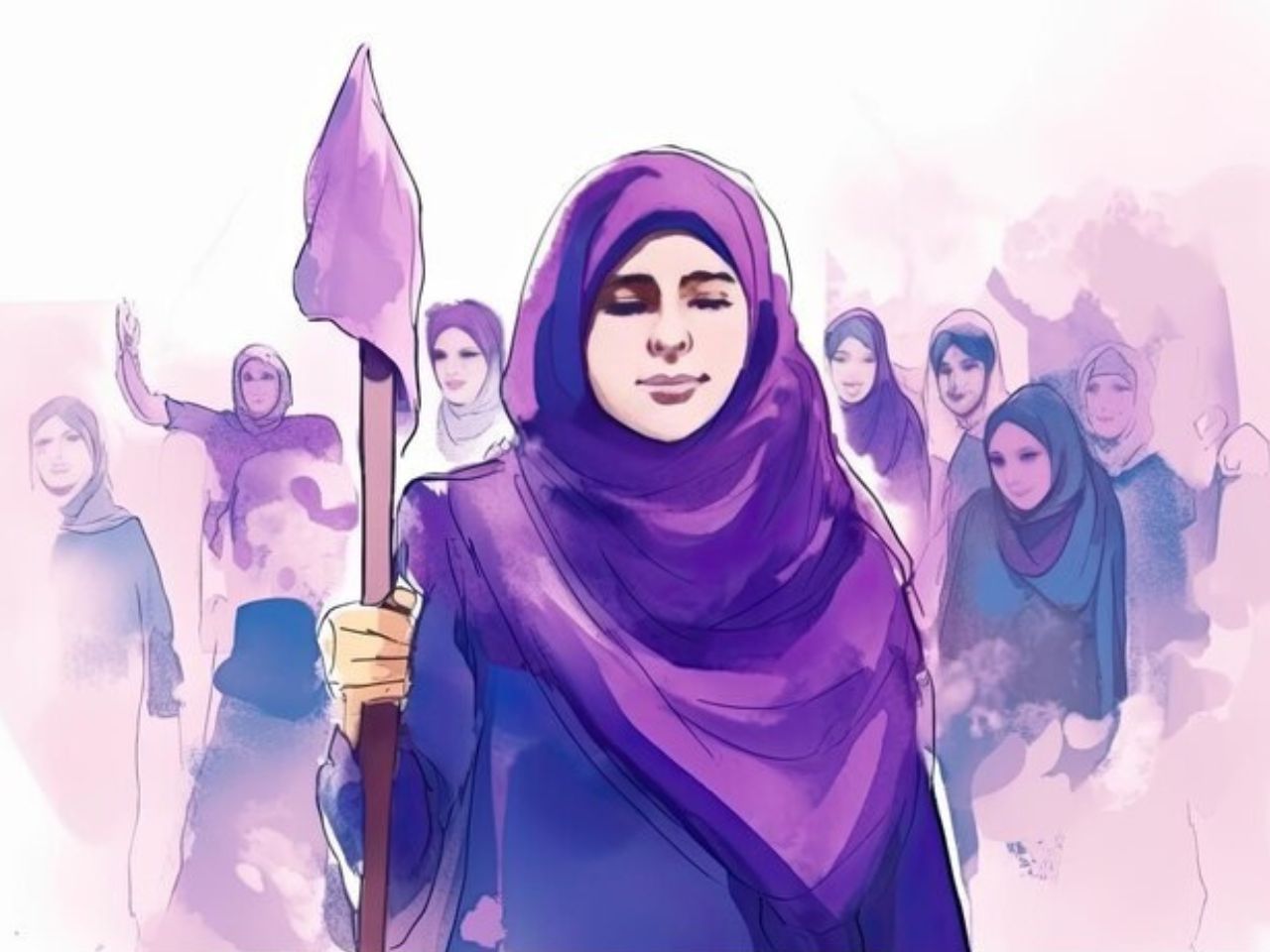
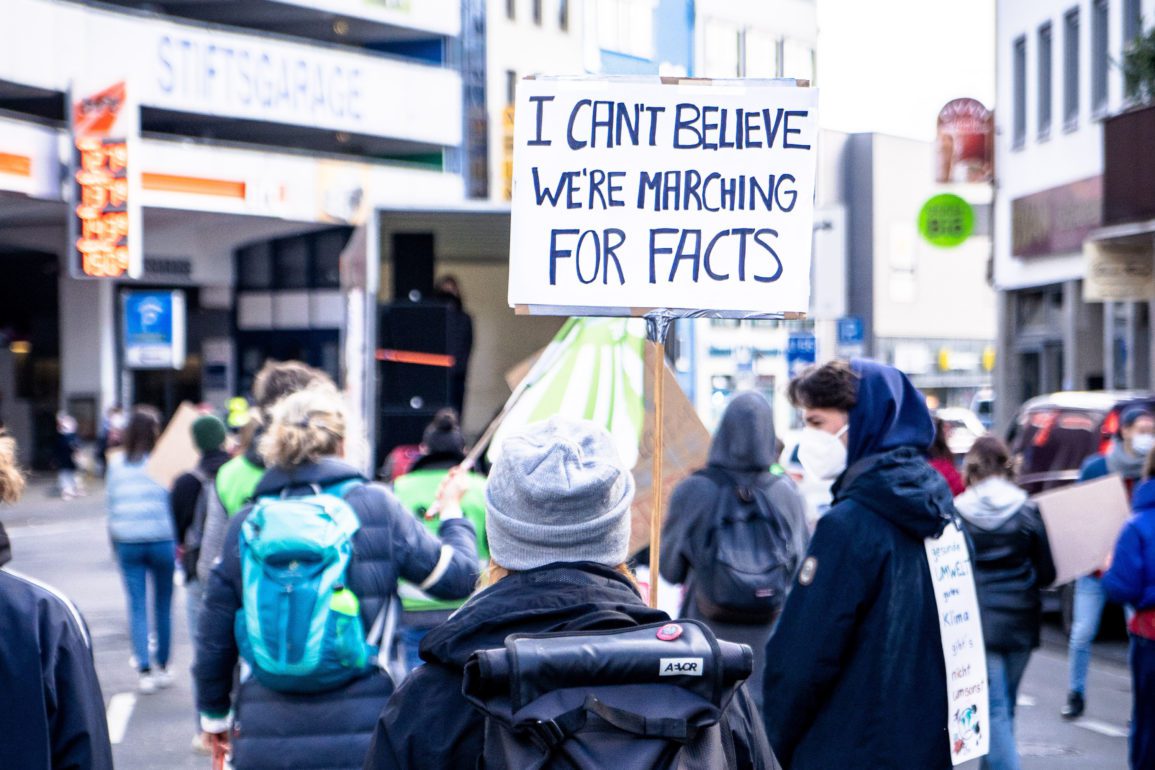
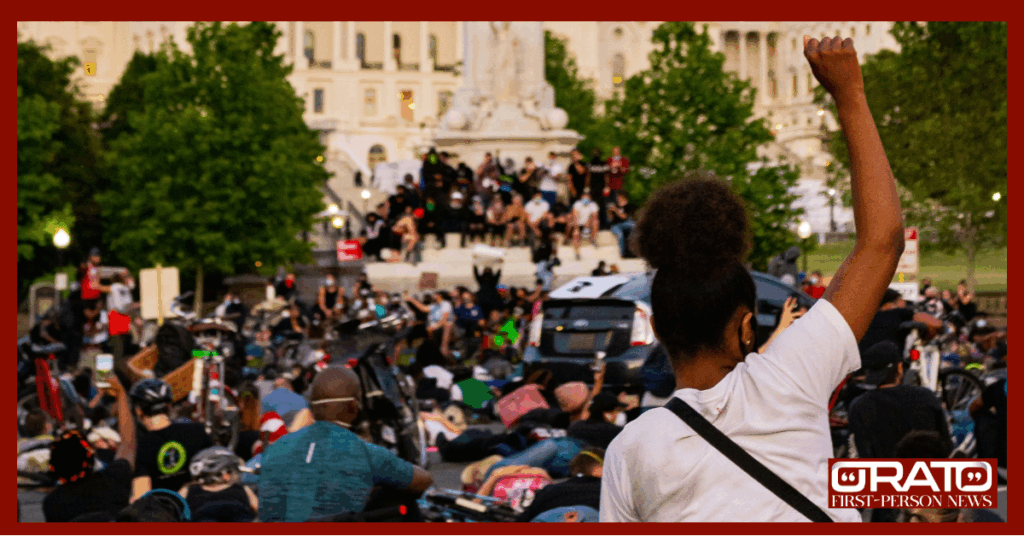
Imagine a platform where Ukrainian refugees can tell their stories directly to the world, where Palestinian families can show their daily realities, where whistleblowers can speak without fear of censorship, and where ordinary Americans can expose the erosion of their democracy without being drowned out by partisan noise. Imagine a space where climate activists can call out corporations undermining the environment, and where citizens across continents can come together to protest, organise boycotts and campaigns that would hold the powerful accountable.
We need not just journalism, but mobilisation. A people’s broadcasting network would not simply report on the crises; it would help connect communities across borders and boundaries to demand change. When Russia bombs Ukraine, when Israel bombs Gaza, when corporations poison rivers, or when politicians strip away freedoms, people everywhere should feel it, hear it, and have the means to respond collectively and unequivocally to effect change.
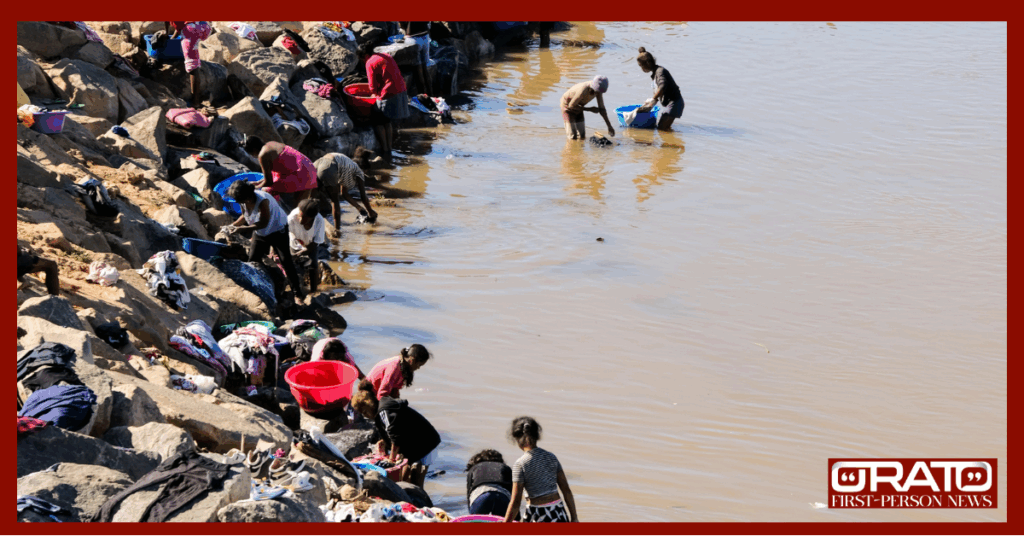
In this age of digital connection, it is now possible for us to hold hands virtually. What we lack is not technology but conviction. If enough of us who share common values of justice, peace, and sustainability come together, we can exert pressure where it matters. We can pressure Russia to end its war in Ukraine. We can pressure Israel to stop its occupation and grant Palestinians their dignity. We can call out the United States when it preaches democracy abroad while betraying it at home. And we can boycott corporations that treat the planet as their harvest field while creating collateral damage.
It will not be easy. The powerful have always tried to silence dissent. But history shows that when ordinary people unite, they can bend the arc of history. From civil rights to anti-apartheid, people’s movements have shaken the foundations of injustice. Today, we must seize the power now accessible by our interconnected world, take that struggle global and begin influencing our destiny more effectively than we ever have before.
Editorial Board – September 25 2025