
Spy on a Leash, Indonesia’s 1998 Unrest
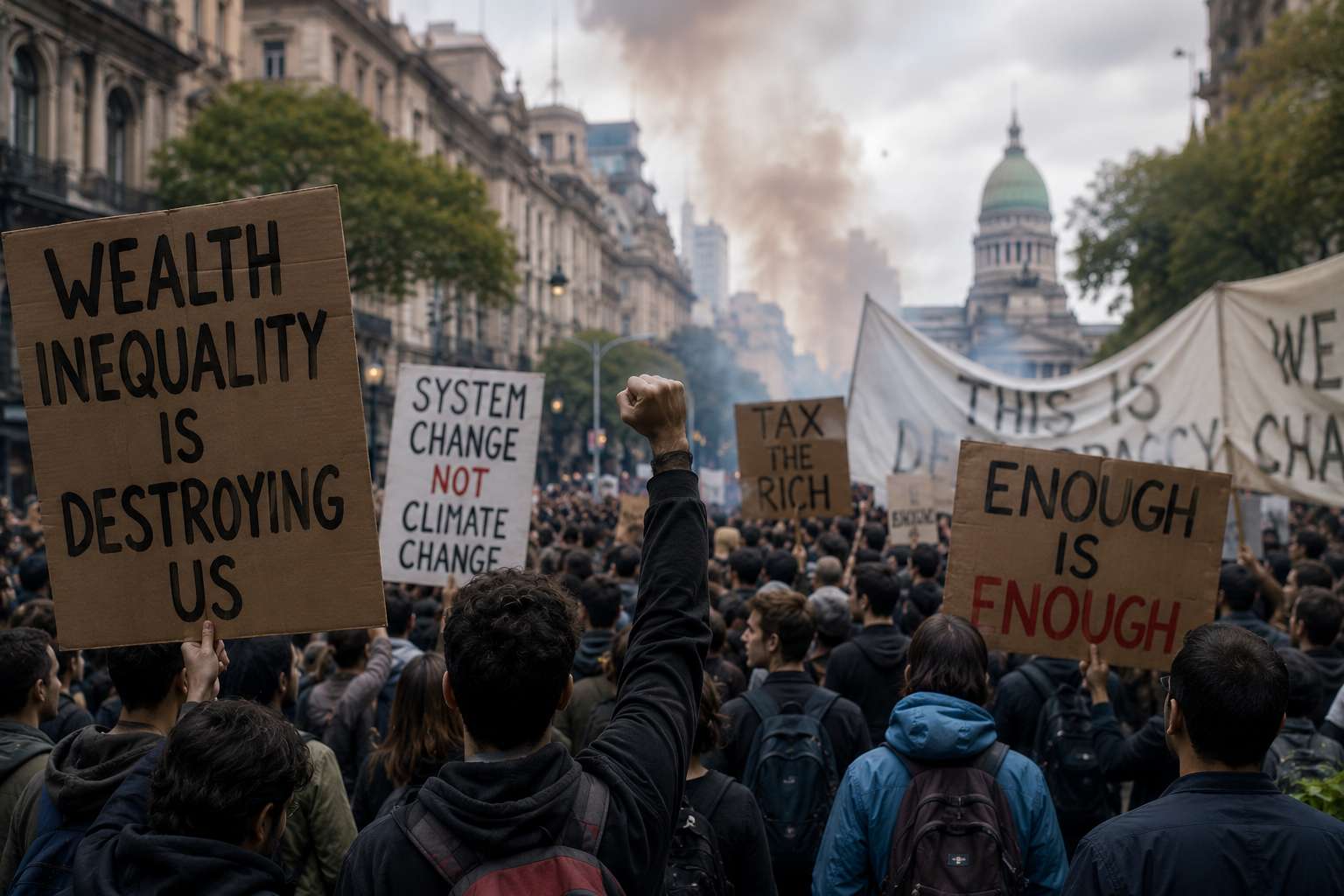
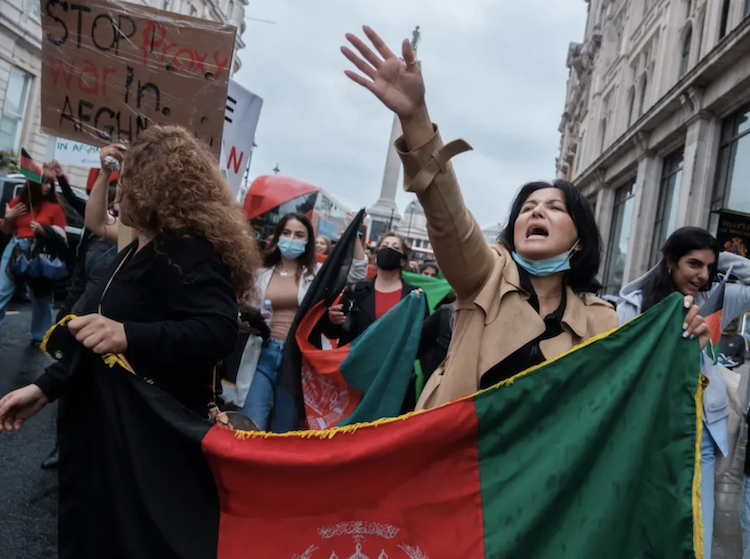
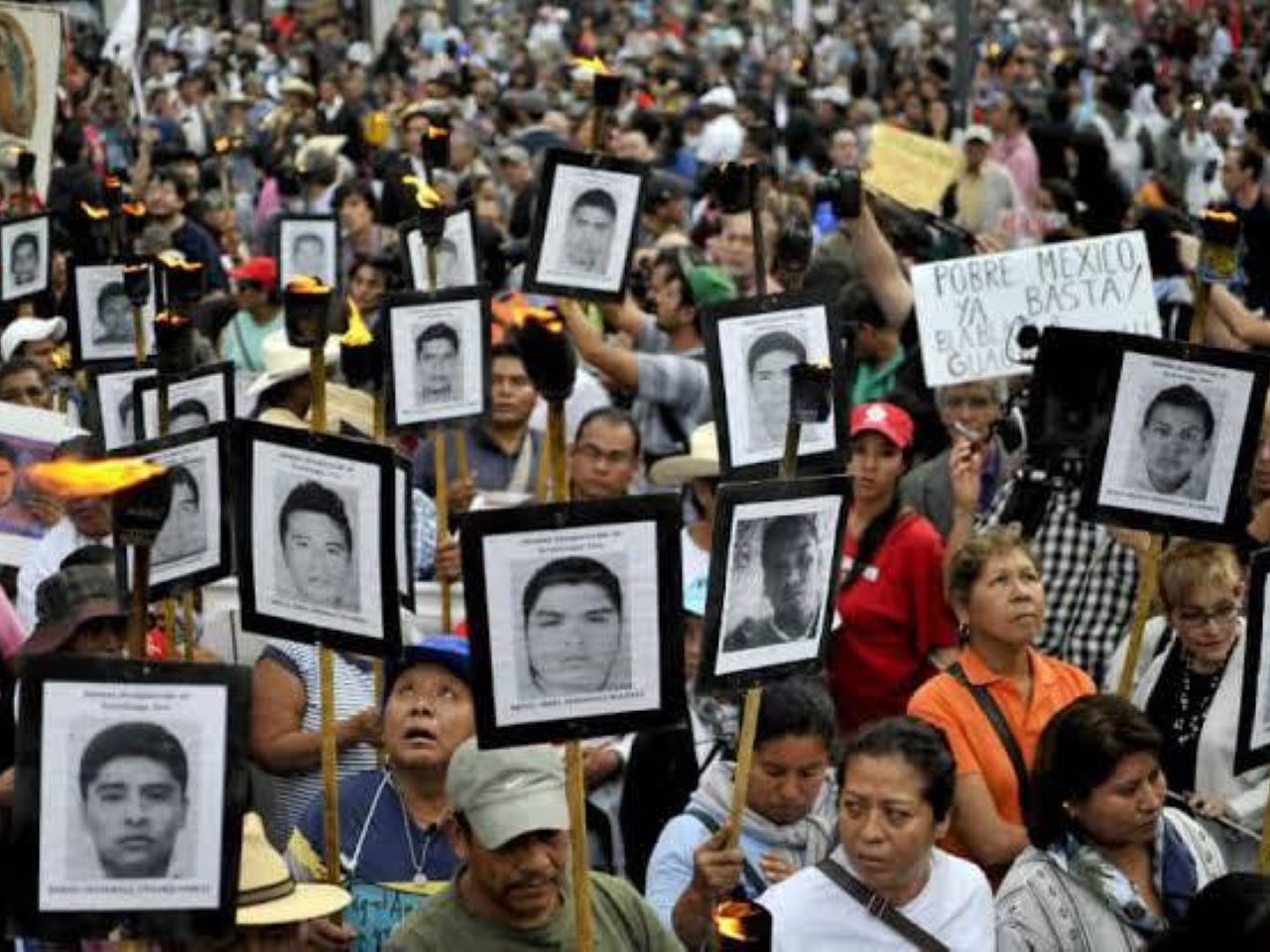
Jakarta’s Riots Indonesia was wracked by civil unrest, ethnic violence and economic turmoil since the ouster of President Suharto in May, 1998. Indonesian university students were at the forefront of protests against the military’s involvement in politics. Suharto’s appointed successor, B.J Habibie claimed that massive student protests, if unrestricted, could “lead to the disintegration of […]

- 1 year ago
 October 5, 2025


Jakarta’s Riots
Indonesia was wracked by civil unrest, ethnic violence and economic turmoil since the ouster of President Suharto in May, 1998.
Indonesian university students were at the forefront of protests against the military’s involvement in politics. Suharto’s appointed successor, B.J Habibie claimed that massive student protests, if unrestricted, could “lead to the disintegration of the nation.”
However, their activism helped bring on democratic elections this May. Results won’t be finalised until December, but early indictions suggest the Indonesian Democratic Party of struggle, led by Megawatt Sukarmoputri, has taken the lead. Her suppoersts have treated renewev violence if Habibie clings to power.
Spy on a Leash
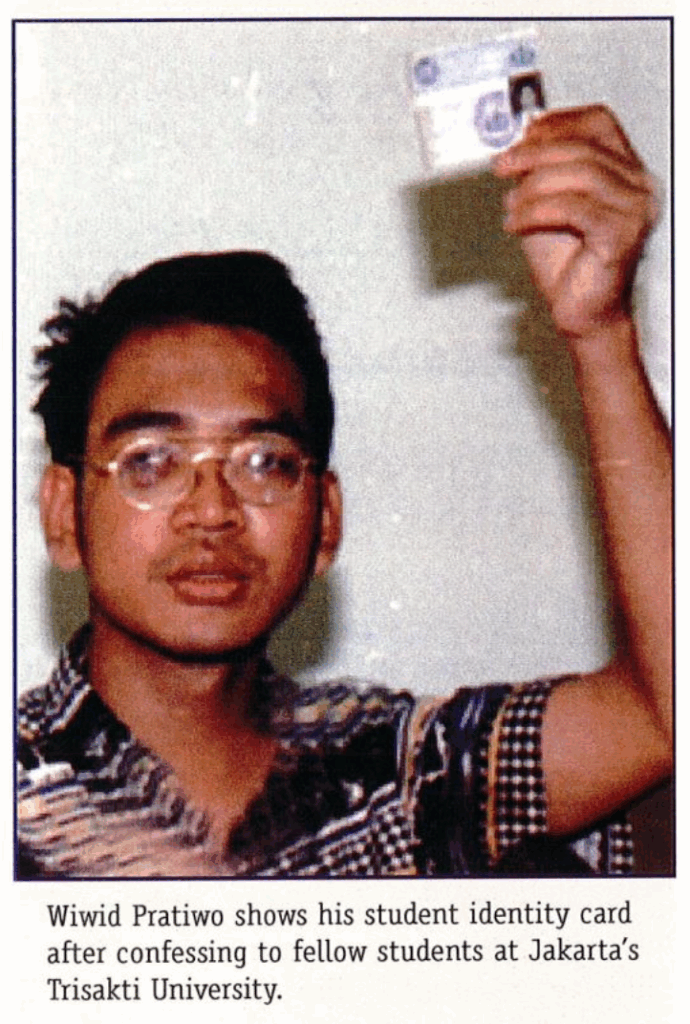
Wiwid Pratiwo didn’t give Indonesia’s reform movement much thought until the army made him an informant. He tipped soldiers off about a demonstration where they killed 13 of his friends.
Transcribed by Kafil Yamin.
My name is Wiwid Pratiwo and I am a student of air transportation management at Trisakti University in Jakarta. I am 21 years old. I was an informer for the military.
My fellow students in Trisakti University get excited when talking about the reform movement in Indonesia. They have daily discussions about the political role of the military, President Habibie’s credibility Suhartos’ cronies and how to move against them.
I have little knowledge about those issues and frankly speaking, I am not really concerned. I am a poor man. My father is a driver in a construction company. My main concern is to finish my studies and get a job.
Recruited
In August,1998, I was at a bus stop in Tomamg, West Jakarta, waiting for a city bus to take me home when a man came up to me.
“Hi, going home?” he said. “Which direction?” He seemed nice. Soon we were involved in friendly conversation. His name was Buddy Laksono. I told him where I lived and about my family. After a while we parted and I forgot about him.
The next day the man came to see me at my home. I was surprised, but I wasn’t suspicious of him. He got very friendly with my parents. I was stunned to see they allowed him to spend the night at our home. The family soon knew Budi Laksono as a military police soldier from the presidential guard unit. He came to our house often and took me around Jakarta. He took me to his office in Jalan Diponegoro and introduced me to his friends.
Then one day he took me to a military post in Tanah Abang, Central Jakarta. A tall, tough-looking man showed up and sat in front of me. He wore military pants and a T-shirt. I began to fee odd as he questioned me. He offered me a red file.
“A war began in my soul.”
“There’s a form in it for you to sign,” he said. I opened it and read the form with dismay. It was a statement that said I was willing to cooperate in order to make the special session of the People’s Constultative Assembly (the government of B.J. Habibie) a success. I gave it back to him and refused to sign.
He stared at me while he talked about my parents and my younger sisters. He knew everything about my family, including the workplace of my father and school of my younger sister. He said that my parents, my sisters, all my family members and I would have problems if I refused to cooperate. If you knew how the military treats people or groups they see as problems, you would have no option but to sign the form. So I did.
Under Fire
My job was to spy on student activities. I was to provide information on when, where and how students would stage rallies. I was paid 100,000 rupiah (US $15) for each piece of information. He gave me a pager for communication.
I knew that many of my fellow students were against the special session of government because they had learned that it would only extend President Habibie’s rule. Ninety percent of the assembly members were Suharto’s cronies and sycophants, who were involved in corruption, collusion and nepotism. They were appointed. I was the only legislative body on earth whose members were cousins, brothers-in-law, sisters, wives and business allies. Some of them were even debt collectors and thugs!
My fellow students also believed that the session would maintain the political role of the military. I was not really concerned with such ideas, but I sympathised with my friends. A war began in my soul between sympathy for their struggle and this unavoidable duty.
The first information I provided was the students’ plan to break through the security cordon in front of the parliament building. They would set up their base at Atmajaya University, only one-and-a-half kilometres from parliament.
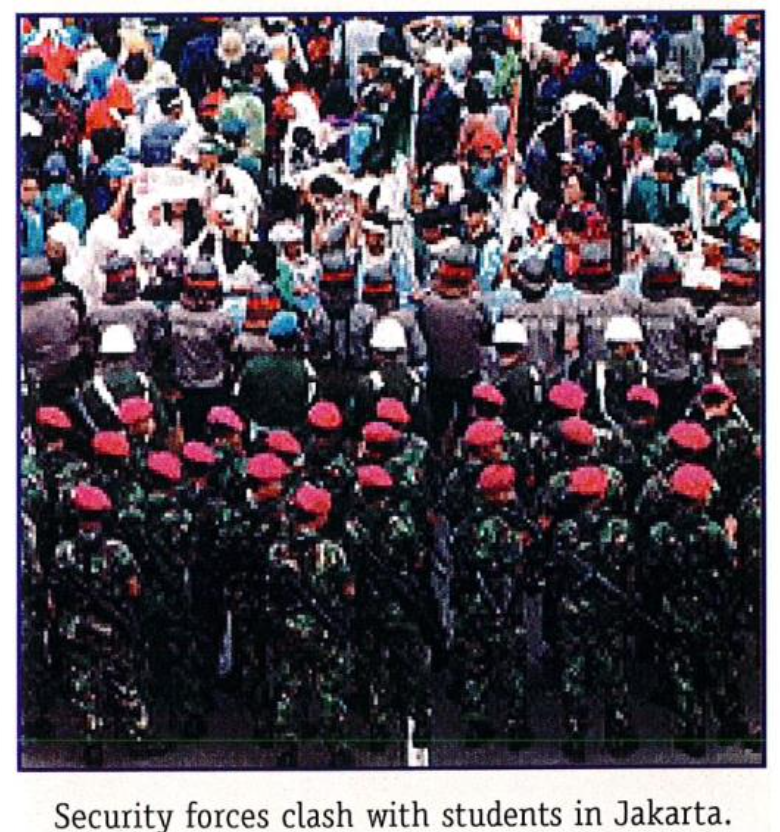
Then came the horrible moment. It was November 13 1998. Thousands of students converged in the Atmaja University compound. The students came from universities in Jakarta and other major cities like Bandung, Jogjakarta, Surabaya and Semarang. Tens of thousands of students took to the streets and came face to face with the security cordon. I joined the rally and was in the front line.
“My pager rang with a message saying there would be shooting at 1 p.m.”
It was noon when my pager rang with the message from the security (forces) saying that there would be shooting at the Atmajaya compound at 1 p.m. Meanwhile, clashes between students and security (forces) broke out. Students began hurling stones. Some students and security officers were incurred. Inside parliament, government members were engaged in the concluding session. By the time President Habibie spoke, two students were dead and one security member was injured.
But the shooting did not occur at 1 p.m. My pager rang again at 7.30 p.m. A message told me to leave the compound because the shooting would start. This time, they really meant it. The heavy security cordon of soldiers and police in front of the parliament moved closer to the university compound and started shooting.
I was there. The student crowd turned into a stampede. They ran away in all different directions. Some fell down and were trodden on. Some students shouted to soldiers to stop shooting. But the shooting continued, so they ran away as well.
I was stupid. I’d been told to leave the scene, but I hesitated in order to avoid suspicious from my fellow students. A shot hit my left foot but I could still run, and I reached the student based with the others. I lay there for some time, watching a TV airing live coverage of the incident. My heart beat faster. The midnight news said 13 students and one military officer were killed during the incident.
Trial
Two days later, student activists captured me at my campus when I tried to contact Budi Laksono. Several of them stormed toward me, put me in the corner of the room and began to interrogate me. I kept my mouth shut. They did not hurt me because my captors knew me well. But they were angry.
I was taken to Kontras, (the Commission on Missing Persons and Victims of Violence), and NGO campaigning against militarism and violence. I face a “trial” by the activists. After listening to their emotional words about how they sacrificed for the sake of struggle, I could not stand not to reveal my undercover role. I told everything. I expressed my regret at having done such a thing. I really meant it. I wanted them to believe that my statement was sincere.
The revelation put me in an even more terrible situation. The threat by the military men to make problems for my family keeps haunting me. I cannot sleep.
Occasionally I cannot stop myself from crying. I cry for my dead friends. Above all, I cry over my foolishness. Now, I have no protection. There is no law providing guarantees for informed like me. I know I will go on with this uncomfortable situation.
Wiwid Pratiwo lived under the protection of Kontras, the Commission for Victims of Violence and Missing Persons.