The city sparkles for Christmas in the Philippine’s Festival of Lights

MAKATI, Philippines ꟷ For decades, celebrating Christmas in the Philippines starts months before December. Today, the City of Makati and the Ayala Land Inc. embrace the spirit of Christmas in early November with the start of the Festival of Lights in the Business Central District (BCD).

View photo galleries from around the globe at Orato World Media.

At the heart of the BCD in the Ayala Triangle park, visitors enjoy a spectacular light and sound show. Filipino visitors flock to watch the musical lights that run hourly. The show starts at 6:00 p.m. each night and runs until 10:00 p.m. through the first week of January.

The Festival of Lights boasts a 360 degree design perfect for social media posts and vertical Tik Tok videos, which people capitalize on. Family and friends come to watch and post their experiences on social media. Children enjoy the show and the artificial fog even more than their parents.

All photos courtesy of George Buid.

Miles of recently discovered cave paintings in Colombia shock archeologists, Orato photographer takes you there

GUAVIARE, Colombia — In 2020, archeologists announced a discovery that rocked the world: eight miles of cave paintings discovered near the Amazon in Colombia. Some of the cave paintings are said to be as much as 12,500 years old. Around 4,000 pictograms portray scenes and motifs from the past. They include drawings of men, women, and extinct animals like mastodons.

In the first half of the 20th century, the territory where the drawing exist received migratory waves of settlers in search of rubber and arable land. Many came from the Andean region of the country. Guaviare remains the cradle of several indigenous communities including the Nukak, Sikuani, Tucano, Desano, and Cubeo.

Also from Orato, paleontologists discover a new species of dinosaur in Argentina.

The local community remains in charge of preserving the region, including the archaeologically significant caves. They organize responsible tourism since the signing of peace agreements with the former FARC guerrillas at the end of 2016.

The municipality of Guaviare in Colombia sits 350 kilometers (217 miles) from the Colombian capital. Considered a transition area between Oringoquia (one of six natural regions along the Orinoco River watershed) and the Amazon, it features savannahs, mountains, forests, and humid jungles. The cave paintings in the place called Cerro Azul remain one of the regions greatest treasures.

All photographs by Mariana Delgado Barón.

Paper mache puppets tower above crowds at Philippines’ Higante Festival

ANGONO, Rizal, Philippines ꟷ After a pause due to the COVID-19 Pandemic, the annual Higante Festival returns in the streets of Angono in the Rizal province of the Philippines. While many towns throughout the world celebrate their history, Rizal take a unique approach.

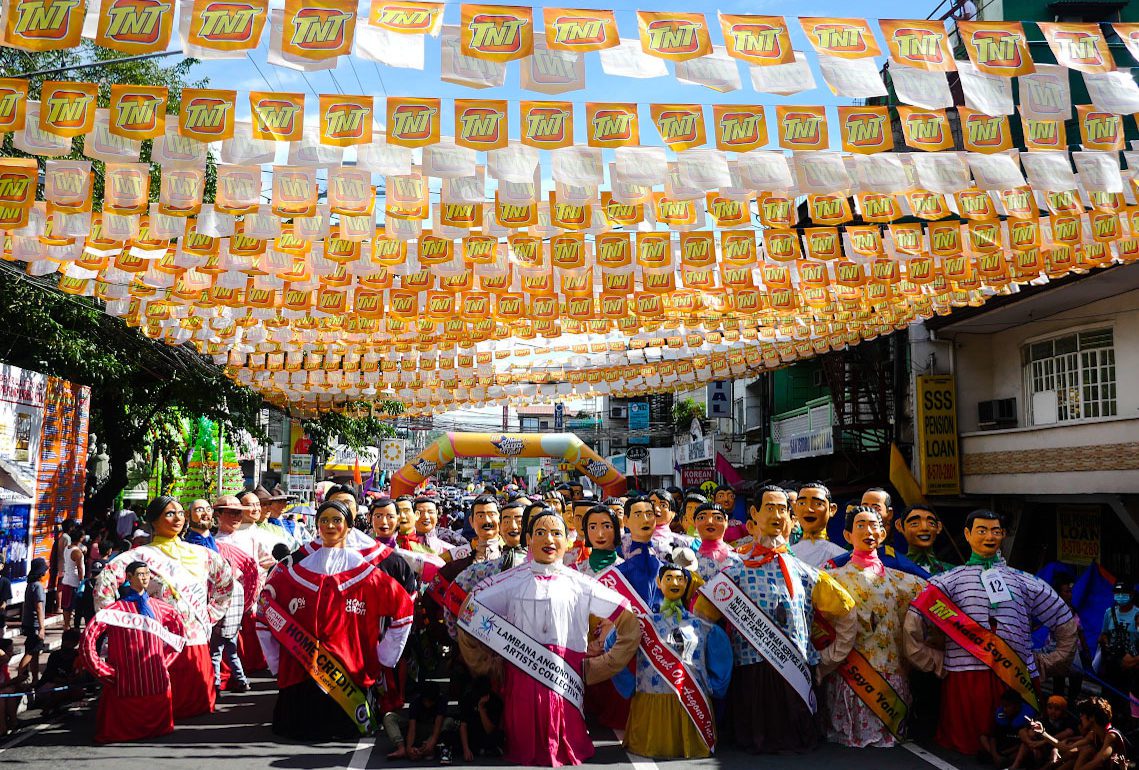
At the Higante Festival, giant, larger-than-life puppets with paper mache heads tower above the crowds. They symbolize the corrupt hacienda owners who lived in Angono during the Spanish rule. They mostly represent a sign of mockery, but some puppets do personify a famous person or entertainer. The display brings joy to local residents and attracts many tourists.

Read more stories from the Philippines at Orato World Media.

At the Higante Festival’s inception, residents constructed the puppets out of bamboo frames, paper mache heads, and local textiles for clothing. Today, modern materials make the process more creative. Most use aluminum frames for the body because it is lighter and allows for more creativity.

The parade began at 7:00 a.m. near Angono’s border with Taytay. The procession moved through town and ended at municipal hall at 10:00 a.m

All photos courtesy of George Buid.

Colombian women’s soccer team crowned champions of IV World Cup

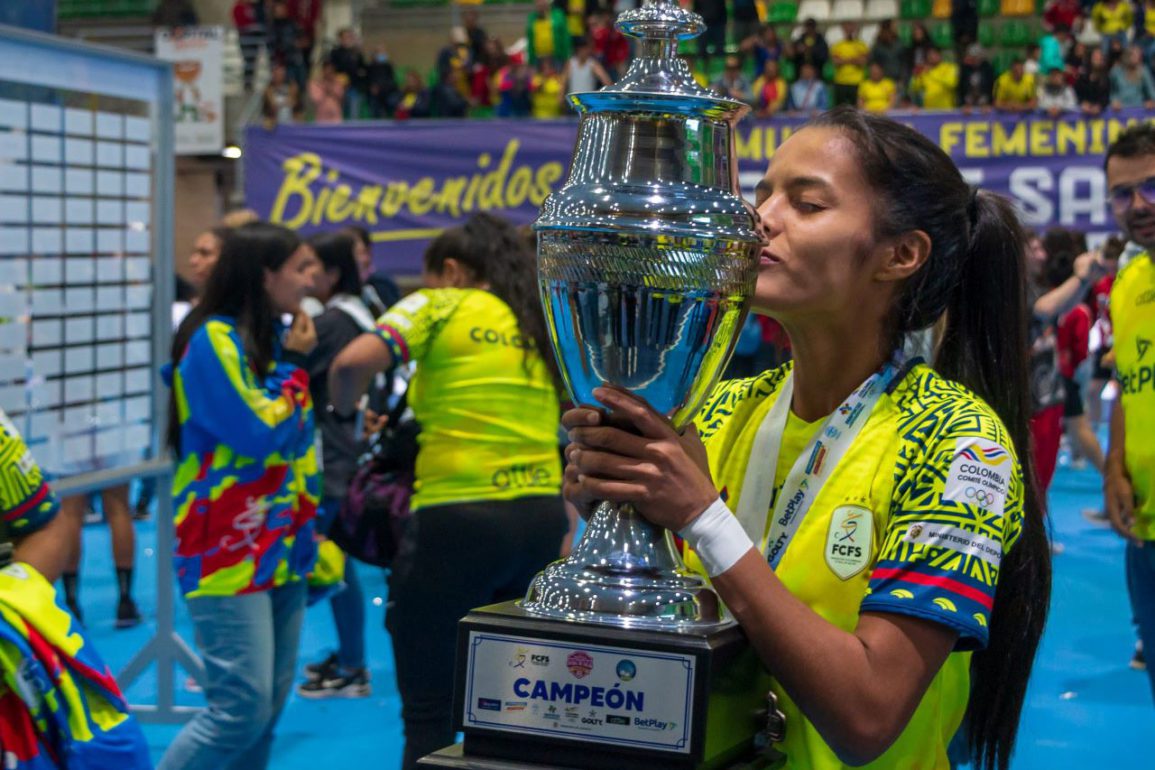
MOSQUERA, Colombia ꟷ The Colombian women’s futsal team was crowned champion of the IV World Cup held in their country. They beat the Canadian team by a score of 12 to zero. Futsal is a form of indoor soccer endorsed by FIFA, popular throughout Europe and Latin America. In addition to Colombia and Canada, the podium featured Venezuela, which defeated the Catalan team three to zero.

Read more soccer stories from Orato World Media.

The win represents Colombia’s second title by the national team. In 2013, the team took the crown after a close match against Venezuela, winning three to two. In their previous championship match in 2017, the team played in Balaguer, Spain. The Colombians finished third, beating Paraguay three to zero.

The win this year confirms the strength of Colombia in the women’s soccer sport. The team overwhelmed their rivals, going undefeated without conceding a single goal. They advanced smoothly in their group stage with massive victories over Canada (8-0), Australia (13-0), and Uruguay (7-0). In the quarterfinals, they beat Paraguay (9-0); and in the semifinals they overcame Venezuela (6-0).

Led by Professor Willington Ortíz, the team closed out the tournament with six overwhelming victories, 55 goals for, and zero against. Colombia proved itself the undisputed world champion.

All photos by Dagoberto Garzón Q.

Queen of Coco opens candy shop in foreign country, realizes her chocolate dreams

Interview Subject
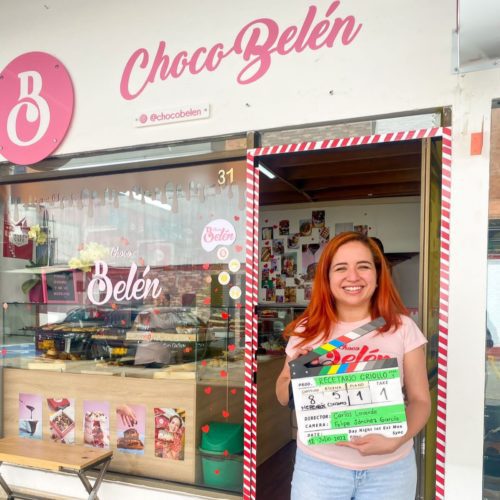
Venezuelan Belén Carrillo earned a degree in music and worked in the industry for many years, but from the age of seven she dabbled in confections with her mother who served as a pastry chef. She eventually gave up her career in music to follow in her mother’s footsteps. In Venezuela she became well known as Choco Belén for her incredible chocolate creations. After many years of being in her country and building her personal brand, the economic situation forced her to migrate to Colombia where she finally achieved her dream of opening a chocolate store.
Background Information
According to data from Migración Colombia for August 2021, the number of Venezuelan migrants in Colombia exceeded 1.84 million residents. The Colombian capital, Bogotá, has positioned as the department in Colombia with the highest number of Venezuelan migrants with 393,700 residents.

BOGOTA, Colombia ꟷ As a child, I experienced firsthand the magic of the kitchen. With a mother who worked as a pastry chef, the familiar smell of sweets always filled the air.

Wanting to pursue my own destiny, I went to college for music and for years, directed children’s choirs in the Venezuelan orchestra system. I always remained interested in bringing flavor to the table but doubted my abilities. To my surprise, a few years down the road, I became a confectioner.

From music instructor to confectioner, woman follows her mother’s footsteps

As a well-known confectioner, my mother passed her gift on to me when I was a little girl. I remember making my first sweets at the tender age of seven. By 12, I made my first sales to a well-known restaurant in our city. While I viewed it as a hobby, I specialized in chocolates and when I saw the results, I felt thrilled. Pride filled my heart, but I pushed it aside to pursue my work in music.

Read another cooking story at Orato World Media: Netflix Baking Impossible Winner Discusses Behind-the-Scenes Reality

I continued to dabble in the world of confectionery and developed a clientele in my city who appreciated each and every dessert. Eventually, I felt the time came to put aside the music I loved so much to pursue my true north and follow a new dream. I began to travel and learn new techniques; to surrender myself to what I lovingly call “chocosueño” or my “choco dream.”

I aimed for every dessert to be extraordinary; to create chocolates nothing else could compare to. They soon became the most sought-after chocolate desserts in the city, and I ventured out as entrepreneur. Suddenly, I inherited a new nickname: Choco Belén.

As I engaged with my customers, and they began recognizing my unique flavors, I got goosebumps. People everywhere recognized me as the “chocolate lady” and boy did I feel like the queen of cocoa! It motivated me to seek out the most delicious seasonings and flavors for my clients.

Migrating to a new country and realizing her chocolate dreams

In 2018, I made the difficult decision to leave my home for the neighboring country of Colombia. While I made a name for myself as Choco Belén, the economic situation at home worsened and I realized the numbers were unsustainable. I wanted to maintain the quality of my products and keep giving my clients the flavors and smiles they grew accustomed to.

It felt like the time had come to walk toward a new dream, even if it meant facing the pain of leaving my land and my roots behind. I pushed myself to keep going and changing, despite the sadness I felt leaving my homeland. I arrived in Bogotá with my chocolate dreams packed in a suitcase.

As I faced the chaos of the move, my body felt cold and alone, but I settled in. I knew no one and felt unfamiliar with my surroundings. During those difficult times of self-doubt, I worked nonstop. With few tools and limited money, I found myself in a new place where clients had no idea who I was.

Yet, I never felt defeated. I could see my chocolate dreams in the distance as I worked in restaurants and sold my sweets in the park on Sunday. I grew my social networks and soon built my dream back up again, then the COVID-19 Pandemic arrived. An urgency compelled me to find a way to resurface quickly, so I created virtual pastry classes. I made deliveries and the pace picked up.

Read about other incredible visionaries from around the globe at Orato World Media.

As my client base grew, I realized I lacked the room to meet demand. In that moment, I knew my “chocosueño” finally arrived. It felt like my heart would come straight out of my chest. I rented a kitchen then a bigger apartment. Today, I run my chocolate store in Bogotá and dream of even more!

Booming used clothing market in Bogota contributes to eco-friendly, circular fashion

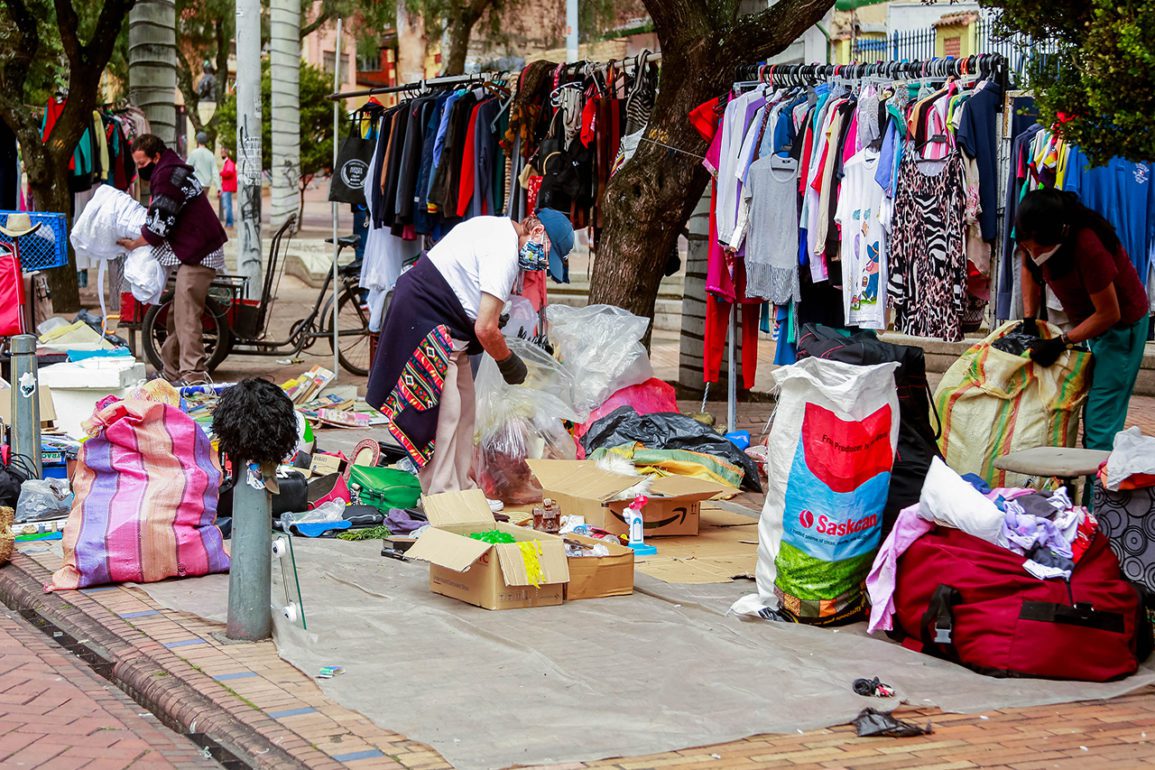
BOGOTA, Colombia — The purchase and sale of used clothing has trended amongst street vendors in the busy city of Bogota. These vendors use various display strategies to showcase their garments and attract the attention of passers-by.

Reportedly started in the 1950s, Bogota’s used or recycled clothing market gained popularity among sellers and buyers, particularly during the pandemic. In addition to making fashion more accessible, it creates informal job, generating income sources for residents. This becomes especially necessary in the current, difficult unemployment situation in the country.

The prices of used clothing remain more affordable. The market also contributes to environmentally friendly practices while extending the life cycle of the garments. Opting for circular fashion (using secondhand clothes, i.e.) prevents clothes from quickly ending up in waste. Furthermore, the maintenance costs of secondhand clothing are lower compared to the energy and economic costs of producing a new garment.

The evolution towards a used clothing market requires a change in consumption habits in society. Switching to the practice also involves adopting responsible and intelligent behavior that can impact the planet in a positive way.

All photographs by Carolina Sanchez Beltran.

Thousand Drums Carnival of Valparaiso celebrates Latin America’s multiculturalism

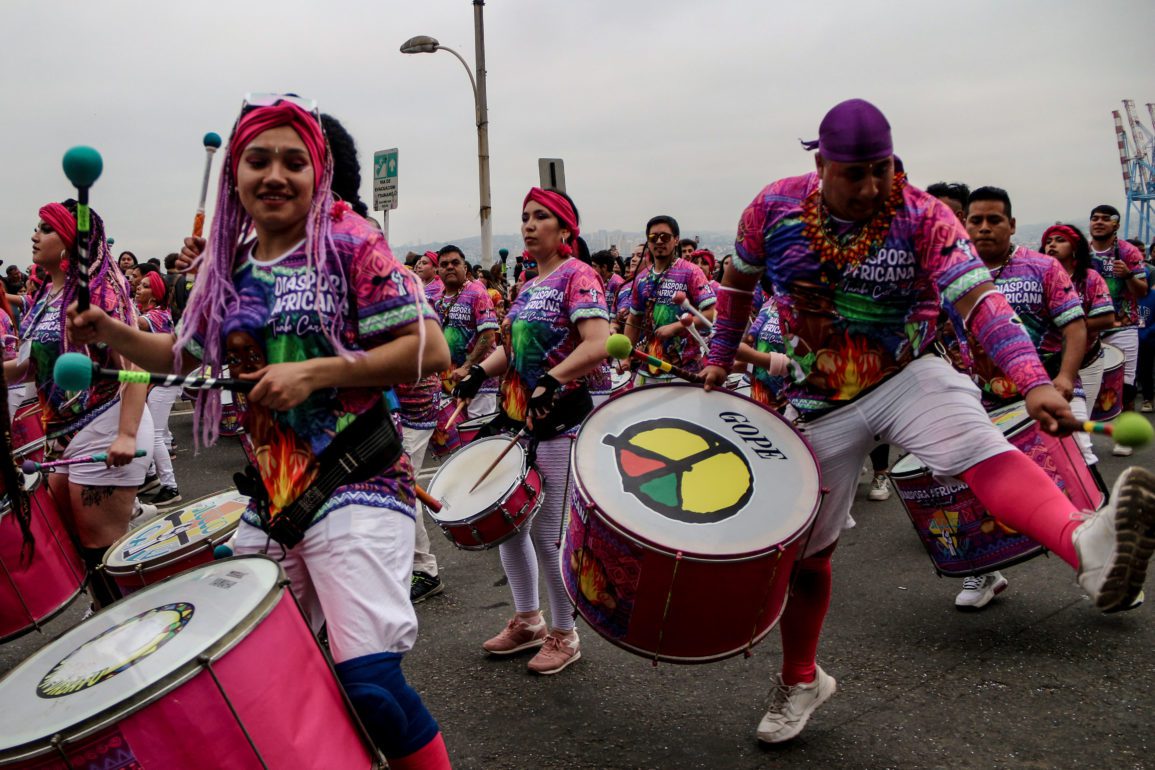
VALPARAÍSO, Chile — The Los Mil Tambores Carnival, or the Thousand Drums Carnival, remains one the most significant carnivals in the Chilean territory. Year after year, the iconic event takes place in the city of Valparaíso, which boasts an incredible heritage.

The carnival reflects the multiculturalism of the Latin American people through dance, music, and art. People at the event express themselves through music and dress, taking over the streets, and giving life and color to the city.

Hundreds of thousands of people and tourists gather to watch this beautiful parade. It comprises troupes, batucada, dancers, musicians, and cultural organizations. The different elements of the parade move along the main avenue, from Playa San Mateo to Las Torpederas.

The Los Mil Tambores Carnival returned this year after being shut down for two years due to the COVID-19 Pandemic. The festival saw attendees from various parts of the world as well as from around the country. Bringing together families, neighbors, and visitors, the beautiful event aims to unite the community in an artistic manifestation.

All photographs by Jorge Robledo Z.

International artisans take center stage at the Castilla La Mancha Craft Fair in Spain

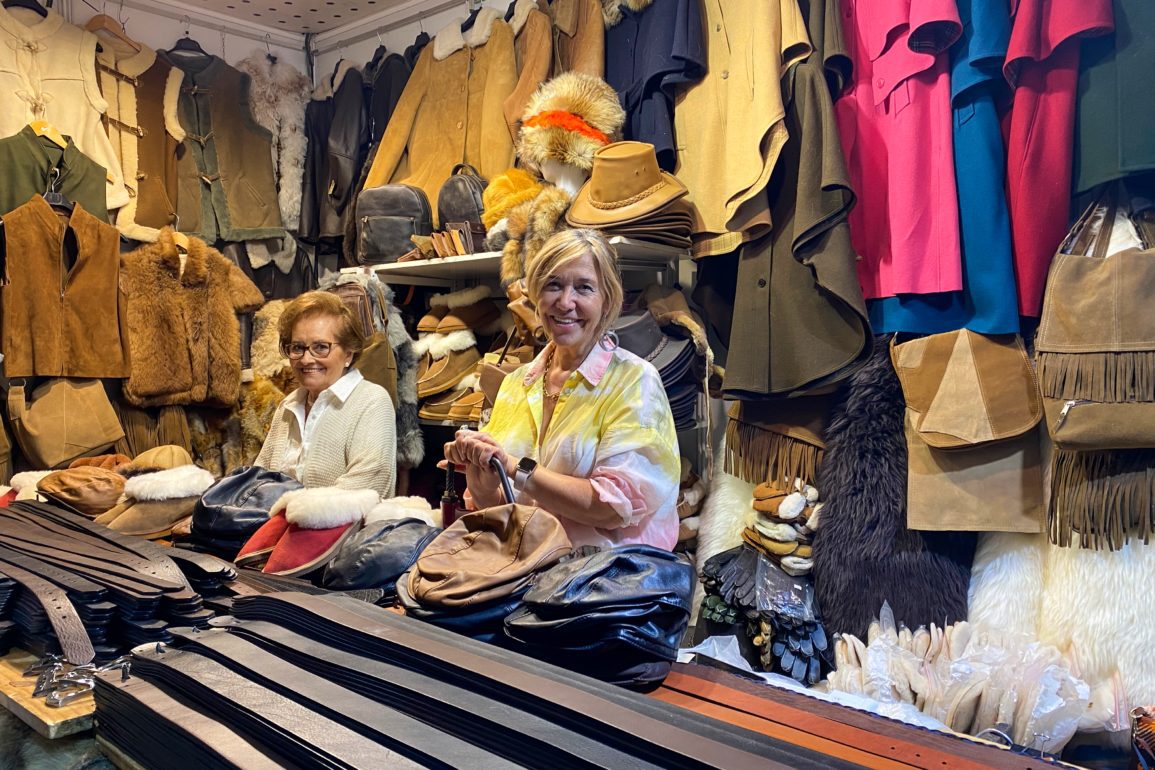
TOLEDO, Spain — Artisans from Castilla La Mancha and other regions of Spain exhibited their talent with handmade products at the Castilla La Mancha Craft Fair. The annual crafts festival took place in Toledo. In addition to Spanish regional handicrafts, countries such as Mexico, Puerto Rico, Portugal, and France also displayed their handmade products. The 40-year-old craft fair saw more than 140 artisans from various countries this year.

Each craftsman had space where, apart from showcasing products, some demonstrated how they made their creations. According to the Minister of Economy, Business and Employment, Patricia Franco, the six-day-long fair closed with more than 104,700 visitors.

The Artesanía de España collects the legacy of different civilizations over centuries. This involves exchanging diverse cultural experiences and products, thanks to the rich production of goods since prehistoric times in the Iberian Peninsula. Each of the regions that make up Spain preserves its own varied artisan culture shared between generations over time. This gave rise to a wide variety of globally recognized trades and products in the country.

Works in pottery, ceramics, glass, wood, leather, basketry, fabrics, lace, and different metals are highlighted. The work of Spanish artisans is voluntarily certified in different regions, authenticating their production. Every year, a wide range of these regional handmade products go on display at the annual craft fair in Toledo.

All photographs by Xochilth Rodríguez.

Antigua’s cultural diversity and colorful streets in photos

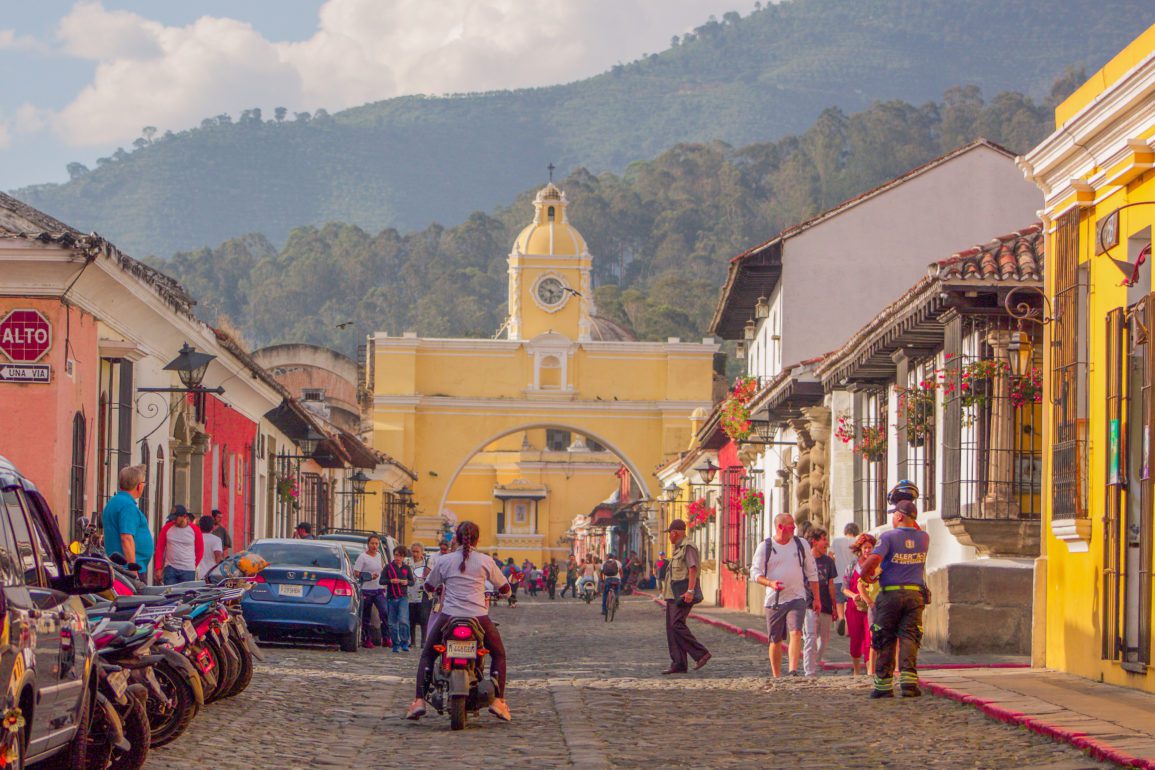
ANTIGUA GUATEMALA, Guatemala — Guatemala is a country full of cultural diversity. Standing as a testimony to its rich history and culture, the streets of Antigua in Guatemala feature colorful houses and tourist sites frequented by foreigners. Designated as a UNESCO World Heritage Site, Antigua showcases old-world architecture and ruins that are hundreds of years old.

Read more stories about World Heritage and cultural sites from Orato World Media.

The city has its fair share of monuments, churches, and sightseeing spots. The scenes from daily life all around give a glimpse of its cultural diversity. On the streets, you can see handicraft vendors. Dressed in their typical costumes, they walk with baskets on their heads, holding products for daily sale. Mirroring the colorful buildings of the city, most people dress up in vibrant shades and patterns.

Most women customarily carry their babies in “a tuto,” which means they are carried on their shoulders or backs. The well-known “Tuk Tuk” or motorcycle taxi, a means of transportation, does not go unnoticed in the streets of Antigua. A large number of motorcycles also take up the roads along with gentlemen selling delicious foods from carts.

All photographs by Amaranta.

Town submerged underwater for a quarter century, man lives alone amongst its ruins

Interview Subject
Pablo Novak, 92, grew up in Epecuén and can recall when the town was overrun with flood waters. He returned to his childhood home after it reemerged from the water years later and became its sole inhabitant. In January 2020 he was named a Cultural and Tourist Ambassador of the district. He has 10 children including three sons and seven daughters, 21 grandchildren, and seven great grandchildren. He rides his bicycle to closest town for supplies and food but otherwise lives alone amongst the ruins and greets tourists and photographers.
Background Information
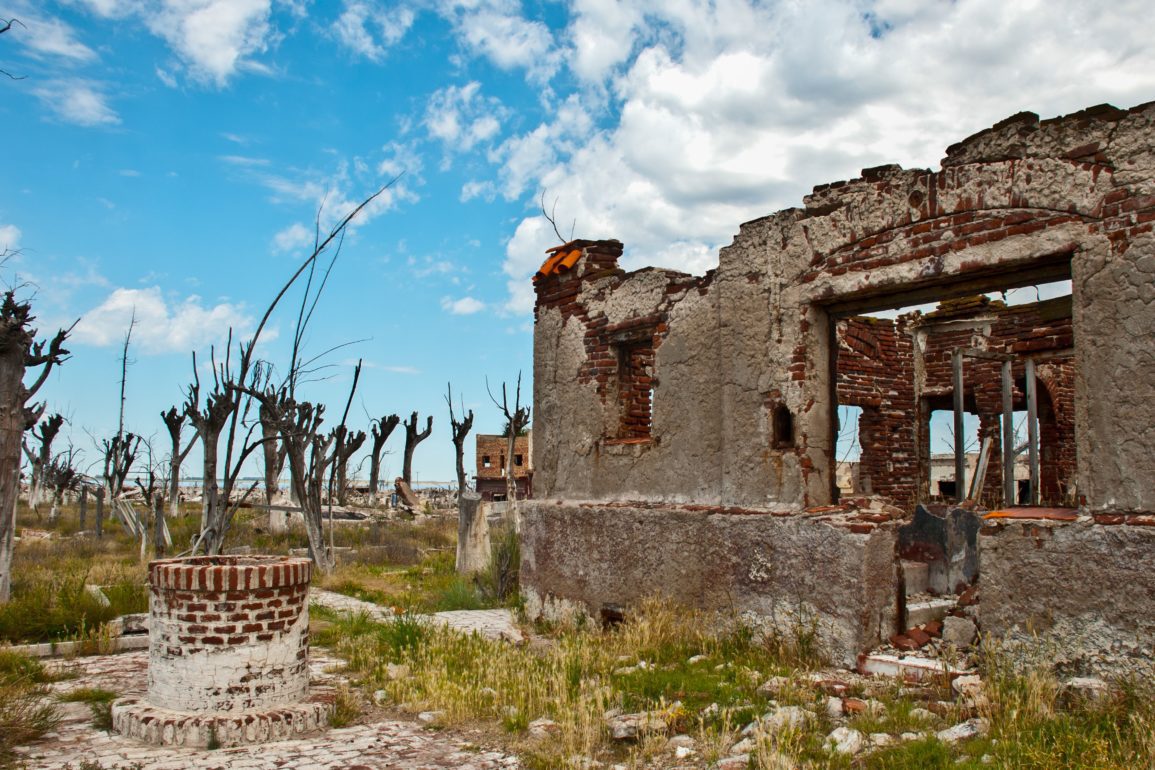
Epecuén is located 10 kilometers from Carhué, the closest inhabited town, and 530 kilometers from the Capital of Argentina. On November 6, 1985, a rare weather event broke a dam and overran a dike protecting the town. The water rose through the village and all 1,500 inhabitants had to flee. Sixteen hotels, 150 lodgings, 50 shops, and hundreds of homes disappeared and remained submerged under water for over a quarter century.
 
The water receded in 2009 and Epecuén has become a tourist attraction again, but for an entirely different reason. People say due to the large amount of salt and minerals in the region’s waters, the lagoon has favorable effects on skin problems like psoriasis and diseases such as arthritis and others.

EPECUÉN, Argentina ꟷ The elite of Argentina once visited [my childhood] village of Epecuén. They claimed the waters of the lagoon boasted medicinal properties comparable to the Dead Sea. Popular chronicles assured visitors if they entered the water with a cane, they would emerge healed.

Thousands of people visited from all over the country, until the day tragedy unleashed. I remember it clearly. On November 10, 1985, a few days after the start of the strong summer season, an embankment collapsed. [The waters from the Laguna Epecuén flooded the village rapidly, submerging the entire town for over 25 years.]

A quarter century later, the water level began to drop and recede. It revealed a place of dyed white, ruins similar to a war zone, and the ghosts of the past. I could not allow such a place to be left alone and forgotten.

Townspeople of Epecuén flee frantically as waters rush over their homes

I witnessed the birth, glory, agony, death, and resurrection of my beloved Villa Epecuén.

As a young man, my father left his birthplace of Odesa, Ukraine to escape harsh military service. He traveled for two years as a stowaway to get to Argentina where he met my mother, Paulina Olsman. A hard-working family, I vividly recall selling eggs as a small child.

Read about more unique cultural and tourist sites throughout the world at Orato World Media.

Over time, I learned my father’s trade and helped build bricks. Looking around the town today, amidst the rubble of infrastructure, Novak bricks lay everywhere. In 1978, the Hydraulic Directorate built a horseshoe embankment to protect the Villa. The five-meter-high artificial barrier allowed us to work for many seasons.

It seemed to address a problem. In our sector, water came in but had no way out. On that fateful day in November 1985, tragedy unleashed. The embankment collapsed and hypersaline water advanced toward us in a threatening manner. Chaos ensued.

We had no controlled evacuation plan and people began running with no direction.  A sense of helplessness filled the air as I heard the screams and saw the tears. The 1,500 inhabitants of Epecuén took whatever they could. I watched as they tried to find their way out holding their belongings.

Man returns to the ruins of his childhood home, watches a new type of tourism emerge

In 16 days, entire families abandoned everything they had, looking on helplessly as the waters – once our sustenance and joy – became an enemy impossible to fight.

[When the waters receded and Epecuén reemerged more than 25 years later] I looked on with nostalgia. My treasured memories reminded me of my love for my hometown. I could not leave it’s warmth and beauty behind, so I decided to return.

I settled down about 600 meters from the welcome gate to the ruins. Once there, I rode my bicycle to Carahué to stock up on food and other items while enjoying the sun and the trails. Twice I had to leave Epecuén – once after an accident that left me hospitalized and then during the worst of the COVID-19 Pandemic.

I am once again living alone in my beloved hometown. Slowly, the ruins attracted the attention of photographers and tourists. They felt fascinated by its history and unique landscapes. Today, Villa Epecuén serves as a tourist destination. I have been here to witness the ride. This time, it gained popularity not for its miraculous waters and beauty, but for its past and the remains of its ruins.

Photos of Epecuén courtesy of Jaime Andrés Olivos. Photos of Pablo courtesy of Nai Pronsati.

Interflora holds Best Artisan Florist competition in Toledo, Spain

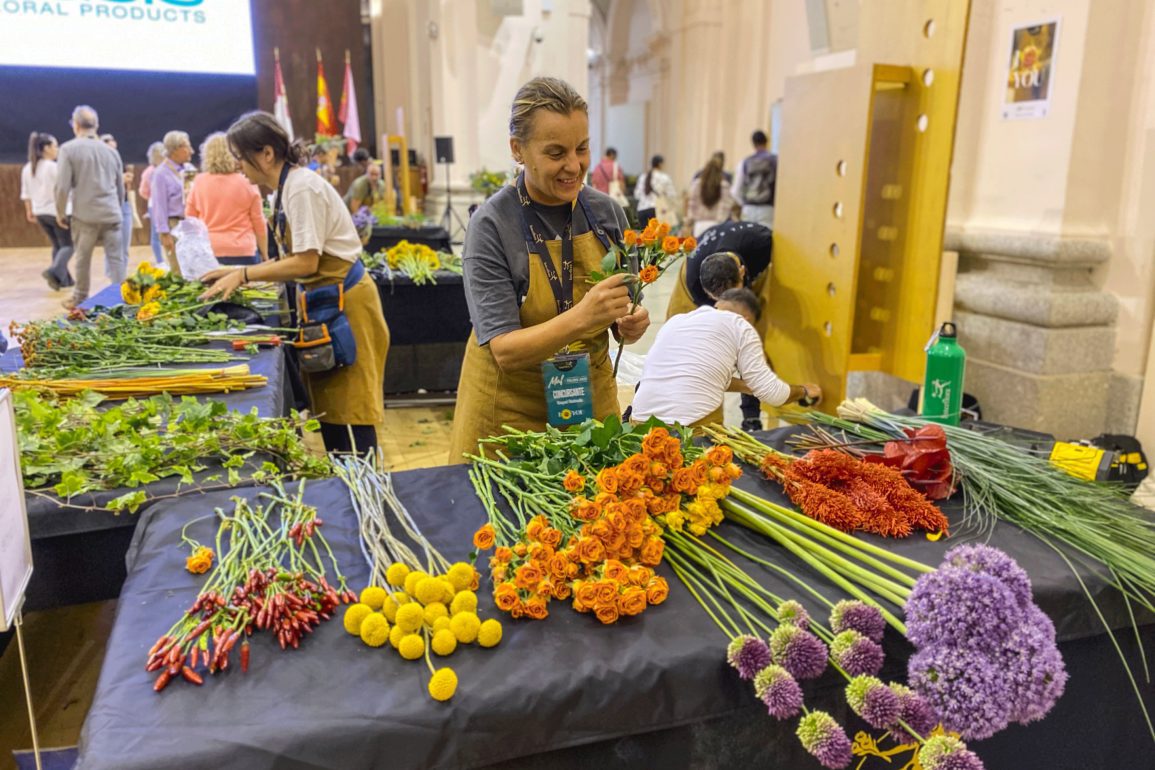
TOLEDO, Spain — Highlighting the trade of floristry and the talent of artisans, Interflora organizes the Best Artisan Florist of Spain (MAF) every year. Hosted by different cities each year, MAF 2022 – the seventh edition of the event – took place in Toledo. Interflora along with Toledo City Council put together the event. MAF 2022 saw 24 participants competing and putting their knowledge and creativity into practice.

Each contestant had to complete 10 challenges with established time limits. The competition lasted for four days, from September 28 to October 1. The competitions included individual and group activities, with surprise elements that each florist had to overcome.

The city’s inhabitants and tourists who traveled from across the country enjoyed the floral landscape that adorned the space.

The florist Patricia Aguín won the contest, not only surprising the judges at each level but also showcasing her ability to create unique floral arrangements for different events. She found her way into the 10 qualified semi-finalists and then among the five finalists.

In September 2015, Interflora organized the first edition of the annual Best Artisan Florist. It began with the purpose of highlighting the profession of florists and the floral sector in Spain. The competition is open to the public. For four days, the competing florists face the floral work-related tasks set by the organization. At the end of the contest, the title of Best Artisan Florist of the year is awarded. The initiative has the support of schools, training centers, wholesalers, producers, gardening centers, importers, and various companies.

All photographs by Xochilth Rodriguez.

Stunning images capture the heart of the Tango Festival & World Cup

BUENOS AIRES, Argentina — The Tango Festival & World Cup is the most important event of its kind on a global level. Featuring weeks of activities related to Tango, the event sees couples coming from different parts of the world. The festival’s19th year took place in September 2022. Dance enthusiasts came from countries such as Uruguay, Chile, Colombia, Russia, the United States, Italy, Brazil, China, the Philippines, Germany, Bolivia, Mexico, Japan, and Venezuela to compete for the throne with the best exponents of the discipline.

Read more stories about arts and culture from around the world at Orato World Media.

For the first time after three years, all the couples were present in person at the final. In 2020, due to the pandemic, the World Cup was held in virtual format. The next year, they used a hybrid modality so that participants from more distant places could compete by video.

This year, out of 562 couples, 60 selected finalists got to show their art in front of around 20,000 spectators. The stage, set up outdoors, had the Obelisk, a Buenos Aires icon, in the background. People watched it online as well, through different web platforms. Lasting five hours, the show included live performances by over 80 artists, captivating the audience.

The Tango Festival includes two categories. In Tango de Pista – with feet on the floor and a sustained embrace, danced in milongas – 40 couples competed for the title. In Stage Tango, which involves choreography along with pirouettes and skills, there were 20 finalist couples. These couples hailed from Argentina, Russia, Colombia, Holland, Japan, and Italy. Sebastian Bolivar and Cynthia Palacios won in the Tango de Pista category. Ricardo Astrada and Constanza Vieyto came out as winners in the Stage Tango category.

All photographs by Jaime Andrés Olivos.