NEW DELHI, India – The city of New Delhi’s waste management efforts depends on the efforts of a large workforce, the majority of whom come from the informal sector. New Delhi’s “ragpickers” often work as unregistered employees in insecure jobs. No established safety procedures or protective equipment exists to shield them from risk. They frequently get sick and have no coverage in the healthcare system.
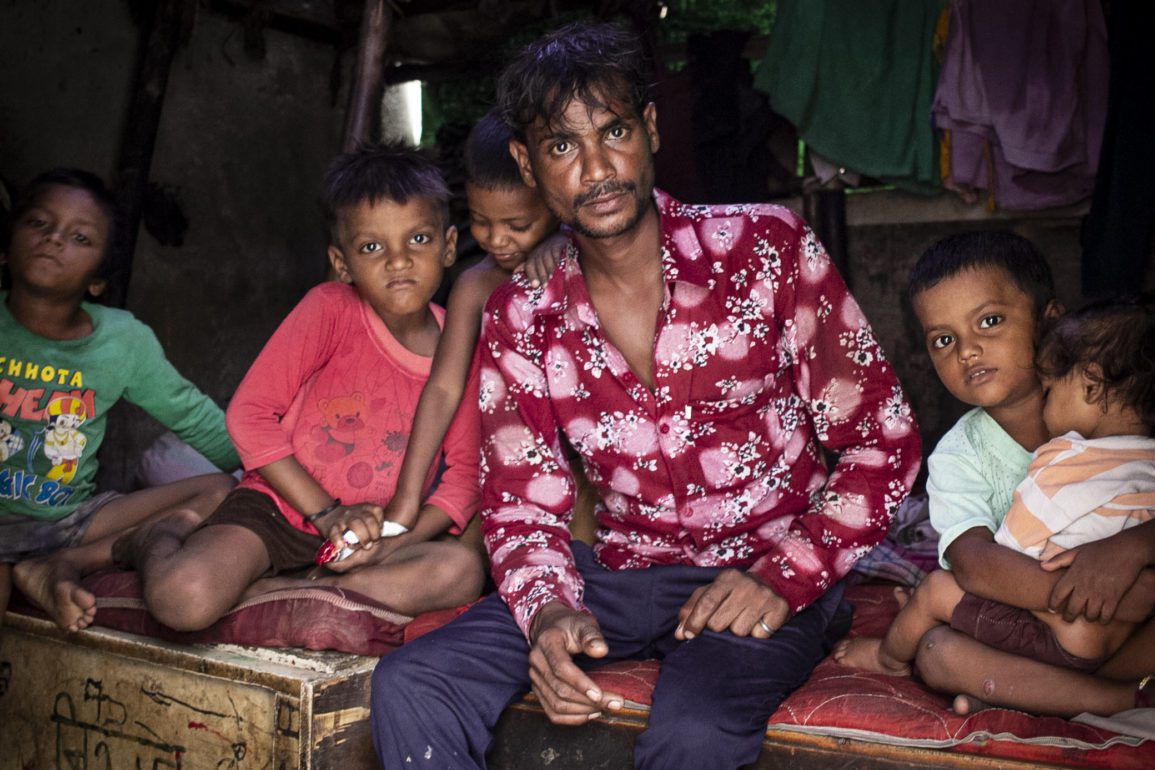
At a waste management facility in Uttam Nagar, west of New Delhi, working conditions proved deplorable. Ashok, 34, began working as a ragpicker young and resides not too far away. A shack made of bamboo sticks and tin sheets, with the kitchen on the front porch, makes up his home. He lives with his wife and five children. He says he shall do everything he can to provide for his kids and educate them.
Business Insider covered this epidemic in a recent video, shared from YouTube.
According to the workers in New Delhi, they start their day at 5:00 a.m. and conclude at 6:00 pm. They pay the contractors 5,000 rupees per month just to gain access to the waste coming into the plant. From there, they pick through the garbage for sellable items and pawn them. A desirable item can garner an average of 250-300 rupees. The monthly income of a ragpicker ranges from 10,000 to 15,000 rupees. This is the equivalent of $121 to $181 U.S. dollars.
From this, they pay rent, feed themselves and their families, celebrate festivals and buy toys for their children. The workers demand to be recognized officially. They seek the status of permanent employees and acknowledgement for their lifetime of service. Being officially recognized would also ensure job safety and a steady source of income.
All photos courtesy of Saurav Kumar Mishra and Shivam Khanna
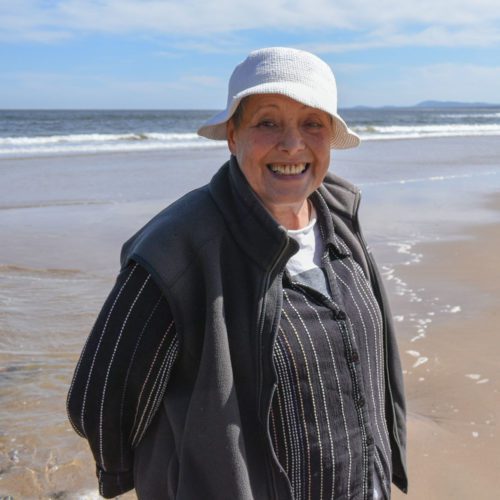
Griselda Maymó, a 71-year-old mother of three, grew up in Argentina but spent summers at Punta Ballena beach in Uruguay. She works as a plastic artist and a history professor at the National University of Buenos Aires. In her work, she manufactured acrylic bags and restored paintings. When her family’s summer home was sold, we moved into a cave on the beach and using her artistry, transformed it into one of Uruguay’s prized cultural heritage sites. Today, she resides in a house in Punta Ballena and still oversees Casa Escultura, where she teaches workshops and gives tours.
Background Information
In 2006, the plastic artist Griselda Maymó acquired the rights of possession for a cave on the beach in Punta Ballena, Uruguay. She began the construction of Casa Escultura as it is currently known. Further information has been published in the book “Casas Con Encanto en Uruguay” by María Noel Maisonnave on page 80. In addition, the heritage home appeared in the film ‘El Presidente’ by Armando Bo. The consecrated sculptor Daniel Escardo lived momentarily in Casa Escultura and was the one who baptized it with that name.
Prior to becoming Casa Escultura, the cave was used as protection from inclement weather. It was a refuge for charrúas, castaways, fishermen, and peasants. Darwin visited it in 1835, Don Antonio Lussich bought the surrounding land that included the cave in 1896.
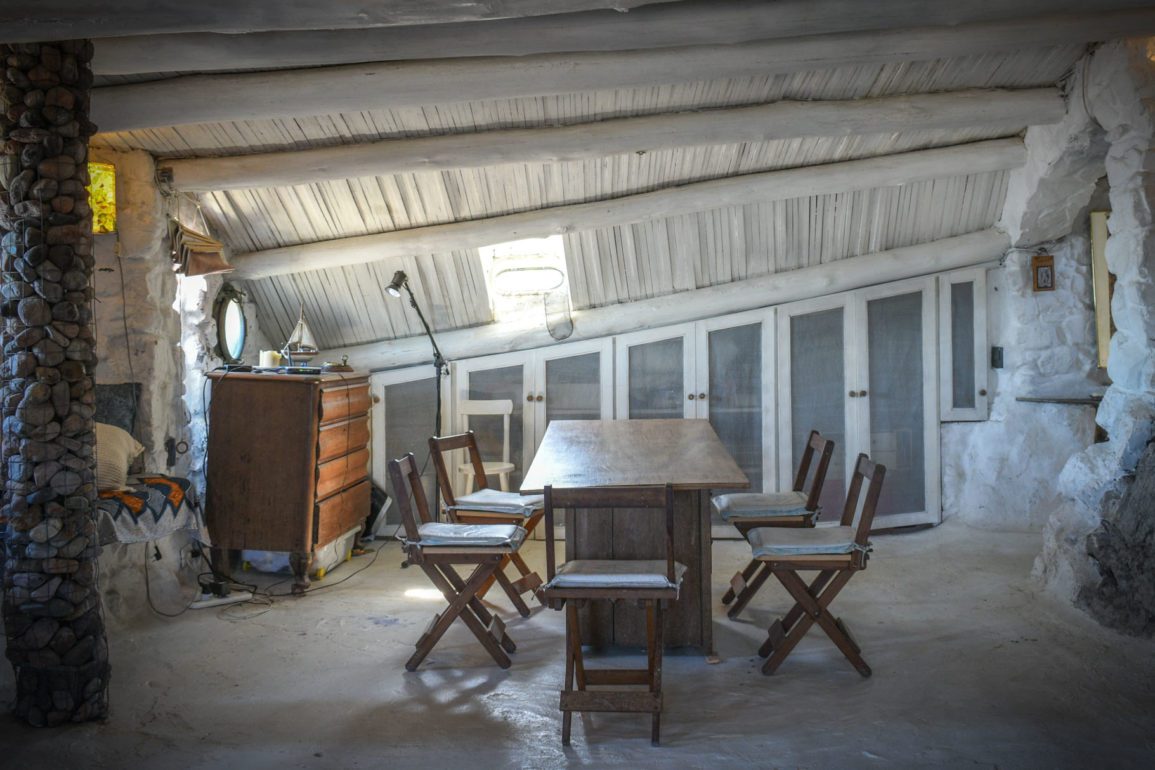
PUNTA BALLENA, Uruguay – At the age of 55, I moved into a cave on the banks of the Río de La Plata. As a plastic artist, I remodeled the cave to camouflage it amongst the rocks. Now, if someone stands outside and looks at the cave, they cannot see a house. This place – called Casa Escultura – has been designated a cultural heritage structure of Uruguay. Today, I provide tours so people can enjoy the space and the beautiful beach at Punta Ballena.
Couple buys cave from fisherman, launches unique project
Sixteen years ago, my mother sold the family house where we spent the summers in Uruguay. We bought the house when I was very young at an auction. I spent my whole life on that balcony embracing the gentle touch of the sun’s rays, a warmth that filled my soul. The view of the house gave me a reason to live, but at 55 years old, I received a notification they would sell the house. I no longer had my reprieve.
Due to my finances, I thought I may never have a place to go back to in Punta Ballena. However, when one door closes, another opens. The day we signed the sale of my mother’s house, my heartbeat slowed in my chest. Giving away part of my life left me with a pit in my stomach.
I wandered down to the river with tears falling from my eyes as I felt nature’s embrace one last time. I said my goodbyes. During those moments, a fisherman who knew me as a child approached. He reached out to touch my shoulder and asked, “What’s wrong?”
Between my sobs, I told him, “I will not be coming back to Punta Ballena anymore, this sun, this sunset… Whenever I am going through hardships, this place is what I need. I close my eyes, and picture myself here. It is the light of my life.”
He looked at me, and without much preamble, he said he would sell me his fisherman’s cave. Just like that, I bought the cave as if someone would buy the Obelisk of Argentina.
A dark cold cave becomes a home full of cultural pride
The first time I walked into the cave, nothing could be seen – no lights, water or gas installations, and no door. I kept my arms outstretched to feel the walls and textures because I had no idea how spacious it was. At the same time, the rest of my senses erupted.
The cold felt intensified, and the sounds became acute and echoed, while the smells grew stronger. I quickly became sensitive to touching the surfaces and calculated the dimensions of the space with my hands, counting long steps so as not to collide with anything. My body lived a uniquely powerful experience.
That same day I improvised a door with a grille that a friend got rid of and placed a nylon sheet up to prevent the wind from coming in. Despite the shortcomings, the first couple of days, I felt how the waves cradled me. Despite lacking most things, it was a wondrous feeling to get up and have that view that made me so happy.
Little by little, with things my friends threw away while remodeling their houses, I started putting together my home. I had to consider many possibilities. For example, the river could oxidize certain materials. I did not want to interrupt the natural structure of the cave. I had to contemplate the waves breaking against the rocks and how they could affect the construction. My ingenuity had to expand adapt the space without disturbing the natural order.
I had a month to make all the necessary arrangements. Fortunately, I did not have to sleep there every night as the new owners of my mother’s house did not move immediately. Slowly, my cave turned into a livable home.
Despite natural hazards, cave brings meaning and wonder to artist’s life
One day, along with my partner Ricardo Mylberg, we sat in the kitchen and witnessed water coming in from under the door. I felt my heart sink worrying I could find myself trapped like a prisoner against the wall. We sped upstairs to take refuge for the night. The next day we realized rocks blocked the entrance leading to the ground floor. We felt relief.
Often, we catch sight of gigantic storms, where the lightning draws different shapes. Other nights, we see a sky full of fireworks and stars. It is a privilege to experience such demonstrations of immensity. One day, the river washed ashore a gift, the most meaningful object in the whole house: a heart-shaped stone. Today, it decorates the original structure and reminds me of how wonderful nature is.
After 14 years of living in the cave, we received a trial notice from the mayor’s administration. We had a document for the ‘possessory rights’ we signed the day we bought our cave for 1500 dollars, giving guarantees that it was in good faith and I didn’t want to own the property. I simply wanted to be able to live in it to enjoy it. That tiny piece of paper ensured justice. While the property belonged to the administration, we could take care of it and enjoy it on a “loan” basis.
The trial lasted 10 years. Since then, we moved nearby but remain caretakers of our cave to contribute to the culture of Uruguay with art workshops, photography, painting, and sculpture exhibitions. We also provide tours of the cave so people can enjoy the wonderful experience of hearing the river lull them while they drink mate.
Once again, life invites me at the age of 71 to artistically think of new ways to give unique experiences to visitors to Punta Ballena beach. Though 16 years ago, I thought I would see Punta Bellena for the last time, I continue to take advantage of its beauty.
All photos courtesy of Sabrina Ramirez. Story written by Carolina Ana Leguizamón.
MANILA BAY, Philippines – The best view to watch the sunset near Luzon in the Philippines remains Manila Bay. The views in Manila City or Pasay City remain breathtaking. However, the waters of Manila Bay are changing. Now, climate change and rising sea levels endanger residents along the coastline.
Sea water now covers the shorelines of Roxas Boulevard where sand used to be. Ships and large boats come closer and closer to shore. Homes remain most impacted by rising sea levels. Residents living at the BASECO compound now experience flooding regularly due to the strong high tides during dry season.
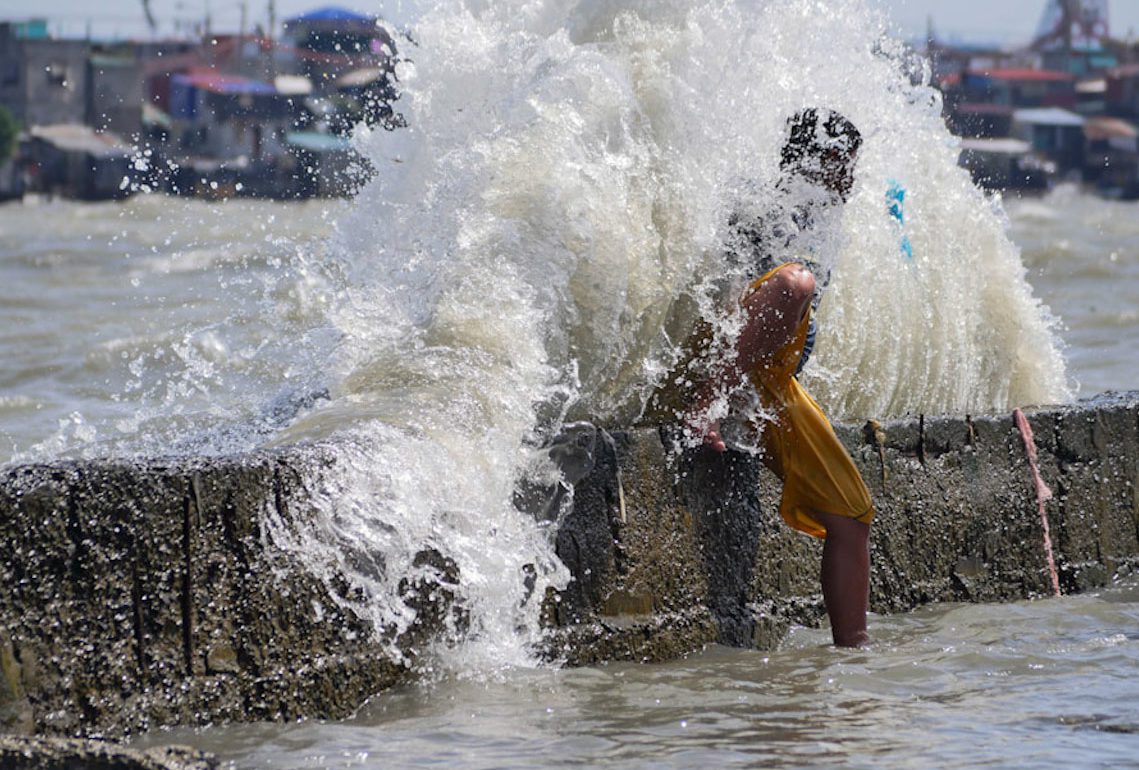
The residents who live where the Pasig River meets the waters from Manila Bay say it worsened last year. The sea wall protecting the compound no longer protects them when big waves crash against the wall.
Manila Bay covers more than just the Metro Manila area. The municipality of Obando in the province of Bulacan also sits at the shoreline of Manila Bay. However, there is little shoreline left. The community of fisherman at Obando always enjoyed life around the bay. They remained protected by water from well-developed dike. Now, the flood gates at the dikes can no longer hold back the sea water.
One gate already collapsed. Residents try their best to keep water from coming into their homes, but they usually fail. In June 2022, a few days before their regular festival, news spread of the flooding. The festival includes a parade of boats along the Muzon River. This year, the river was swallowed by the sea.
People who live in Obando, as young as their late 30s, remember walking on wetlands. Those wetlands separated the river from the bay. They have since disappeared. The dikes such as Salambao have submerged and cannot protect the barangays or small villages. Concrete homes on stilts that stand above sea water replace older bamboo and wood homes. The older homes collapse under the onslaught.
Additional background on climate change in the Philippines
Manila Bay connects oceans around the South China Sea. The bay gave birth to Manila and the Philippines. It became a gateway to socio-economic development during the Spanish Colonization and now serves many industries. Manila Bay is dominated by the fishing and shipping industries as a natural harbor. The strategically located Port of Manila serves the metropolitan and neighboring regions. The provinces and municipalities around it take advantage of the natural resource.
Dr. Marcelino Villafuerte is a Philippine Atmospheric, Geophysical, and Astronomical Services Administration (PAGASA) scientist and weather specialist. He warns that the climate crisis worsens weather conditions through global warming. This triggers erratic natural events such as heavy rains, longer droughts, water shortage, and rising sea levels. Dr Villafuerte pointed out an increase of 0.68 degrees in average temperature in the Philippines in the past 65 years. This creates a warming rate of about 0.1 degrees Celsius (°C) per decade.
The National Ocean Service published an updated report from 2017 to 2022. It stated sea levels are projected to rise 10 to 12 inches (0.25 to 0.30 meters) on average from 2020 to 2050. The rise in sea level will create a profound shift in flooding the coastline in the next 30 years. Local factors and conditions intensify the coastal flooding, which varies from geographical locations.
Rosalina de Guzman is the chief of the state weather bureau’s climate data section in the Philippines. She stated that the sea level rises three times faster than the global average based on the PAGASA report. Using satellite data between 1993 to 2015, the Philippine Sea increased from 5.7 mm to 7 mm as an average annually. Now, the sea level has risen to 120 mm or near 5 inches in almost 20 years.
KOLKATA, West Bengal, India ꟷ Millions of people left their houses this year to view the colorful representations of the Goddess Durga during the country’s 2022 Durga Puja Festival. Images of the Goddess made of clay, metal, and fiberglass rose out of bamboo structures, covered in ornamental materials.
The Durga Puja festival serves as a celebration of conventional culture and humanism. The pandal hoppers (local people who wander from shrine to shrine during the festival season) delighted in the novel themes and distinctive images.
The festival ran from October 1-5, 2022, with events organized by individuals and communities. Puja, which dates back centuries, is still performed at the homes of zamindars or landlords. The deities celebrated remain encrusted in gold, silver, and diamond jewelry.
Preparations for the autumn festival began more than eight months ago. A main attraction this year included a replication of the Petronas Towers in Malaysia, built in the Kalyani’s Nadia district. Additional attractions included a 60-foot-tall fiberglass idol at Srirampur in the Hooghly District and an idol sculpted of brass metal in North Kolkata.
On Dashami, the final day, when the Goddess departs from Earth for her heavenly residence in Kailash, the married ladies congregate in the pandal to apply vermillion to the Goddess’s face and feet with betel leaves and then partake in “sindoor khela” (game of vermillion). The women daub the vermillion on each other’s faces. In order to immerse the deity in the River Ganga, they remove it from the pandal and lower it into the water to the beat of the drum, or Dhak. With the hope that the Goddess will appear again soon, the celebration came to a close.
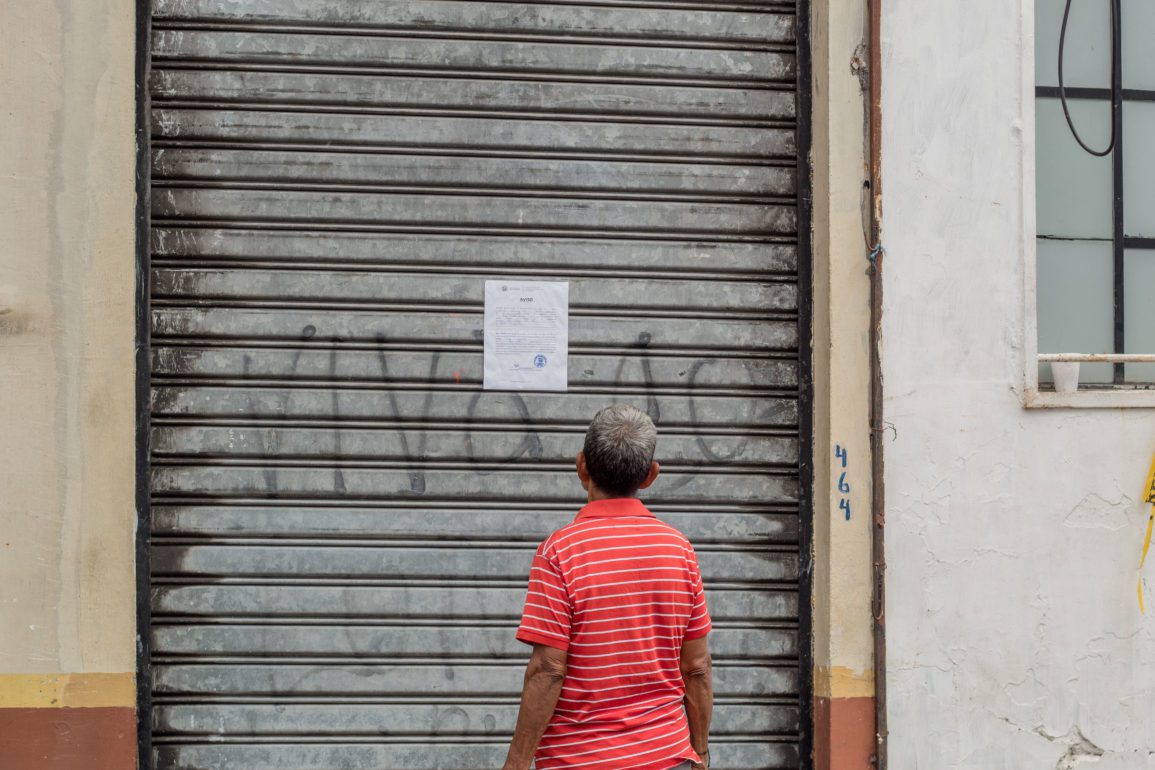
SAN SALVADOR, El Salvador — As the government of San Salvador revitalizes the Historic City Center and constructs a National Library, self-employed street vendors become forcibly evicted. In April, the mayor’s office evicted more than 2,000 vendors. A new announcement from the mayor points to the removal of another 500 vendors.
The National Library project came as the result of a promise made by the People’s Republic of China in 2019. President Xi Jinping committed to building the library and a stadium. He also entered tourism agreements when El Salvador changed its public allegiance from Taiwan to Beijing.
Now, the streets that housed hundreds of vendors for years remain empty. The San Salvador mayor’s office says it reached an agreement with the evicted vendors. However, the government failed to share a clear plan for the vendors. The vendors demonstrated with posters stating they were not withdrawing willingly. Some reports claimed vendors had to vacate in a day of the announcement.
Projects receive resources from China
Back in March 2022, El Salvador implemented an Exception Regime. Akin to martial law in some countries, it seeks to battle increasing homicide rates. Some vendors held posters saying citing threats made by the regime to forcibly remove them. While the Exception Regime initially had a 30-day expiration, the government has renewed it five times.
According to the Human Rights Commission, multiple agencies “have raised concerns about human rights violations.” They directly cite the implementation of the state of exception.
The Chinese-funded National Library represents one of several cooperation projects with Bukele’s government after the meeting with the Chinese President. Bukele met Xi Jinping in Beijing in December 2019. Government officials said the old building led to constant loss of books and archives. In addition to the modern library, China has donated the resources to make a tourist pier in La Libertad. They also provided resources for a national stadium and a water treatment plant on Lake Ilopango.
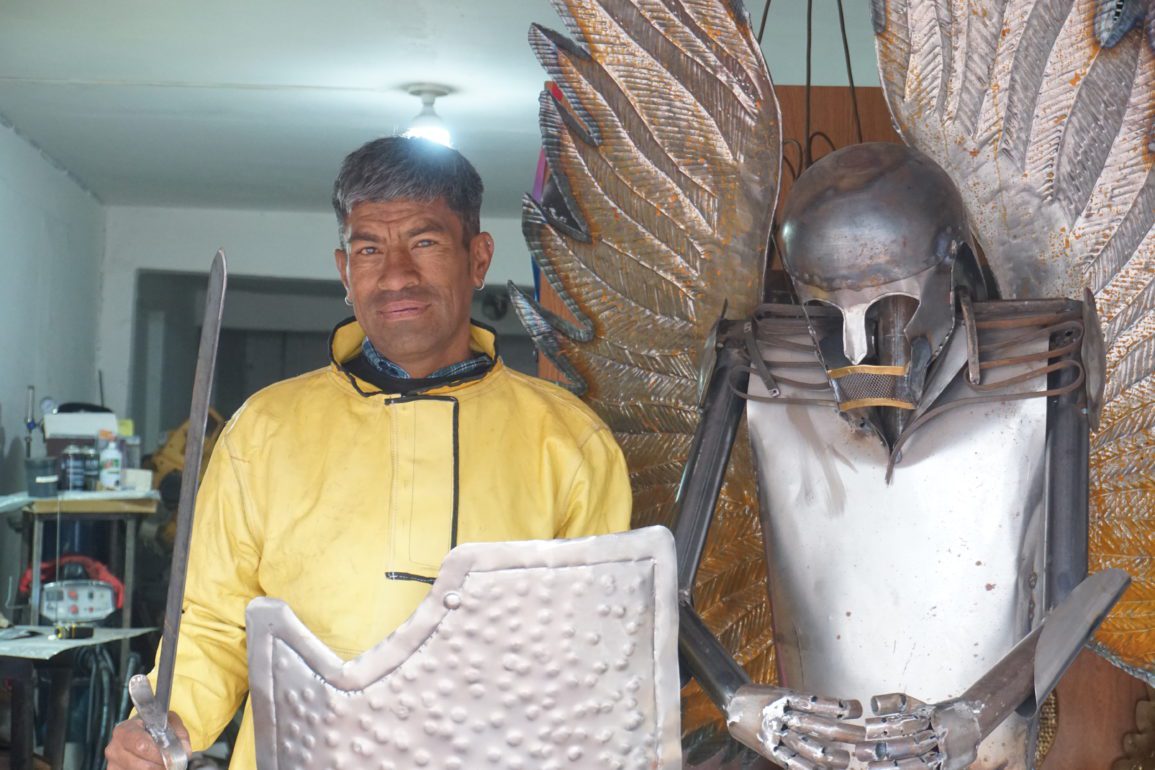
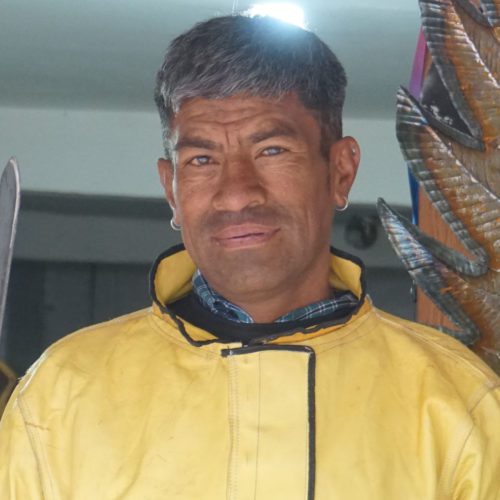
Óscar Andrés Capera Castillo is a blacksmith born in 1975 in the city of Bogotá, Colombia. He is a metal craftsman, and his workshop (in the San Felipe neighborhood) is where imagination and creativity transcend through metals. He works with models such as dragons, armor, and swords, inspired by video games and anime dolls. He offers rustic designs as well and is passionate about what he does.
Background Information
Bogotá, with a population of 7.9 million in the year of the Pandemic, witnessed the gradual disappearance of the craftsmanship of metal. It was during this time that the innovation of some of these workers emerged.
COLOMBIA, Bogotá ꟷ Mortal Kombat proved one of the most popular video games of the 1990’s. I remember liking their dragons, armor, and the Goku chapters among others. Since childhood, dragons fascinated me and getting older did not dim my interest. Now, as a blacksmith, I recreate dragons and armor through metalwork.
For one of my first blacksmith jobs, I designed and created Gohan’s dragon from Dragon Ball. It became an iconic moment in my life. The dragon measured 25 meters (82 feet) tall and three meters (nearly 10 feet) in diameter. I put it together in Zona T, Bogotá [an upscale area in the city that is very popular with foreigners].
Metalsmith enjoys experimental, creative workshop
From a very young age, my brother and I felt passionate about industrial mechanics. We began working with precious metals like gold and silver. However, as time went by, the region experienced a crisis, and the material became more and more expensive. We decided to work in metallurgy and began creating basic designs. Gradually, based on the clients’ requirements, we progressed to cutting-edge designs.
For me, my gratification comes from witnessing the client’s satisfaction. When I design, I imagine every piece in my mind first, then my hands take over. With the right tools and materials, I bring my artwork to life, exactly the way I thought it would be.
The process makes me feel whole. It gives me the freedom to work as I wish, according to the project. Every day, I rediscover my potential and investigate new creative forms. I come up with new silhouettes and try to improve with each project I work on.
I addition to armor, maces, helmets, swords, and medieval daggers, I create rustic decorations. This includes fireplaces, flowerpots, and chandeliers. Our space becomes a creative experimental workshop.
Throughout my career, I worked on the homes of some popular Colombian artistes like singer-songwriter Carlos Vives, and the musician, Juanes, among others. I want my projects to be recognized not only the San Felipe neighborhood, but in cities like Cartagena since tourists value this kind of work.
For metalsmith, the work remains sacred
One day, my wife gifted me a motorcycle. I disassembled everything and rebuilt it in the form of a dragon. When I rode with my son through the streets of Bogotá, everyone wanted to take pictures with the motorcycle. I could see everyone’s amusement as their eyes locked on my striking creation.
I sold the motorcycle and now, I’m working on an improved one. In 10 years, I plan to do something that exceeds my own expectations – I will build a dragon truck. I plan to approach the process very professionally.
My children really enjoy my work. Sometimes they come to the shop and help me. They make little metal fishes and other things. Although they have some knowledge of metalsmithing, they have dreams of their own. Of course, I support and respect them.
As a metalsmith, I claim this work, from the foundry to the curves to the chisel. Not everyone has the opportunity to master the art of metal. For me, the work is sacred.
SAN SALVADOR, El Salvador ꟷ Salvadoran coffee took first place in 2021 in The Cup of Excellence, promoted by the Alliance for the Cup of Excellence or ACE. The coffee from this region remains recognized for its incredible quality.
One producer of the coffee includes a farm located in the San Salvador volcano region, on the slopes of the Picacho hill. El Ciprés, called Los Cipreses by locals, sits between the municipality of Nejepa, Quezaltepeque, and San Salvador. At a height of 1,931 meters above sea level and few kilometers from the capitol, it remains a treasured producer of coffee.
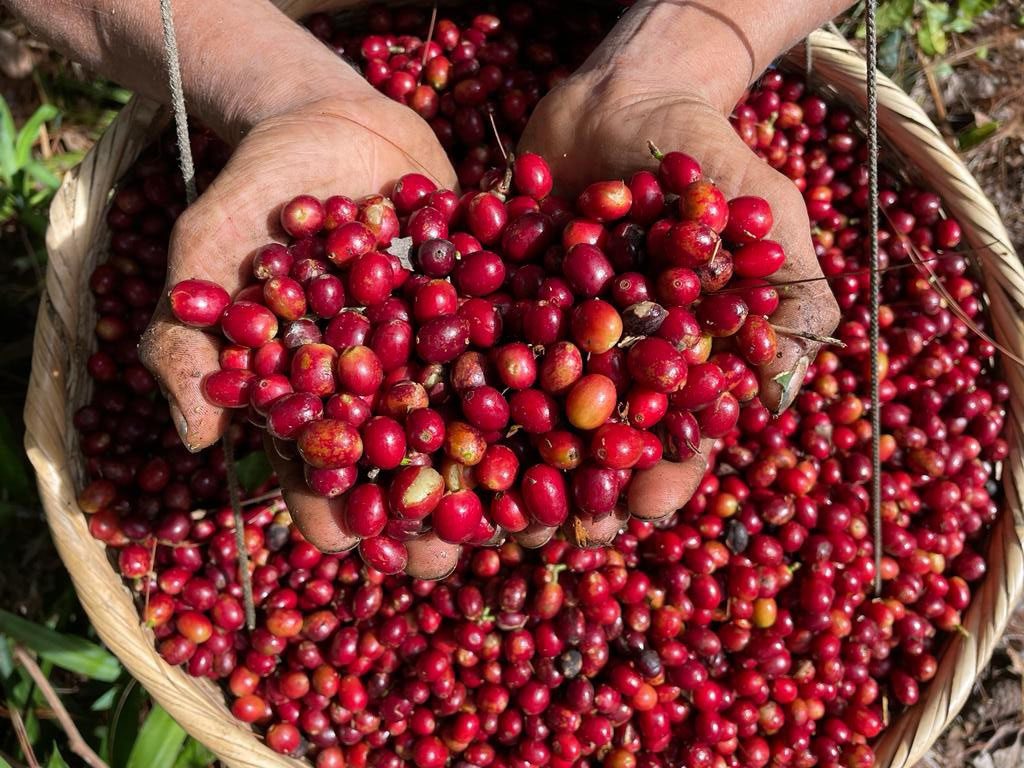
Coffee cutters earn three dollars per full bag, so entire families work to take advantage of the harvest season. The coffee cutters work hard while shelling each branch of the coffee while they laugh, talk, joke, and eat. Soon their baskets gradually fill with the bright red grains bathed in honey from the trees.
Peasants work amongst the red-gold grain on the Los Cipreses farm. The grain harvest date begins in October and ends in mid-March, and it is estimated that during those months some 800,000 quintals can be harvested in the area. Coffee cultivation is one of the main sources of employment in rural areas. El Salvador exports an average of 1.5 million quintals to the main coffee-consuming countries.
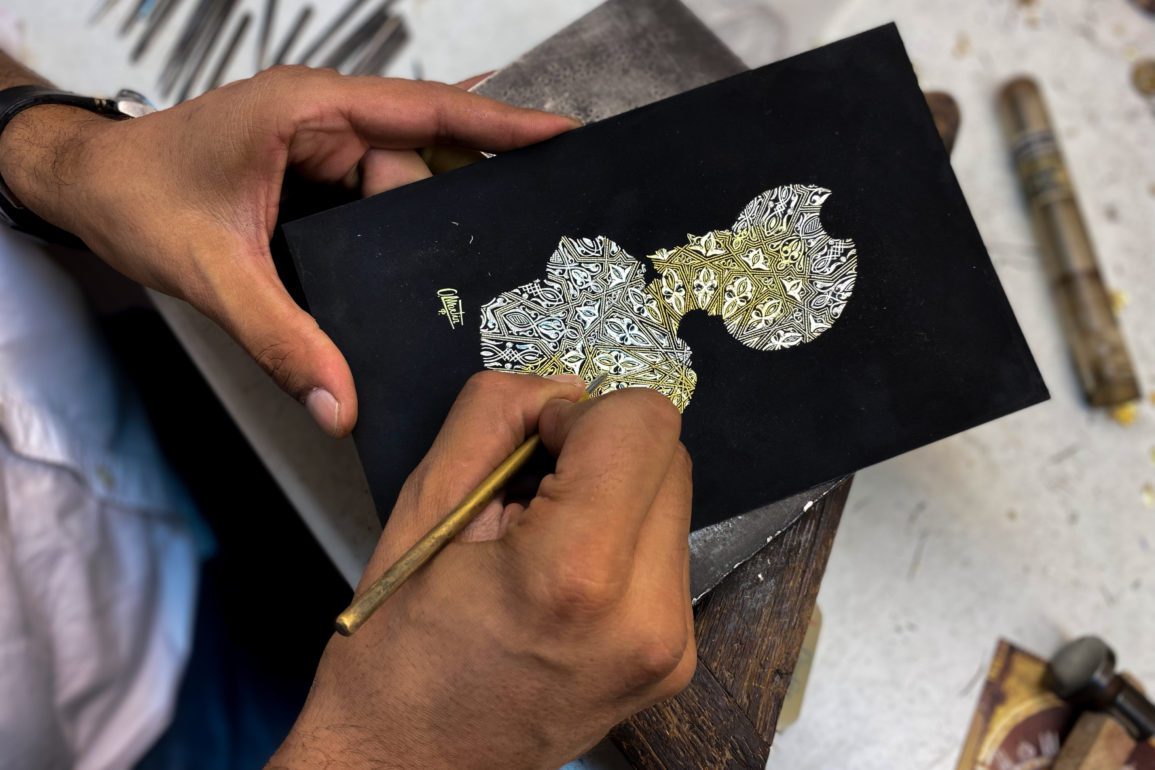
TOLEDO, Spain – Óscar Martín serves as a master of damascening, the art of inlaying different metals into one another. He prepares his chisel and hammer, after hand drawing the design he will capture on a piece of iron. Inside the piece, where he makes small bites, he inlays noble material like 24-carat-gold and silver in threads and sheets. Óscar began this trade 30 years ago, following the old artisanal practices.
In the historic center of the ancient city of Toledo, Spain, sitting above the plains of Castilla La Mancha, a shop called Artesanía Tradicional Toledana features artisanal practitioners like Óscar Martin. The shop and its artists keep ancient crafts alive despite industrialization and offer workshops to further the old ways.
Óscar Martín collaborates regularly in activities organized by the city council and other regional institutions, for which he has achieved national and international recognition.
“We maintained this trade for decades and now there are not many damascenes, because there are no schools. One cannot learn this artform in a month,” he said. “Whoever wants to learn and dedicate themselves to it will have to train, you never finish learning. I have been doing this for 30 years and I am still learning.”
In order to publicize the work of its artisans, the Traditional Toledana Crafts company created Go Craft Toledo, a participatory workshop that offers the community the opportunity to carry out different activities, where one personalizes an article with the art of damascening.
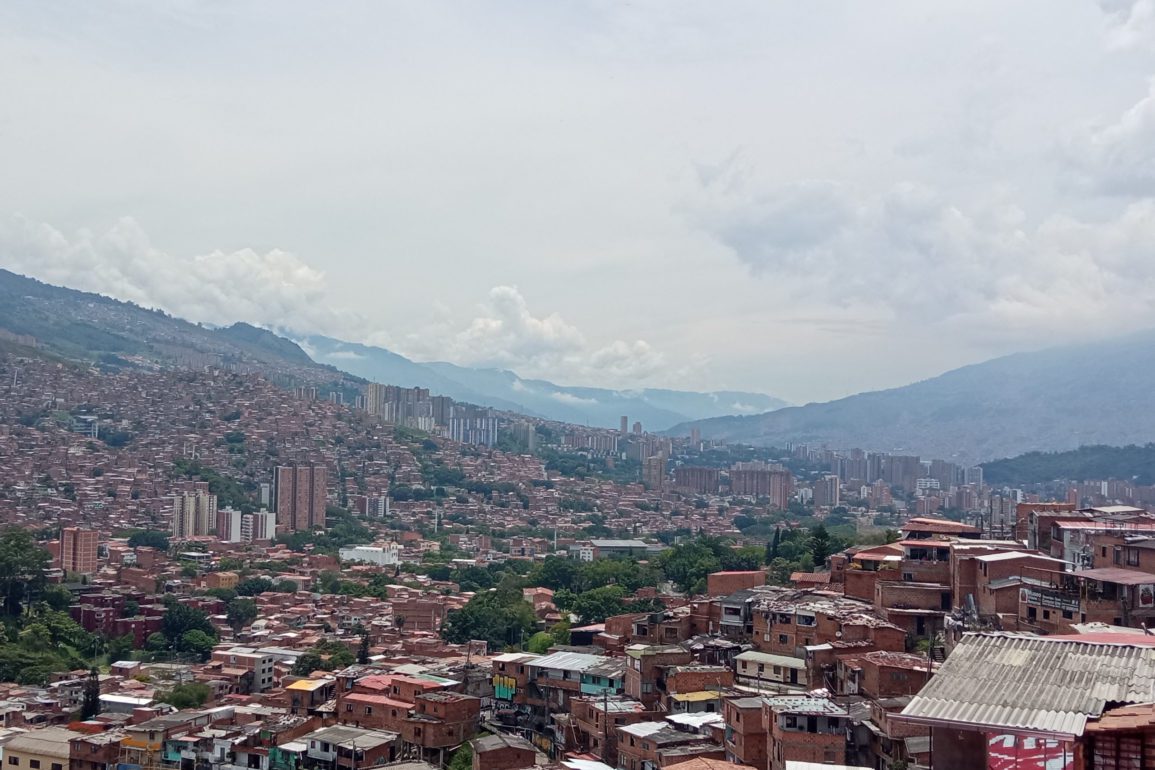
MEDELLÍN, Colombia ꟷ The Comuna 13 district includes more than 18 neighborhoods in Colombia. It originated through invasions carried out by displaced peasants mainly of Afro descent from the department of Chocó in the last century.
In the 1980s, Pablo Escobar, leader of the Medellín Cartel, turned Comuna 13 into the cradle of hired assassins. Adolescents and young people found criminality associated with drug trafficking a means to social advancement.
The commune became the scene of guerrilla and paramilitary infiltration in the 1990s and the beginning of the 21st Century. As a result, 12 military operations were carried out between February and October 2002. Two of these operations included Operation Mariscal and Orión, which left an indefinite number of dead, disappeared, and detained persons.
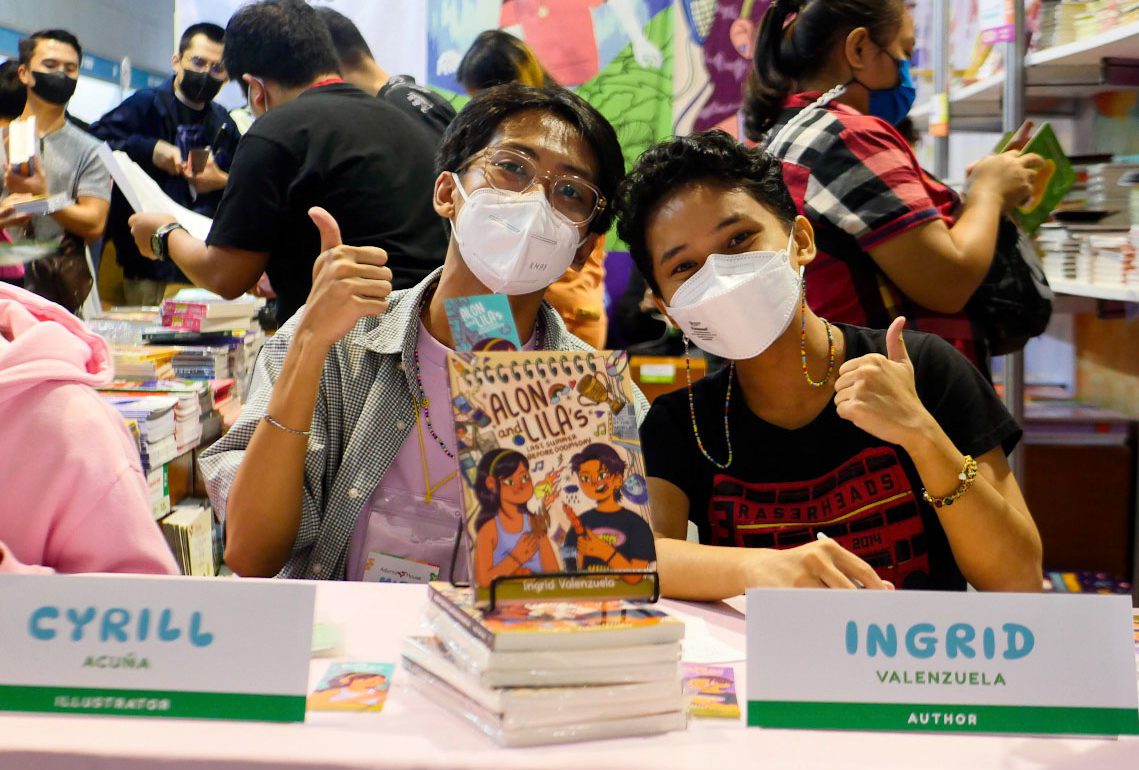
PASAY CITY, Philippines – The Philippines’ largest book fair reopened this year after being cancelled for three years due to the COVID-19 Pandemic. The Manila International Book Fair (MIBF) remains the biggest book fair in the country. More than 80 exhibitors attended the event. They include publishers, media outlets, writers, and illustrators. Representatives from school suppliers, schools, educational applications, the technology industry, and museums also attend. The fair attracts bookworms, occasional readers, students, fans, and even passersby.
The MIBF received more than 160,000 visitors in 2019 before the Pandemic put a halt to exhibits and social gatherings in the country. This year, people flocked to the biggest book fair in the Philippines. Attendees are not just local. International authors and booklovers also came to visit the fair.
Attendees flocked the ground floor of SMX Convention Center Manila located in Pasay City. The book fair became a playground for kids and fans where they see awesome characters from history to sci-fi movies. It also serves as a place for children to be amazed with new ways of learning through coloring books, toys, laboratory work, and technology. Companies and schools pushed the limits of learning through new technology and digital methods. They even displayed the benefits of social media to reach young minds and older thinkers alike.
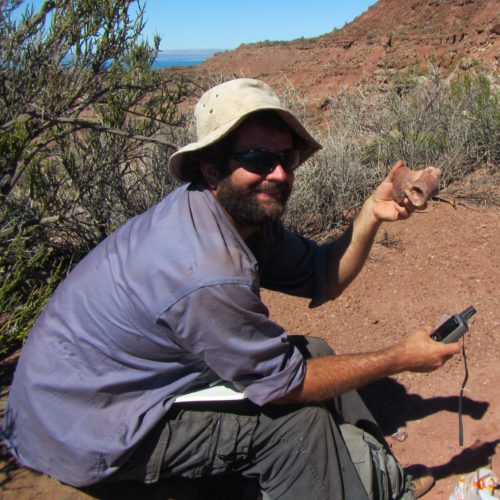
Juan Ignacio Canale has a degree in Biology with a Paleontology orientation and a Doctorate in Natural Sciences. He is a researcher at the National Council for Scientific and Technical Research (CONICET) and the Municipal Museum of Villa El Chocón.
Juan I. Canale is part of the team responsible for the discovery of Meraxes Giga in the town of El Chocón. The subject of his doctorate was on theropod and carcharodontosaurid dinosaurs, groups that now include Meraxes Gigantis, the new species that he found together with colleagues from the Félix de Azara Foundation, in Buenos Aires, and The Field Museum, in Chicago.
Background Information
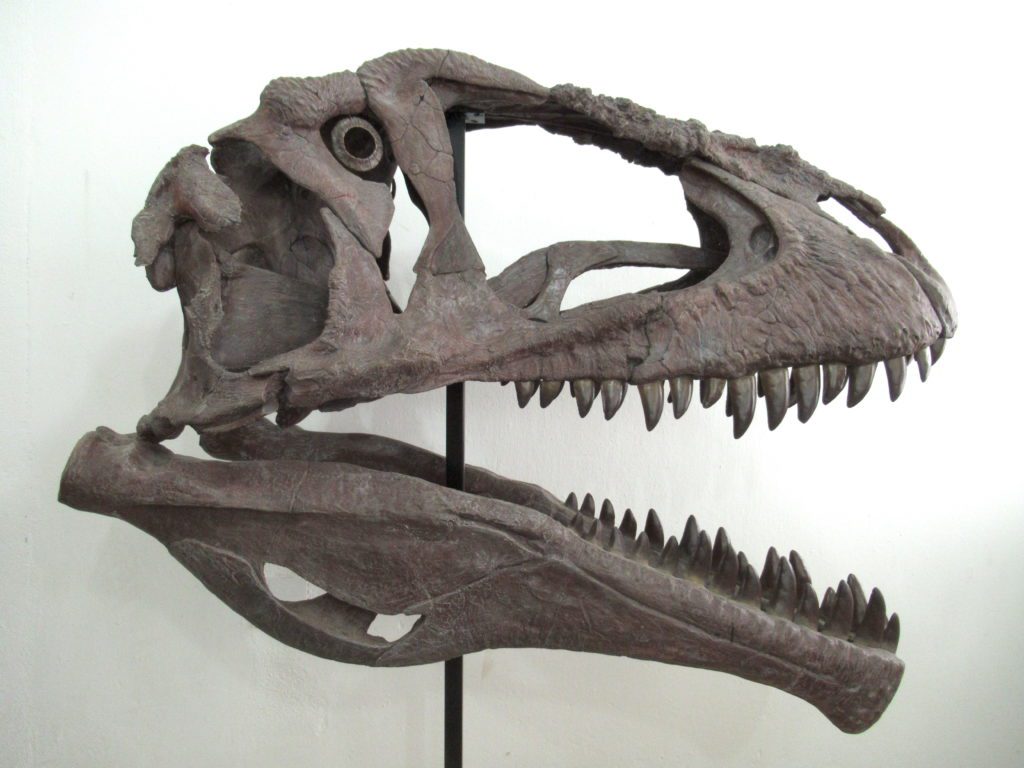
Meraxes was a dinosaur about 11 meters long which lived 90 million years ago.
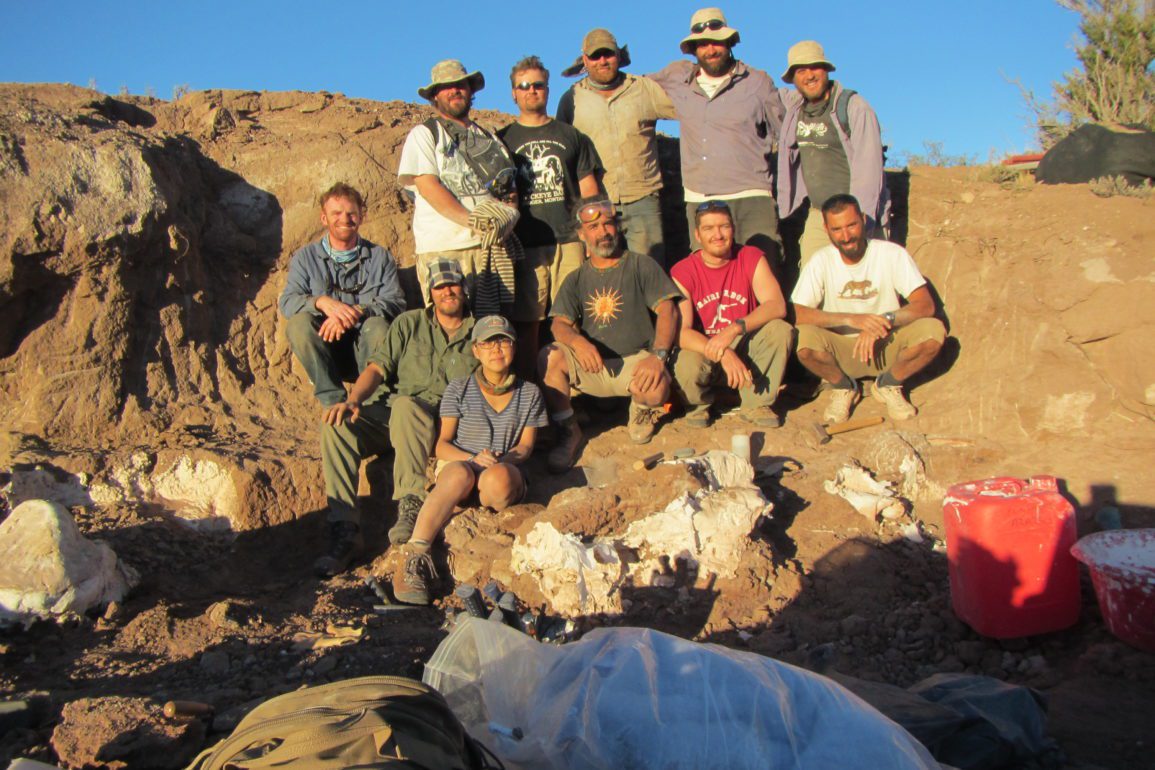
We arrived at Cañadón de Las Campanas with colleagues from the Félix de Azara Foundation in Buenos Aires and The Field Museum in Chicago. The location stood just 20 kilometers from El Chocón where I live. We spent the night in a small, abandoned house where a farmhand once lived.
The next morning, I walked five kilometers to a small hill with a plain of 50 by 20 meters. We split up into groups for the first prospecting outing. I went with Dr. Pablo Gallina into a small canyon and saw bones from herbivorous dinosaurs with long necks.
Just beyond them, the body of a large vertebra split in half appeared. We recognized it as belonging to a carcharodontosaurid or a large carnivorous dinosaur. We looked for where that vertebra came from and found the first bones of what ended up being Meraxes.
Paleontologists discover new species of large dinosaur
We started digging and other, impressive bones appeared. We found the arm bones – the most interesting anatomical parts of this dinosaur – in the very early days of excavation. We quickly realized our discovery was extremely important.
Unearthing the dinosaur’s bones felt incredible. Adrenaline rushed through my body. The best of my job happens in those moments. This time, it went on the entire day. Something appears and you start digging. You realize it is good and excavate more. The remains removed from the ground move to the laboratory for preparation and cleaning. Then, more pieces show up. Sometimes we do not realize everything we removed until the technicians in the lab prepare the fossils.
Maraxes rebuilt by paleoartist Carlos Papolio | Picture courtesy of Juan Ignacio Canale
A tension arises, which we become accustomed to. We feel anxiety, wanting the remains to be cleaned and readied quickly, but nothing can be done at a fast pace in one excavation. To discover the bones of Meraxes, we removed almost two meters of rock.
In the first excavation, we did not use heavy tools. Rather, we relied on hammers, chisels, and brushes. The following year during the second excavation, we brought jackhammers, generators, and rock cutters. Heavier tools allowed us to move faster and made the work lighter.
At first glance, we knew we found something interesting. In other places in the province of Neuquén, dinosaurs of this group appeared, so we had to verify whether our dinosaur was a new specimen or a known species. To complete that verification, we had to wait for all the materials to be readied by the lab. Then we compared, bone by bone, our discovery against the other species.
Discoveries continue, inspiring dreams from youth
During the second excavation, I suspected our discovery represented a new species and I mentioned it to my colleagues. Mapusaurus – another dinosaur discovered in that area – had different pelvic bones from the well-preserved ones we found. While finding a new set of bones from an existing species brings excitement, discovering an entirely new species gives cause for celebration.
As paleontologists, we are like kids who never lost their passion for dinosaurs. We maintained our childlike desire and amusement; we love the topic and it still astonishes us. I feel captivated by dinosaurs. Being able to go out and look for dinos – to find, study, and present them to the world; to give them names – offers me enormous satisfaction.
Born and raised in La Plata, I always asked my parents to take me to the city museum. Everything there amazes me. At first, I could not decide if I liked dinosaurs or archeology more. Everything in the museum interested me. Then, Jurassic Park came out in 1993 when I was 14 years old. I made up mind; I wanted to study dinosaurs.
Complete Maraxes skull with reconstruction of missing bones by Lautaro Rodriguez Blanco | Photo courtesy of Juan Ignacio Canale
That same year in El Chocón, where I live and work today, Rubén Carolini found the remains of the iganotosaurus. That very dinosaur played the role of the protagonist in the last film of the Jurassic Park saga, Jurassic World Dominion. Carolini worked at a hydroelectric plant and notified the paleontologists Leonardo Salgado and Rodolfo Coria of his discovery.
The place where I work today came about because of that discovery, and the locality intends to have a place to protect the remains and have them displayed on the site.
Studying dinosaurs brings forth a childlike curiosity
My youngest son loves dinosaurs. Though I have not pushed it, he remains obsessed. I talk about dinosaurs to him and my daughter, and give them dinosaur things, but he is crazy about them. He talks about dinosaurs all the time.
I see myself in him. Although, when I was young, we did not have quick access to information. Today, you can watch a video on your phone or computer. I had to ask my mom to buy me a book on the subject or take me to the library. Dinosaurs produce an incredible fascination in children. Perhaps because they look like giants or monsters; or that they even existed at all.
Much work remains in regard to our of discovery of Meraxes. We published a general work, including some focus on evolutionary issues, describing the new species. The first publication had a major impact worldwide. Any new species of a giant carnivorous dinosaur attracts attention. Not only that, but the material also remains complete and in very good condition. We made some interpretations about the evolution related to body size and the size of the arms, which were quite short in the case of Meraxes.
This means a common ground exists between Meraxes (a carcharodontosauridae with tyrannosaurids) and other dinosaurs as part of that evolution theory. The recently discovered Meraxes shows a similar evolutionary pattern in terms of how much the arms shrink.
We still need to describe each part in detail including the anatomical descriptions of each of the materials, muscle reconstruction, and analysis of histological sections of the bones.
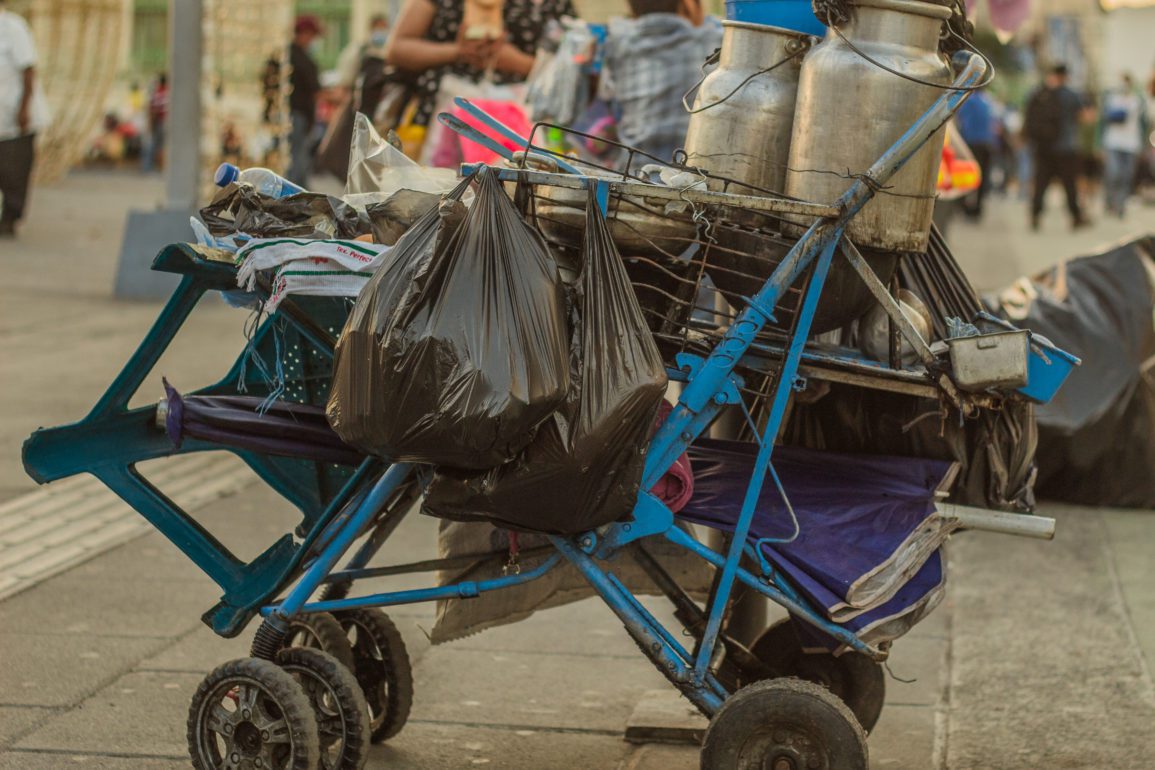
SAN SALVADOR, El Salvador ꟷ Traditional vendors move through Plaza Libertad in the city of San Salvador with carts full of coffee. A cup of coffee costs between $0.25 to $0.50 cents. They also sell a variety of sweet bread.
In the square, you can see everything from carts made with supermarket trolleys, to baby strollers adapted to mobilize sales. For hundreds of workers around the center of San Salvador in El Salvador, their traditional cart sales make up their livelihood.
This series of photographs shows three generations of coffee women, from 60-year-old veterans to 40-year-olds, and finally to a new generation of 20-year-old women.
To provide the best experiences, we use technologies like cookies to store and/or access device information. Consenting to these technologies will allow us to process data such as browsing behavior or unique IDs on this site. Not consenting or withdrawing consent, may adversely affect certain features and functions.
Functional
Always active
The technical storage or access is strictly necessary for the legitimate purpose of enabling the use of a specific service explicitly requested by the subscriber or user, or for the sole purpose of carrying out the transmission of a communication over an electronic communications network.
Preferences
The technical storage or access is necessary for the legitimate purpose of storing preferences that are not requested by the subscriber or user.
Statistics
The technical storage or access that is used exclusively for statistical purposes.The technical storage or access that is used exclusively for anonymous statistical purposes. Without a subpoena, voluntary compliance on the part of your Internet Service Provider, or additional records from a third party, information stored or retrieved for this purpose alone cannot usually be used to identify you.
Marketing
The technical storage or access is required to create user profiles to send advertising, or to track the user on a website or across several websites for similar marketing purposes.