Important historical markers often suffer deplorable conditions in the Philippines

MANILA, Philippines — The Philippines has a long and rich history dating from the early settlers and the Spanish colonial era, leading to the present day. The National Historical Commission of the Philippines (NHCP) installs and maintains plaques or historical markers to remind the public of a site’s significance. The organization installs historical markers to highlight important structures, persons, institutions, and events in Philippine history. The NHCP has placed and enlisted almost 459 markers, as of January 2012.

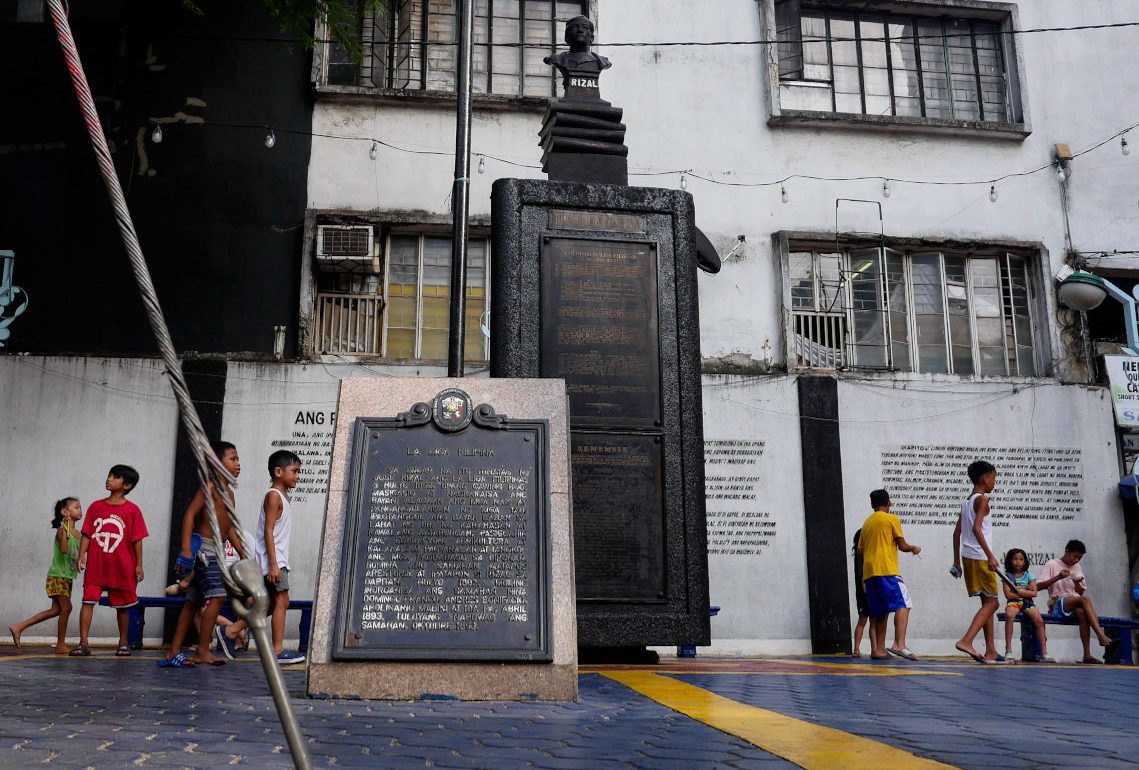
Most of these historical markers suffer neglect, theft, and desecration, without anyone knowing it. Some historical advocates have already notified the NHCP to attend to the neglected markers. The Plaza La Liga Filipina, located deep in the streets of Tondo, has been repainted after advocates called out the NHCP. However, its location is hard to find because vendors occupy the streets there. It has also become a playground for children who don’t seem to care about the marker’s relevance.

Historical markers lack protection and are prone to damage

There are historical sites with plaques that are not easily visible to the public. These commemorative plaques are not strategically located. Furthermore, some of these plaques are unmaintained, damaged, or worse, removed from their location, against the National Cultural Heritage Act. One example is the Memorare of Andres Bonifacio (the National Hero that led a revolution against the Spaniards). It was removed during the construction of a bridge between Ortigas (Pasig City) to Bonifacio Global City (Taguig City) that crosses through Makati City.

The plaques of these historical sites don’t get enough protection. Besides being prone to vandalism and wear and tear, some were removed for urban development, or even stolen. One such incident of theft includes a historical marker in Santa Ana, Manila City. A historical marker installed in 1939 for the Jesuit institution La Ignaciana was stolen. There were plans to replace the marker in 2014, but it never materialized.

All photographs by George Buid.
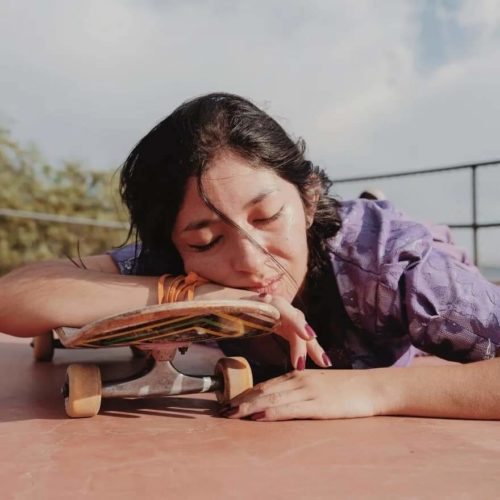
Female skateboarders in Bolivia perform in traditional attire, defy social roles

Interview Subject
Daniela Nicole Santiváñez Limache, 26, of Cochabamba, Bolivia, studies commercial engineering and works as an assistant at a university. She belongs to the group called Imilla Skate.

Group members include Daniela Santiváñez, Huara Medina, Estefany Morales,
Brenda Tinta, Paola Meza, Belén Fajardo, Deysi Tacuri, Elinor Buitrago, and Fabiola Gonzales.
Background Information
The Bolivian indigenous women’s collective “Imilla Skate” was created by two friends in Cochabamba who wear traditional costumes to skate as a symbol of resistance. They wear the skirts of their mothers and grandmothers, and although they have been on skateboards for several years, in 2019 they began to skate to claim the inclusion of women in the sport.

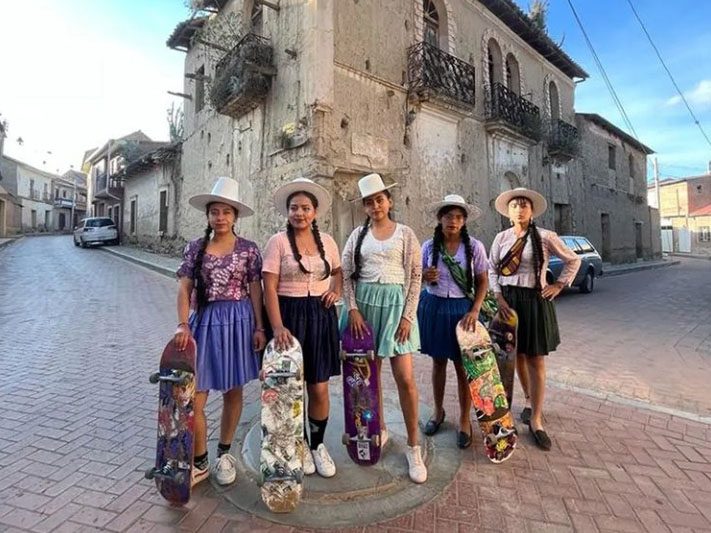
This word Imilla comes from the Aymara language meaning “girl.” It is a group of young Cochabambas who have united the worlds to which they belong by birth and interest to find a unique identity. They dress in cholita attire with a tall hat, traditional braids on both sides of the head, wide skirts of ethnic motifs, and they wear shoes suitable for skating. The idea is to vindicate their indigenous roots, to give rise to a force or an engine that makes them feel powerful, to give them a voice, and to allow them to fly.

COCHABAMBA, Bolivia ꟷ I belong to a group called Imilla Skate. We are the Bolivian daughters and granddaughters of pollera women [pollera is an indigenous attire marked by pleated skirts]. Our shared identity unites us.

Imilla Skate brings together sport and culture. For us, the chola symbolizes the fight for freedom and independence. It represents the history of our people. This beautiful sport excludes no one.

Bolivian female skaters honor ancestry, establish a collective

Before Imilla Skate came into existence in 2019, each of us skateboarded separately. We wanted to create a group that skates together. At first, skating in skirts proves difficult. You cannot see your feet and must master tricks to avoid falling.

I remember our first meeting. We selected the day of the pedestrian, a celebration in in Bolivia in the Plaza Colon at the center of the city. Since the area excludes motorized circulation, people can go out into the streets and walkways to practice their sports.

We invited anyone who wanted to learn to skate and participate in our demonstrations. We encouraged participants not to be afraid of falling and explained that the essence of skateboarding includes learning in your own time. If you fall, get back up again, taking the steps necessary to understand the process.

In Bolivia, most people are known as mestizos (or of a shared mixed heritage including Spanish and indigenous).  This important sector of the population, indigenous people continue to experience discrimination. Skating in our traditional attire as cholas brings our ancestral legacy to streets and everyday life. From the country to the city, we carry the blood of all those who came before us.

I make no excuses for my ancestry or how I look. My grandmothers and great-grandmothers dressed as cholas. The women in my family passed these customs on to their daughters from generation to generation.

While skating, I enjoy the feeling of the wind touching my forehead. Friendship surrounds me. Skating as a chola feels like a superpower, and I see how the process transforms before my very eyes. I can fly with the momentum of the ramp. That is why I skate.

Imilla Skate honors the cholita heritage, pushes back against established social roles

When we started the group, we had two members. Now we have nine. We have known one another for a long time and our growth comes from our enthusiasm. The collective aim of Imilla Skate is to present our message, the language of which evolves. We could speak 1,000 words but we transmit our message through our movements instead. When people see us, they understand. They witness what we represent. The see a traditional woman skateboarding, falling, and getting back up again.

They see our braided hair, high-top hats, pleated skirts, and skateboards. It removes the focus from the ideas imposed upon us. I am no longer simply the cholita who works at camp or the cholita selling something somewhere, nor am I the stay-at-home cholita. I am the cholita who skates, who falls, and who breaks her chains.

Wearing the skirt proves the most difficult part of our performance when combined with performing tricks because we cannot see our feet, but we continue to share our message and encourage others to be a part of it.

We push against the roles society establishes and the social classes assigned to people based on place of origin and skin color. In recent times, people have begun to tear down these roles and social classes – refusing to be defined by stereotypes. We honor the legacy of our ancestors through the message of the Bolivian collective Imilla Skate. We turn heads.

Moving forward, our group seeks to establish a skate park and a skate school for girls – a place of belonging.

Patinadoras de Bolivia actúan con trajes tradicionales y desafían los roles sociales

PROTAGONISTA
Daniela Nicole Santiváñez Limache, de 26 años, de Cochabamba, Bolivia, estudia ingeniería comercial y trabaja como asistente en una universidad. Pertenece al grupo denominado Imilla Skate.

Group members include Daniela Santiváñez, Huara Medina, Estefany Morales,
Brenda Tinta, Paola Meza, Belén Fajardo, Deysi Tacuri, Elinor Buitrago, and Fabiola Gonzales.
CONTEXTO
El colectivo de mujeres indígenas bolivianas “Imilla Skate” fue creado por dos amigas en Cochabamba que usan trajes tradicionales para patinar como símbolo de resistencia. Llevan las faldas de sus madres y abuelas, y aunque llevan varios años con las patinetas, en 2019 comenzaron a patinar para reivindicar la inclusión de las mujeres en este deporte.
Esta palabra Imilla viene del idioma aymara que significa “niña”. Es un grupo de jóvenes cochabambinas que han unido los mundos a los que pertenecen por nacimiento e interés para encontrar una identidad única. Se visten con un atuendo de cholita con sombrero alto, trenzas tradicionales a ambos lados de la cabeza, faldas anchas de motivos étnicos y llevan zapatos adecuados para patinar. La idea es reivindicar sus raíces indígenas, dar lugar a una fuerza o un motor que les haga sentirse poderosas, darles voz y permitirles volar.

COCHABAMBA, Bolivia ꟷ Pertenezco a un grupo llamado Imilla Skate. Somos hijas y nietas bolivianas de mujeres polleras [la pollera es un atuendo indígena marcado por las faldas plisadas]. Nuestra identidad compartida nos une.

Imilla Skate aúna deporte y cultura. Para nosotros, la chola simboliza la lucha por la libertad y la independencia. Representa la historia de nuestro pueblo. Este hermoso deporte no excluye a nadie.

Las patinadoras bolivianas honran su ascendencia y crean un colectivo

Antes de que Imilla Skate surgiera en 2019, cada uno de nosotros patinaba por separado. Queríamos crear un grupo que patinara junto. Al principio, patinar con faldas resulta difícil. No puedes ver tus pies y debes dominar los trucos para no caer.

Recuerdo nuestro primer encuentro. Elegimos el día de la peatonal, una celebración en Bolivia en la Plaza Colón, en el centro de la ciudad. Como la zona excluye la circulación motorizada, la gente puede salir a las calles y paseos para practicar sus deportes.

Invitamos a todo el que quisiera aprender a patinar y a participar en nuestras demostraciones. Animamos a los participantes a no tener miedo a caerse y les explicamos que la esencia del monopatín incluye aprender a tu ritmo. Si te caes, vuelve a levantarte, dando los pasos necesarios para entender el proceso.

En Bolivia, la mayoría de las personas son conocidas como mestizas (o de herencia mixta que incluye españoles e indígenas).  Este importante sector de la población, los indígenas, siguen siendo discriminados. Patinando con nuestro traje tradicional de cholas llevamos nuestro legado ancestral a las calles y a la vida cotidiana. Del campo a la ciudad, llevamos la sangre de todos los que nos precedieron.

No pongo excusas por mi ascendencia ni por mi aspecto. Mis abuelas y bisabuelas se vestían de cholas. Las mujeres de mi familia transmitieron estas costumbres a sus hijas de generación en generación.

Mientras patino, disfruto de la sensación del viento tocando mi frente. La amistad me rodea. Patinar como una chola se siente como un superpoder, y veo cómo el proceso se transforma ante mis propios ojos. Puedo volar con el impulso de la rampa. Por eso patino.

Imilla Skate honra la herencia cholita y se opone a los roles sociales establecidos

Cuando empezamos el grupo, teníamos dos miembros. Ahora tenemos nueve. Nos conocemos desde hace mucho tiempo y nuestro crecimiento proviene de nuestro entusiasmo. El objetivo colectivo de Imilla Skate es presentar nuestro mensaje, cuyo lenguaje evoluciona. Podríamos decir 1.000 palabras, pero en cambio transmitimos nuestro mensaje a través de nuestros movimientos. Cuando la gente nos ve, lo entiende. Son testigos de lo que representamos. Ven a una mujer tradicional patinando, cayendo y volviéndose a levantar.

Ven nuestro pelo trenzado, los sombreros de copa alta, las faldas plisadas y los monopatines. Eso nos quita el foco de las ideas que se nos imponen. Ya no soy simplemente la cholita que trabaja en el campamento o la cholita que vende algo en algún sitio, ni la cholita que se queda en casa. Soy la cholita que patina, que se cae y que rompe sus cadenas.

Llevar la falda resulta la parte más difícil de nuestra actuación cuando se combina con la realización de trucos porque no podemos vernos los pies, pero seguimos compartiendo nuestro mensaje y animando a los demás a formar parte de él.

Nos oponemos a los roles establecidos por la sociedad y a las clases sociales asignadas a las personas en función de su lugar de origen y del color de su piel. En los últimos tiempos, la gente ha comenzado a derribar estos roles y clases sociales, negándose a ser definidos por los estereotipos. Honramos el legado de nuestros antepasados a través del mensaje del colectivo boliviano Imilla Skate. Llamamos la atención.

En el futuro, nuestro grupo pretende crear un parque de patinaje y una escuela de patinaje para niñas, un lugar de pertenencia.

Patinadoras de Bolivia actúan con trajes tradicionales y desafían los roles sociales

Interview Subject
Daniela Nicole Santiváñez Limache, 26, of Cochabamba, Bolivia, studies commercial engineering and works as an assistant at a university. She belongs to the group called Imilla Skate.

Group members include Daniela Santiváñez, Huara Medina, Estefany Morales,
Brenda Tinta, Paola Meza, Belén Fajardo, Deysi Tacuri, Elinor Buitrago, and Fabiola Gonzales.
Background Information
The Bolivian indigenous women’s collective “Imilla Skate” was created by two friends in Cochabamba who wear traditional costumes to skate as a symbol of resistance. They wear the skirts of their mothers and grandmothers, and although they have been on skateboards for several years, in 2019 they began to skate to claim the inclusion of women in the sport.

This word Imilla comes from the Aymara language meaning “girl.” It is a group of young Cochabambas who have united the worlds to which they belong by birth and interest to find a unique identity. They dress in cholita attire with a tall hat, traditional braids on both sides of the head, wide skirts of ethnic motifs, and they wear shoes suitable for skating. The idea is to vindicate their indigenous roots, to give rise to a force or an engine that makes them feel powerful, to give them a voice, and to allow them to fly.

COCHABAMBA, Bolivia ꟷ Pertenezco a un grupo llamado Imilla Skate. Somos hijas y nietas bolivianas de mujeres polleras [la pollera es un atuendo indígena marcado por las faldas plisadas]. Nuestra identidad compartida nos une.

Imilla Skate aúna deporte y cultura. Para nosotros, la chola simboliza la lucha por la libertad y la independencia. Representa la historia de nuestro pueblo. Este hermoso deporte no excluye a nadie.

Las patinadoras bolivianas honran su ascendencia y crean un colectivo

Antes de que Imilla Skate surgiera en 2019, cada uno de nosotros patinaba por separado. Queríamos crear un grupo que patinara junto. Al principio, patinar con faldas resulta difícil. No puedes ver tus pies y debes dominar los trucos para no caer.

Recuerdo nuestro primer encuentro. Elegimos el día de la peatonal, una celebración en Bolivia en la Plaza Colón, en el centro de la ciudad. Como la zona excluye la circulación motorizada, la gente puede salir a las calles y paseos para practicar sus deportes.

Invitamos a todo el que quisiera aprender a patinar y a participar en nuestras demostraciones. Animamos a los participantes a no tener miedo a caerse y les explicamos que la esencia del monopatín incluye aprender a tu ritmo. Si te caes, vuelve a levantarte, dando los pasos necesarios para entender el proceso.

En Bolivia, la mayoría de las personas son conocidas como mestizas (o de herencia mixta que incluye españoles e indígenas).  Este importante sector de la población, los indígenas, siguen siendo discriminados. Patinando con nuestro traje tradicional de cholas llevamos nuestro legado ancestral a las calles y a la vida cotidiana. Del campo a la ciudad, llevamos la sangre de todos los que nos precedieron.

No pongo excusas por mi ascendencia ni por mi aspecto. Mis abuelas y bisabuelas se vestían de cholas. Las mujeres de mi familia transmitieron estas costumbres a sus hijas de generación en generación.

Mientras patino, disfruto de la sensación del viento tocando mi frente. La amistad me rodea. Patinar como una chola se siente como un superpoder, y veo cómo el proceso se transforma ante mis propios ojos. Puedo volar con el impulso de la rampa. Por eso patino.

Imilla Skate honra la herencia cholita y se opone a los roles sociales establecidos

Cuando empezamos el grupo, teníamos dos miembros. Ahora tenemos nueve. Nos conocemos desde hace mucho tiempo y nuestro crecimiento proviene de nuestro entusiasmo. El objetivo colectivo de Imilla Skate es presentar nuestro mensaje, cuyo lenguaje evoluciona. Podríamos decir 1.000 palabras, pero en cambio transmitimos nuestro mensaje a través de nuestros movimientos. Cuando la gente nos ve, lo entiende. Son testigos de lo que representamos. Ven a una mujer tradicional patinando, cayendo y volviéndose a levantar.

Ven nuestro pelo trenzado, los sombreros de copa alta, las faldas plisadas y los monopatines. Eso nos quita el foco de las ideas que se nos imponen. Ya no soy simplemente la cholita que trabaja en el campamento o la cholita que vende algo en algún sitio, ni la cholita que se queda en casa. Soy la cholita que patina, que se cae y que rompe sus cadenas.

Llevar la falda resulta la parte más difícil de nuestra actuación cuando se combina con la realización de trucos porque no podemos vernos los pies, pero seguimos compartiendo nuestro mensaje y animando a los demás a formar parte de él.

Nos oponemos a los roles establecidos por la sociedad y a las clases sociales asignadas a las personas en función de su lugar de origen y del color de su piel. En los últimos tiempos, la gente ha comenzado a derribar estos roles y clases sociales, negándose a ser definidos por los estereotipos. Honramos el legado de nuestros antepasados a través del mensaje del colectivo boliviano Imilla Skate. Llamamos la atención.

En el futuro, nuestro grupo pretende crear un parque de patinaje y una escuela de patinaje para niñas, un lugar de pertenencia.

A glimpse of the struggle faced by photojournalists in the Philippines

WARNING: Some images are disturbing

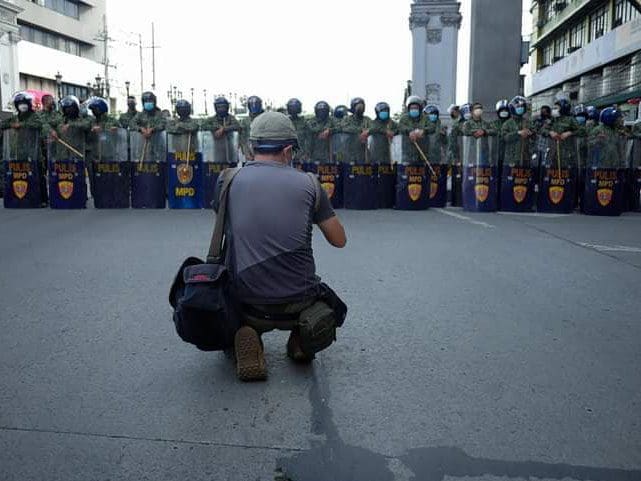
METRO MANILA, Philippines — Photojournalism in the Philippines involves struggle, now more than ever. Photojournalists face the physical danger on the field, the fight for press freedom, misinformation, restrictions, and lack of financial support. Despite all these perils, Filipino photojournalists continue to strive to do their job, delivering powerful images of true events.

The Committee to Protect Journalists (CPJ) ranked the Philippines as the seventh most dangerous country for journalism on October 28, 2021. Every day, these Filipino photojournalists walk into protests, disaster areas, and uncharted grounds to deliver powerful images to the public. Yet, most of them lack compensation for their jobs.

It’s worse for freelance photojournalists who need to be versatile in order to survive and continue their work. They are either former staffed photographers or stringers who have been independent ever since. These photographers go to places to capture current events, human interest stories, and scenic views. To keep themselves afloat, these photojournalists also take side jobs, doing portraits, covering events, weddings, and commercial work. This means that at least half of them must to do more than photography.

Photojournalists in Philippines laid off by pandemic, striving to get back on track

When the pandemic started, media outlets in the country had to operate at 50 percent capacity. This laid off many photojournalists, especially slashing out freelancers who earn ₱300 or $6 U.S. per photo, which is the minimum. This forced many photojournalists to sell the equipment they owned, often leaving them with just a single camera set. To survive, some of them have had to find other sources of income such as food delivery.

Now that the government has relaxed pandemic restrictions, some of these photojournalists were able to get back to work. However, there are struggles along the way. These photojournalists continue to deliver, because there are the ones who love their work. They will continue in photojournalism as long as they can, and by any means.

All photographs by George Buid

Divers take a plunge in New Delhi’s toxic foam-covered river to make livelihood

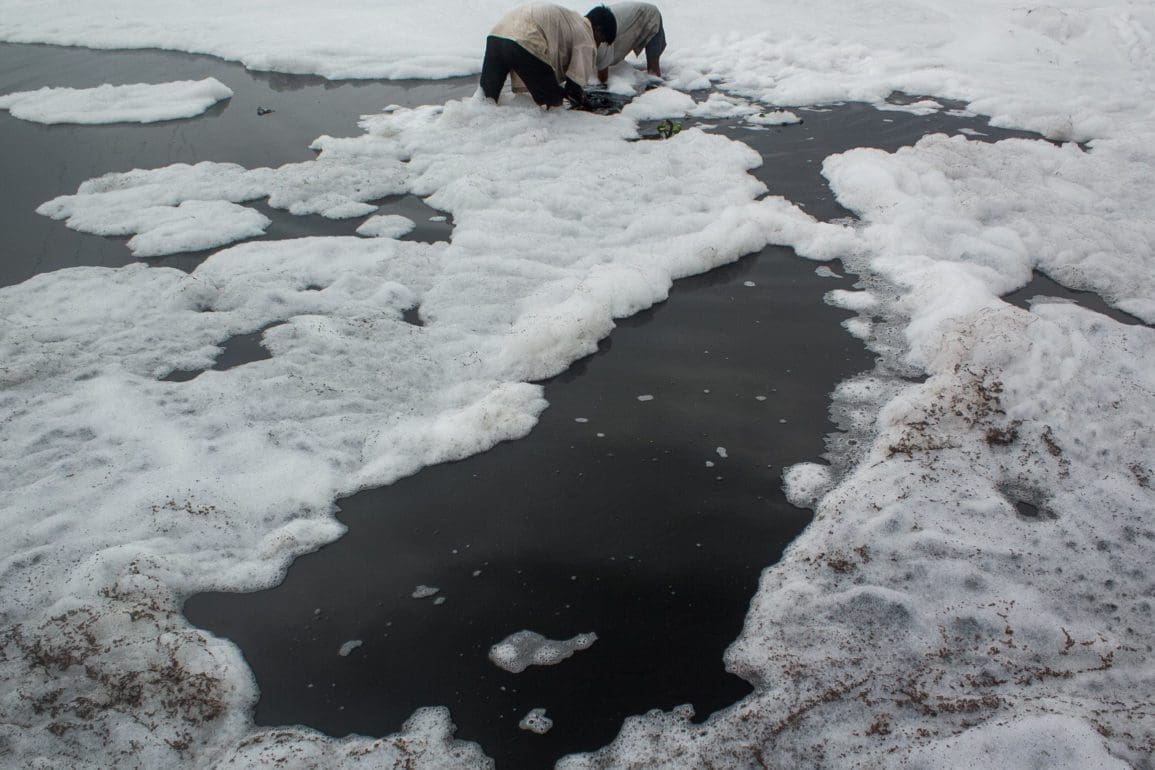
NEW DELHI, India — “I will spend all of my remaining life by Mother Yamuna, even if I or my children get rich. I have lived here and shall die in service of Mother Yamuna”, says Laal Mann. Mann is the eldest of his siblings. He and his two brothers – Mohammad Zakir and Rashid Ahmed – make a living by collecting coins from the riverbed of Yamuna, even after pollution has taken over the river.

The Yamuna, a religiously important river in India, is also one of the most polluted rivers in the world. It is a source of domestic water for millions of households and yet, its current state is worrisome.

The brothers take turns and dive into the deep waters of the toxic foam-covered Yamuna to find coins that people throw from the bridge, in the hope that their prayers will be answered. Zakir claims they earn up to 250 Rupees per day from this practice. That equates to 7,750 Rupees per month which feeds the family of five. That figure does not cover the family’s needs, even if it remained consistent, which is rarely the case.

Divers of polluted Yamuna river emphasize the need to be recognized

The brothers also make money at times retrieving paraphernalia from religious rites. The average earning from this practice is about 100 Rupees. The third source of income is pulling out bodies or survivors from the river. As they claim, the bodies mostly include people who attempted suicide. For this, the individual’s family remunerates the divers.

The brothers followed in their father’s footsteps and have been working the river all their lives. No one from the government recognizes them. According to Zakir, if they could obtain licenses for the work they do, it could provide needed relief. Apart from ensuring a constant source of income, most importantly, it would mean they earn greater respect. Unfortunately, the paperwork for their licenses remains unaddressed. Considering how the local police call them to help with extracting dead bodies from the river, the authorities know about their work. Yet, the brothers claim the authorities turn a blind eye to their plight and pleas.

All photographs by Saurav Kumar Mishra

Video shows assassination attempt on Argentina’s Vice President, citizens march in the street

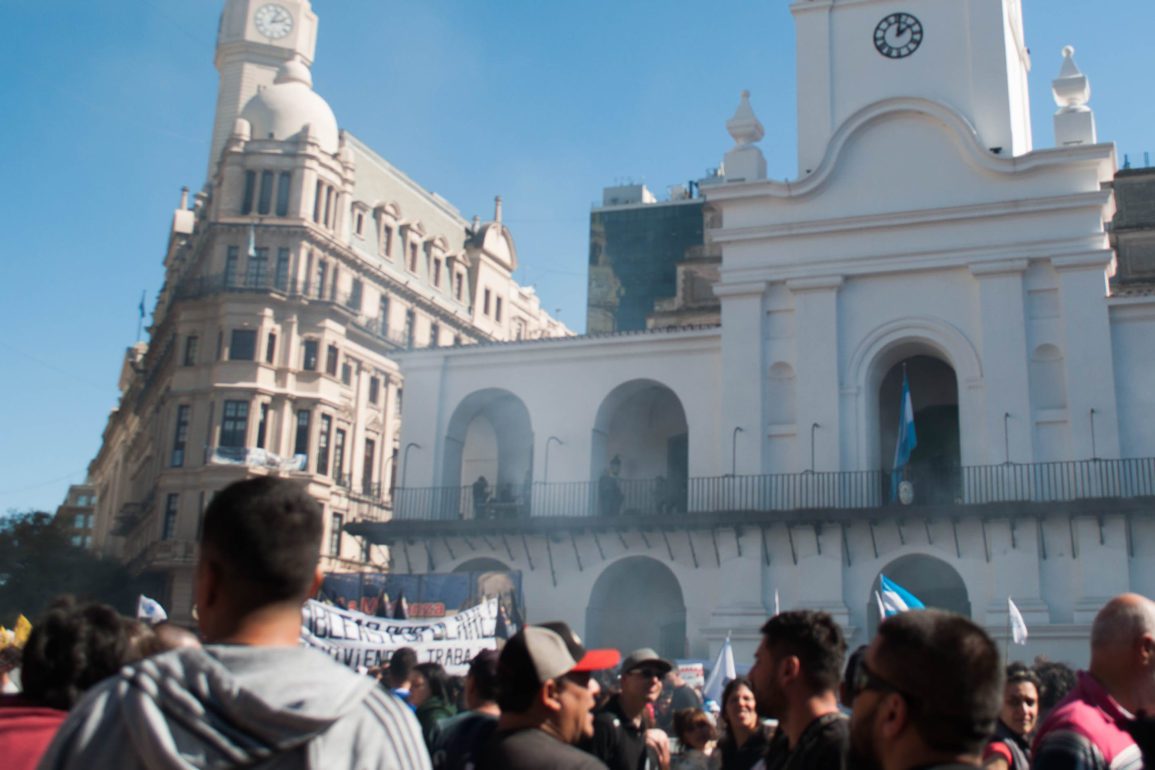
BUENOS AIRES, Argentina ꟷ On September 2, 2022, a man walked through a crowd and pointed a gun directly at the head and face of Argentina Vice President Cristina Fernández de Kirchner as she greeted citizens outside her home. A video captured the moment when the man pulled the trigger, the gun clicks, and Kirchner covers her face and ducks. The gun did not go off.

Warning: the following video may be disturbing to some audiences.

Argentina President Alberto Fernandez said this was “the most serious incident we have been through,” since the country became a democracy in 1983. Vice President Kirchner served as a governor, the first lady when her late husband was President, and then President herself from 2007-2015. She represents the leftist movement in Argentina and speaks out vehemently about human rights abuses. Under her and her husband, gay marriage became legal in the country, and she passed tariffs protecting local industry and employment.

Fernando Andrés Sabag Montiel, 35, was arrested at 9 a.m. for attempted murder. He refused to testify or answer interrogation questions. Though born in Brazil, Montiel’s grew up in Argentina since 1993 and has an Argentinian mother.

Immediately after the attempted assassination, an estimated half a million people took to the streets in Buenos Aires. Leaders of the ruling and opposition parties called for “improved democratic coexistence” to strengthen democracy. President Fernández urged, “We can disagree, we can have deep disagreements, but hate speech cannot take place because it breeds violence and there is no chance of violence coexisting with democracy.”

Kirchner is facing what she calls an unfair attack in the case of corruption charges levied against her. Some news sources cited those charges as a possible motive, but nothing is confirmed. A very public previous attempt to charge her with corruption in 2019 failed when the charges were dismissed in 2021.

All photos courtesy of Eva Valezquez. Click here for more stories out of Latin America.

Men in unregulated, informal jobs in El Salvador remain hidden

SAN SALVADOR, El Salvador — In San Salvador’s downtown district, you often see female vendors in the streets. They make up what is known as the informal employment sector. Men in this sector remain much less visible, often hidden in corners and back streets.

According to the International Labor Organization, for every 100 men, 60 work in the formal sector and 40 in the informal sector. The informal work sector refers to all paid work not registered, regulated, or protected by legal or regulatory frameworks.

Based on the 2019 Multiple Purpose Household Survey (EHPM), three primary age groups of men in El Salvador face unemployment including 13.1 percent of 16 to 24-year-olds, 4.5 percent of 25 to 59-year-olds, and 5.5 percent of those over 59 years old.

This series of photographs captures men in the informal employment sector in San Salvador. Their hidden places of work imply an alienated relationship with society.

All photos by Amaranta / Fatima Padilla.

For more photo galleries from Orato World Media click here.

Mountains of fire and ash make up El Salvador’s 170 volcanoes

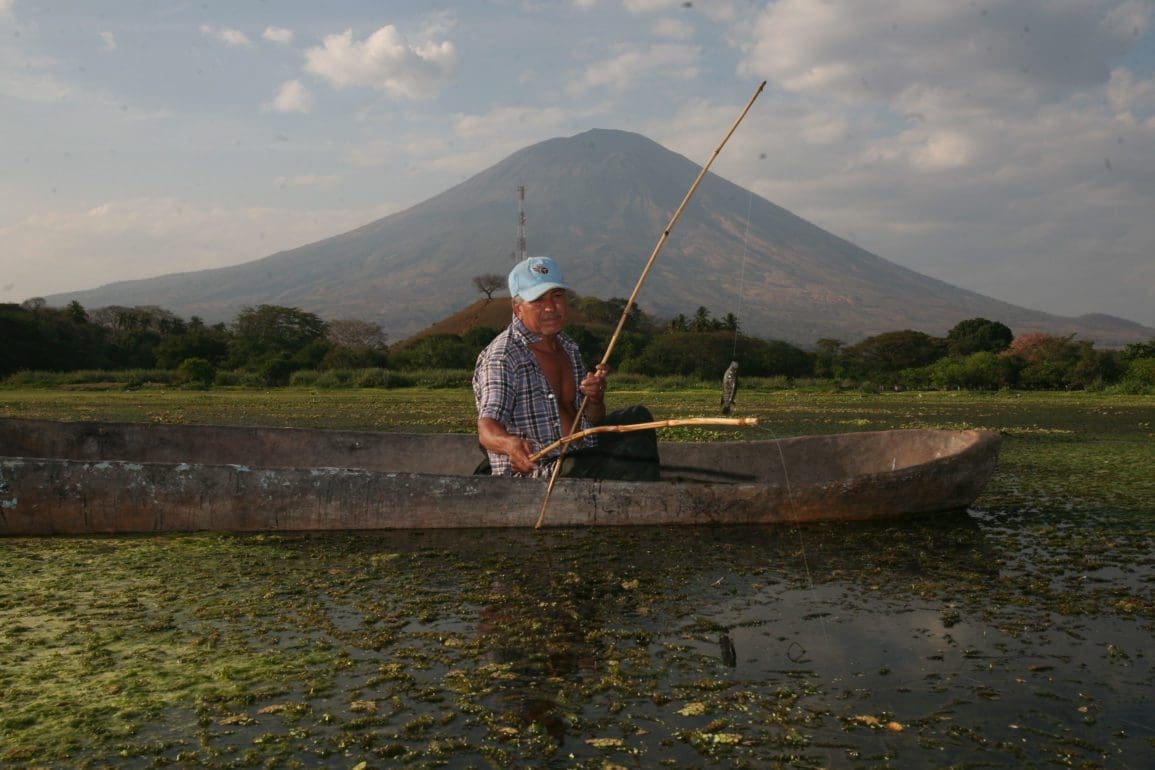
SAN SALVADOR, El Salvador — A large volcano looks upon the capital city of San Salvador from less than seven miles away. In fact, 90 percent of the territory of the country consists of volcanic materials. Most Salvadoran families live near a volcano. Few places in the country remain safe from an explosion or a landslide. Yet, these huge mountains of fire and ash provide fertile lands, ripe with coffee beans, fruits, and vegetables.

Volcanoes like the Santa Ana, San Salvador, and San Miguel present active gas and ash emissions. Yet, they remain the country’s main tourist attraction. Thousands of adventurous people climb these volcanoes to contemplate the impressive views, sky, stars, and the cities below.

For a country about the size of Massachusetts (or a little over 8,000 square miles), it contains over 170 volcanoes. In the country’s early history, the earthquakes from volcanoes made it difficult for natives to sleep. They began using hammocks. The volcanic area surrounding the capital city is now often referred to as “the valley of the hammocks.” The last eruption near San Salvador took place in 1917. In 1982, however, severe flooding and mudslides left 500 dead and 30,000 homeless.

Photos by Beatriz Rivas Alvarenga.

For more photo galleries click here.

Anti-marcos activist in Bulacan trades protests for paint brushes

Interview Subject
Rolly Alcantara served as an activist who protested against the Marcos Dictatorship during the 1970’s until early 1980’s. He fought for the freedom of the ordinary Filipino people. He walked away from it during President Cory Aquino’s administration to focus on his family. At the same time, he fell in love with art, particularly with painting. He is a self-taught artist and continued his work today, sharing his talent with other people and mostly children.
Background Information
Activism became more prominent in the Philippines during the administration of Ferdinand E. Marcos from 1965 to 1986. On September 27, 1972, he declared martial law on a false basis. The Martial Law era brought tens of thousands of human rights violations and the collapse of Philippine economy. Nation-wide protests ultimately led to the overthrow of the Marcos administration.

Art is part everyday life and also an important aspect of Philippine culture. Filipinos are known for their diverse talents and creativity, which gives them a unique identity. There are two main categories of art in the Philippines: traditional and contemporary. Traditional art in the Philippines has roots in Spanish colonization and Malayan culture. Traditional art remains inherent to the Philippine identity. Contemporary art is a more expressive form of creativity without boundaries.

OBANDO, Bulacan ꟷ I became an activist during the dictatorship of President Ferdinand Marcos. Participating in Anti-Marcos protests, I fought for the laborers, farmers, and poor people of the capitol. During the martial law era between the 1970’s and 80’s, many of my colleagues were captured, imprisoned, or disappeared from the face of the earth. I survived and after four decades of watching and admiring painters, I transitioned from an activist to an artist.

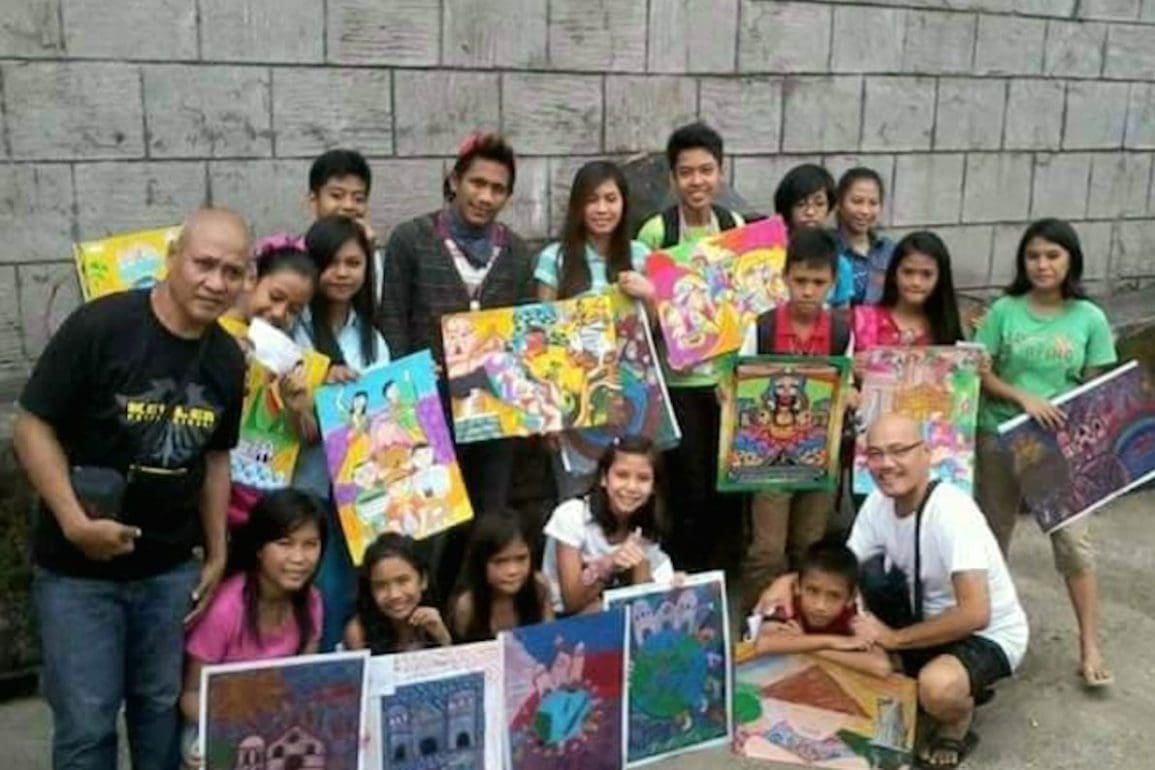
A newcomer to art, he founds the Obando Visual Artist Group and teaches children

During my years as an activist, I experienced my fair share of abuse by the military. Many of our protests turned violent and bloody until the old administration was overthrown, and Cory Aquino became President. I fought for the Filipino people against authorities with too much power, but one day I decided to retire from it all and focus on my family.

I took on a public servant role as a Safety Officer in my community of Barangay. For four terms, the people supported me. Then, I began to paint. Having watched and admired painters for years, I experienced a deep interest in the colors and the artwork. I joined a group called Sining Obando in a small municipality in the Bulacan region.

As a newcomer with no formal education, I lacked confidence. I worked hard and slept late to learn every style I could until one day, I founded the Obando Visual Artist Group. This presented the opportunity to teach the children to draw and create art, not only in Obando but throughout the country.

Helping children who survived war

An amazing opportunity came to me to travel Marawi. I was sent to share my experience in art with the children there, after a battle took place in the region. In their eyes, I saw the fear of war. With a little bit of knowledge, I came in and swept away that fear.

Today, my paintings have been exhibited in art galleries in my country and other parts of Asia, gaining recognitions in the Philippines and elsewhere. So much can be done through online contests and events.

I continue my advocacy work by teaching children to paint. I teach children in their preteens and younger. In this way, I can shape their talents and share my experiences with them.

Now, they are true artists. Those who have grown into adults, have jobs, and are married, continue to paint. From activist to artist, I am uniquely positioned to help them.

Sword makers in Spain forge ancient weapons at Mariano Zamorano Factory  

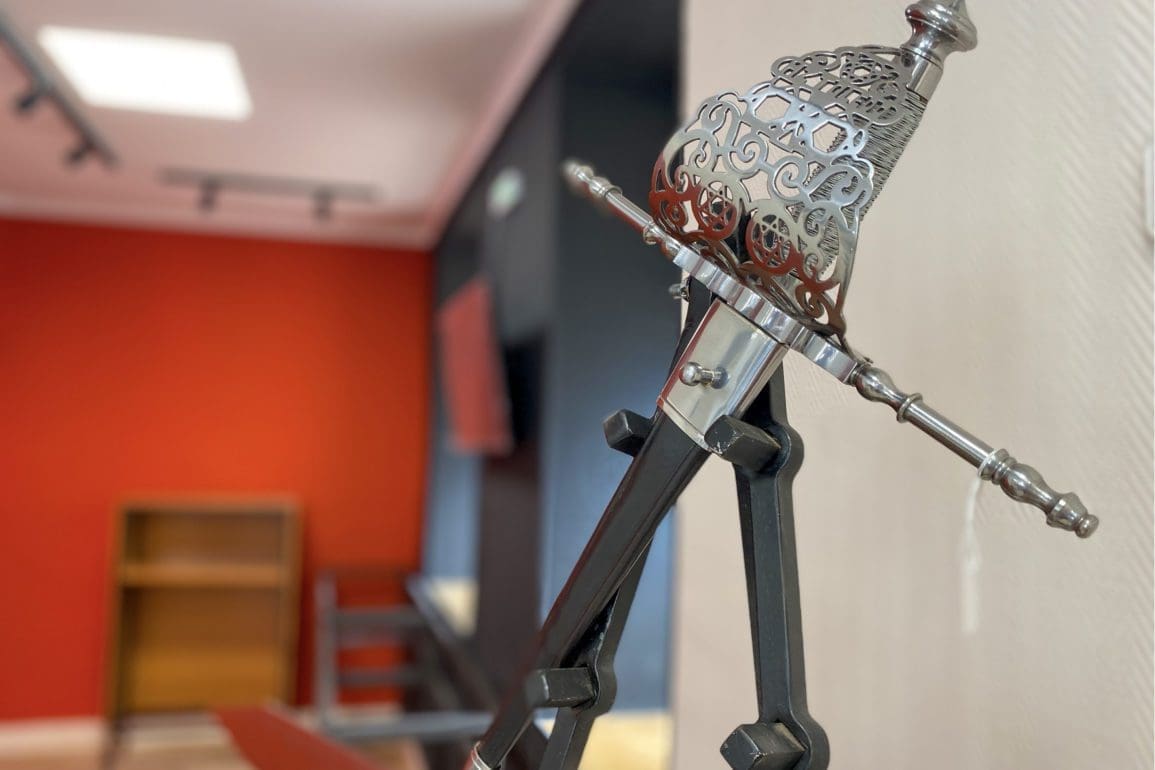
TOLEDO, SPAIN – Mariano Zamorano Fernández, a trained swordsmith, founded the Mariano Zamorano factory in 1951. Continuing a seven-decade legacy of manufacturing hand-crafted weapons, they forge swords using techniques by the historical Spanish empire. Set in the culturally rich Spanish city of Toledo, the factory team provides customers with high quality products with historical characteristics.

According to Santiago Encinas, factory manager, although swords are not objects for habitual use, many people acquire them to honor the tradition of sword collection and decoration. He pointed out, “The making of swords in Toledo possibly began in the Bronze Age. Time passed, and the sword makers made the most of ancient swords from Toledo’s Iberian and Roman times. Looking back to those times in our catalog, we have Iberian Celtic swords and Viking swords from the Middle Ages and the Renaissance. The sword is a weapon, and the variety depends on the different fighting forms within the battle.”

Currently, among the five sword factories in the province of Toledo, two forge by hand. The Mariano Zamorano factory is the only one within the historic center. They recently made weapons for the series “El Cid” on Amazon Prime.

Fernández intends to leave the legacy to his son, Mariano Zamorano Encinas.

Photos by Xochilth Rodriquez.

For more stories and galleries in the arts and culture category click here.

Celebration erupts in Colombia as first leftist President, ex-guerrilla sworn into office

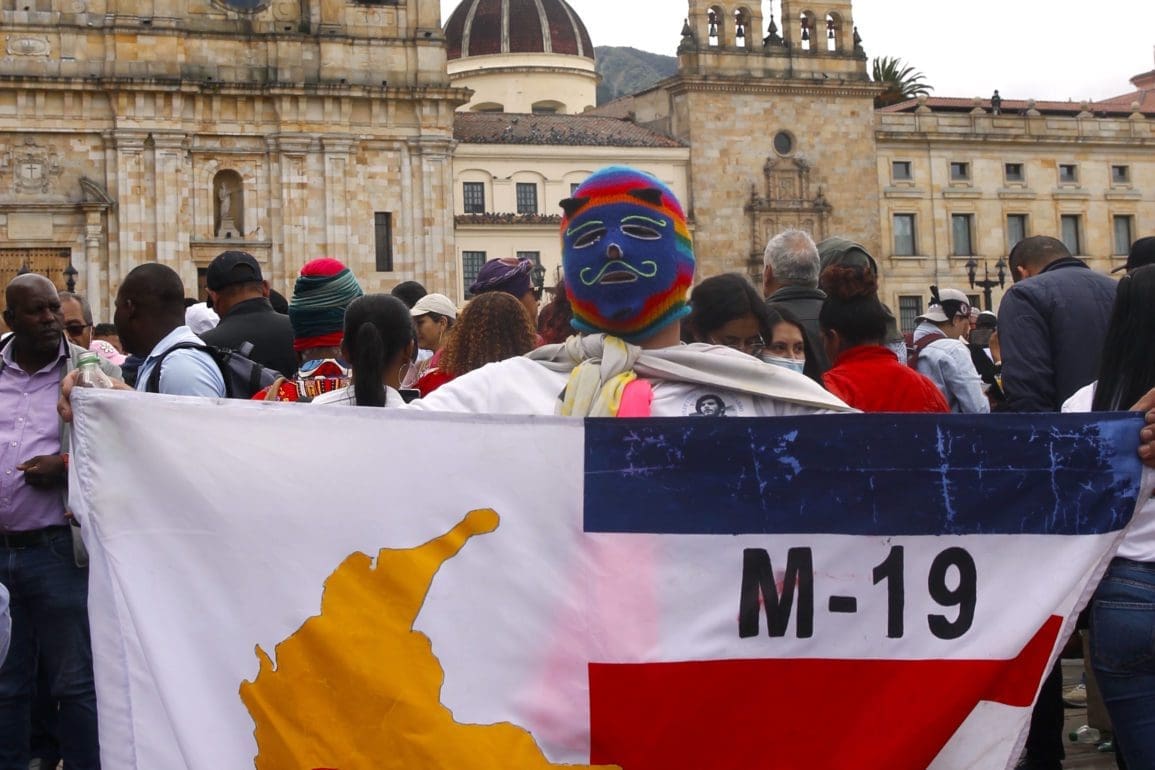
On Sunday, August 7, 2022, the city of Bogotá erupted into celebration as the first leftist President in the country’s history took his oath of office. Gustavo Petro, once a member of Colombia’s M-19 guerrilla group, beat out conservative candidates in a party that long held power there. Thousands of people, including men and women from remote areas of the country, flocked to the Plaza de Bolívar and surrounding squares to witness the inauguration of the first left-wing government in Colombia. The crowd included the Indigenous Guard, peasants from the south of the country, Afro-descendant communities, youth, and survivors of the Patriotic Union. Petro promises to tackle inequality, boost anti-poverty programs, and bring more focus to rural communities. It was a historic day for many in Colombia.

For more stories out of Latin America click here.