Activists in Spain celebrate Pride Week, call for equal rights

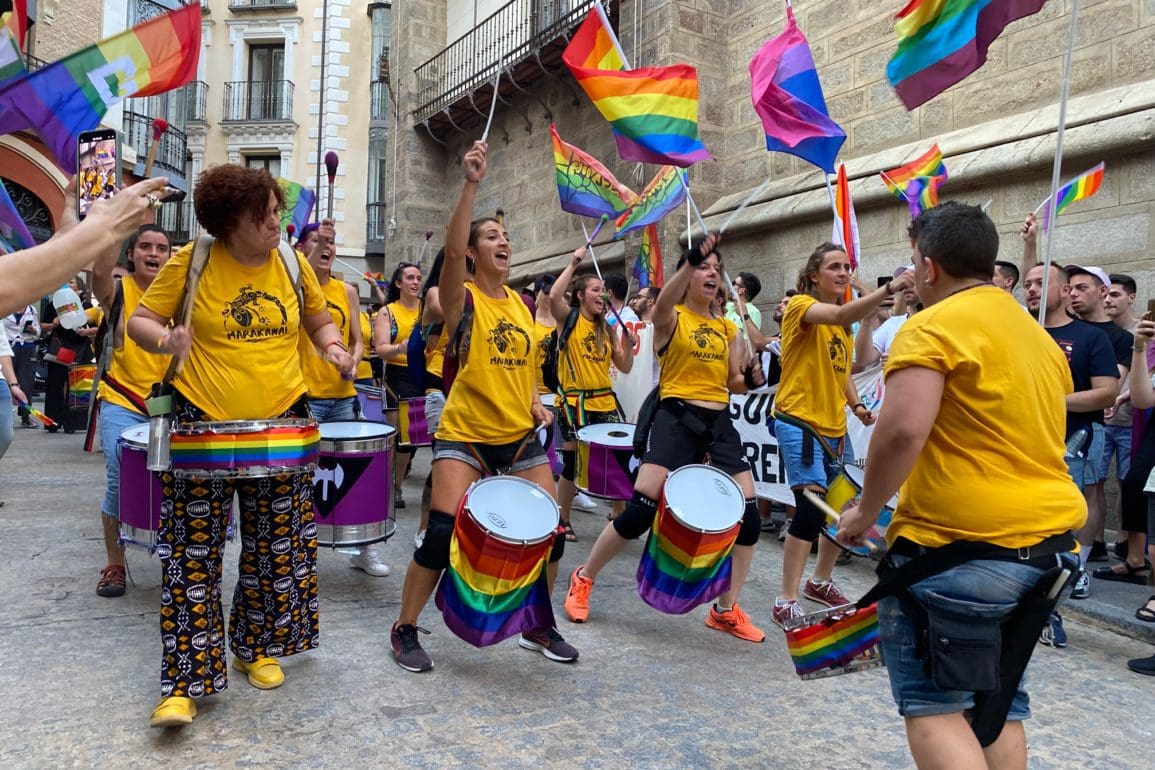
TOLEDO, Spain ꟷ Colored flags waved high during the march that closed out the 2022 Pride Week in Toledo. Hundreds of members of the LGTBI+ community, and their allies, walked from the Plaza de Zocodover to City Hal. In Spain, LGTBI+ stands for lesbian, gay, transgender, bisexual, and intersex – a variation of the North American phrase LGBTQ+.

Through a cry of courage, they not only demonstrated their pride. Participants also made a clear call to demand equal rights and social change.

Moderators of the event read the following from their manifesto: “Spain has been characterized by being a flagship country in respect for equality and it will continue to be so. An example of that reality is the legislation of equal marriage achieved 17 years ago.”

Meanwhile, one of the protesters pointed out, “Pride means claiming our rights at a time when they are also being called into question and when hate speech is increasing by large sectors of the population and politics. We believe that it is very necessary to manifest ourselves and make ourselves visible.” Members of the community around the world celebrate Pride Week in June to commemorate the historical event at Stonewall.

Read more about activism taking place in the LGBTQ+ community.

Thousands protest at Filipino president’s first State of the Nation address

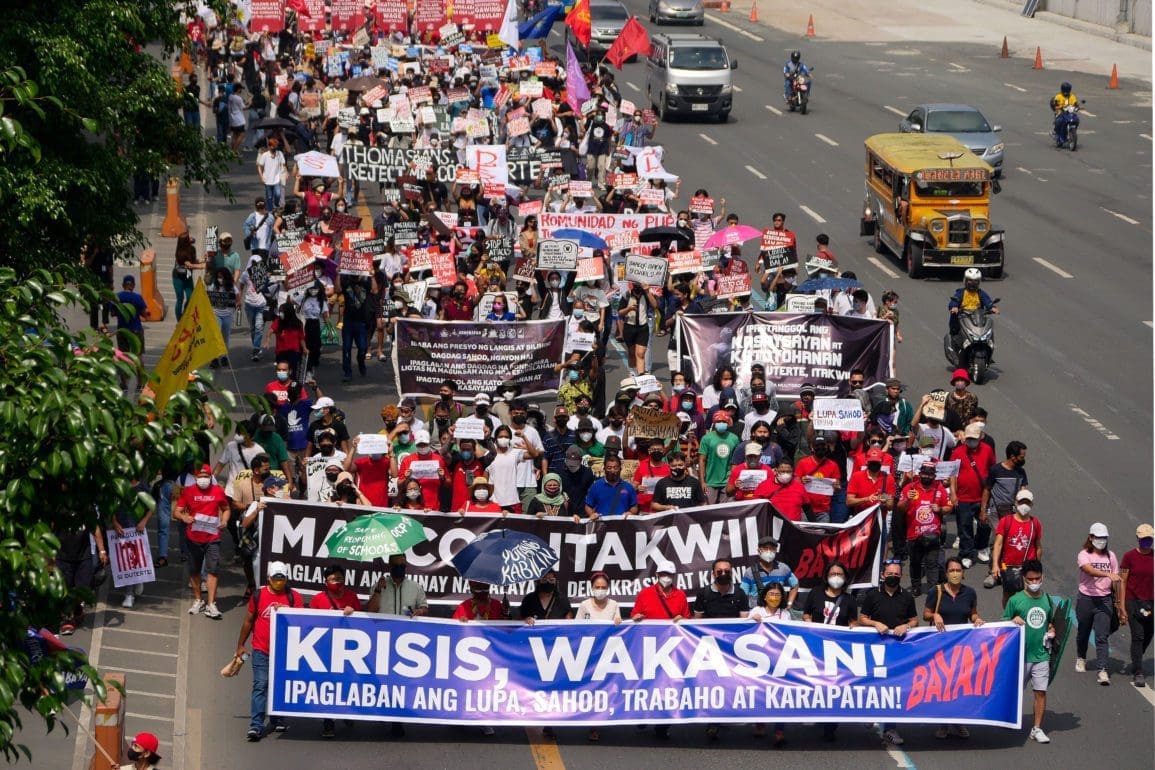
QUEZON CITY, Philippines ꟷ On Monday, July 25, 2022 newly inaugurated President Ferdinand “Bong Bong” Marcos, Jr. delivered his first State of the Nation (SONA) address. Thousands of Filipinos including laborers, medical frontliners, educators, artists, freedom advocates, and citizens, marched in protest at the event.

The protesters marched from Commonwealth Avenue at the University of the Philippines to Tandang Sora Avenue. They are demanding a clear plan and strategy from the newly inaugurated president regarding multiple crises facing the country. Citizens protested over issues including oil prices, inflation, the lingering effects of the COVID-19 Pandemic, and national debt. Coverage of the event points indicates strategies are missing around critical human rights. It also points to the lack of strategy on climate change, and attacks that have occurred against environmental activists.

El Salvador man immobilized by gang violence featured on PBS for his fine art

Melvin Gomez
Interview Subject
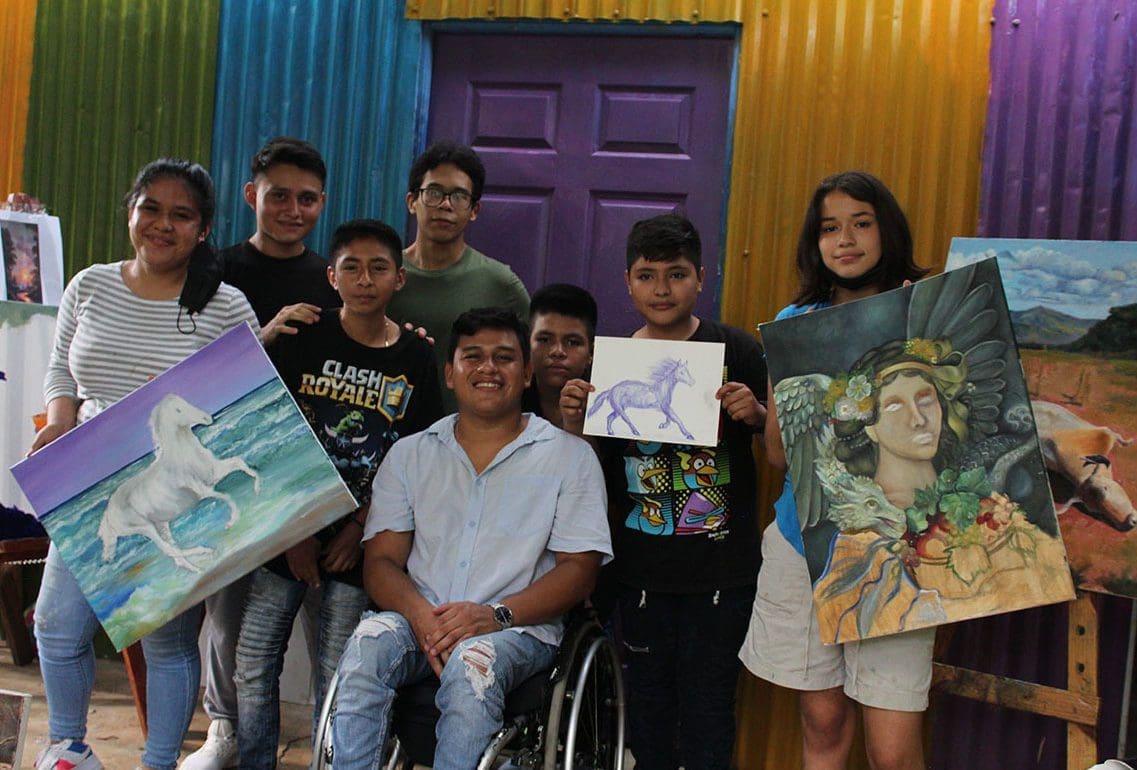
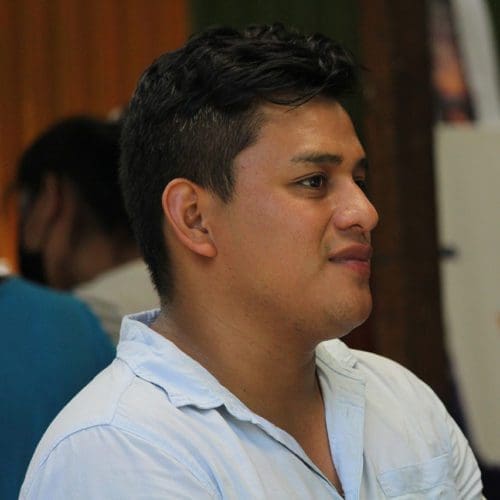
Melvin Gómez was the victim of a reprehensible act of violence in 2009, committed by gangs. Three of his best friends died and he was the only survivor. However, he received a bullet to his spine that caused paraplegia in the spinal cord. He lost the mobility of his legs.
Gómez has been interested in painting and sculpturing since he was a child. After his life was changed by the violent act, art was the only means that helped him overcome the struggle.
In 2017, he obtained a scholarship to study the international baccalaureate in Norway and later, a bachelor’s degree in the United States at Ringling College of Art and Design, Sarasota Florida.
He has had many economic and mobility complications, but he sought to overcome it and faced the barriers that life placed on him. He is currently sharing his knowledge with the children of his town through non-profit workshops while waiting for a job in Canada.
Background Information
El Salvador is a country that has many challenges to overcome. This includes improving security, since gangs still dominate some sectors. In addition, access to education must be improved since there is no equitable access along with problems such as low academic performance and school desertion, among others.
For many years, the country has been besieged by gangs and has been characterized by violence. Between 2004 and 2018, citizens suffered a wave of deaths similar to that of the civil war, with 70,948 people killed.
According to police statistics, young people between the ages of 18 and 26 are the sector most attacked by these criminal groups. However, El Salvador dropped off the list of the most dangerous countries in the world, and the murder rate dropped dramatically – from 52 to 18 homicides per 100,000 inhabitants – according to the Citizen Council for Public Security and Criminal Justice (CCSPJP) of Mexico.

SARASOTA, Florida — A brutal act of gang violence in 2009 left me immobile and in a wheelchair. I turned to art. Suddenly, I became aware of how fragile life is, and art served as my therapy and form of expression.

I began studying art in Norway and then, in 2021, won the highest scholarship honor at Ringling College of Art and Design in Florida. This year, I earned a feature on PBS.

Young man overcomes violence and poverty to pursue his dreams

I have experienced many difficult moments in my life but being a victim of violence changed things drastically. At home in El Salvador, a gang attacked me and my friends.

They killed three of my best friends that day. In the shooting, a bullet struck made my legs, putting me in a wheelchair. Though I struggled with difficulties after the shooting, the incident presented new opportunities for me to learn and know myself better.

I had always been curious about art. As a child, my mother always took me to church. I admired the altar and the sculptures. I felt an immense curiosity to understand that form of expression, which also provoked feelings in me I did not understand.

Later, I met my neighbor, who was an artist. I liked to watch him paint and attended his exhibitions. It made me want to learn. He told me he could teach me, and I took up his offer. One Sunday, while he rested, I took a notebook and began learning. That’s how I started to draw.

The desire to improve motivated me to continue. Growing up in El Salvador, we experienced economic limitations, but my mother pushed us to study. She served as a pillar, and I learned that a person’s financial limitations do not determine who you are or where you can go.

I made up my mind. In 2014, I went to Norway for three years for a high school study abroad program, thanks to the United World Colleges organization.

Art becomes deeply personal, goes beyond the violence

After the shooting, I never gave up, constantly looking for ways to move forward. I took advantage of being a proud Salvadoran.

In 2015, I participated in the Winter Games in Norway. I represented El Salvador and won a silver medal in Cross Country at 21 km. I even painted a mural for the Queen of Norway.

Today, many of my paintings carry personal meaning. Creating pieces of art such as my self-portrait or “Innocent,” in which a boy is shooting a horse, have deeply impacted me.

When I completed a series about angels, they symbolized freedom and questioning the afterlife. My art represents a compilation of experiences I have seen, have happened, or are inspired by people who lost their lives at an early age due to violence.

I do not seek to pay tribute to violence but rather go beyond it, and understand it is part of our reality.

Changing people’s lives with art, encouraging them to dream

Today, painting gives meaning to my daily life. In fact, it serves as a way of life. It makes me feel complete. I can express my emotions through art. As an artist, I also feel a responsibility to monitor my time, my emotions, the way I think, and how I interpret my world. I try to be sincere when painting the tragedy that happened to me or the sadness I see around me.

Being impacted by gang violence forced me to grow up at a very early age, and to see life realistically. It led me to understand everything is fleeting and fragile. I began feeling love, compassion, and a sense of humanity for others.

Now, I seek to replicate my passion and share it. Along the way, I met people who extended their hand to me – to help or to offer sincere advice. My art allows me to share what I receive. I want to make a difference in a country like El Salvador, so I return home regularly.

If possible, I would like my people to have the same opportunity I had. I want everyone to dare to dream. Great things can be achieved with art, including changing people’s lives.

All photos by Cecilia Fuentes

March in Argentina calls for gender rights, end to gender violence

BUENOS AIRES, Argentina — On June 3, 2022, citizens commemorated another anniversary of the first Ni Una Menos march. The movement fights for the rights of women, trans, and non-binary individuals. The first march took place on June 15, 2015, after a series of events took place. These events included gender violence, femicides, and the lack of commitment from the judicial system and the State to respond. The incidents led to various groups coming together to organize a movement to claim their rights. Initially, women’s rights were the main focus. Over time, the struggle expanded to include gender violence against transgender, non-binary, and gender-fluid people.

The Ni Una Menos movement highlights the lack of commitment on the part of the state to curb gender violence and femicides, as well as the treatment of justice in cases of disappeared or murdered persons. From the first march, organizers achieved different objectives. This includes the implementation and discussion of laws such as the Micaela Law, Law 27,412 on Gender Parity in Areas of Representation, the Brisa Law, and the law of voluntary termination of pregnancy. Currently, activists continue to demand the implementation of these laws. Although the laws exist, the State does not fully respect them. Femicides and violence against different feminine identities continue to occur.

The most recent Ni Una Menos march on June 3, 2022, came after the COVID-19 Pandemic interrupted previous marches. This march called specifically for the effective implementation Comprehensive Sexual Education in all schools. It also brought attention to issues like ecocide, student debt, and separation of church and state. Finally, it brought attention to the still unsolved disappearance of Tehuel. Tehuel was a trans man who went looking for work and never came back.

All photos by Eva Velazquez.

Geographic engineer in Colombia studies melting snow caps, witnesses profound beauty

Jorge Ceballos Colombian glaciologist
Interview Subject
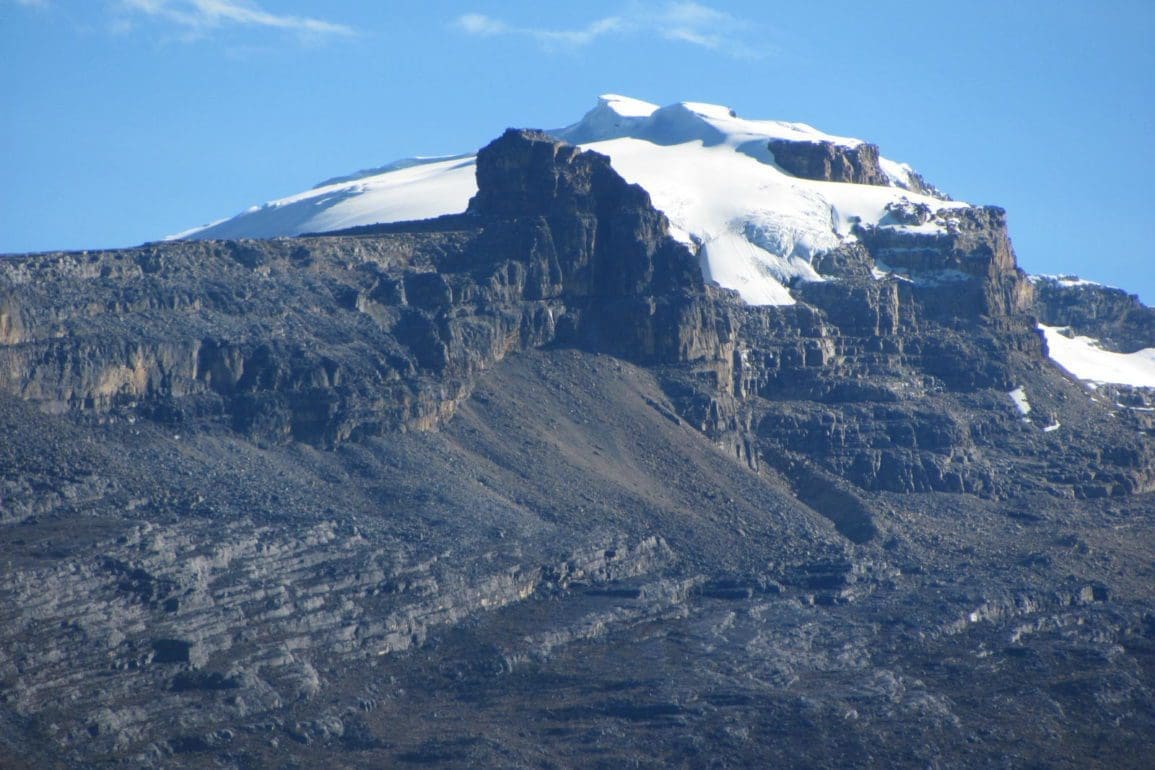
Jorge Ceballos, a geographer by training, is perhaps the only glaciologist in Colombia. His mission for several years has been to periodically monitor the glaciers of Santa Isabel, the lowest-altitude snow-capped mountain in Colombia, and the Sierra Nevada de Chita, El Cocuy and Güicán, the largest glacier in the country. Jorge is a first-hand witness to the progressive disappearance of these snowy giants in Colombia, due to climate change.

Jorge points out that these changes are also opportunities and among these is the opportunity to train new generations of glaciologists, as well as to include the communities in participatory projects that in some way can teach them to adapt and assume the climatic impacts in their territories.
Background Information
The melting of snow-capped mountains is one of the most visible and immediate effects of climate change. The snow caps are the most affected by this change and it will be their inhabitants who will have to face what it means to live with less water, less arable land, more extreme temperatures, fewer tropical forests and jungles, and without glaciers. “The last glaciologist” as he has been baptized, carries an immense responsibility on his shoulders, but also recognizes a moderate optimism in the face of the irreversible effects of climate change.

BOGOTÁ, Colombia ꟷ People often ask why I study glaciers. After all, they will only disappear. Generations to come will know a far different landscape. I say, if the glaciers disappear, then those of us who study them will disappear too.

For 25 years, I have worked to interpret what the glaciers say to us as they evolve and change. People think I climb mountains and summits. I do not. Mountaineers humanize the terrain they climb, asking permission to enter. I go to the summits for scientific data, but I become privileged to contemplate the most beautiful landscapes in Colombia.

Witnessing the earth’s beauty and impact of climate change

When I witnessed the opening of the volcano Nevado del Ruíz, I cried; and the mountain peaks behind the Nevado de El Cocuy national park proved the most beautiful sight I ever witnessed.

In 2019, a condor passed right in front of my eyes, less than ten meters away. It floated down from the Santa Isabel snow-caps. I suddenly heard a sound like a whistle and there it was in all its majesty in front of me.

I returned to Santa Isabel last year after not being there for nine months due to the COVID-19 Pandemic. During that time, the snow-caps melted significantly. To see the caps nearly without snow triggered a sadness in me, knowing something I spent a lifetime studying may soon disappear.

One thing always remains the same, though – the silence that inhabits the mountains. On my 2019 trip up Santa Isabel, I injured my back. I needed to stop and lie down while others continued the ascent, so I laid in the soft snow looking at the glacier submerged in clouds. I could see nothing but white. The moment felt magical.

The road to becoming a geographic engineer

You could say I am person defined by extremes. In my youth, I dreamed of becoming an astronomer but to study astronomy in Colombia proved nearly impossible. I considered microbiology but, in the end, chance led me to geographic engineering.

As I finished high school, I applied to the National University of Colombia to study Geography but failed the admissions exam. One afternoon, watching Spanish journalist José Fernández Gómez on TV, he interviewed the director of geographic engineering from Jorge Tadeo Lozano University.

The director explained how the program included astronomy, topography, geology, and biology. Right then, I decided to become a geographic engineer.

In college, I wanted to understand the workings of natural systems and forms of earth. Geomorphology examines the workings of the landscape, mountains, rivers, and coasts. It explores the relationship between climate and people.

I felt touched by the topic. Since then, Geomorphology seems to rarely be taught, like an abandoned science replaced by biology, biodiversity, and ecosystems. Neglecting geomorphology means neglecting geodiversity.

For example, geosystems remain more complex than ecosystems. Understanding geosystems allows us to better interpret our natural environment and territory. The geosystem involves not only nature, such as rock, soil, vegetation, climate, and water, but also the use of the territory. Colombia remains a country full of geosystems.

The study of the high peaks

Abandoning earth sciences in Colombia seems ironic since Colombia boasts the diversity of the Amazon, Orinoquía, deserts, and coasts. My professors came from Europe, and some even retired from their jobs at home to come teach in Colombia. With them, a generation of scholars and earth sciences ended.

The geographic engineer serves a very practical purpose, more of an engineer than a geographer. In this country, few geographic engineers exist. You can count them in the hundreds. I got my degree in 1989, and people still ask me, “What is geographic engineering?” I learned from professors who studied glaciers in the 1980’s.

To Colombians, glaciers seem like a distant and cold structure far away where wealthy sportsmen take trips. Any glaciers in Colombia became restricted due to violence in the country. Between the 1930’s and 1950’s the white summits were dominated by foreigners.

Germans who came to study the geology of the country drew up the first geological map and described the volcanoes and rocks, while the Colombian peasants were the ones who loaded their equipment and rented their mules. Over time, in the seventies, Colombians began to venture into the snowy mountains. We learned the techniques of the Europeans, and mountaineering groups began to form in Colombia. We still saw glaciers as a sporting challenge and not a scientific one.

From geographic engineer to glaciologist

When I came to work at the Agustín Codazzi Geographical Institute, a German corporation financed a project to study glaciers, which began melting by the end of the 1980’s. The project consisted of locating meteorological stations near the snow-caps and constantly monitoring them. The first and most sensitive layer of the glacier, the skin, continues to be studied.

When I took a position at the Institute of Hydrology, Meteorology and Environmental Studies (IDEAM) a few years later, I knew nothing about monitoring glaciers. In university I had gone to Nevado del Ruíz and Nevado de El Cocuy but the experience did not fully prepare me. This job took me to another level, climbing twice a year to the snowy peaks of Santa Isabel and El Cocuy. I feared the cold and for good reason. It remains exhausting and frustrating.

People misunderstand glaciers. Humans generally think glaciers are cold, static, and white, but the glaciers change frequently. Every month they change color on the same day. Each glacier bares a unique personality related to local conditions and height.

On each climb to the glaciers, we leave marks with spray or red paint to monitor them; the marks contain historical value. Thanks to these marks, ecologists discover patterns such as the colonization of plant species as the area loses snow. The first species to colonize include fungi and lichens, the strongest species in the paramo. I like to call them warriors of the wasteland. Other types of lichens and species with roots arrive next, and thus, little by little, a new ecosystem forms.

The future of the glaciers may be in the hands of women

People consumed by sensationalism ask me, “When will the glaciers disappear?” I answer, “Everything in life is about change.”

Young people who live in these environments more often realize the ecosystem is changing, and they organize themselves. They collect resources, journal those changes, commit and act toward preservation. I call this participatory glaciology.

In 2015 I started working with women and hope to continue and grow that work. In thier hands, glaciology can expand. We can study the snow caps and make an impact in the face of climate change.

Ingeniero geográfico en Colombia estudia los casquetes nevados que se derriten y es testigo de una belleza profunda

Jorge Ceballos Colombian glaciologist
Interview Subject
Jorge Ceballos, a geographer by training, is perhaps the only glaciologist in Colombia. His mission for several years has been to periodically monitor the glaciers of Santa Isabel, the lowest-altitude snow-capped mountain in Colombia, and the Sierra Nevada de Chita, El Cocuy and Güicán, the largest glacier in the country. Jorge is a first-hand witness to the progressive disappearance of these snowy giants in Colombia, due to climate change.

Jorge points out that these changes are also opportunities and among these is the opportunity to train new generations of glaciologists, as well as to include the communities in participatory projects that in some way can teach them to adapt and assume the climatic impacts in their territories.
Background Information
The melting of snow-capped mountains is one of the most visible and immediate effects of climate change. The snow caps are the most affected by this change and it will be their inhabitants who will have to face what it means to live with less water, less arable land, more extreme temperatures, fewer tropical forests and jungles, and without glaciers. “The last glaciologist” as he has been baptized, carries an immense responsibility on his shoulders, but also recognizes a moderate optimism in the face of the irreversible effects of climate change.

BOGOTÁ, Colombia ꟷ La gente suele preguntarme por qué estudio los glaciares. Después de todo, solo desaparecerán. Las generaciones venideras conocerán un paisaje muy diferente. Yo digo, si los glaciares desaparecen, los que los estudiamos también desapareceremos.

Durante 25 años, he trabajado para interpretar lo que los glaciares nos dicen a medida que evolucionan y cambian. La gente piensa que escalo montañas y cumbres. No es así. Los montañistas humanizan la montaña que escalan, pidiendo permiso para entrar. Voy a las cumbres en busca de datos científicos, pero me vuelvo privilegiado al contemplar los paisajes más hermosos de Colombia.

Ser testigo de la belleza de la tierra y el impacto del cambio climático

Cuando presencié la apertura del volcán Nevado del Ruíz, lloré; y los picos de las montañas detrás del parque nacional Nevado de El Cocuy resultaron ser la vista más hermosa que jamás haya presenciado.

En 2019, un cóndor pasó justo frente a mis ojos, a menos de diez metros de distancia. Flotó hacia abajo desde los casquetes nevados de Santa Isabel. De repente escuché un sonido como un silbato y allí estaba en toda su majestuosidad frente a mí.

Regresé a Santa Isabel el año pasado después de no estar allí durante nueve meses debido a la pandemia de COVID-19. Durante ese tiempo, los casquetes nevados se derritieron significativamente. Ver los casquetes casi sin nieve desencadenó una tristeza en mí, sabiendo que algo que estudié durante toda mi vida podría desaparecer pronto.

Sin embargo, una cosa siempre permanece igual: el silencio que habita en las montañas. En mi viaje de 2019 a Santa Isabel, me lastimé la espalda. Necesitaba parar y acostarme mientras otros continuaban el ascenso, así que me acosté en la nieve blanda mirando el glaciar sumergido en nubes. No podía ver nada más que blanco. El momento se sintió mágico.

El camino para convertirse en ingeniero geográfico

Se podría decir que soy una persona definida por los extremos. En mi juventud, soñaba con ser astrónomo, pero estudiar astronomía en Colombia resultó casi imposible. Consideré la microbiología pero, al final, la casualidad me llevó a la ingeniería geográfica.

Cuando terminé la escuela secundaria, apliqué a la Universidad Nacional de Colombia para estudiar Geografía pero reprobé el examen de admisión. Una tarde, viendo por televisión al periodista español José Fernández Gómez, entrevistó al director de ingeniería geográfica de la Universidad Jorge Tadeo Lozano.

El director explicó cómo el programa incluía astronomía, topografía, geología y biología. En ese momento, decidí convertirme en ingeniero geográfico.

En la universidad, quería comprender el funcionamiento de los sistemas naturales y las formas de la tierra. La geomorfología examina el funcionamiento del paisaje, las montañas, los ríos y las costas. Explora la relación entre el clima y las personas.

Me sentí tocado por el tema. Desde entonces, parece que la Geomorfología rara vez se enseña, como una ciencia abandonada reemplazada por la biología, la biodiversidad y los ecosistemas. Descuidar la geomorfología significa descuidar la geodiversidad.

Por ejemplo, los geosistemas siguen siendo más complejos que los ecosistemas. Comprender los geosistemas nos permite interpretar mejor nuestro entorno natural y nuestro territorio. El geosistema involucra no solo la naturaleza, como roca, suelo, vegetación, clima y agua, sino también el uso del territorio. Colombia sigue siendo un país lleno de geosistemas.

El estudio de las altas cumbres

Abandonar las ciencias de la tierra en Colombia parece irónico ya que Colombia cuenta con la diversidad de Amazonas, Orinoquía, desiertos y costas. Mis profesores vinieron de Europa, y algunos incluso se retiraron de sus trabajos en casa para venir a enseñar a Colombia. Con ellos terminó una generación de estudiosos y ciencias de la tierra.

El ingeniero geográfico cumple un propósito muy práctico, más ingeniero que geógrafo. En este país existen pocos ingenieros geógrafos. Puedes contarlos por cientos. Obtuve mi título en 1989 y la gente todavía me pregunta: “¿Qué es la ingeniería geográfica?” Aprendí de profesores que estudiaron los glaciares en la década de 1980.

Para los colombianos, los glaciares parecen una estructura lejana y fría donde viajan deportistas adinerados. Cualquier glaciar en Colombia quedó restringido debido a la violencia en el país. Entre las décadas de 1930 y 1950 las cumbres blancas estuvieron dominadas por extranjeros.

Los alemanes que vinieron a estudiar la geología del país elaboraron el primer mapa geológico y describieron los volcanes y las rocas, mientras que los campesinos colombianos fueron quienes cargaron sus equipos y alquilaron sus mulas. Con el tiempo, en la década de los setenta, los colombianos comenzaron a incursionar en las montañas nevadas. Aprendimos las técnicas de los europeos y empezaron a formarse grupos de andinistas en Colombia. Todavía veíamos los glaciares como un desafío deportivo y no científico.

De ingeniero geográfico a glaciólogo

Cuando llegué a trabajar al Instituto Geográfico Agustín Codazzi, una corporación alemana financió un proyecto para estudiar los glaciares, que comenzaron a derretirse a fines de la década de 1980. El proyecto consistió en ubicar estaciones meteorológicas cerca de los nevados y monitorearlos constantemente. La primera y más sensible capa del glaciar, la piel, continúa en estudio.

Cuando asumí un puesto en el Instituto de Hidrología, Meteorología y Estudios Ambientales (IDEAM) unos años después, no sabía nada sobre el monitoreo de glaciares. En la universidad había ido al Nevado del Ruíz y al Nevado de El Cocuy pero la experiencia no me preparó del todo. Este trabajo me llevó a otro nivel, subiendo dos veces al año a los nevados de Santa Isabel y El Cocuy. Temía el frío y por una buena razón. Sigue siendo agotador y frustrante.

La gente malinterpreta los glaciares. Los humanos generalmente piensan que los glaciares son fríos, estáticos y blancos, pero los glaciares cambian con frecuencia. Todos los meses cambian de color el mismo día. Cada glaciar tiene una personalidad única relacionada con las condiciones locales y la altura.

En cada ascenso a los glaciares, dejamos marcas con spray o pintura roja para monitorearlos; las marcas contienen valor histórico. Gracias a estas marcas, los ecologistas descubren patrones como la colonización de especies vegetales a medida que la zona pierde nieve. Las primeras especies en colonizar incluyen hongos y líquenes, las especies más fuertes del páramo. Me gusta llamarlos guerreros del páramo. A continuación llegan otros tipos de líquenes y especies con raíces, y así, poco a poco, se forma un nuevo ecosistema.

El futuro de los glaciares puede estar en manos de las mujeres

La gente consumida por el sensacionalismo me pregunta: “¿Cuándo desaparecerán los glaciares?”. Respondo: “Todo en la vida se trata de cambios”.

Los jóvenes que viven en estos entornos se dan cuenta con mayor frecuencia de que el ecosistema está cambiando y se organizan. Recopilan recursos, registran esos cambios, se comprometen y actúan para la preservación. A esto lo llamo glaciología participativa.

En 2015 comencé a trabajar con mujeres y espero continuar y hacer crecer ese trabajo. En sus manos, la glaciología puede expandirse. Podemos estudiar los casquetes nevados y generar impacto frente al cambio climático.

Ingeniera geográfica en Colombia estudia los casquetes nevados que se derriten y es testigo de una belleza profunda

Jorge Ceballos Colombian glaciologist
Interview Subject
Jorge Ceballos, a geographer by training, is perhaps the only glaciologist in Colombia. His mission for several years has been to periodically monitor the glaciers of Santa Isabel, the lowest-altitude snow-capped mountain in Colombia, and the Sierra Nevada de Chita, El Cocuy and Güicán, the largest glacier in the country. Jorge is a first-hand witness to the progressive disappearance of these snowy giants in Colombia, due to climate change.

Jorge points out that these changes are also opportunities and among these is the opportunity to train new generations of glaciologists, as well as to include the communities in participatory projects that in some way can teach them to adapt and assume the climatic impacts in their territories.
Background Information
The melting of snow-capped mountains is one of the most visible and immediate effects of climate change. The snow caps are the most affected by this change and it will be their inhabitants who will have to face what it means to live with less water, less arable land, more extreme temperatures, fewer tropical forests and jungles, and without glaciers. “The last glaciologist” as he has been baptized, carries an immense responsibility on his shoulders, but also recognizes a moderate optimism in the face of the irreversible effects of climate change.

BOGOTÁ, Colombia ꟷ La gente suele preguntarme por qué estudio los glaciares. Después de todo, solo desaparecerán. Las generaciones venideras conocerán un paisaje muy diferente. Yo digo, si los glaciares desaparecen, los que los estudiamos también desapareceremos.

Durante 25 años, he trabajado para interpretar lo que los glaciares nos dicen a medida que evolucionan y cambian. La gente piensa que escalo montañas y cumbres. No es así. Los montañistas humanizan la montaña que escalan, pidiendo permiso para entrar. Voy a las cumbres en busca de datos científicos, pero me vuelvo privilegiado al contemplar los paisajes más hermosos de Colombia.

Ser testigo de la belleza de la tierra y el impacto del cambio climático

Cuando presencié la apertura del volcán Nevado del Ruíz, lloré; y los picos de las montañas detrás del parque nacional Nevado de El Cocuy resultaron ser la vista más hermosa que jamás haya presenciado.

En 2019, un cóndor pasó justo frente a mis ojos, a menos de diez metros de distancia. Flotó hacia abajo desde los casquetes nevados de Santa Isabel. De repente escuché un sonido como un silbato y allí estaba en toda su majestuosidad frente a mí.

Regresé a Santa Isabel el año pasado después de no estar allí durante nueve meses debido a la pandemia de COVID-19. Durante ese tiempo, los casquetes nevados se derritieron significativamente. Ver los casquetes casi sin nieve desencadenó una tristeza en mí, sabiendo que algo que estudié durante toda mi vida podría desaparecer pronto.

Sin embargo, una cosa siempre permanece igual: el silencio que habita en las montañas. En mi viaje de 2019 a Santa Isabel, me lastimé la espalda. Necesitaba parar y acostarme mientras otros continuaban el ascenso, así que me acosté en la nieve blanda mirando el glaciar sumergido en nubes. No podía ver nada más que blanco. El momento se sintió mágico.

El camino para convertirse en ingeniero geográfico

Se podría decir que soy una persona definida por los extremos. En mi juventud, soñaba con ser astrónomo, pero estudiar astronomía en Colombia resultó casi imposible. Consideré la microbiología pero, al final, la casualidad me llevó a la ingeniería geográfica.

Cuando terminé la escuela secundaria, apliqué a la Universidad Nacional de Colombia para estudiar Geografía pero reprobé el examen de admisión. Una tarde, viendo por televisión al periodista español José Fernández Gómez, entrevistó al director de ingeniería geográfica de la Universidad Jorge Tadeo Lozano.

El director explicó cómo el programa incluía astronomía, topografía, geología y biología. En ese momento, decidí convertirme en ingeniero geográfico.

En la universidad, quería comprender el funcionamiento de los sistemas naturales y las formas de la tierra. La geomorfología examina el funcionamiento del paisaje, las montañas, los ríos y las costas. Explora la relación entre el clima y las personas.

Me sentí tocado por el tema. Desde entonces, parece que la Geomorfología rara vez se enseña, como una ciencia abandonada reemplazada por la biología, la biodiversidad y los ecosistemas. Descuidar la geomorfología significa descuidar la geodiversidad.

Por ejemplo, los geosistemas siguen siendo más complejos que los ecosistemas. Comprender los geosistemas nos permite interpretar mejor nuestro entorno natural y nuestro territorio. El geosistema involucra no solo la naturaleza, como roca, suelo, vegetación, clima y agua, sino también el uso del territorio. Colombia sigue siendo un país lleno de geosistemas.

El estudio de las altas cumbres

Abandonar las ciencias de la tierra en Colombia parece irónico ya que Colombia cuenta con la diversidad de Amazonas, Orinoquía, desiertos y costas. Mis profesores vinieron de Europa, y algunos incluso se retiraron de sus trabajos en casa para venir a enseñar a Colombia. Con ellos terminó una generación de estudiosos y ciencias de la tierra.

El ingeniero geográfico cumple un propósito muy práctico, más ingeniero que geógrafo. En este país existen pocos ingenieros geógrafos. Puedes contarlos por cientos. Obtuve mi título en 1989 y la gente todavía me pregunta: “¿Qué es la ingeniería geográfica?” Aprendí de profesores que estudiaron los glaciares en la década de 1980.

Para los colombianos, los glaciares parecen una estructura lejana y fría donde viajan deportistas adinerados. Cualquier glaciar en Colombia quedó restringido debido a la violencia en el país. Entre las décadas de 1930 y 1950 las cumbres blancas estuvieron dominadas por extranjeros.

Los alemanes que vinieron a estudiar la geología del país elaboraron el primer mapa geológico y describieron los volcanes y las rocas, mientras que los campesinos colombianos fueron quienes cargaron sus equipos y alquilaron sus mulas. Con el tiempo, en la década de los setenta, los colombianos comenzaron a incursionar en las montañas nevadas. Aprendimos las técnicas de los europeos y empezaron a formarse grupos de andinistas en Colombia. Todavía veíamos los glaciares como un desafío deportivo y no científico.

De ingeniero geográfico a glaciólogo

Cuando llegué a trabajar al Instituto Geográfico Agustín Codazzi, una corporación alemana financió un proyecto para estudiar los glaciares, que comenzaron a derretirse a fines de la década de 1980. El proyecto consistió en ubicar estaciones meteorológicas cerca de los nevados y monitorearlos constantemente. La primera y más sensible capa del glaciar, la piel, continúa en estudio.

Cuando asumí un puesto en el Instituto de Hidrología, Meteorología y Estudios Ambientales (IDEAM) unos años después, no sabía nada sobre seguimiento de glaciares. En la universidad había ido al Nevado del Ruíz y Nevado de El Cocuy pero la experiencia no preparó completamente yo. Este trabajo me llevó a otro nivel, subiendo dos veces al año a los picos nevados de Santa Isabel< /a> y El Cocuy. Temía el frío y por una buena razón. Sigue siendo agotador y frustrante.

La gente malinterpreta los glaciares. Los humanos generalmente piensan que los glaciares son fríos, estáticos y blancos, pero los glaciares cambian con frecuencia. Todos los meses cambian de color el mismo día. Cada glaciar tiene una personalidad única relacionada con las condiciones locales y la altura.

En cada ascenso a los glaciares, dejamos marcas con spray o pintura roja para monitorearlos; las marcas contienen valor histórico. Gracias a estas marcas, los ecologistas descubren patrones como la colonización de plantas especies a medida que la zona pierde nieve. Las primeras especies en colonizar incluyen hongos y líquenes, las especies más fuertes del páramo. Me gusta llamarlos guerreros del páramo. A continuación llegan otros tipos de líquenes y especies con raíces, y así, poco a poco, se forma un nuevo ecosistema.

El futuro de los glaciares puede estar en manos de las mujeres

La gente consumida por el sensacionalismo me pregunta: “¿Cuándo desaparecerán los glaciares?”. Respondo: “Todo en la vida se trata de cambios”.

Los jóvenes que viven en estos entornos se dan cuenta con mayor frecuencia de que el ecosistema está cambiando y se organizan. Recopilan recursos, registran esos cambios, se comprometen y actúan para la preservación. A esto lo llamo glaciología participativa.

En 2015 comencé a trabajar con mujeres y espero continuar y hacer crecer ese trabajo. En sus manos, la glaciología puede expandirse. Podemos estudiar los casquetes nevados y tener un impacto frente al cambio climático.

Colombians in Bogotá celebrate 40-year anniversary of first gay pride march

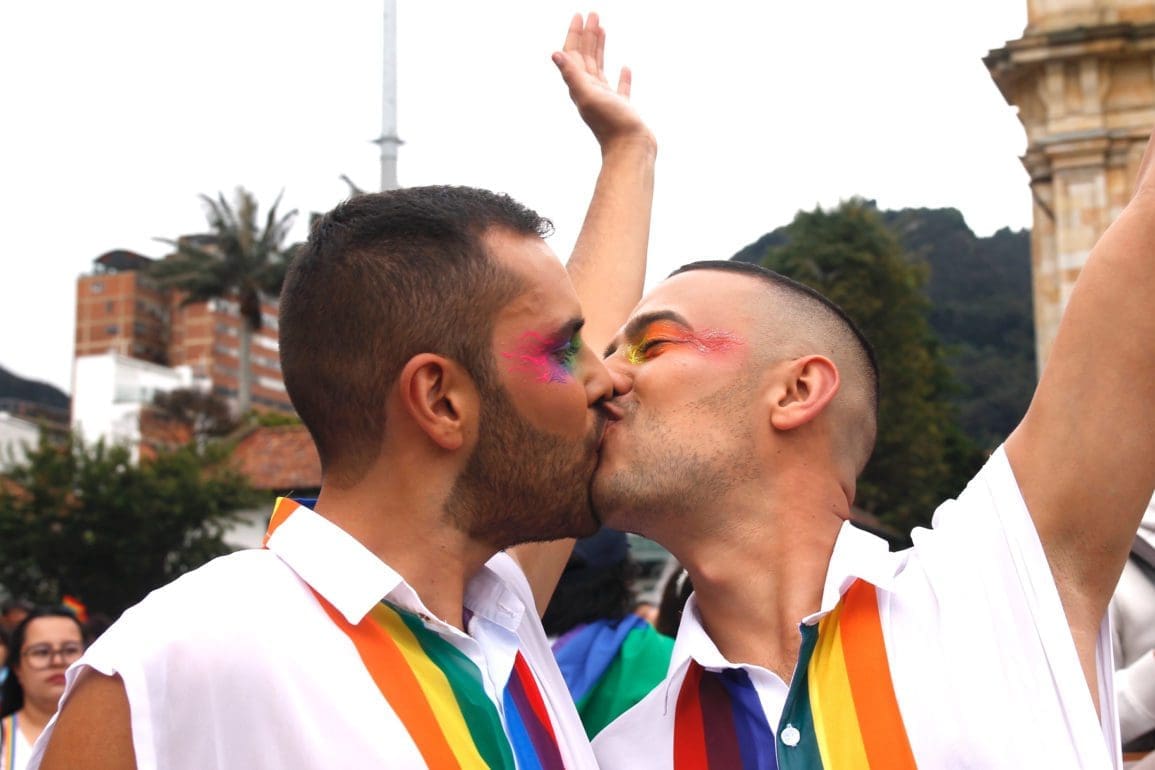
BOGOTÁ, Colombia ꟷ On July 3, 2022, thousands of members of the LGTBIQ* community and their allies took to the streets in the center of the city of Bogotá. This year’s march held special importance. It commemorates 40 years since the first gay pride march held in the Colombian capital. 

This year’s march gained the support of the Mayor’s Office of Bogotá. Thousands of individuals joined the event in celebration of diversity and as a form of protest. The streets of downtown Bogotá filled with the colors of various flags representing the spectrum of gender and sexual identities. The mobilization went from the Enrique Olaya Herrera National Park to the Plaza de Bolívar.

*LGTBIQ represents a common expression used in Colombia, comparable to the North American expression LGBTQ+.

Spanish athlete pedals 60 hours to collect food for the poor

Rubén López Escudero
Interview Subject
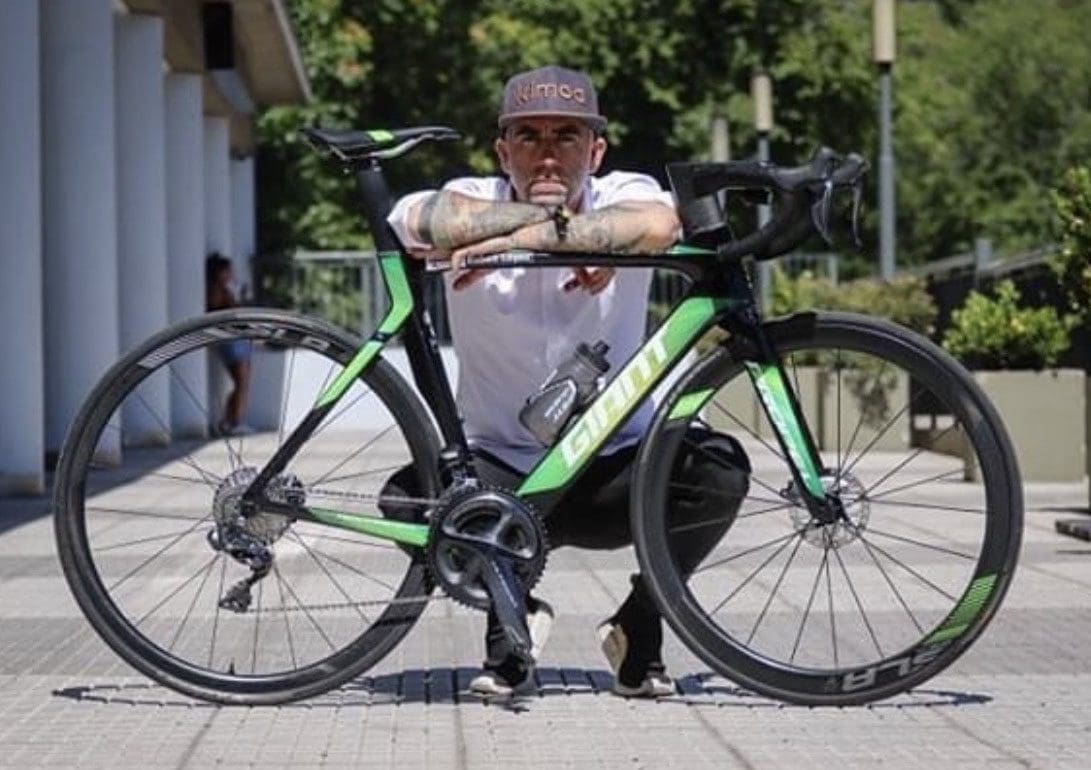
Rubén López Escudero is a Spanish athlete who owns a sporting events company. He is a speaker, activist, publicist, writer, and blogger. He calls himself a restless soul who assumes life has an expiration date and you have to enjoy it with new people around you.

Rubén has completed 17 physical challenges to raise tons of food for the neediest people. He swam the Bermuda triangle, crossed the North Pole at -40 degrees in one week, ascended Mount Kilimanjaro three times in five days, and his next challenge is to pedal a bicycle for 72 hour without stopping.

Before each challenge, Rubén spends a month among olive and pine trees in Andalusia, Spain, to achieve concentration. With his next challenge, he hopes to raise a minimum of 15 tons of food for the community of Los Molles, San Luis, an aboriginal area in Argentina. He is on Instagram.
Background Information
Rubén seeks to eradicate hunger. Hunger in Latin America and the Caribbean is at its highest point since 2000. According to the Regional Panorama of Food and Nutrition Security 2021, in just one year during the COVID-19 pandemic, the number of people living with hunger increased by 13.8 million, reaching a total of 59.7 million people. The prevalence of hunger in Latin America and the Caribbean currently stands at 9.1 percent, the highest in the last 15 years, although slightly below the world average of 9.9 percent. Between 2019 and 2020 alone, the prevalence of hunger increased by 2 percentage points.

Rubén’s extreme challenges include three ascents to Kilimanjaro in 5 days, traveling 250 km nonstop in 7 days at the North Pole, paddling 355 km in 5 days in the Amazon, running 280 km in 5 days in the Amazon, running 280 km in the Atacama Desert, diving with a whale shark in the Philippines, swimming 20 km in the Bermuda Triangle, and pedaling nonstop for 1,689 km in 48 hours and 2,177 km in 60 hours.

MALAGA, Spain ꟷ As I pedaled a stationary bike for 60 hours to collect 15 tons of food, my mind went blank. I focused on the non-stop sound of the bicycle roller. It felt strange.

Suddenly, I became aware of the connection between my legs, my heart, and my soul. Pain inexplicably ran through my entire body, but at the same time something made it feel pleasant and powerful.

Full of energy, I achieved the challenge I set for myself to deliver food to poor children in Mexico.

Extreme challenges by athlete in Spain inspire others to become philanthropic

As I continued pedaling my stationary bike, I remember this moment of fullness and complete absence of pain. I could think of everything and nothing.  Looking at the numbers moving forward on the machine, I focused on the sound. Alone with myself, the good energy and positive vibes I needed came from my own mind.

Several years ago, I started this crazy adventure of sports challenges to help those in need by collecting food. I intended to attract attention by doing unprecedented things to encourage more people to donate. I know I am not going to end world hunger, but if I can spark solidarity in at least one person with each new challenge, it is enough for me.

The feeling of success and inspiring others satisfies me. Not long ago, I was in Costa Rica, traveling along a route mainly surrounded by volcanoes. The owner of the hotel where I stayed had two daughters. They saw what I do and months later, he wrote to me.

He said his youngest daughter, who was 5 years old, wanted to distribute colored pencils to children who could not afford them for her birthday. She told him when she grows up, she wants to be like Mr. Rubén. When I remember those words, I get goosebumps. It motivates me to keep going.

Food needs amongst the poor abound and the challenges continue

Delivering the food I collect stimulates intense emotions. It feels nice, but also sad because this food is very basic. Some people are so happy to receive a kilo of rice because they have nothing to eat. I am just one human being trying to help hundreds of thousands of people. If we all did something, nobody’s house would lack food.

Sometimes, in the middle of a challenge, my body reconnects to my mind and I get tired. Pain sets in and I ask myself, what am I doing here? Then people show up with all the love in the world to donate food and that affects me even more than my deliveries.

While pedaling the stationary bike in Mexico, a 75-year-old man arrived with his grandson. He told me, “I couldn’t bring you more than a kilo of beans because I only have two at home.” I felt relieved he could not see my eyes watering. Many times, I have witnessed that those who have the least, give the most.

One day I hope to become a father. I love children, but still have not found that right person to share my adventure with. So, for now, this work is my greatest challenge and desire in life. I have an infinite list of extreme challenges I still want to do.

Trans high school in Argentina enrolls adults, inspires singer to break through barriers

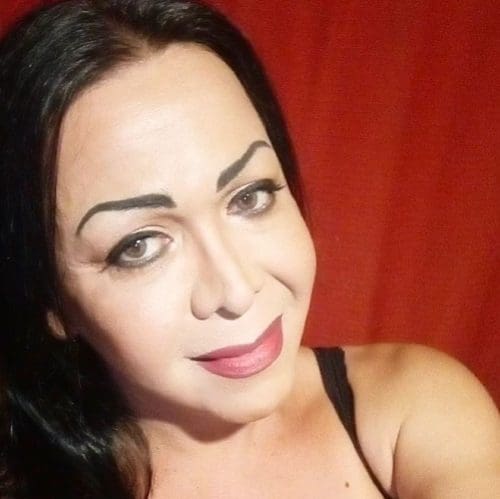
Claudia Falcon is a trans woman and singer in Argentina
Interview Subject
Claudia Falcone, 45, grew up in Corrientes, Argentina but lives in Buenos Aires today. Claudia became the first trans person to ever sing at the decades old Chamamé Festival.

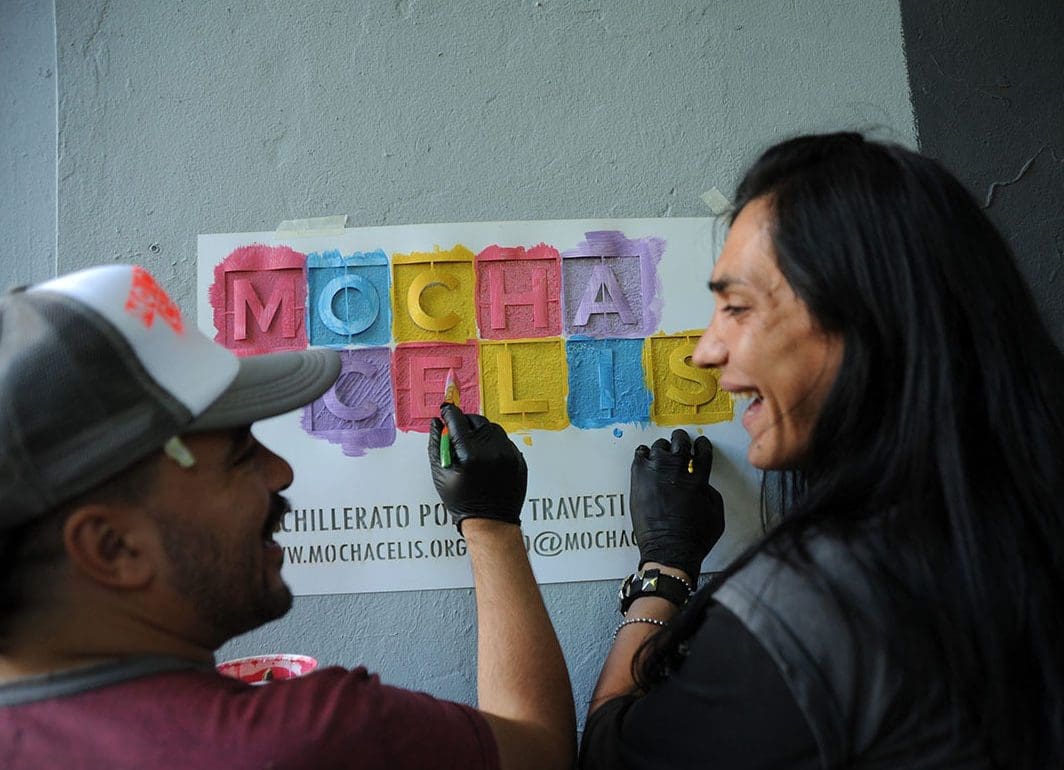
After many years of struggling and dropping out of school at the age of 14, Claudia discovered La Mocha Cellis, a high school for trans people. She is about to complete her senior year and graduate with her high school diploma.
Background Information
In Argentina, transgender people face horrible abuses and human rights violations. According to sources, one third are reported to have HIV, 46 percent live in poverty, and the average life expectancy is 40 years old. Six out of 10 trans woman left school due to discrimination and 70 percent have never had a job interview.

La Mocha Cellis high school – for and by trans people – has created an environment where trans community members can earn a high school diploma, gain access to healthcare and their legal rights, find support for daily needs, and much more.

BUENOS AIRES, Argentina ꟷ As a 45-year-old trans woman, I am about to graduate from La Mocha Cellis high school. La Mocha changed my outlook and offered me the opportunity to believe in myself again; to deconstruct who I thought I was and embrace my rights. They also inspired me to chase my dreams and I became the first trans person in over thirty years to sing at the national Chamamé Festival.

Family accepts transition, but educational system does not

I awoke to my gender identity at a young age and was lucky to have parents who accompanied me throughout the process. In the 1980’s society’s response to gender identity was generally disastrous, but my mother searched for better answers.

Born male at birth, the doctors soon found I had a higher-than-average percentage of female hormones, but they allowed and accepted it. No one tried to reverse my biology. They just let me be. With this essential support, I was permitted to construct my gender identity early.

I remember, at the age of 12, I sat down with my mother and told her I wanted to wear girl’s overalls and grow out my hair. My mother asked, “What do you want to be?” I said I wanted to be a girl and call myself Claudia; to lead the life of a woman.

With tears in her eyes, my mother explained it would be hard to accept because she did not want me to face a difficult life; she did not want me to suffer. In the eighties, many trans women were killed and subjected to prostitution. Yet, little by little, media characters like Cris Miró broke the stereotypes and showed us new possibilities.

While I had acceptance at home, school proved much harder. I entered secondary school but could not finish. They forced me to wear a male uniform and bullied me. Teachers failed me in courses on purpose because those at the table held homophobic and transphobic views. Although I complained and became very angry, I resigned myself to the situation. Leaving school at the age of 14 made me feel like a martyr.

I began working as an assistant at the radio station in my town, reading small messages on the air, and I fell in love with public speaking, journalism, and singing. I worked on several radio programs, and years later wrote articles. Yet, having left school so young, I saw no possibilities for my education.

COVID-19 rocks the transgender community, La Mocha extends support

Throughout adulthood, I threw in the towel on finishing high school or going to college and instead pursued music, but the road proved difficult. The industry rarely accepted transgender people and the musical style I enjoyed called Chamamé predominantly attracted cisgendered men.

Arriving on the electro-pop scene in Buenos Aires in 1999, everyone focused on the fact that I looked like a trans girl. I made my way to the underground and began exploring other genres of music. As the years passed, the ups and downs of life plagued me. I tried to be true to myself, but society kept me in the dark; it pretended I did not exist.

The arrival of the COVID-19 Pandemic in 2020 caused great suffering among the trans community. Those whose only source of income came from prostitution found they could no longer work. Great poverty and extreme necessity ensued, creating perilous situations for many people in our community.

My husband, who served as a teacher at that time, lost his job during COVID. With no work to be found, we faced the reality of having little food to eat. I learned from my friends about a group at La Mocha Cellis handing out food.

I encountered the director of La Mocha at the food distribution site, and he later contacted me to offer support. They began helping me with medical treatments, medications, food, and even invited me to finish high school. Just thinking about it overwhelms me with emotion.

La Mocha Cellis high school welcomes trans women

At 45 years old, I wake up in the morning and have breakfast. Checking that I have everything I need in my folder, I head off to school. I board the city bus from my neighborhood of Belgrano and travel to the city center.

Going back to high school as an adult at La Mocha Cellis gave me wings. La Mocha became a reality 11 years ago following 30 years of trans militancy and activism in Argentina. Pioneers fought to guarantee people like me life, survival, and human rights. Today it stands as a school and a civil association conducting many important projects.

Transgender individuals serve as my teachers. I see transgender and non-binary people in leadership every day. Now I can recognize the importance of the things missing from my life before – things like human rights, gender and sexual diversity, and non-binary comprehensive sexual education.

In school, I encounter other populations too. To promote intersectionality, my classmates include migrants, single mothers, Afro-descendants, the vulnerable, and individuals from the slum Villero movement.

I used to wonder if I would be alive next week but today, after three years of studying, and with graduation looming, I dare to dream. For me, school is everything. This year, I will graduate knowing school is a luxury many trans women cannot access.

La Mocha taught me that education is a gateway to access other rights through the gender identity law sanctioned in 2012 in Argentina. Every day, as I attend La Mocha, satisfaction rises inside of me. I feel visible and free.

Trans woman chases her dream to sing on stage

Eventually, school officials discovered I could sing and proposed I put together a musical project integrating voices of different artists from throughout Argentina. We named the project “Unidos por la Música” or “United for Music.”

Our goal became to fight for trans rights through a law in existence giving women access to the stage. That law included trans women, but it rarely got enforced.

As the project launched, we faced resistance, obstacles, and lack of resources, but desire propelled us forward. At the 31st National Chamamé Festival, I became the first trans woman to sing on stage. With support from the Senate, cultural sectors, and several provinces, we made history.

When I walked out on stage, the announcer introduced me as a singer representing Corrientes where I grew up. They did not introduce me as a trans woman because there was no need to clarify my identity. I was simply a performer.

Everything in my life became possible thanks to La Mocha. They accompanied me through it all and I never felt neglected. My teachers encouraged me to remove the word “no” from my forehead. So many trans women never allow themselves to dream. Today, I push my own limits. I celebrate being alive. With pride, I stand tall as a trans woman knowing I can finally live free.

Envisioning a brighter future for all trans people in Argentina

When I consider what the future holds, I image continually growing, learning, and expanding my project United for Music. I want to oversee performances in the provinces, to offer trans artists greater support and access to the arts, and to continue accessing the stage at popular festivals.

I envision singing with people I admired when I was a little girl and continuing my studies in speech and journalism. Even more so, I want to stay involved at La Mocha Cellis; to give back the way people did for me.  

Consider for a moment that the life expectancy of a trans person in Argentina is only 40 years old. Very few of us reach the age of 60. This is a world where we are systematically criminalized, pathologized, and discriminated against. It starts early. The first thing a trans person is often denied is love. Many of us lacked love of family, love in school, and love from society. Trans people continue to be murdered in the streets.

La Mocha Cellis saves lives. It rescues those who face mistreatment, destruction, and ferocious carnage; whose souls become empty. The volunteers and donors made it happen, going into “red zones” early on to talk to trans people. Today, the school has hosted more than 300 students.

More than a high school, La Mocha offers a public library, shelter care network, psychological support, doctors, lawyers, social workers, and advocacy. They lead all of Latin America in rethinking the critical stance toward pedagogy and a non-binary world view.

This place that changed my life has become a school full of tenderness, which validates our voices, creates a collective of trans people, and legitimizes us. We exist and La Mocha is the pure love trans women need.

Honduran immigrant, Army soldier becomes a Hollywood actor

Honduran Hollywood Actor Dominic Ham
Interview Subject
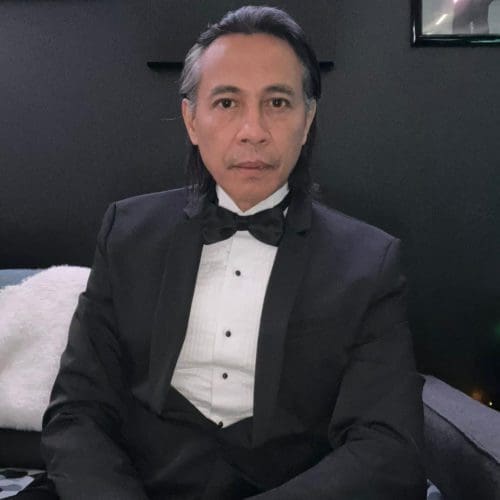
Dominic Ham is a Chinese Honduran born September 13, 1970. He immigrated to the U.S. at 16 years old and eventually went into the U.S. Army. Dominic became a model and Hollywood actor and has had roles in myriad Hollywood blockbusters. He is proud to represent the Latino community in Hollywood.

Among his many roles, he portrayed a Mexican villager in Black Panther: Wakanda Forever.
Background Information
Dozens of Latino actors, directors, composers, photographers, screenwriters, and designers live and work in Hollywood. Box office names like Alfonso Cuarón, Alejandro González Iñárritu, Salma Hayek, Andy García, Pénelope Cruz, Javier Bardem, Antonio Banderas, Cameron Díaz, Guillermo del Toro, Jennifer López and Eva Mendes are just a few among the most prominent Hispanics in the mecca of cinema.

While Hollywood often serves as the capital of commercial cinema, Hispanidad gave it its first big blow in 1950, when the Puerto Rican actor José Ferrer received the Oscar for his interpretation of “Cyrano de Bergerac.”

HOLLYWOOD, CA ꟷ My acting career started out as a game. Serving as a U.S. Army soldier, I entered a military training that taught a form of acting designed to help us handle various people and circumstances.

A famous, world-renowned actor led the workshop. When we recorded my reels and videos, he called me a natural and asked me why I had not gone into acting.

I laughed out loud and said, “No, that world is not my thing at all!” He pushed on, insisting he send my videos to some agencies. It felt unreal. I said yes but had no expectations.

On a trip to Washington a short while later, my Army colleagues laughed and teased me. They calling me “the Hollywood actor,” and insisted on taking pictures with me.

Later, I realized their jokes would become reality. To date, I have acted in 17 projects alongside celebrities like Ryan Reynolds, Will Ferrell, and Octavia Spencer.

I spent an eight-hour day on a commercial shoot alongside Spider-Man actress Zendaya, modeled costumes for and starred in Black Panther 2. For Guardians of the Galaxy 3, they transformed me into an alien.

Through every experience, I’ve been surrounded by good energy. Hollywood stars have been so kind.

My life wasn’t always this way. As an immigrant, I suffered discrimination as an adolescent.  

Young Honduran boy dreams of being a soldier

I never imagined I would transition from being a soldier in the military to a Hollywood actor.

Born in the beautiful city of Puerto Cortes in northern Honduras in 1970, I faced a complicated upbringing. My Chinese father and Honduran mother bore eight children. I found my way through two very different and colorful cultures and religions.

We eventually moved to Potrerillos and nature surrounded us everywhere. In childhood I learned balance – not to feel like I was more or less than anyone else.

Those years were filled with watching Hollywood movies about the CIA, detectives, and Army soldiers. I dreamed of being one of them. The most active of all my siblings, I climbed trees, dreamed, and dealt with boyish injuries.

I loved challenges and thought, even if I sweat tears, I will achieve my goals.

U.S. immigrant from Honduras faces discrimination and success

When I turned 16 years old, my parents immigrated to the United States. Entering a place where everyone speaks a different language felt drastic and difficult. Tenacity characterized my life at that time.

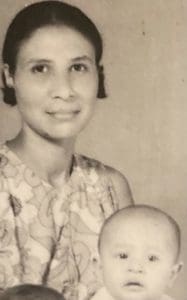
A young Dominic Ham pictured with his mother in Honduras | Photo courtesy of Dominic Ham

I studied and practiced the language, listened to English music, and adapted to the culture. “This will not defeat me,” I thought. In a few short months, I could communicate, overcoming the language barrier that could hinder me from living a normal life in this new country.

Unfortunately, I also faced moments of exclusion. I felt a lot of anger at the discrimination I suffered in the U.S. and elsewhere because of my origin. Nevertheless, I convinced myself I could not compete with ignorance. “We are all human beings,” I thought, “We all have red blood. Why treat each other like this?”

I mitigated those moments by exhibiting respect and tolerance and not playing along. With the strength of my childhood dreams, I enlisted to enter the U.S. Army. I took seriously the many tests facing me to enter the Army.

Astonishment struck when I passed the first test, and happily moved on to the physical assessment. My mind began assimilating to the expectations of going in the service. I anticipated being yelled at, getting up early, and following orders. Many of my friends were discharged, unable to handle the physical training, but I would not give up.

After the initial three-months, I moved on to three more months of weapons training – another change and challenge I accepted with pleasure. Learning weapons tactics felt exciting and thrilling. I was on my way.

Actor achieves first role in television series

One afternoon, I was at home relaxing. I had been in the Army for a while and already had the experience with the acting workshop. I checked my email and surprisingly, I discovered a call for my first film project.

“Naaa, this is a scam,” I thought, “some fake email or virus.” Yet, out of curiosity, I called the number. The agent told me they wanted me to participate in a television show called Kevin Can F*** Himself. They wanted me to come in the next day.

When I arrived, they confirmed my participation and told me where to go next. I arrived on set to find it bustling with people. Filled with uncertainty, I wondered what to do next.

Before long, they sent me into what is called a recording or a cutting session. I never imagined I would be doing something I’d only seen in the movies. That day marked the start of everything, and I would soon discover so much about myself. The first thing I realized was, a day in the Army and a day on set contain similarities.

You must be punctual, follow orders, understand security protocols, and obey rules. In the Army you simply do this armed and in uniform. On set, you must follow everything to the letter, though the sergeant and stage manager speak differently. One gives instructions while the other gives orders. One expresses force while the other explains with a sort of sweetness.

My experiences as an actor helped me express myself fully as a soldier in the Army, giving fulfillment to both my careers.

Learning the nuances of acting alongside celebrities

When I embody new characters, I know thousands of people will see me as that character and not as Dominic. I look for information and references to interpret the character and not insult him, especially if I’m portraying a real person.

The key to successful filming, in addition to sincere emotional development, is the chemistry between everyone working together. This includes not only actors, but directors, producers, cameramen, art managers, costume crew, and makeup.

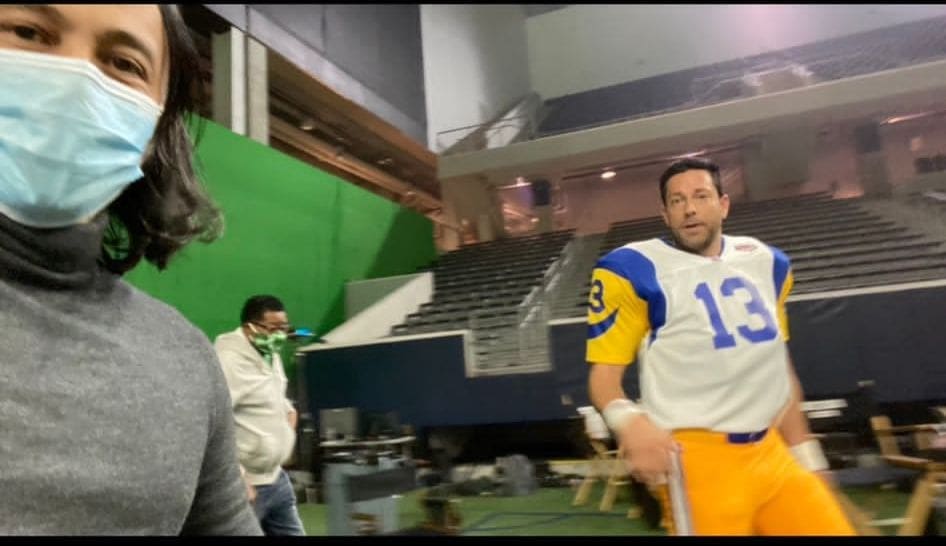
Dominic Ham on set filming | Photo courtesy of Dominic Ham

In my interpretation of the character, sometimes it becomes necessary to improvise. On one occasion, on set with Ryan Reynolds, I worried the scene looked weak, so I improvised. I risked people not liking it, but the director looked impressed. “How long have you been acting,” he asked. “Seven months,” I replied.

Honduran actor represents Latinos in Hollywood

Representing the Latino community in Hollywood feels very fulfilling. I say I am Latino with joy and passion. Additionally, I represent Honduras in the whole of entertainment. For this reason, I give my projects 150 percent, so my people can see what is possible.

Children’s dreams should never fade into the archive of memory. They can come true with hard work. Today, I want to share those ideas with the people in my homeland, and I dream of a day when the word “discrimination” disappears from our language.

I hope one day we can live in harmony where there is no divide by social status, skin color, or religion; where we can share the same table without interest in who is Muslim or Catholic, white or black, Latino or European.

We rarely stop to get to know each other today, but we must. And we must also be open to discovering ourselves in new ways, to allow life to surprise us, and reject that we were born to develop on a single stage.

Women take to the streets, play key role in presidential election in Colombia

BOGOTA, Colombia ꟷ In a highly competitive and uncertain second round for the presidential election in Colombia, thousands of women took to the streets. They marched to support the politician and activist Francia Márquez. The candidate stands as the left-wing, vice-presidential nomination beside Gustavo Petro.

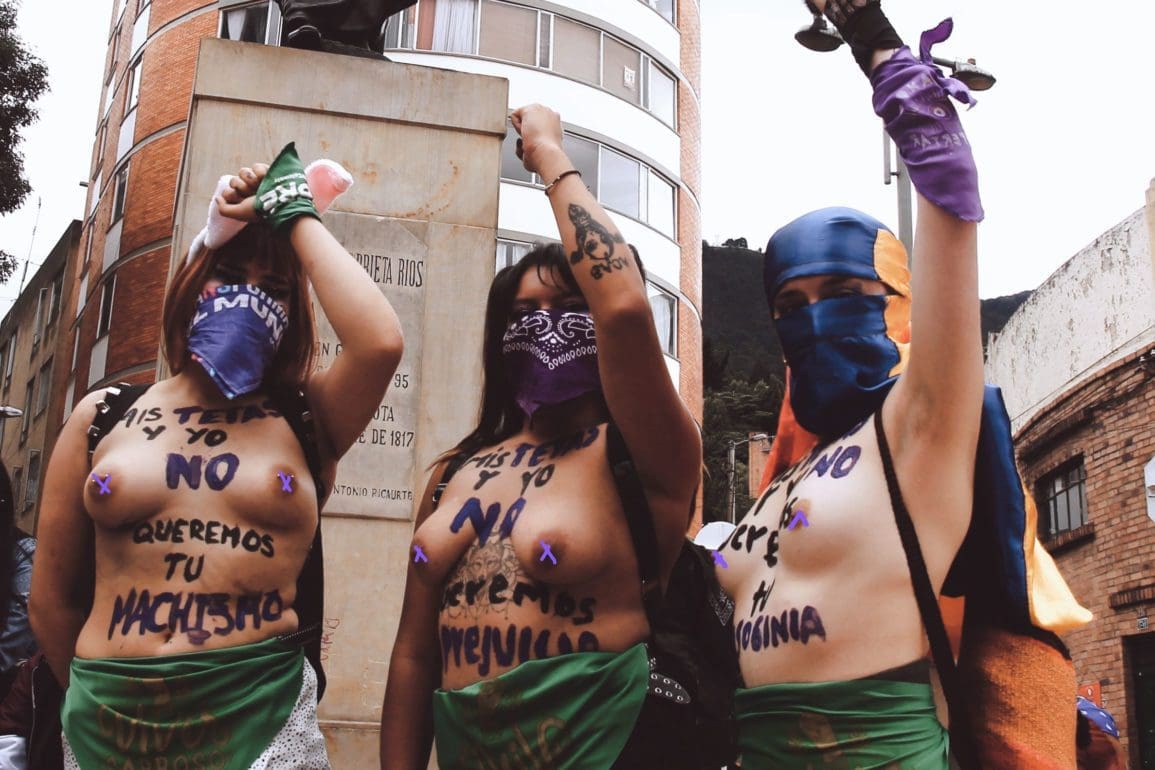
Last Saturday, June 11, 2022, thousands of women gathered in several Colombian cities to carry out a march called “The National Scarf.” They stood in defense of women’s rights in Colombia and in support of Francia Márquez and Gustavo Petro. The two candidates face the electoral panorama on June 19.

The second presidential election round will be held in a few days and the country will choose between Gustavo Petro and Rodolfo Hernández. Hernández is running on the fight against corruption.

The latest polls indicate a technical tie between the two candidates and the decisive vote is said to be found among the undecided, abstentionists, and women.