
Opinion: Don’t look away from Oleshky, a Ukrainian town being starved to death
Under Russian occupation, residents of the battered Ukrainian town of Oleshky are facing the same kind of starvation tactics employed by the Kremlin during the Holodomor genocide.

- 1 hour ago
 October 20, 2026


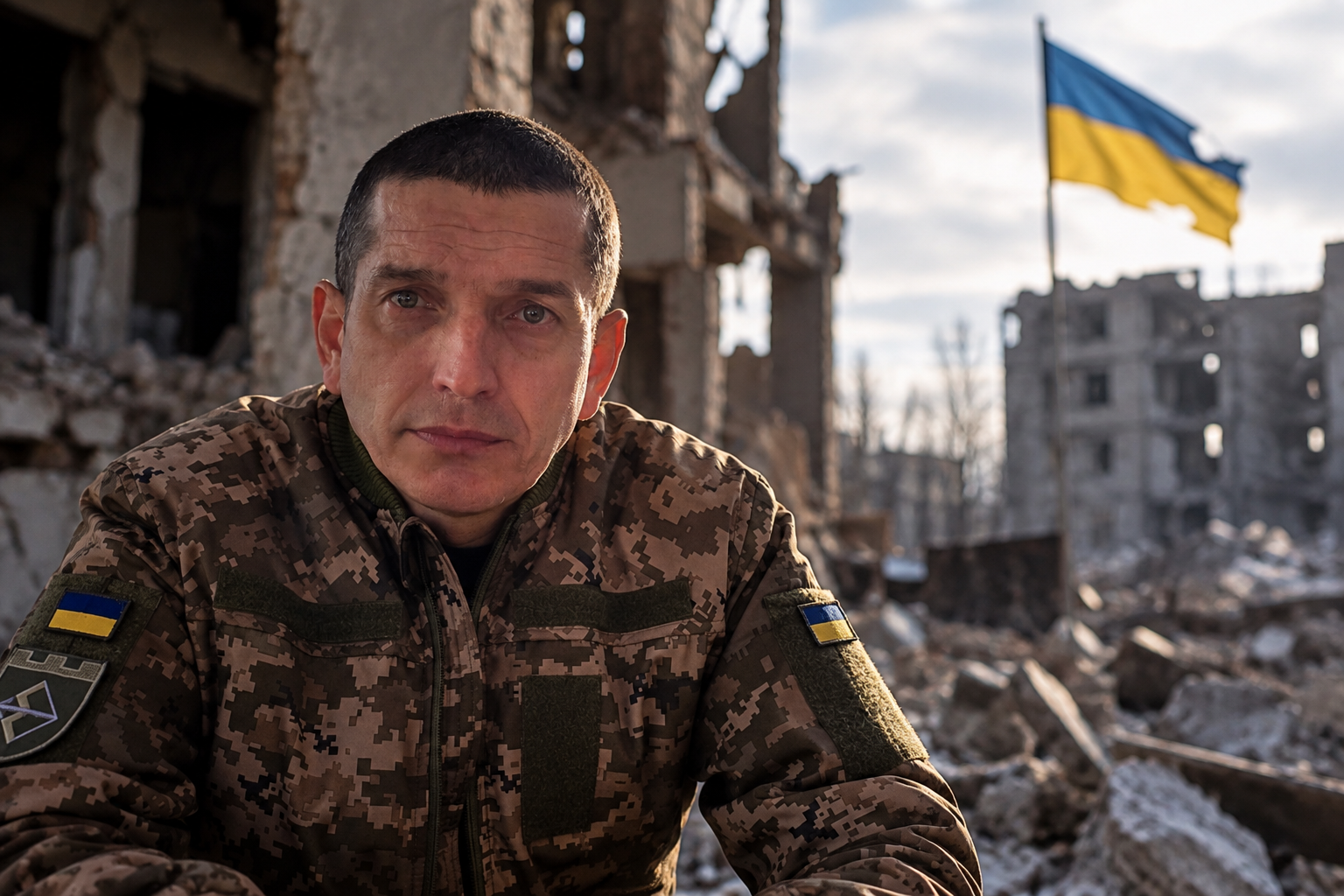
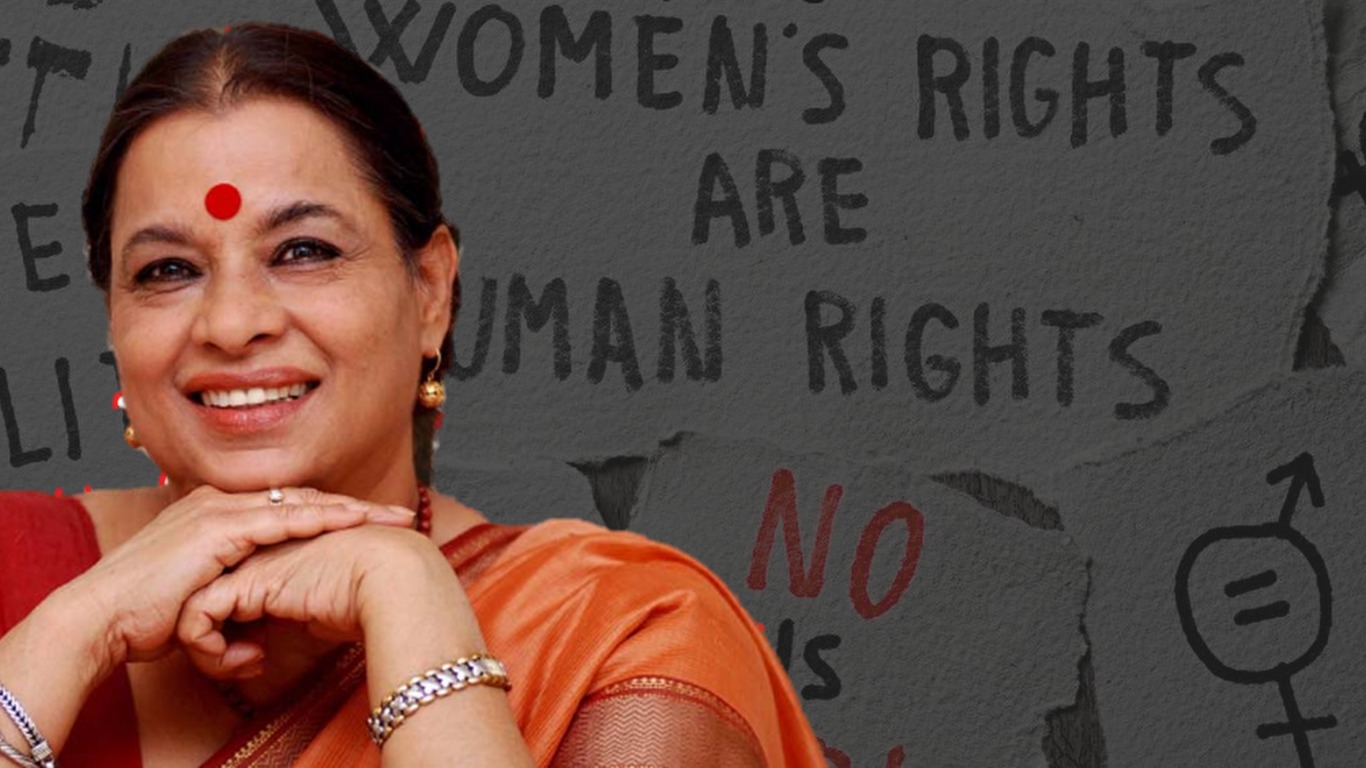
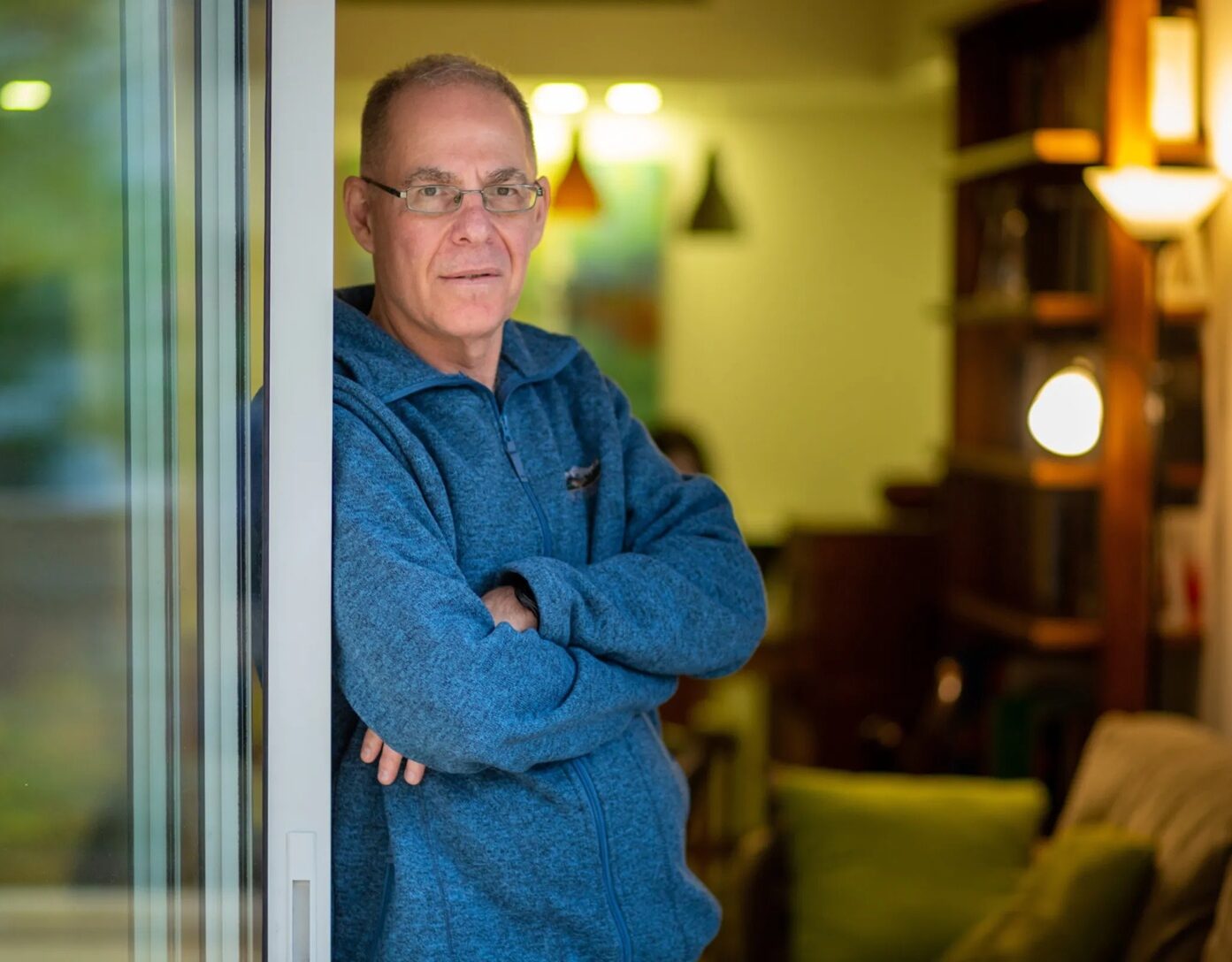
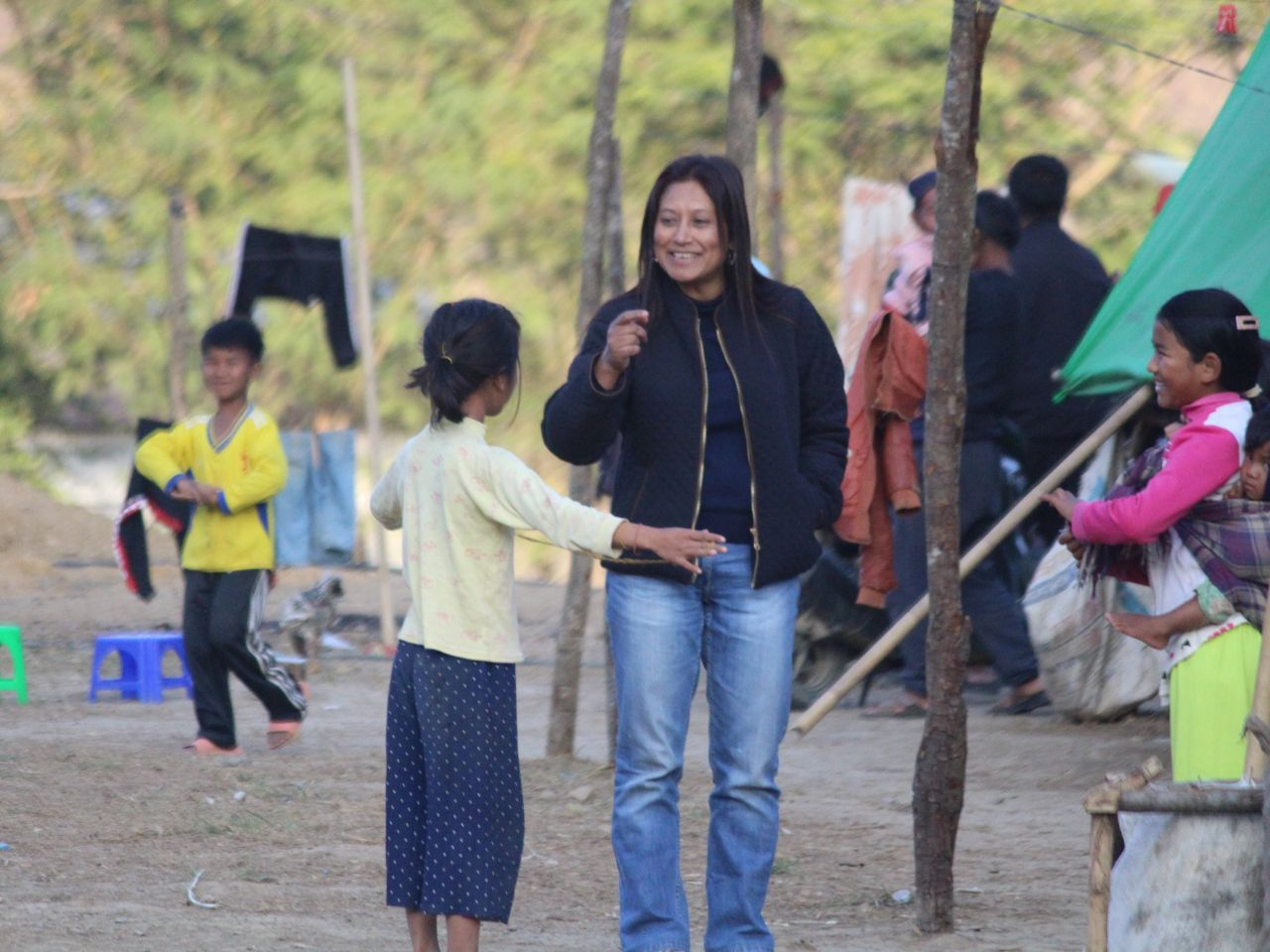
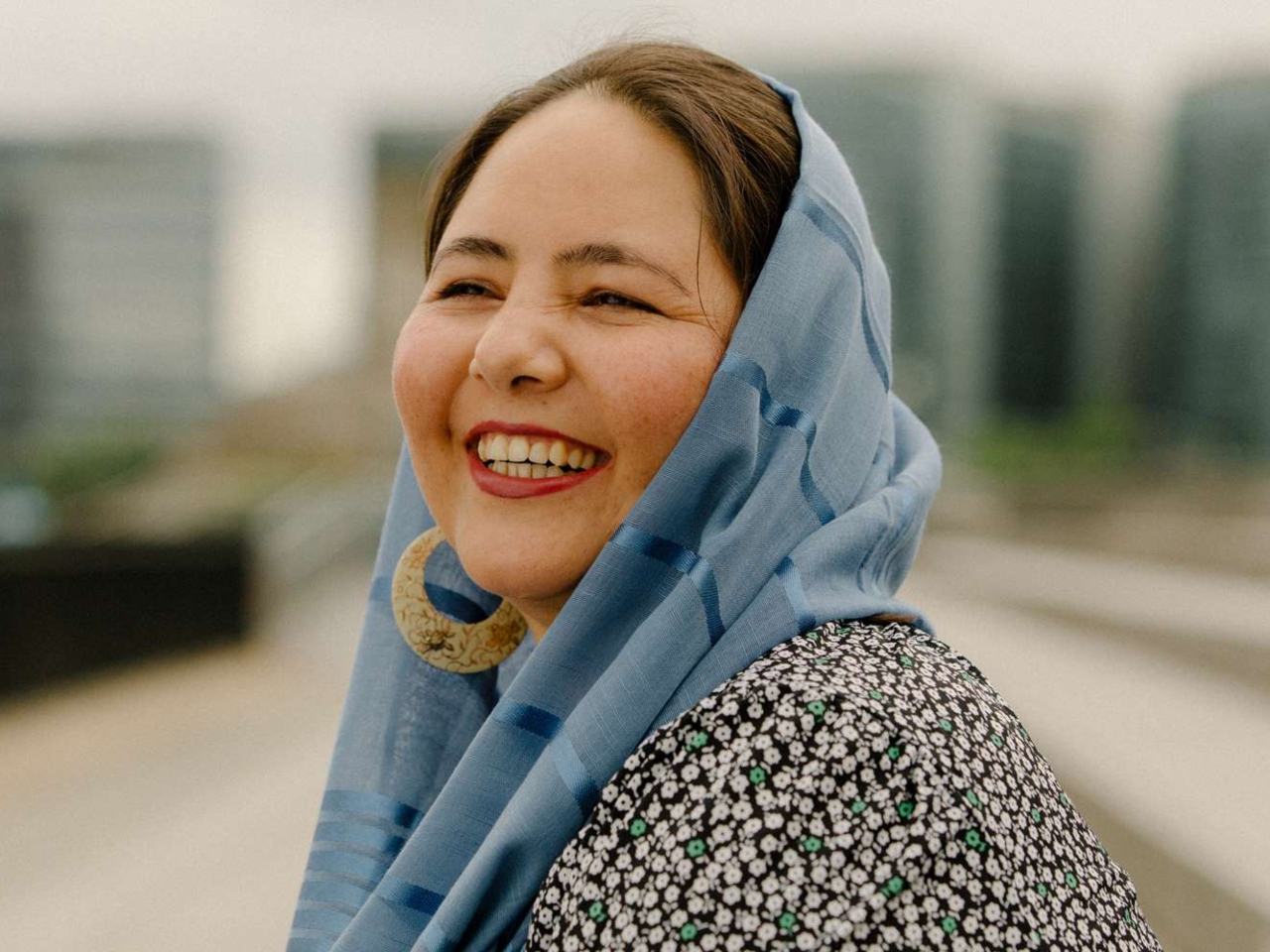
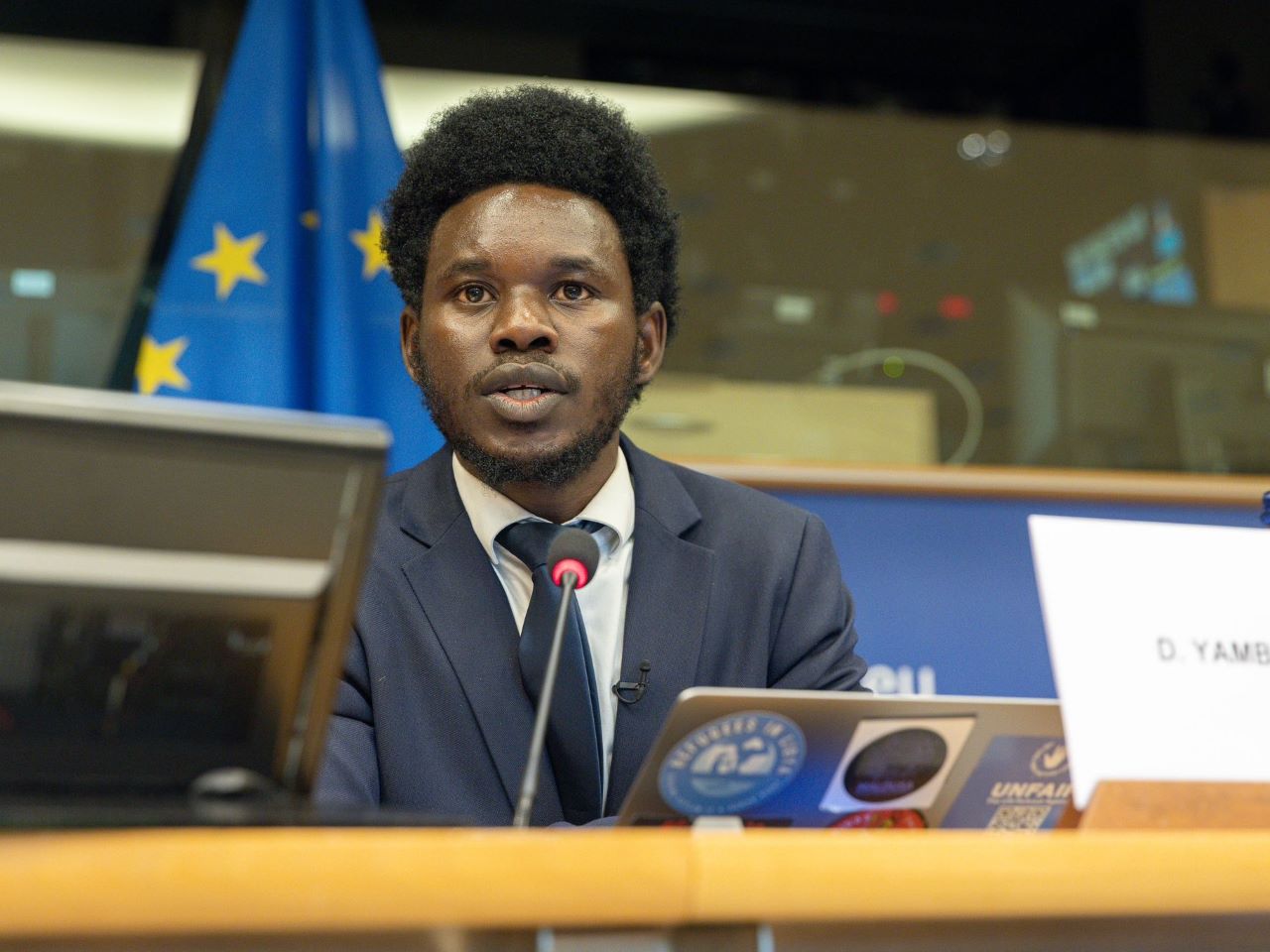
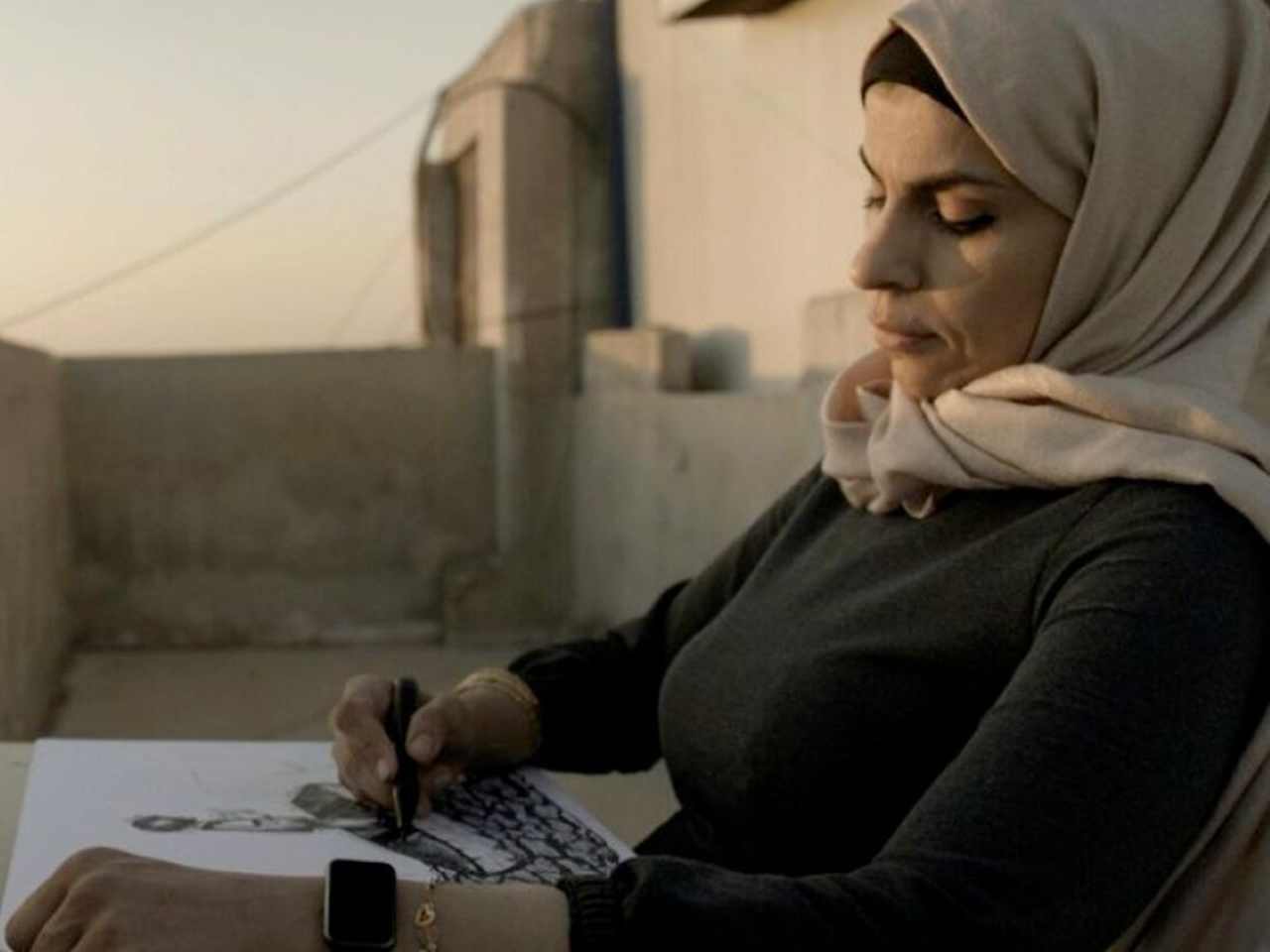
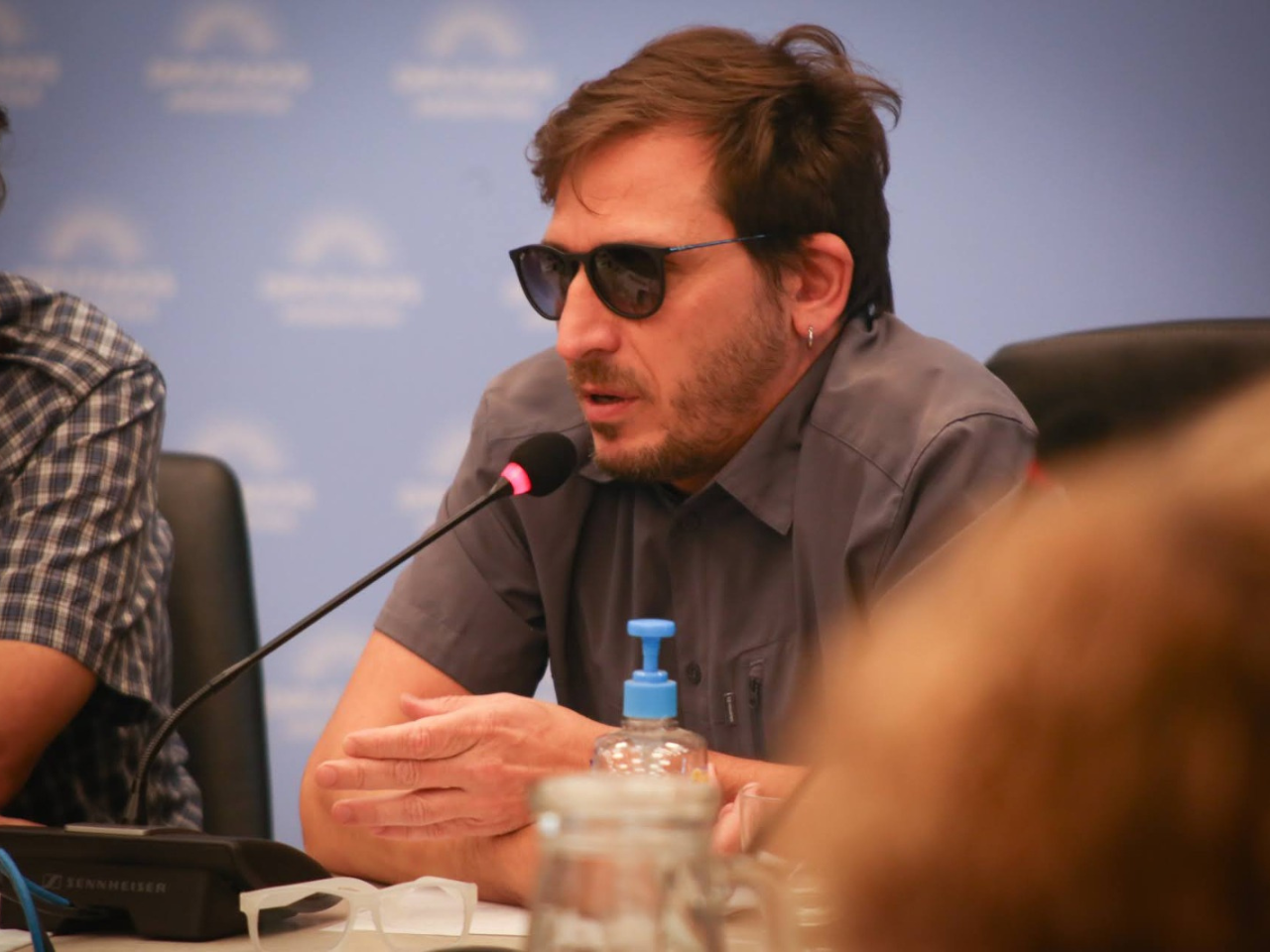
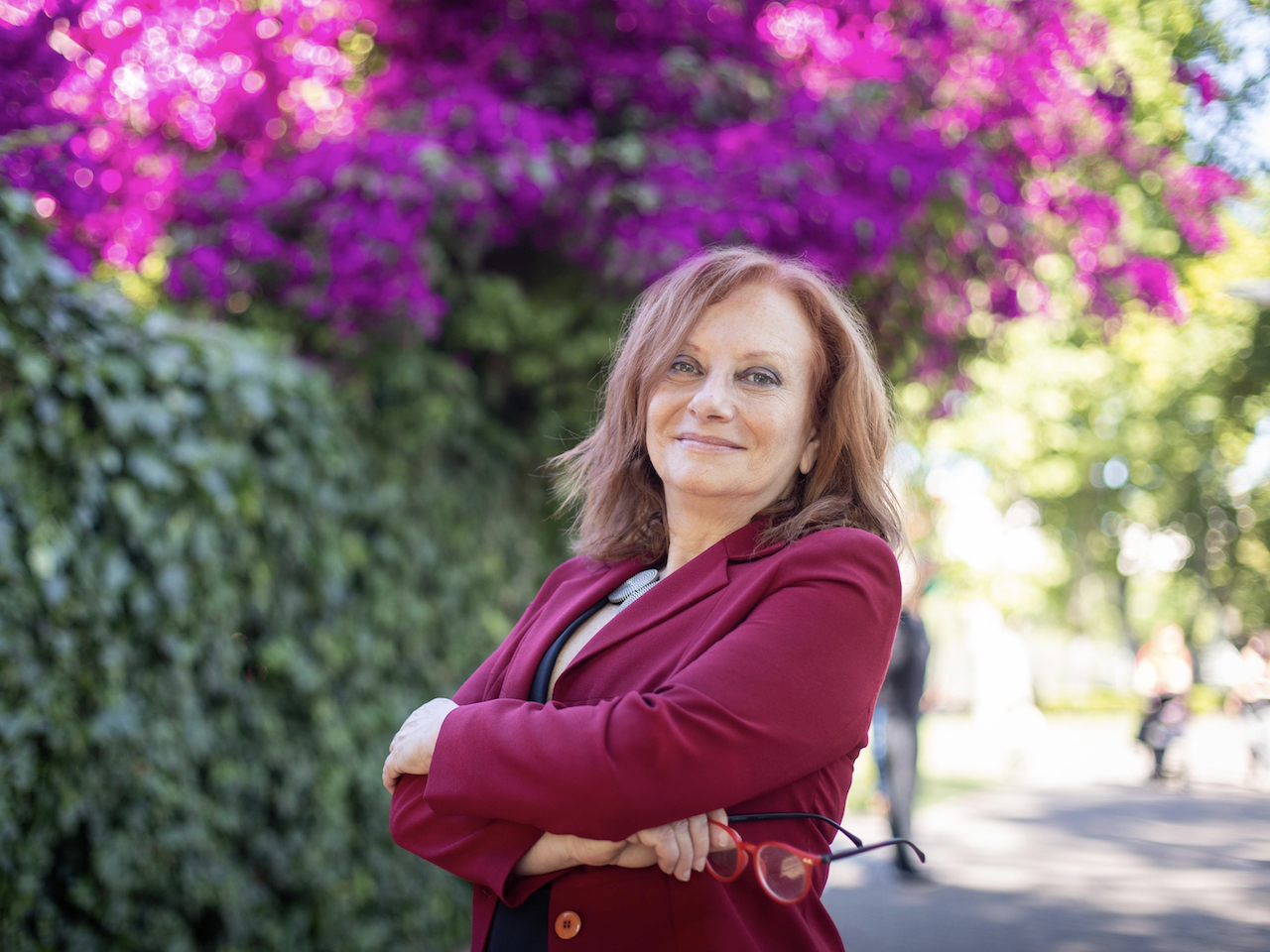
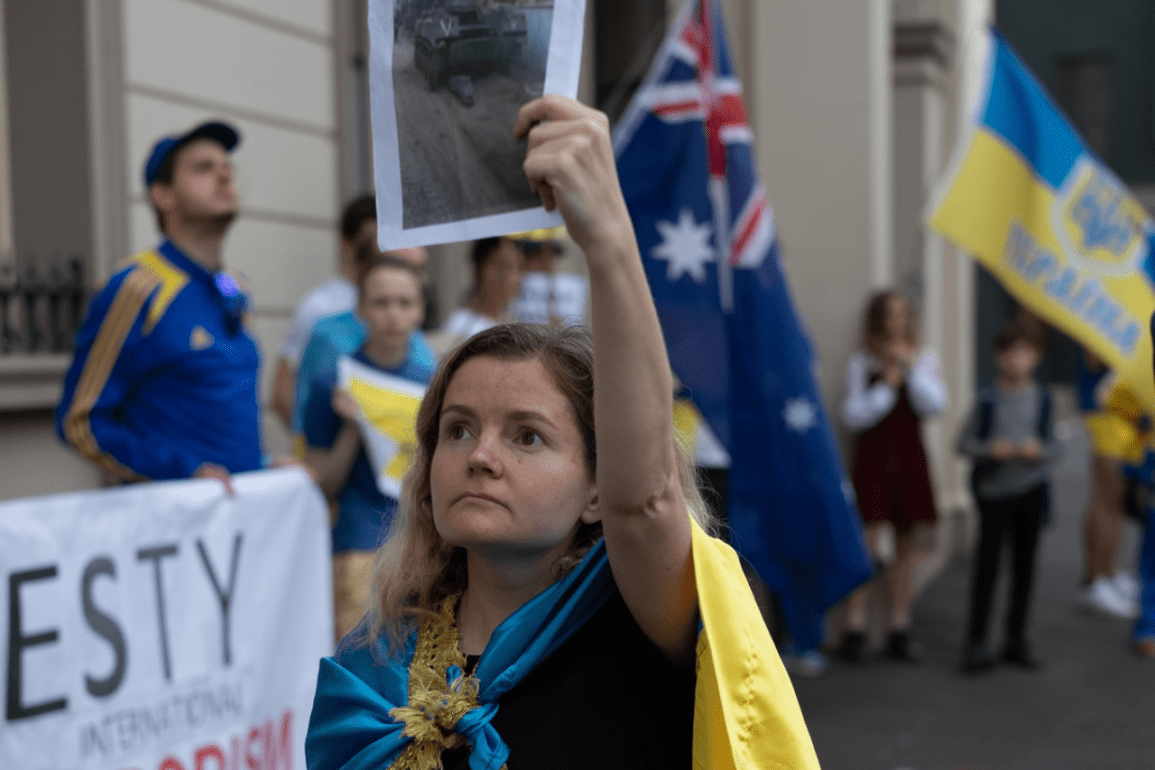
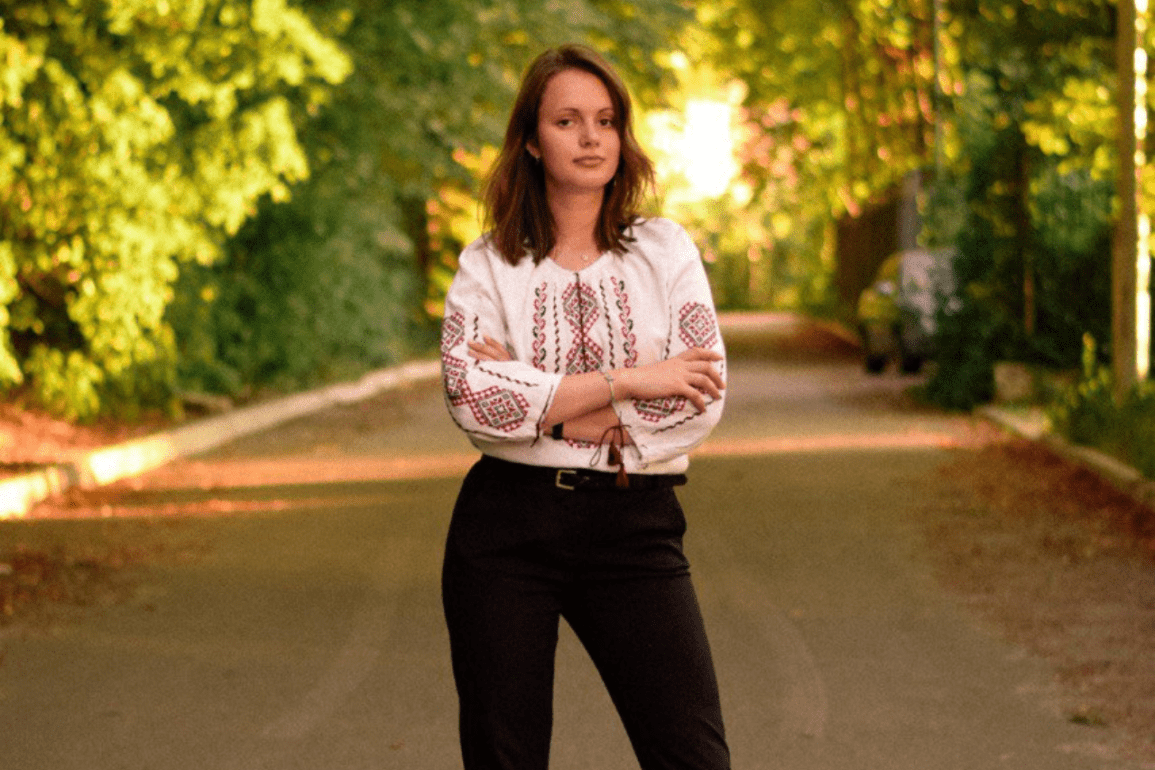
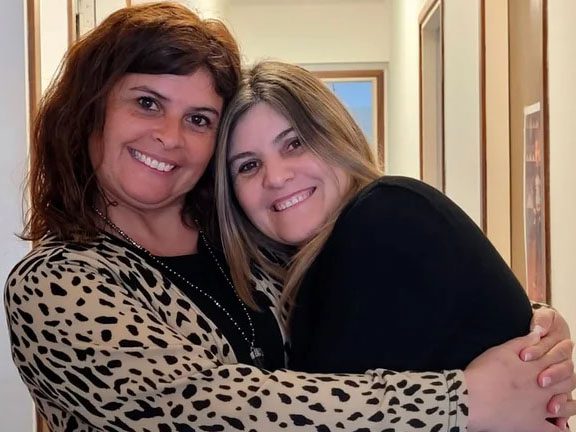
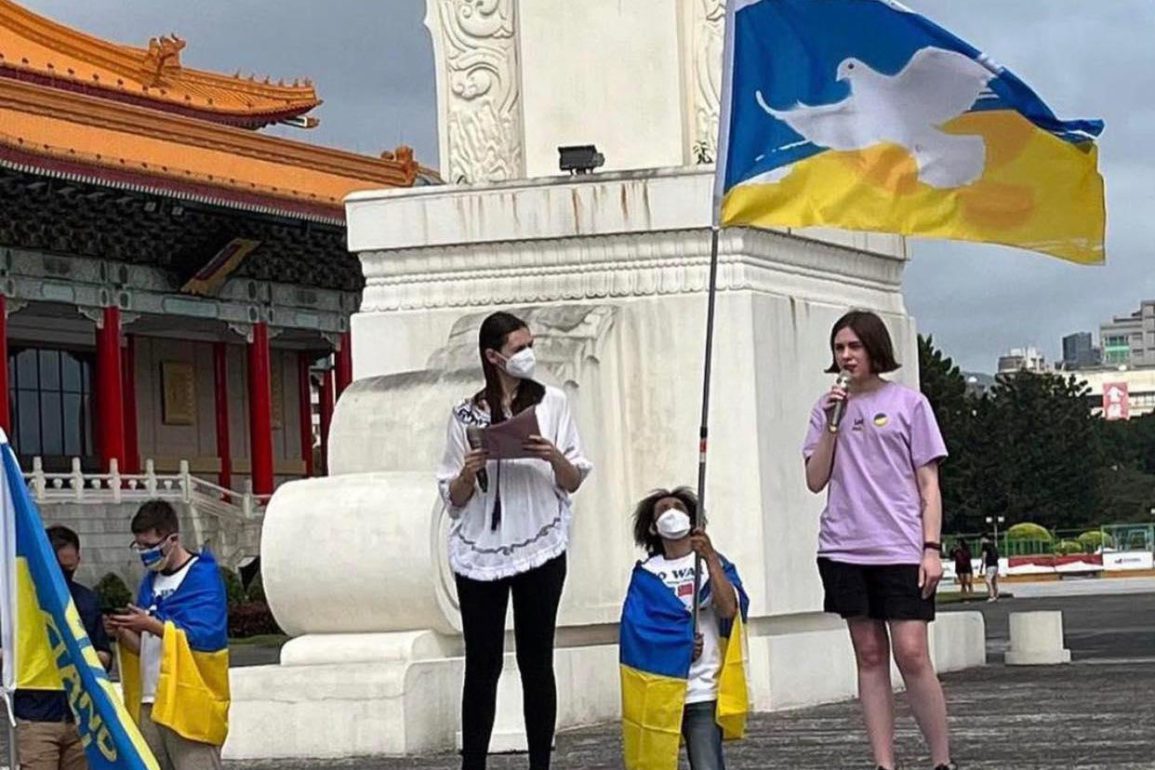
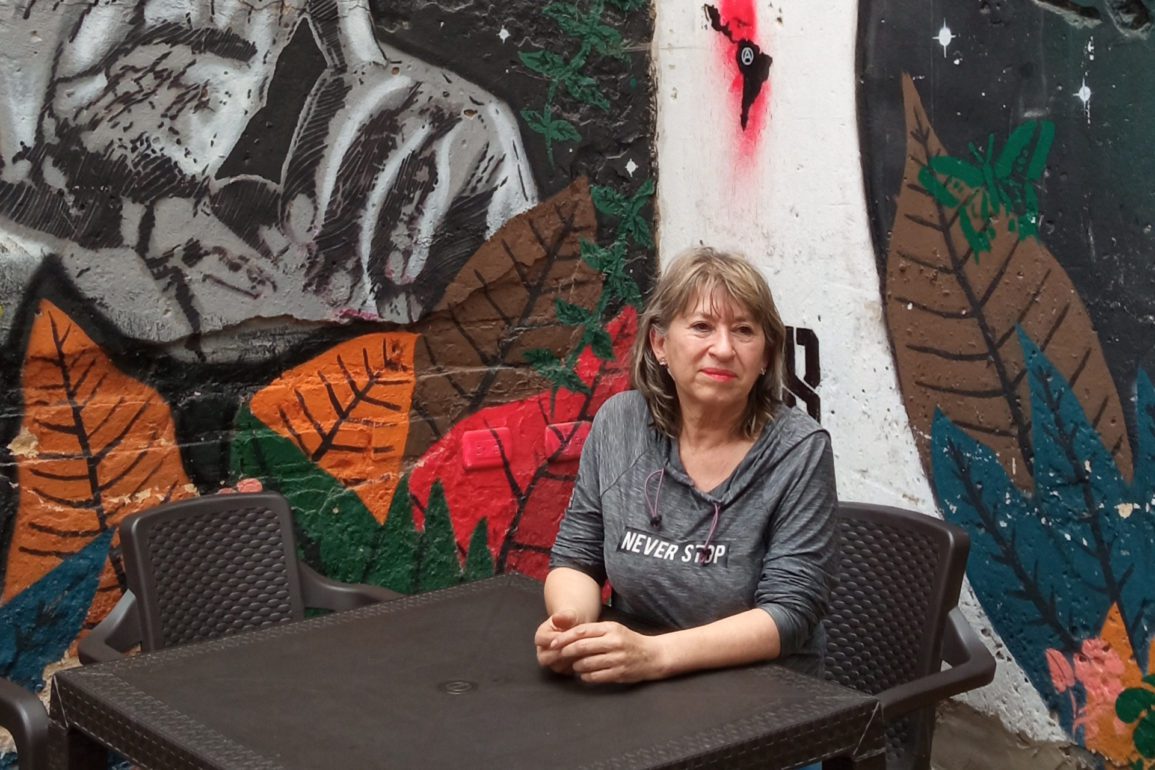
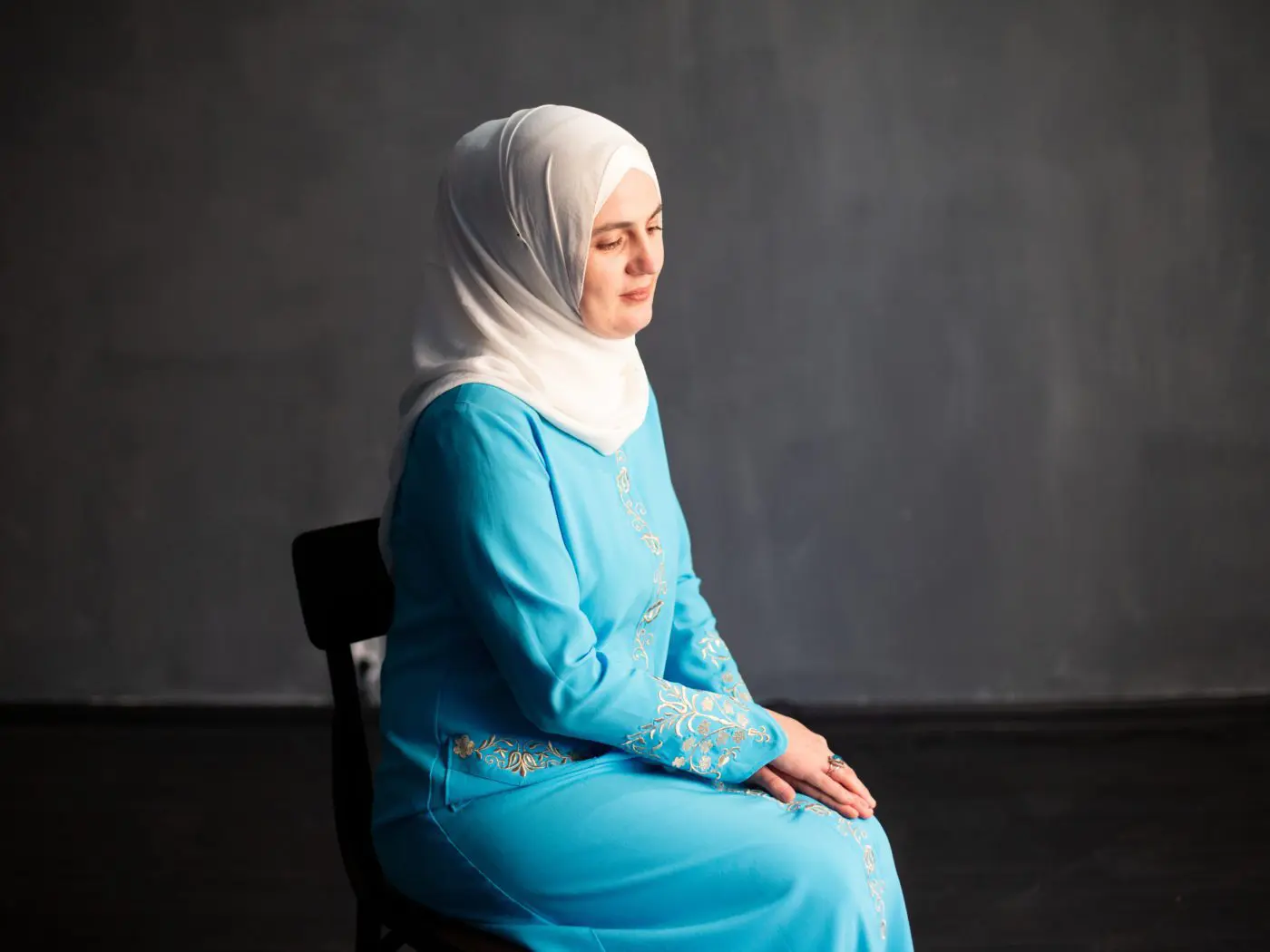
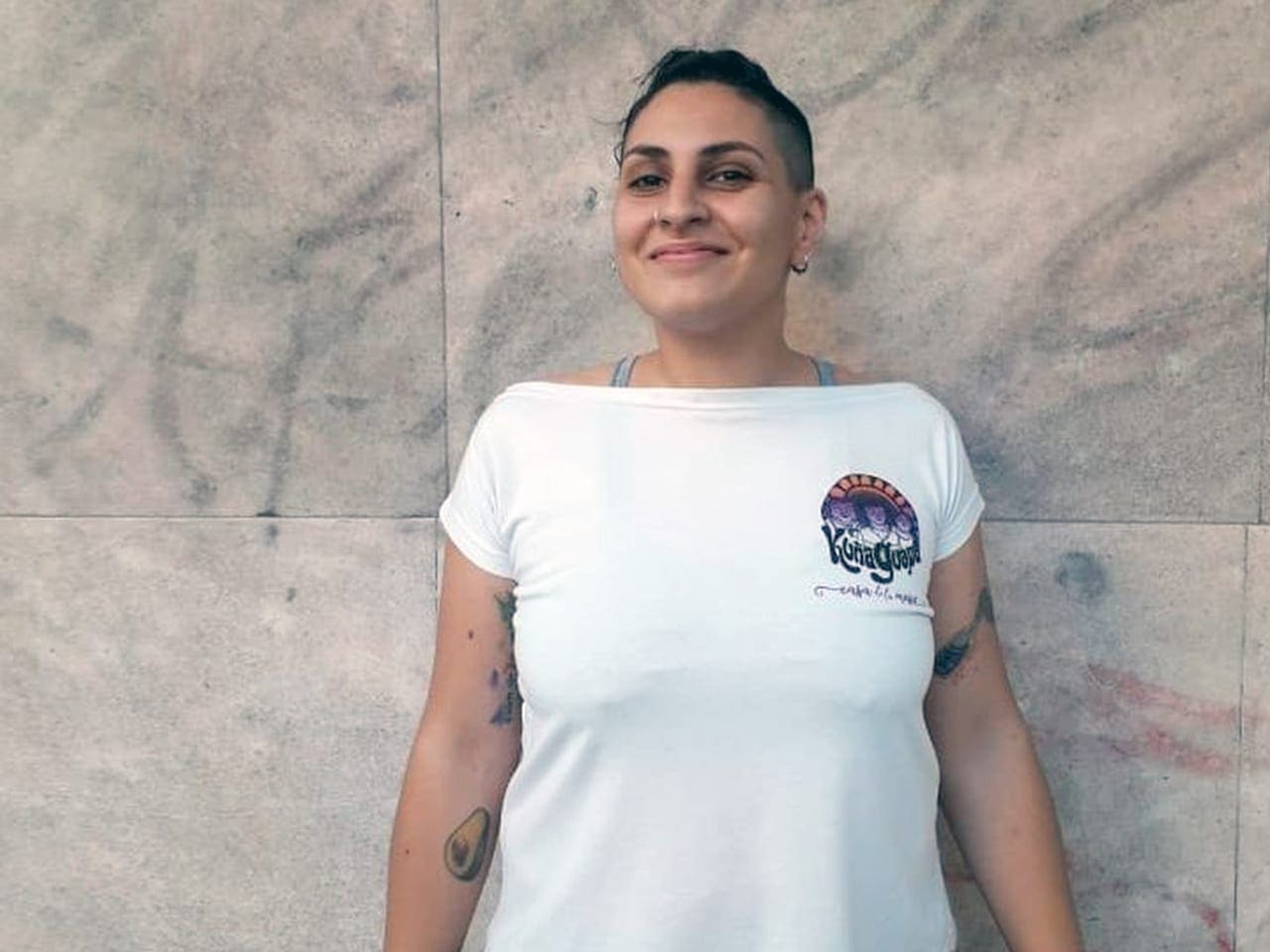
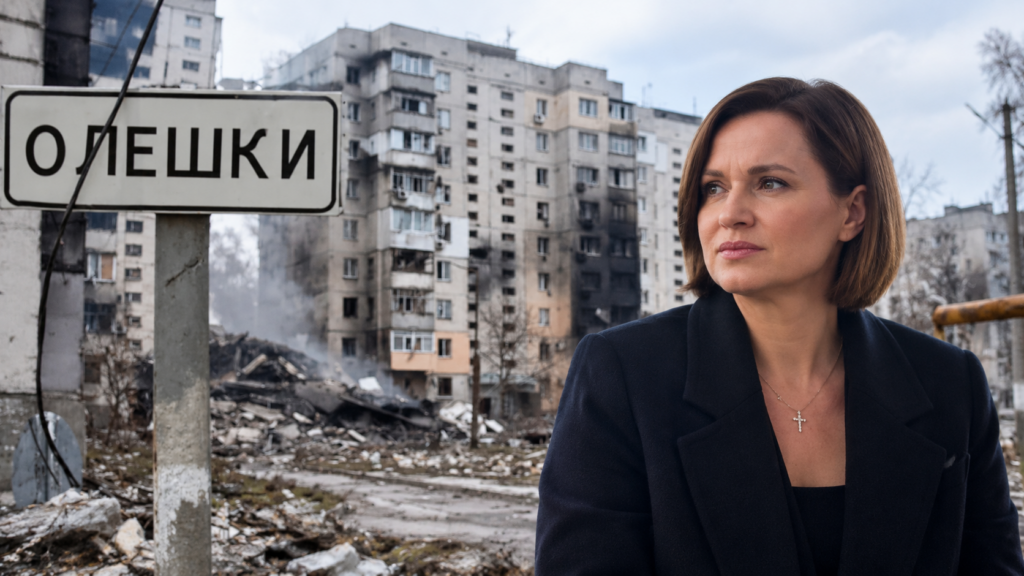 Ukrainian parliamentarian Anna Purtova calls attention to the humanitarian crisis in Russian-occupied Oleshky, where residents face severe food shortages and dangerous conditions. Photo illustration: Orato World Media.
Key Takeaways

“How am I supposed to live without Mom and Dad?”
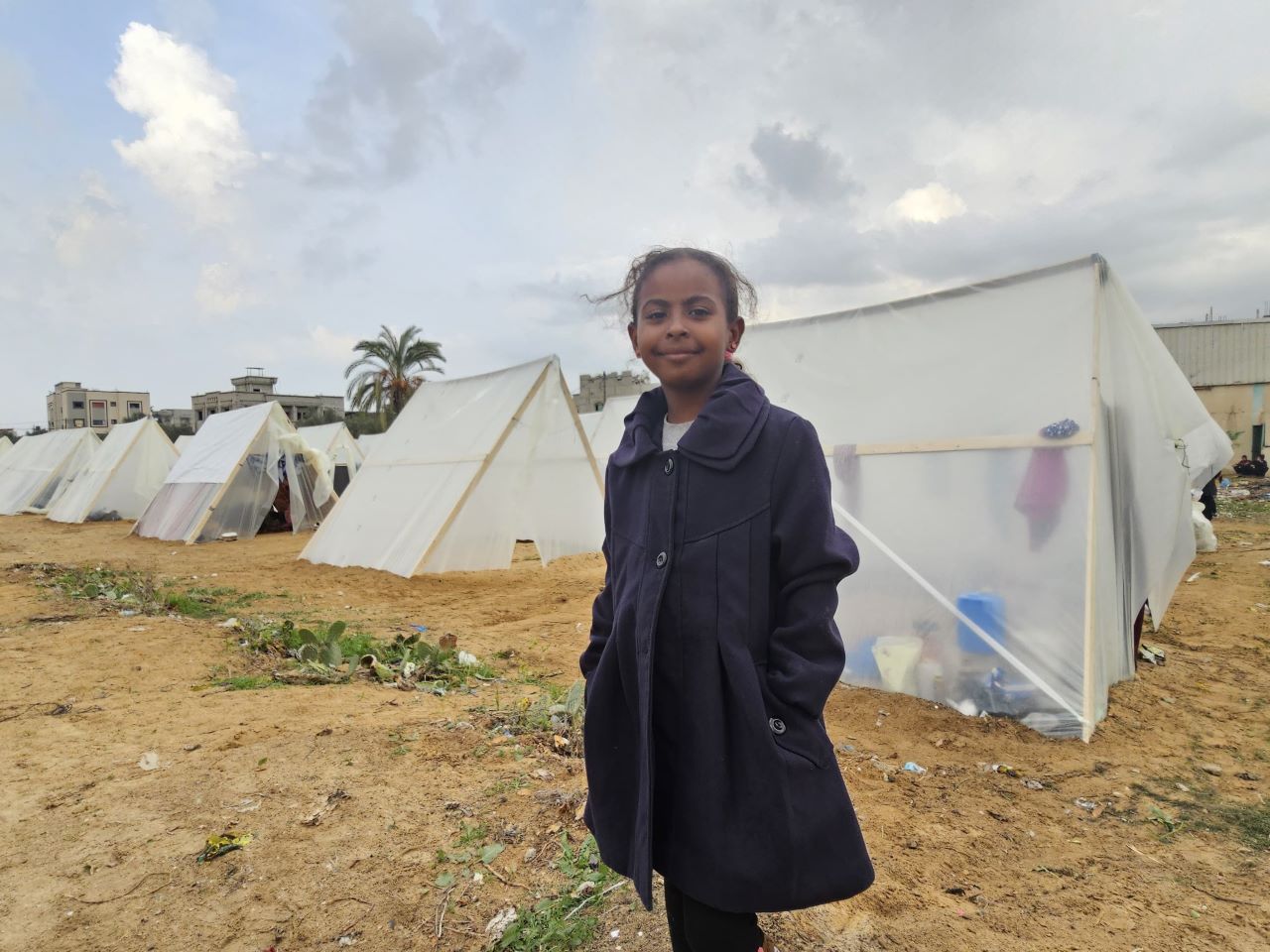
A little Ukrainian girl once asked me this question. I had met her along one of Ukraine’s lines of defense after she survived a Russian missile strike. Her parents did not. Her question has stuck with me ever since.
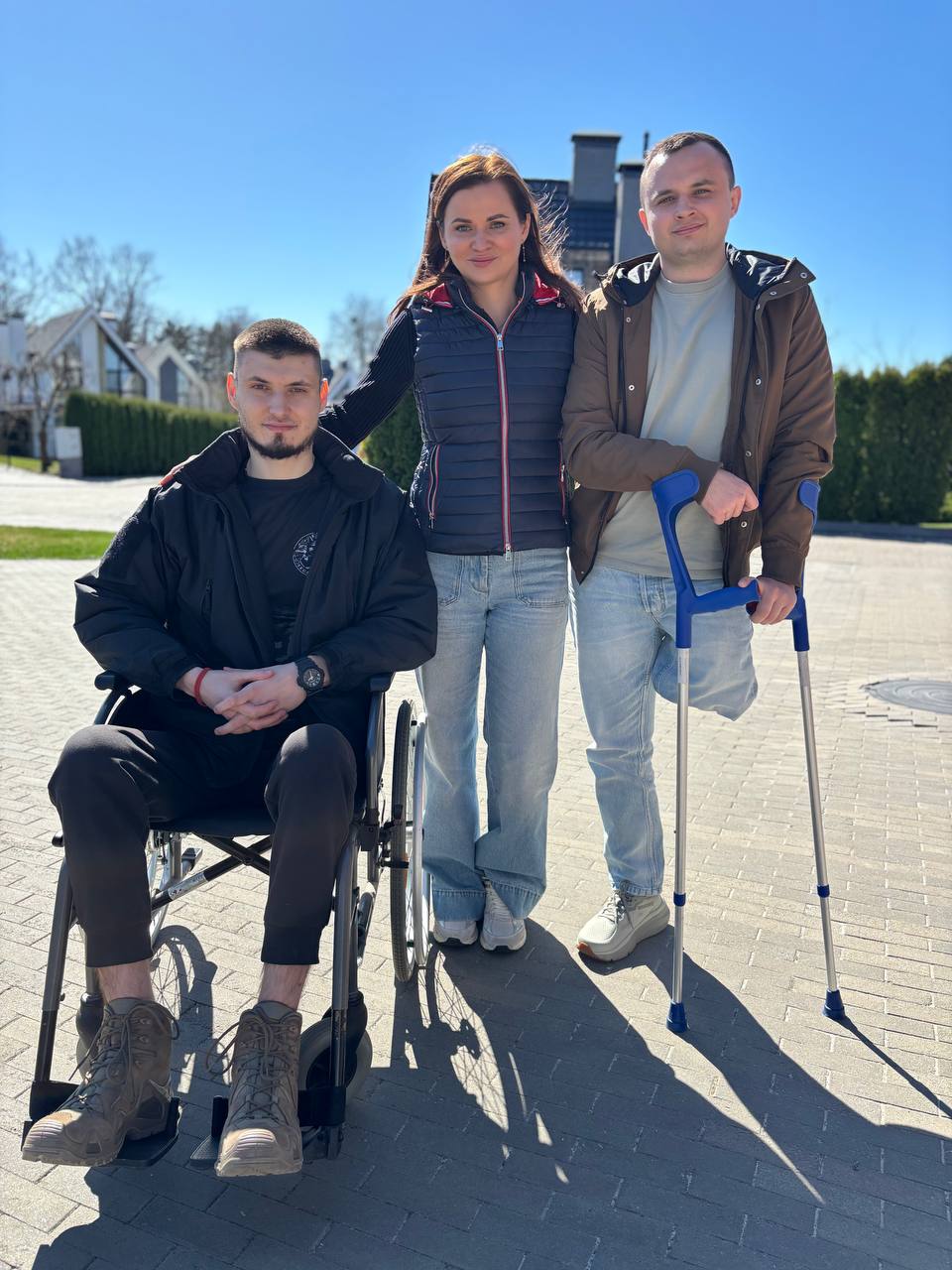
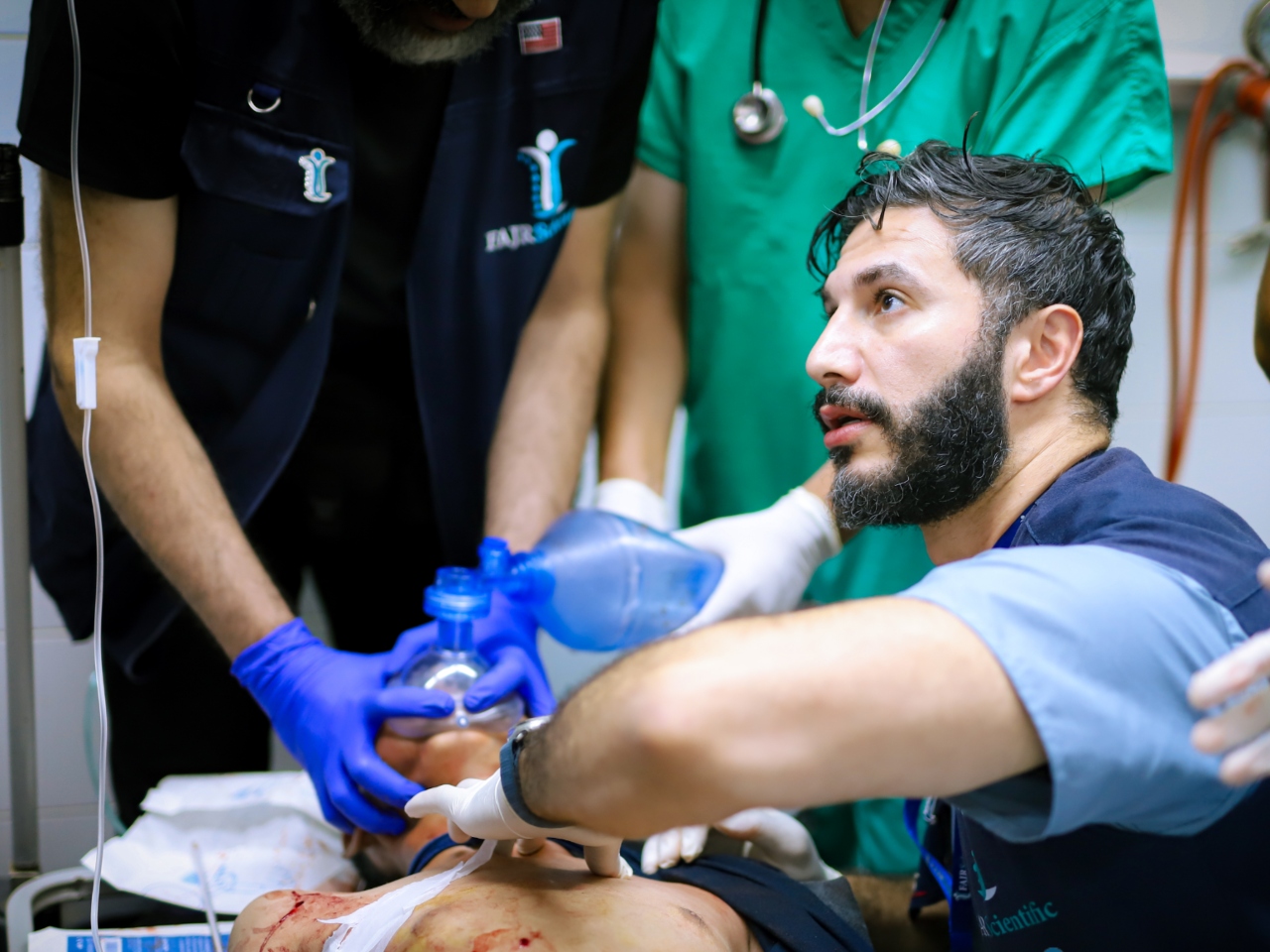
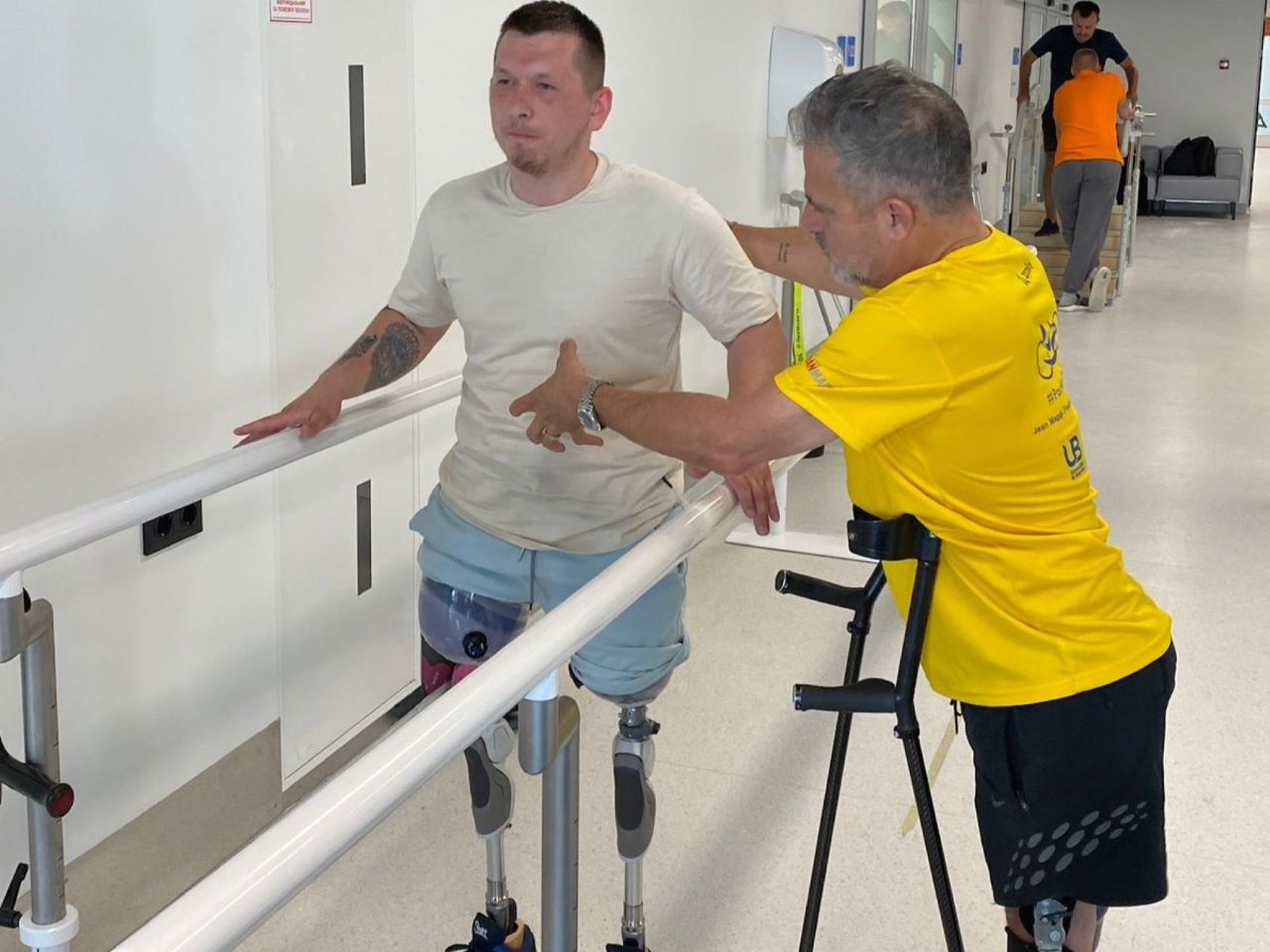
During years of war in Ukraine, I have seen a great deal of grief. I travel to the front line. I visit wounded soldiers in hospitals – men who have lost arms and legs, young men blinded by explosions. I see destroyed homes and people with no place left to go. But I also see strength, perseverance, and the will to keep on living.
Yet there is always one question I cannot answer. How can human beings be so cruel to other living, breathing, people? Before the war, I did not believe that people were capable of torturing others just for fun. Now I know they are.
Residents taking the ‘road of death’ to flee
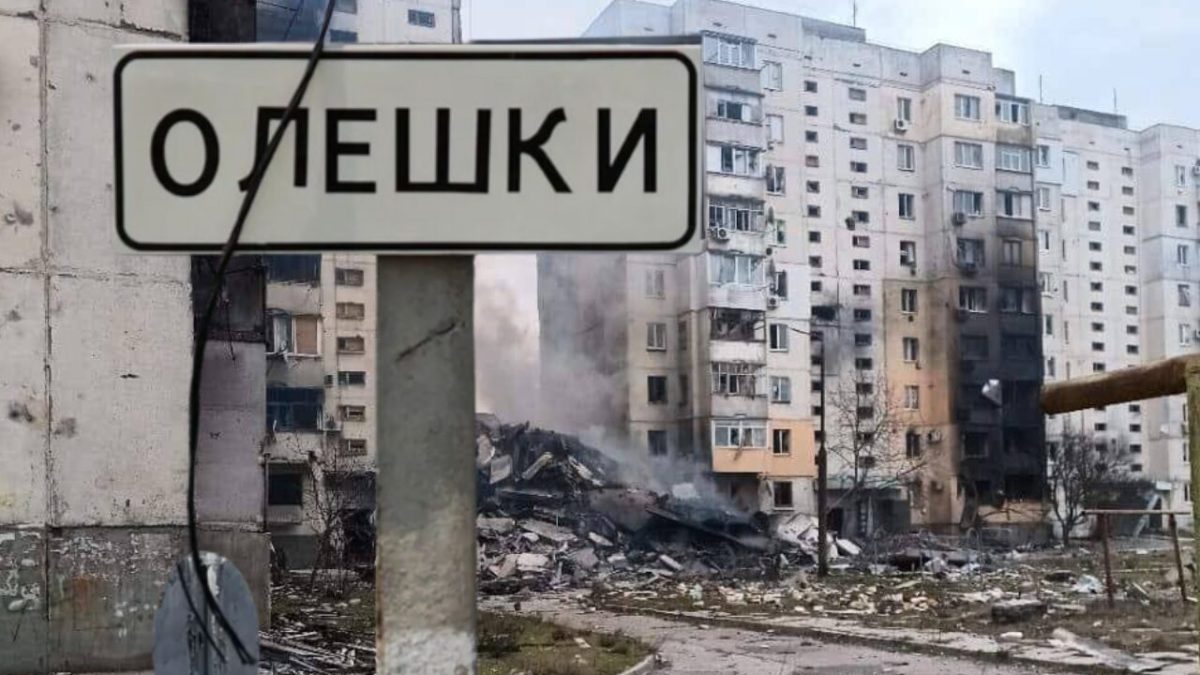
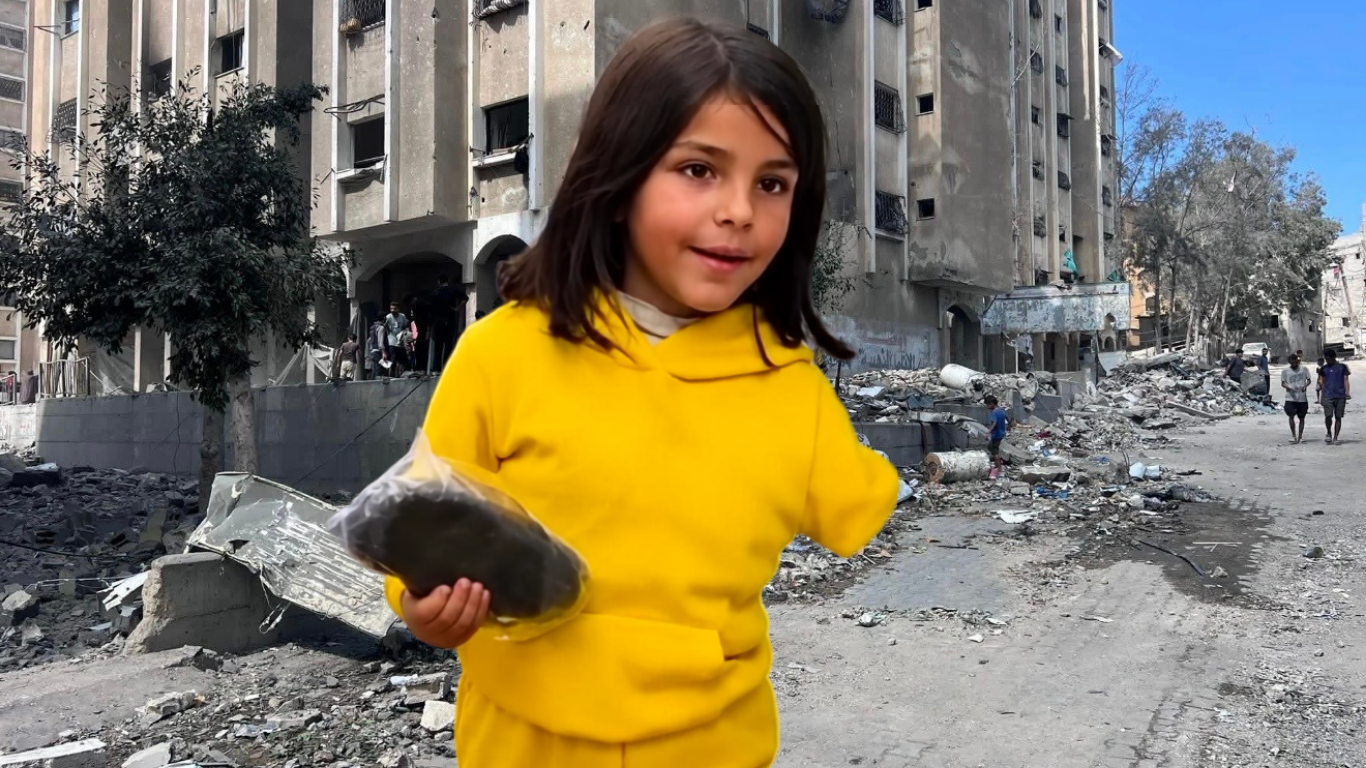
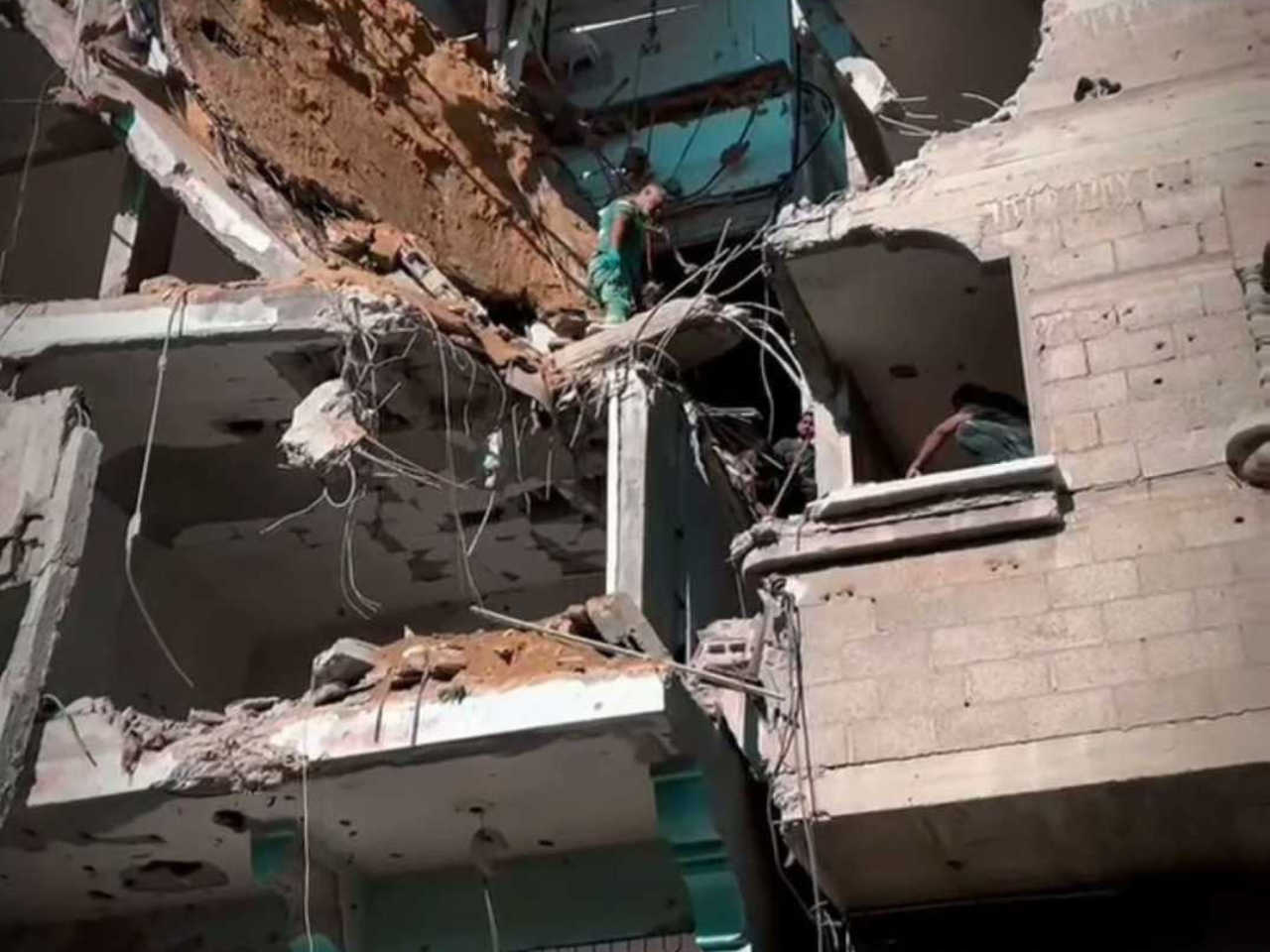
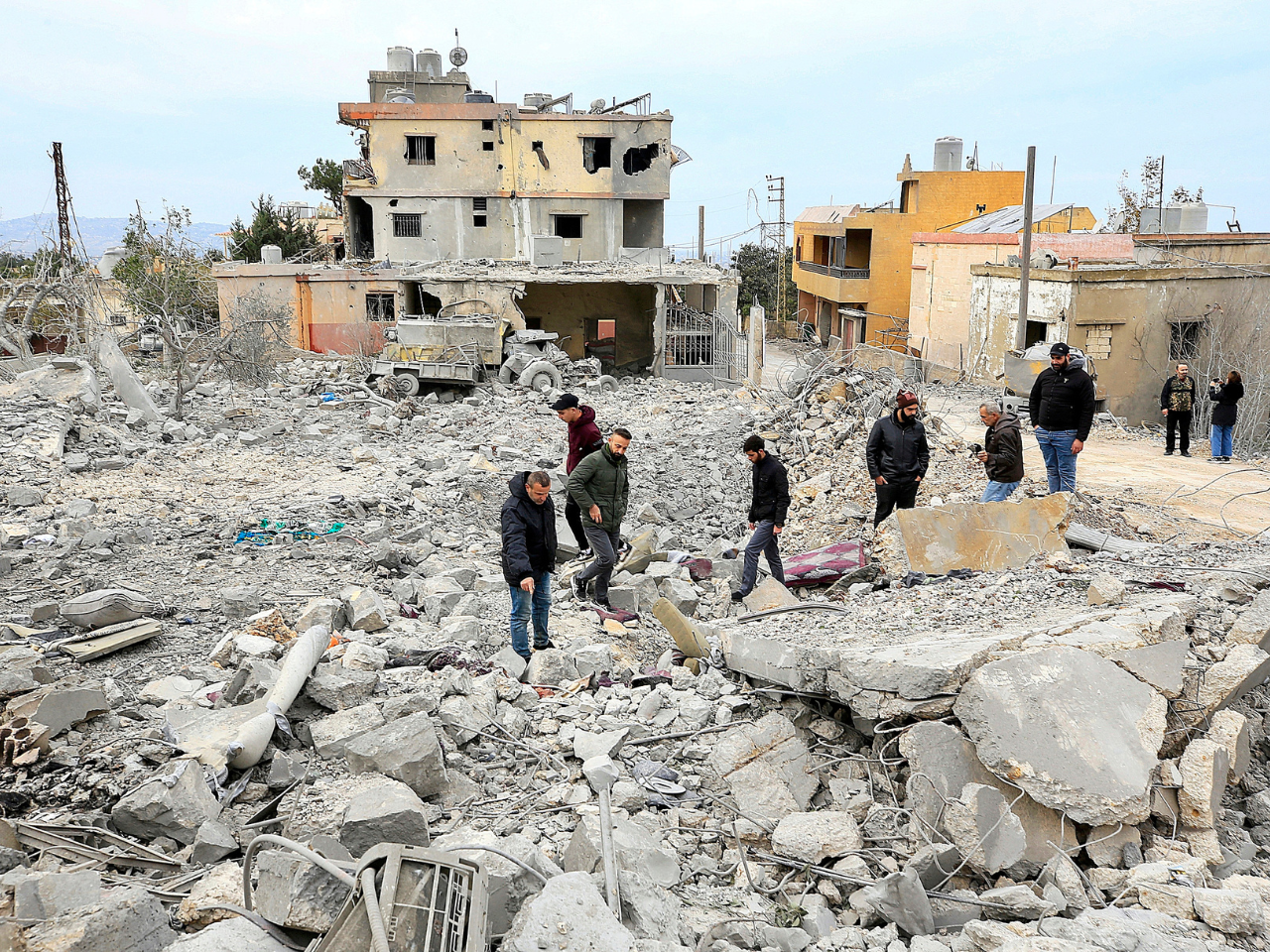
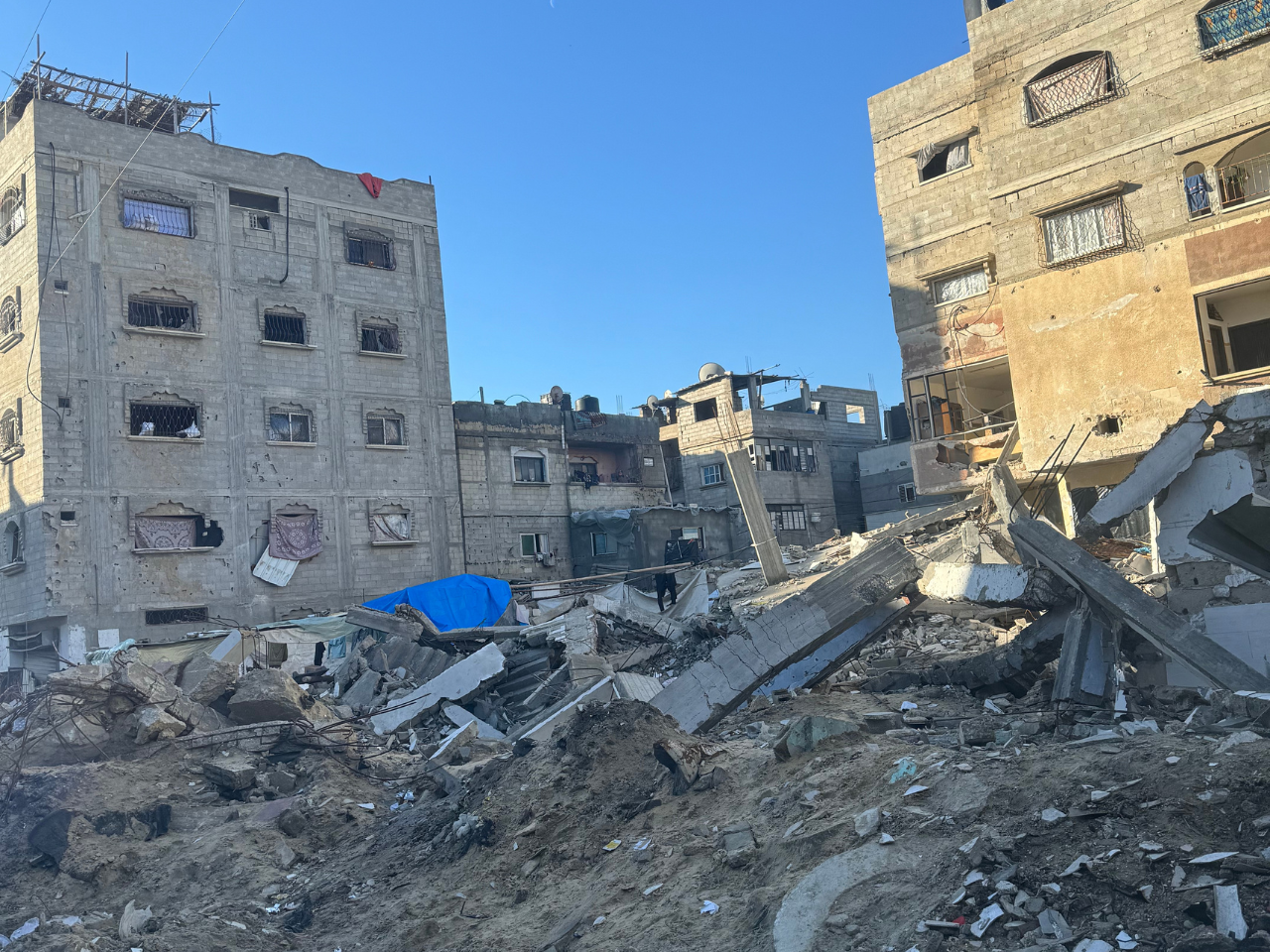
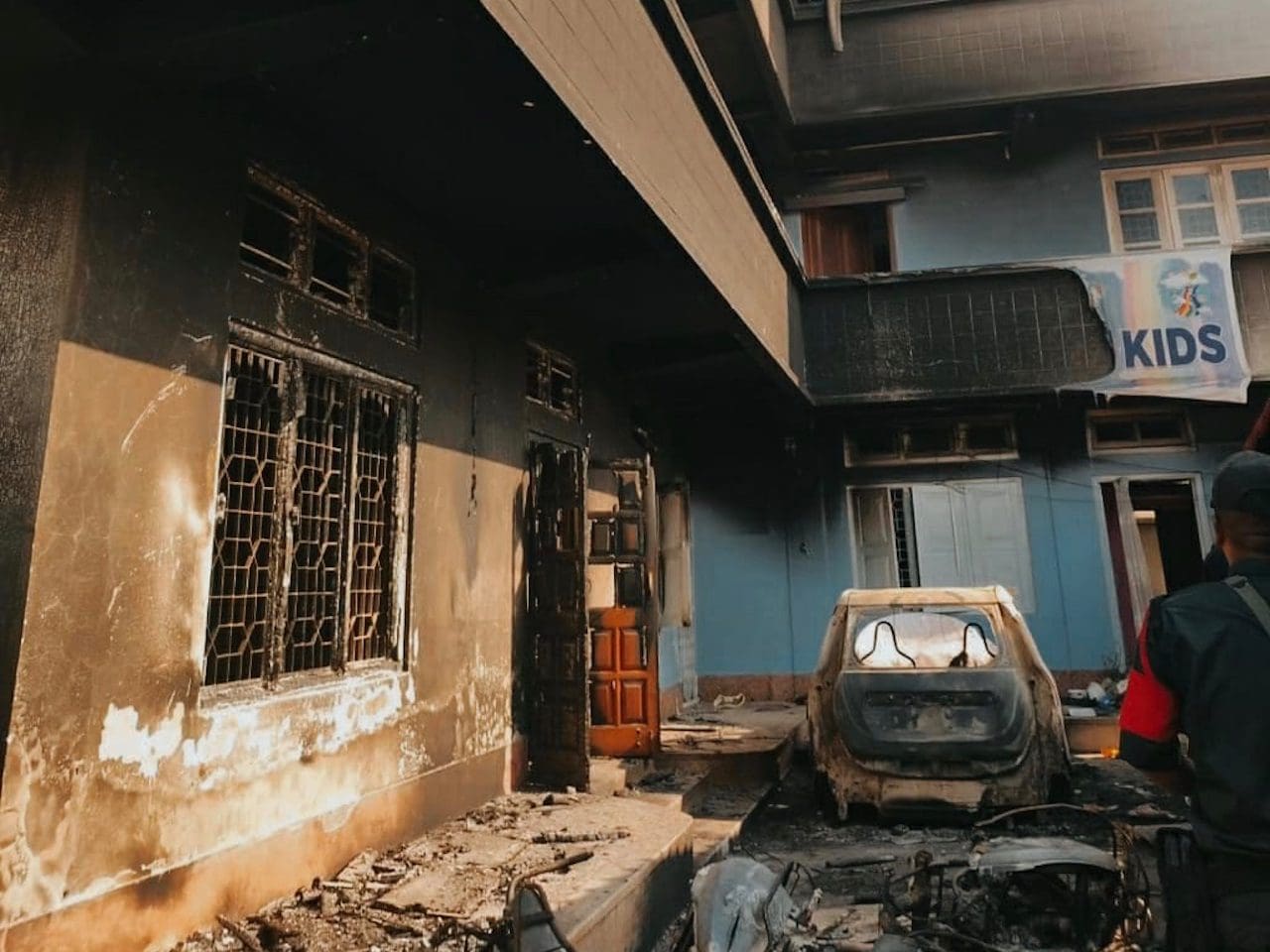
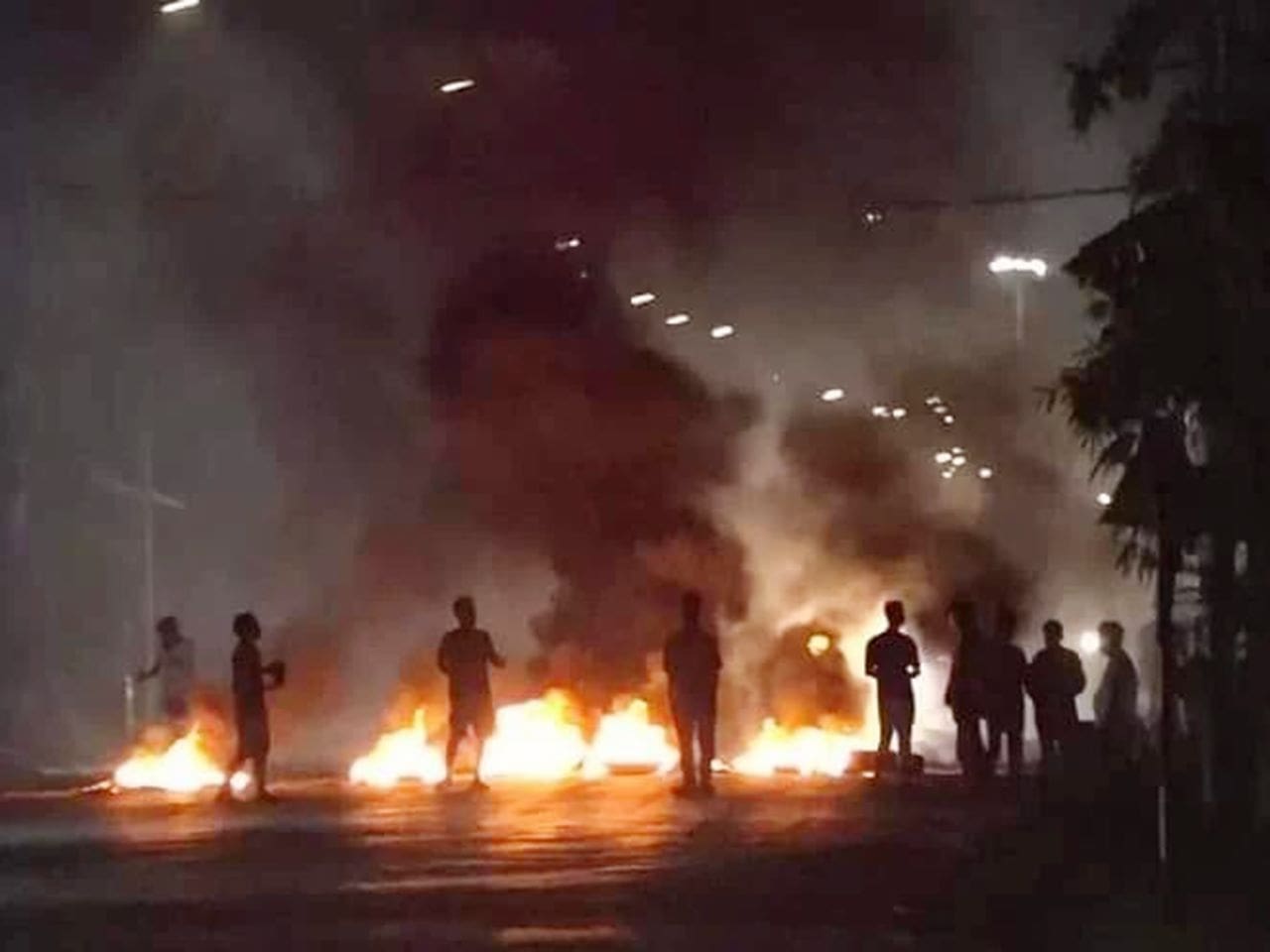
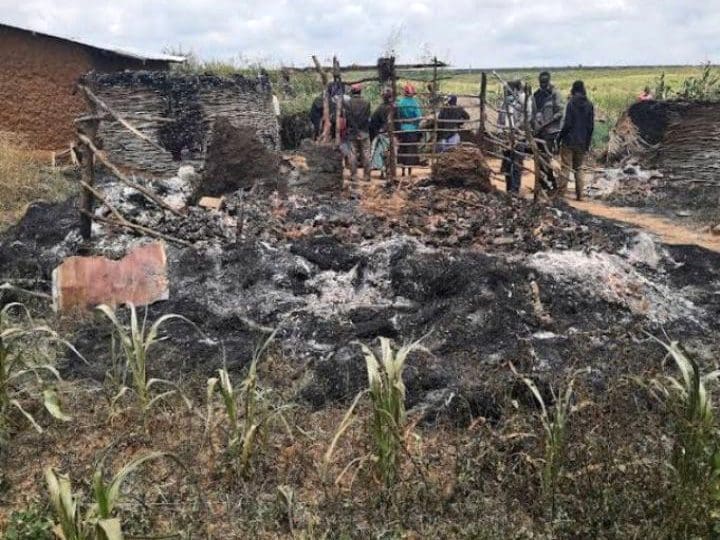
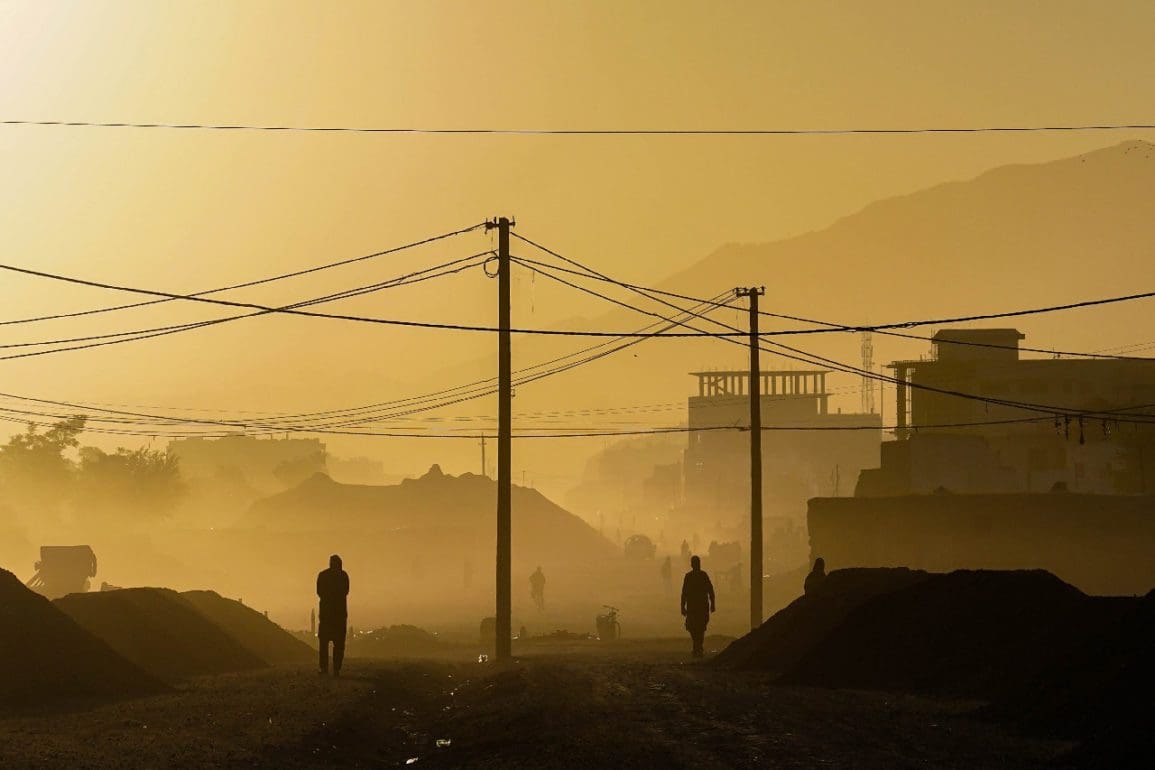
I cannot believe what is happening right now in Oleshky, a town in Ukraine’s southern Kherson region that is suffering greatly under Russian occupation. Oleshky is a place where people are being killed not only by shells, but by hunger. To escape an increasingly desperate humanitarian situation, some of the residents who survived to this point are attempting to flee along a route so dangerous it has been dubbed the “road of death.”
Oleshky is located on the left bank of the Dnipro River, across from the city of Kherson in Ukraine’s southern Kherson region. Before Russia’s unprovoked assault on Ukraine, 24,000 people lived here. Russia took control of the town on the first day of its full-scale invasion in February 2022. No one knows exactly how many people remain today, but the estimates are dire – from 2,000 to 6,000, including some 200 children.
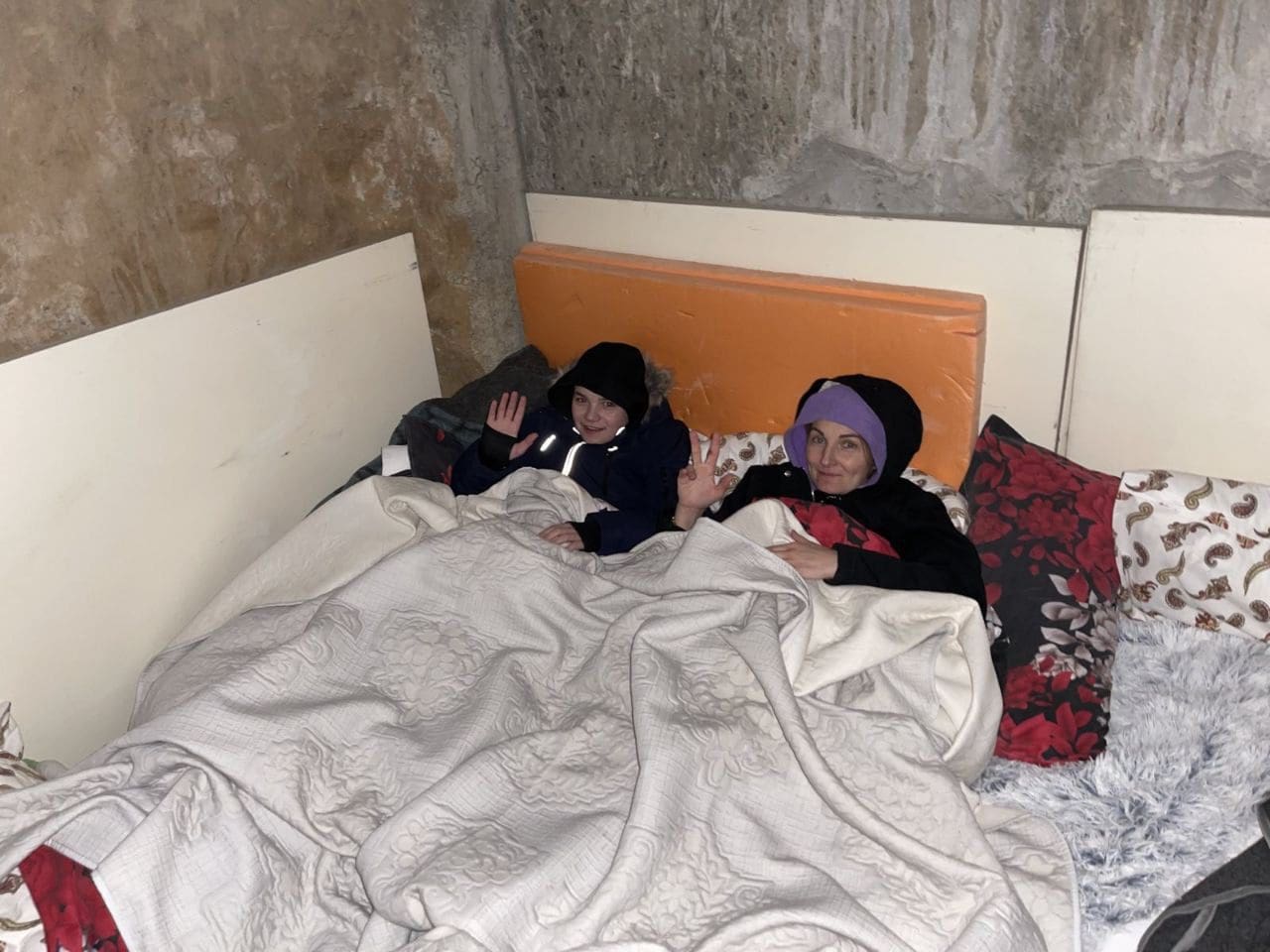
Oleshky has had no electricity since June 2023. No water. No gas. No food is being brought in. Those who have managed to escape say the Russians ask $1,000 for five kilograms of flour. There has been no bread for a long time. People bake flatbread from flour and water. Last winter, there was ice on the walls of apartments, and people died of cold in their own homes.
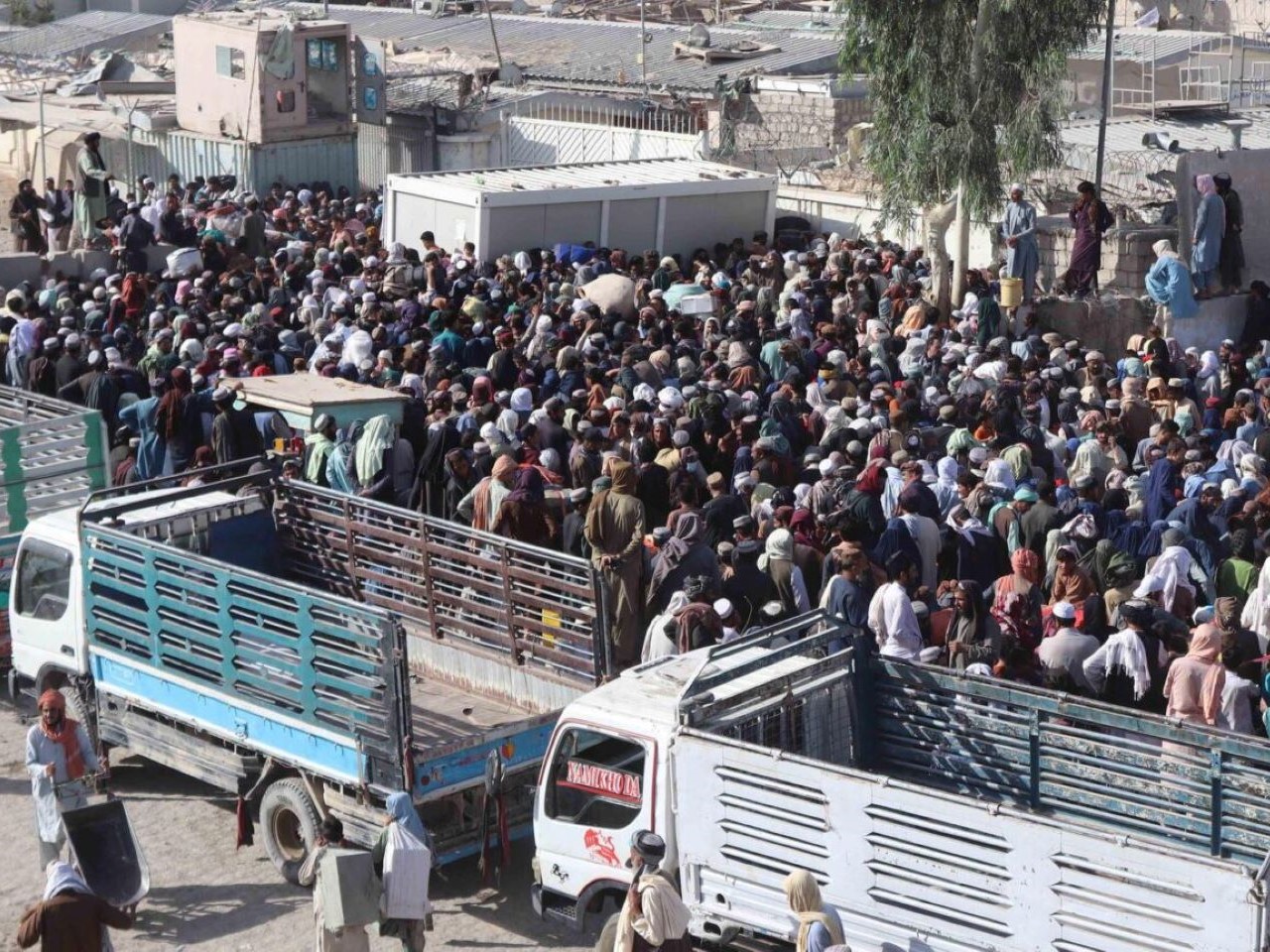
Leaving is almost impossible. Russian soldiers do not let people cross to Ukrainian-controlled territory, and they break every agreement on evacuation. They are holding these people hostage. For the occupiers, the residents of Oleshky are a shield. A shield of Ukrainian people that they hide behind on Ukrainian land.
Residents are catching sparrows to eat
For Ukrainians, this feels horribly familiar. Today, Moscow is repeating the Holodomor, the Soviet-era famine orchestrated by the Kremlin that killed millions of Ukrainians in 1932 and 1933.
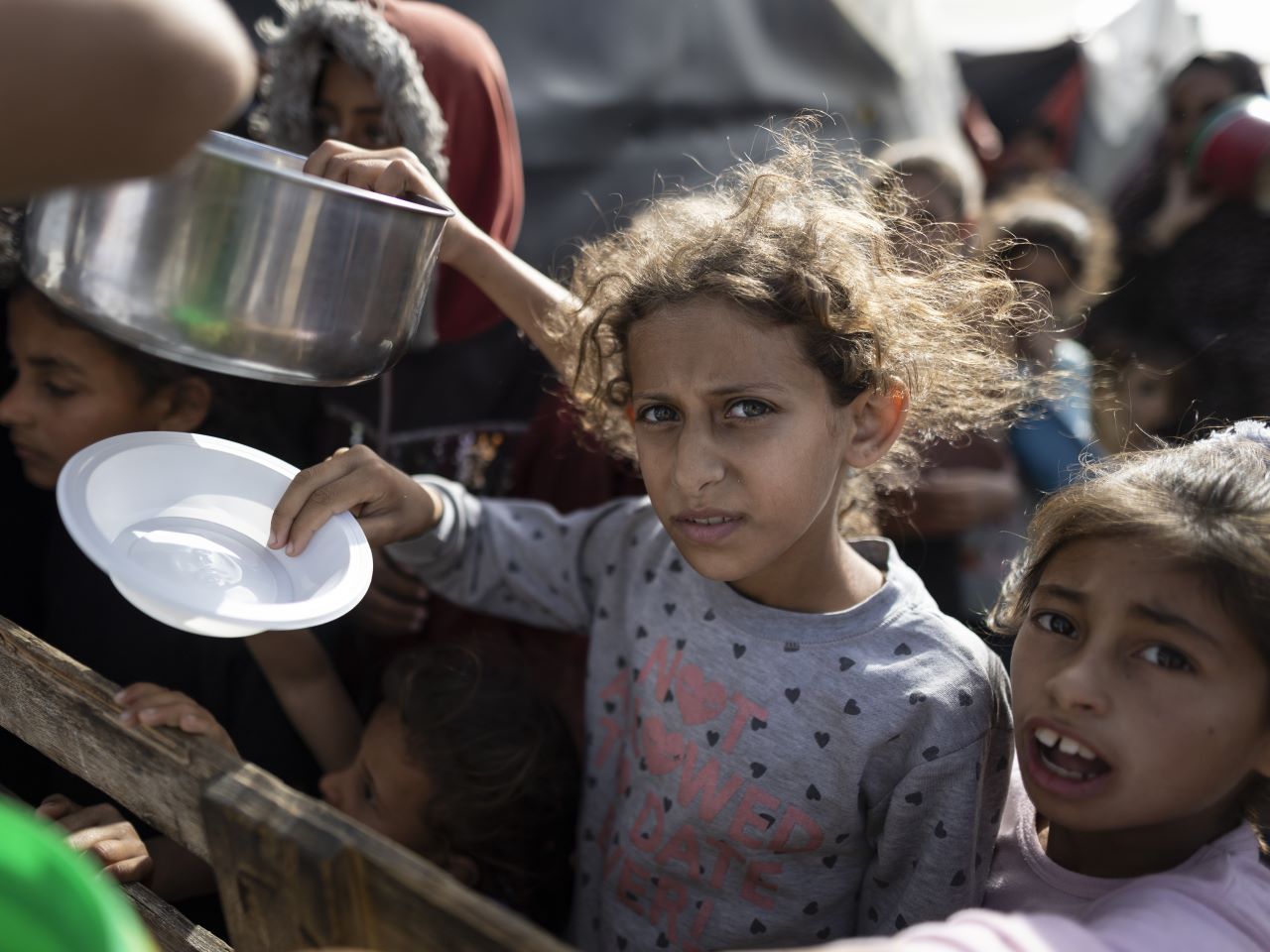
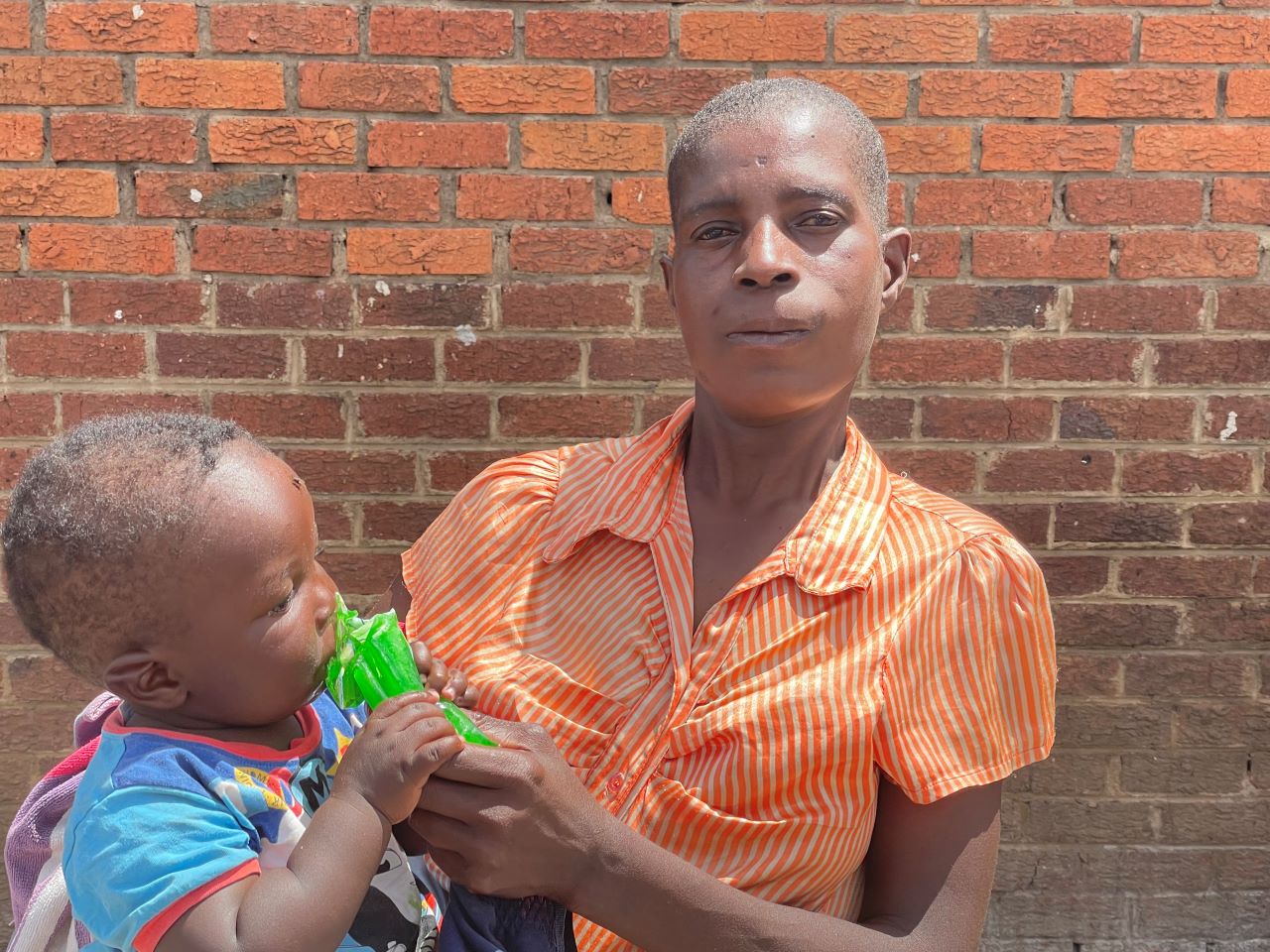
Tetiana left Oleshky in March. “Last year you could still somehow survive,” she tells me. “Now people catch sparrows and eat them.” Others boil the hogweed that grows along fences to get something in their stomachs.
Volunteer Ester Vratarova, who helps people get out of Oleshky, describes what families with children eat under occupation. In the morning, a clear soup without potatoes. In the evening, a few spoonfuls of buckwheat. “And the most terrifying thing is that there are children there,” she says.
A woman named Alia survives only on tea with honey. Foreign Minister Andrii Sybiha told her story to a special UN Security Council session dedicated to the Ukraine crisis in September. He explained that the last time food reached Alia’s town was before summer.
A 67-year-old resident of Oleshky has lost three homes during the occupation. She walked more than 20 kilometers along a mined road under the threat of Russian drones to escape her last one. Her daughter wrote: “Months of hunger forced her to choose between fear and life. She chose life.”
Serhii took his 90-year-old grandmother out of the town in a wheelbarrow. There was no other transport.
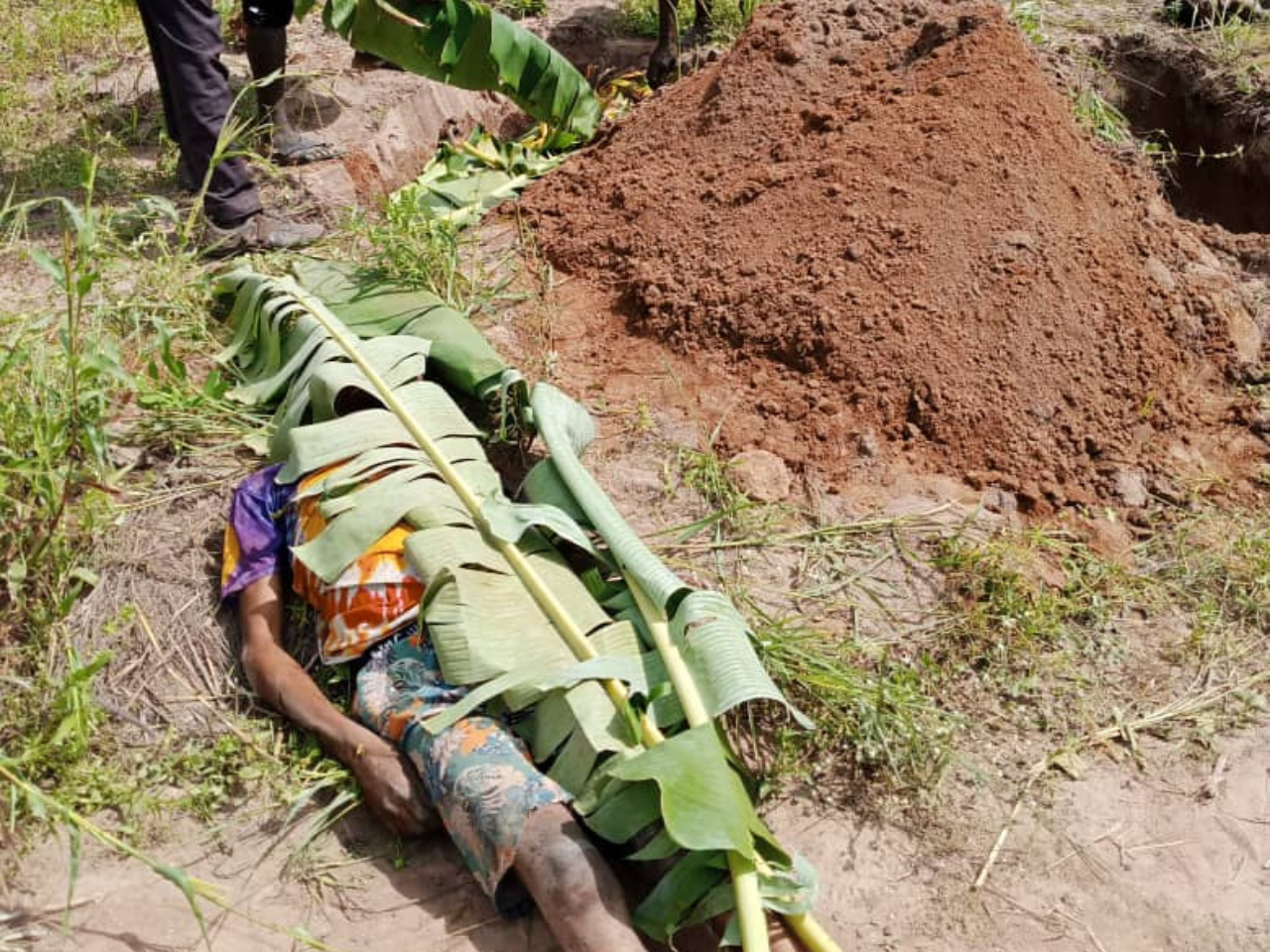
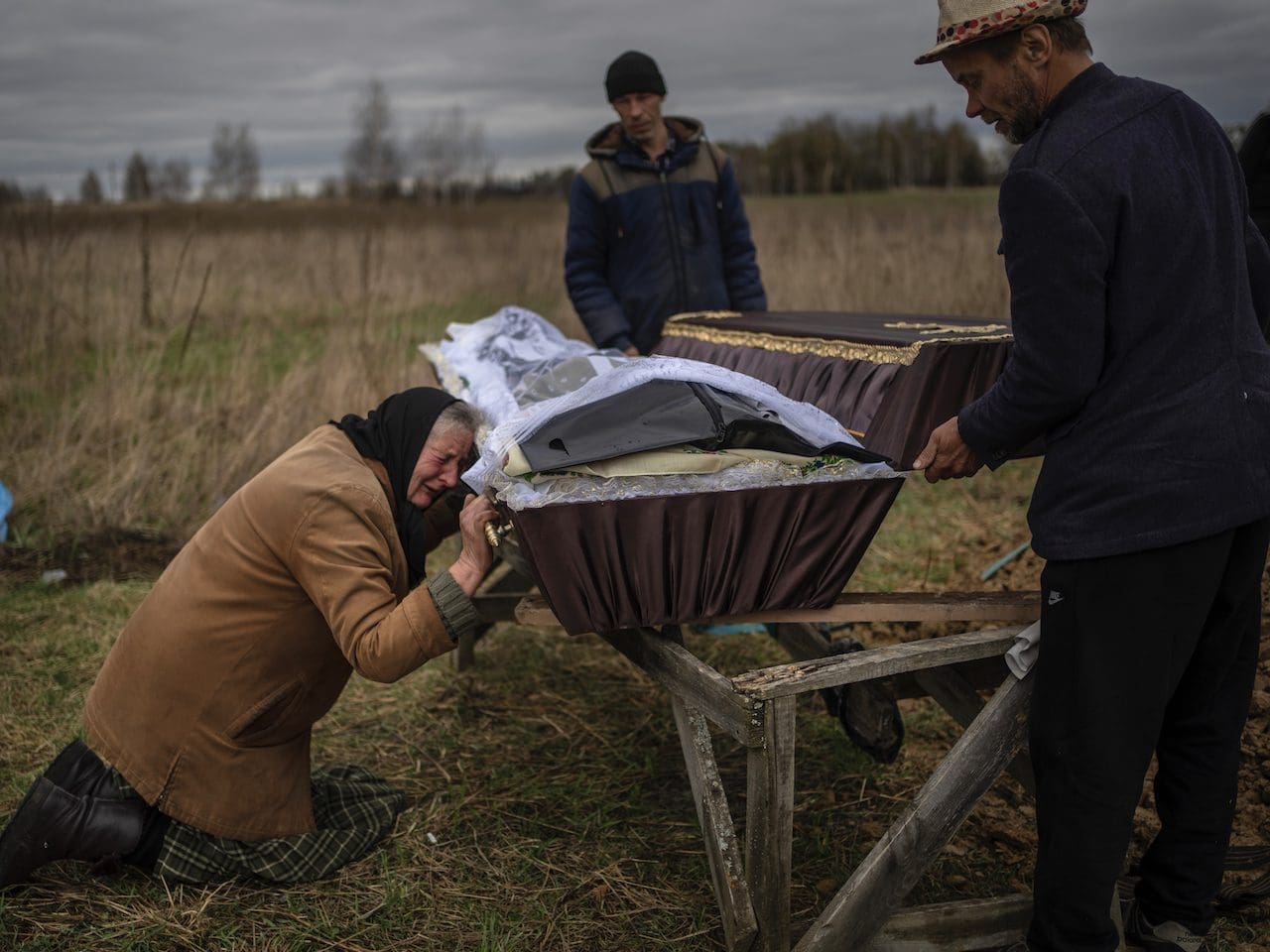
The morgue in Oleshky does not work because there has been no electricity for so long. The bodies of the dead lie in the streets for days.
Under international law, it is the occupying power that must provide people in occupied territory with food, medicine, and water. Russia does none of this. It simply watches people grow weak from hunger, and mocks them.
Our drones are airlifting supplies to help Oleshky
We have appealed everywhere, to every international platform. We have asked for the Red Cross to be let in to bring people food and medicine. The answer has been silence. But we cannot abandon our own. So we found another way, through the sky.
As far as I know, no one has ever done this before. The same heavy drones that bring death in this war now bring bread.
It all starts in a warehouse. Soldiers and volunteers scoop buckwheat, rice, millet, and peas by hand into small bags. They pour cooking oil into smaller bottles and wrap each one in bubble wrap so it will not break when it lands. The boxes are wrapped in stretch film to keep them dry. Separately, they pack bandages, painkillers, and water-purification tablets, because there is no clean water in the town either.
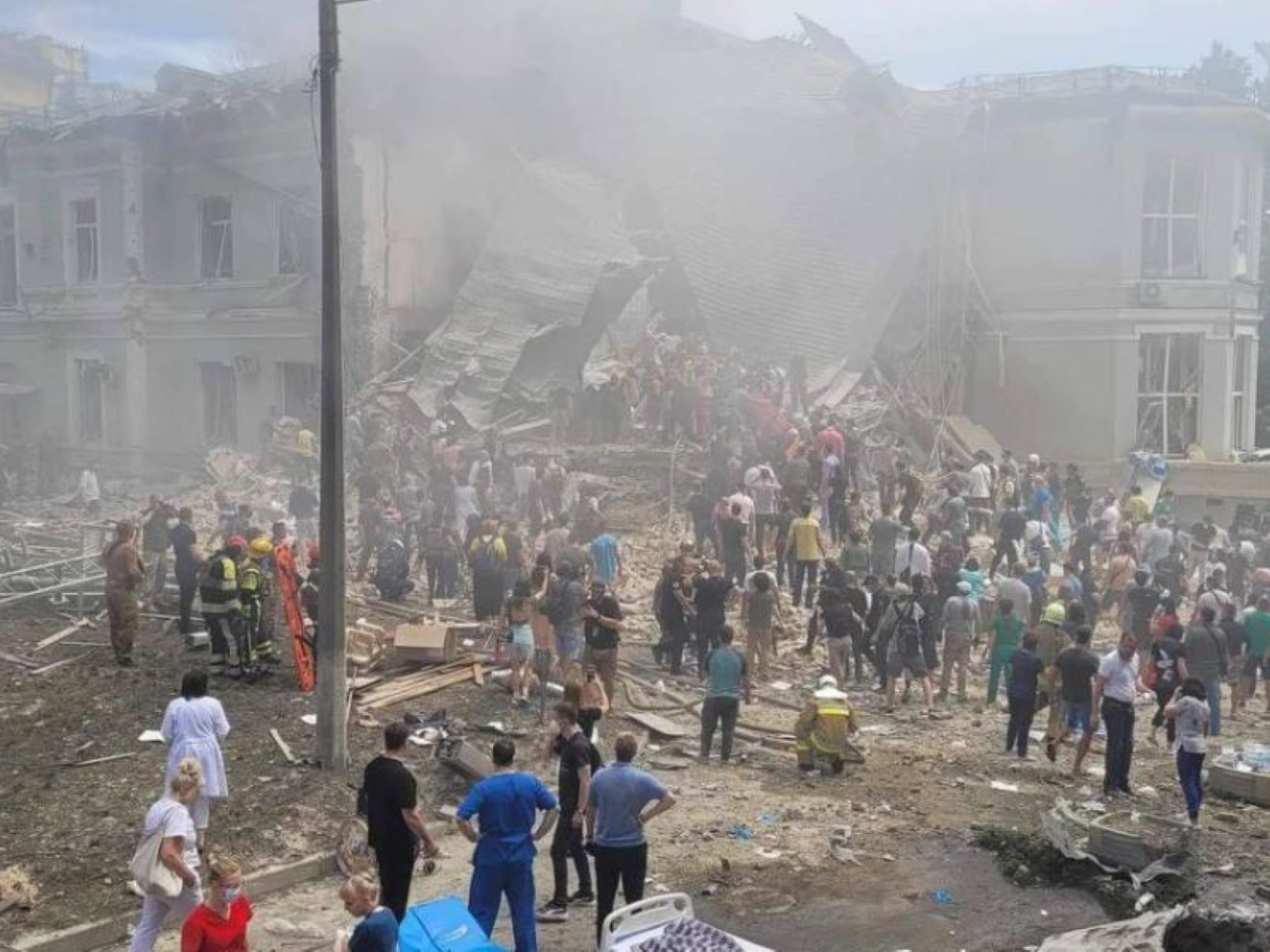
ALSO READ: In war-torn Ukraine, Russian missile strike destroys Okhmatdyt Children’s Hospital in Kyiv
The flights happen only at night. At the launch sites, the soldiers work by red light so the enemy cannot spot them. Heavy drones cross the Dnipro in a convoy, each with a box hanging from a cable. Meanwhile, operators watch every drop point through thermal cameras, so that neither the cargo nor the people are hit. The boxes are lowered on cables to agreed locations, right next to people’s yards.
Then small white figures appear on our forces’ thermal screens. People come out of their shelters and pick up the food. For the soldiers, this is probably the hardest and the best moment of the whole night.
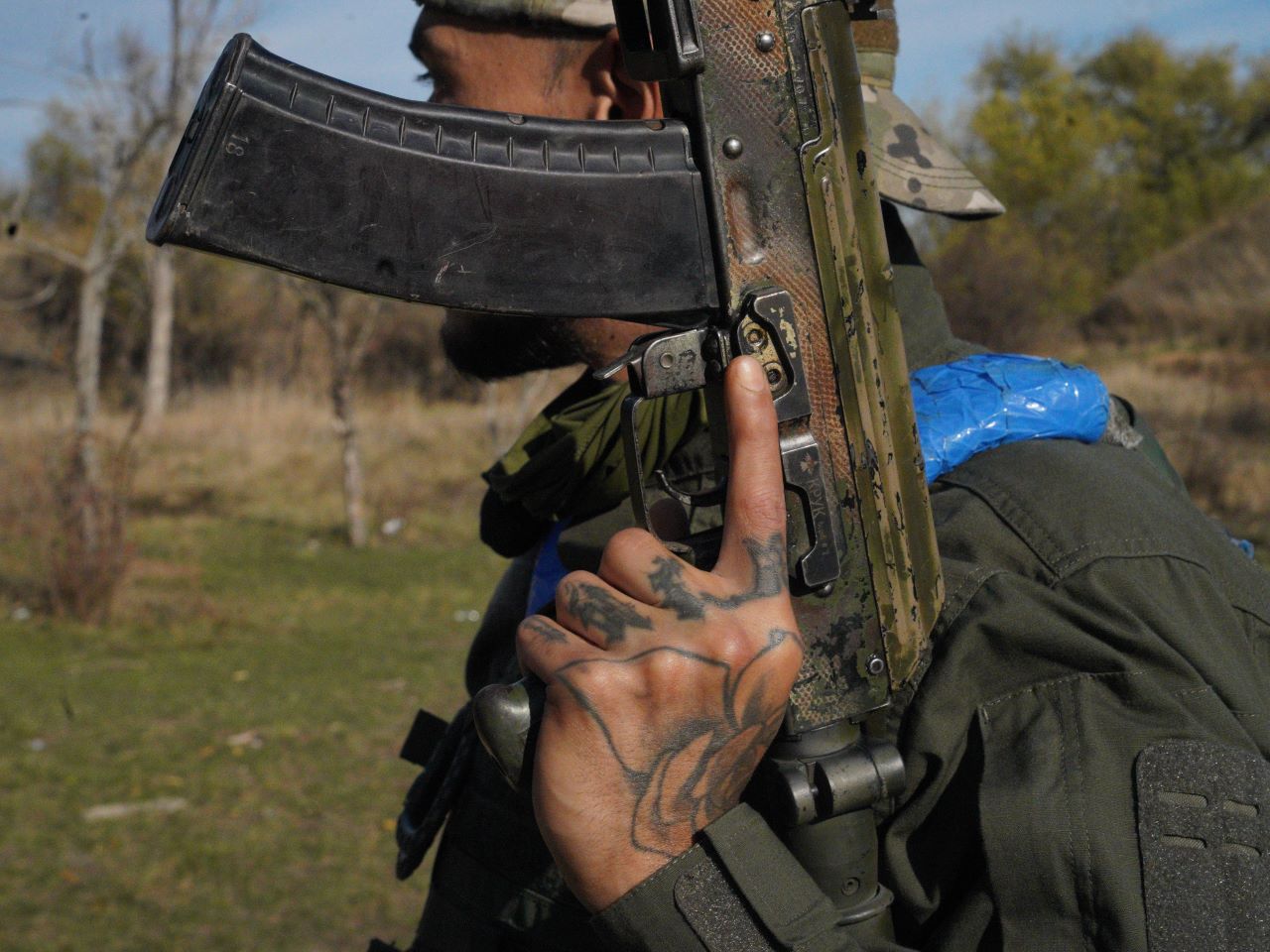
This is not a single parcel. It is a real operation involving marines, the National Guard, and border guards. On September 27, drones delivered four tons of food to one hundred locations across the town at once. A week later came about 400 more parcels, again almost four tons.
Russian wartime cruelty on full display
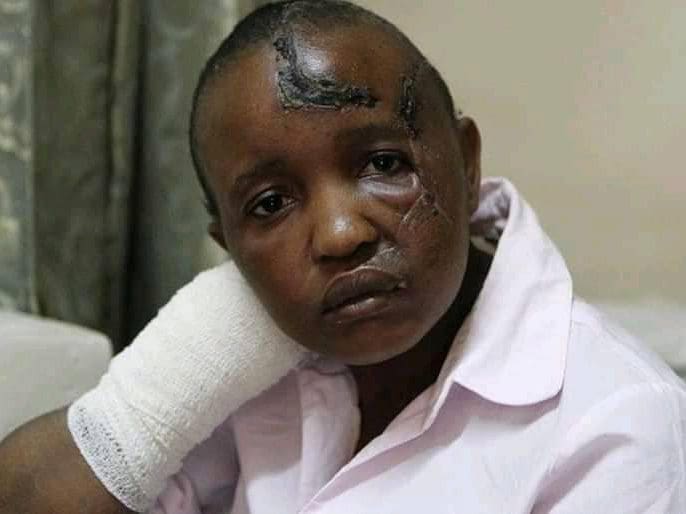
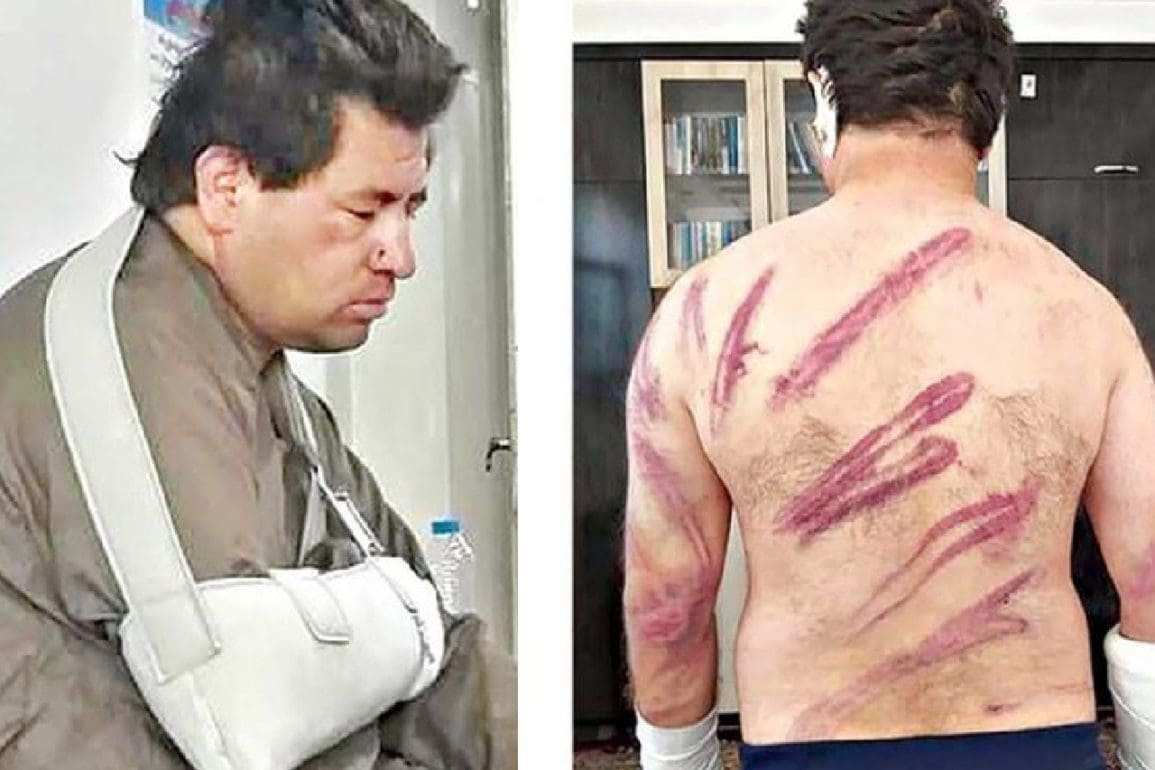
But even then, the Russians found a way to be cruel. They shoot down the drones to take the food for themselves or to sell it. People who pick up a box are detained, beaten, and thrown into basements.
Imagine – a person is tortured for picking up a bag of buckwheat from the ground.
Drone airlifts will not save Oleshky. They only give people a chance to survive until tomorrow.
Only one thing can save them: Russia must let these people go to Ukrainian-controlled territory. And the only thing that can convince Russia to act is to raise our voices so that they are too loud to ignore.
We have to shout about Oleshky. In parliaments, in international organizations, in the media, on social networks. Russia fears publicity more than any statement. That is why silence today works in its favor.
Without you, without your voice, without your audience, and without international support, we will not be able to save and get these people out.
Do not look away from Oleshky. Tell others about it. Demand that your governments put pressure on Russia.
Because somewhere out there, in the dark, without light or food, another child is asking: “How am I supposed to go on living?”